
Last Updated: March 20, 2026
When it comes to cutting wood or other materials, choosing the right tool can make all the difference in your project’s success. You might be wondering: should you reach for a scroll saw or a jigsaw?
Both tools look similar but serve very different purposes. If you want clean, quick cuts for larger shapes, a jigsaw might be your go-to. But if your project demands intricate details and precision, the scroll saw could be exactly what you need.
Understanding the key differences between these two saws will save you time, effort, and frustration. Keep reading to discover which tool fits your needs perfectly and how to get the best results every time.
Credit: southernadoornmentsdecor.com
Tool Types And Designs
Understanding the different tool types and designs helps choose the right saw. Scroll saws and jigsaws look similar but serve different purposes. Each tool has unique features and structures designed for specific cutting tasks.
Scroll Saw Design
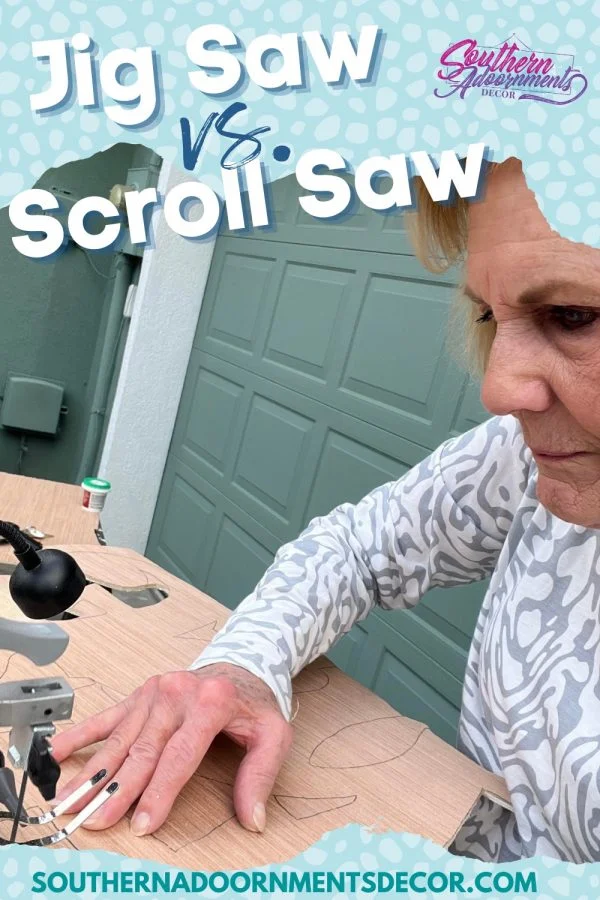
The scroll saw has a small, thin blade that moves up and down rapidly. It is fixed to a flat table surface, allowing precise control over the material. The blade can be easily changed for various cutting needs. Its design supports detailed and delicate cuts, perfect for intricate patterns.
Jigsaw Design
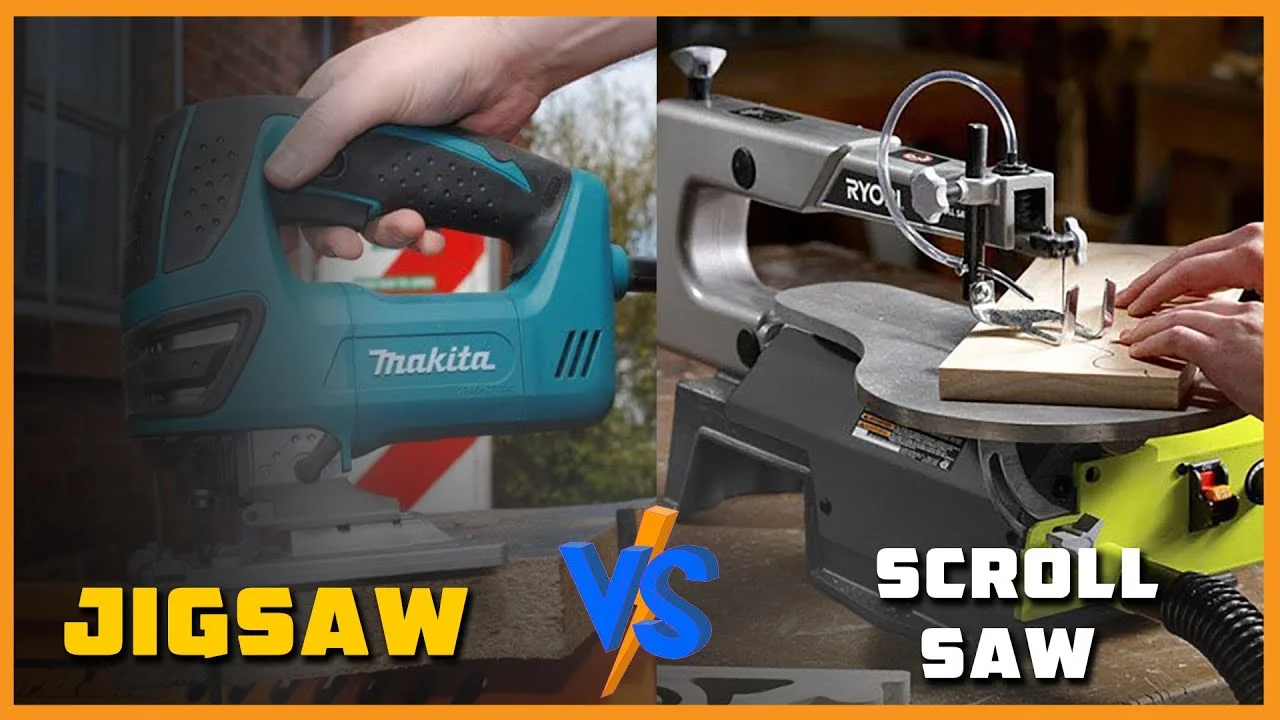
The jigsaw is a handheld power tool with a straight, wider blade. The blade moves up and down quickly to cut through wood, metal, or plastic. Its compact design allows easy maneuvering for straight or curved cuts. Jigsaws often have adjustable speed settings and orbital action for faster cutting.
Comparison Of Tool Shapes And Sizes
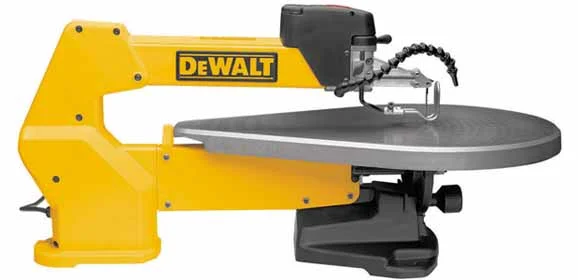
Scroll saws are usually stationary and larger, with a broad table to support the workpiece. Jigsaws are portable and smaller, fitting comfortably in one hand. The scroll saw’s blade is thinner and more delicate, while the jigsaw blade is thicker and more robust. These size differences affect the types of projects each tool suits best.
Cutting Capabilities
Cutting capabilities define how well a saw performs its tasks. They show the types of cuts the saw can make and the materials it handles. Both scroll saws and jigsaws have unique strengths and limits in cutting. Understanding these can help choose the right tool for a project.
Scroll Saw Cutting PrecisionThe scroll saw excels in detailed and delicate cuts. It uses a thin blade that moves up and down rapidly. This allows for sharp turns and intricate shapes. It cuts small curves and tight patterns with ease. The blade is fixed, giving more control and less vibration. This makes it ideal for crafts and fine woodworking.
Jigsaw Cutting VersatilityThe jigsaw is more versatile for general cutting needs. It can cut straight, curved, and bevel cuts. It uses a larger, thicker blade that moves in a similar up and down motion. The jigsaw handles thicker materials like wood, metal, and plastic well. It is good for rough cuts and larger projects. The jigsaw is portable, so it works well outside the workshop.
Material Thickness and Blade TypesScroll saw blades are very thin and not suited for thick materials. They work best with wood up to about 1 inch thick. Jigsaw blades come in many types and sizes. They can cut materials from thin wood to metal sheets. Changing blades on a jigsaw is quick, adapting to different projects. Scroll saw blades are more fragile and need careful handling.
Cutting Speed and ControlThe scroll saw offers slower, controlled cuts. This precision suits detailed work but takes more time. The jigsaw cuts faster but with less precision. It is easier to make quick cuts on large pieces. The jigsaw requires a steady hand to avoid mistakes. Both tools need practice to improve cutting control.
Precision And Detail Work
Precision and detail work demand tools that offer control and accuracy. Both scroll saws and jigsaws serve these purposes but differ in how they handle fine cuts. Understanding these differences helps choose the right tool for intricate projects.
Scroll Saw For Fine, Intricate Cuts
Scroll saws excel at making delicate, detailed cuts. Their thin blades move up and down rapidly, allowing tight curves and small patterns. This makes them ideal for tasks like fretwork, marquetry, and small crafts.
They offer steady control since the workpiece stays still on the table. The operator guides the wood through the blade, which reduces errors. The precise blade movement helps create smooth edges and clean lines.
Jigsaw For Versatile, Rougher Detail
Jigsaws cut with a larger blade moving up and down quickly. They handle curved cuts but lack the fine precision of scroll saws. Jigsaws work well for general shapes and larger curves in wood or metal.
They are handheld tools, which means more movement and less control on tiny details. The blade is thicker, so cuts may be rougher and less exact. Still, jigsaws provide speed and flexibility for many projects.
Blade Size And Control Impact Precision
Blade size affects the accuracy of cuts. Scroll saw blades are narrow and fine, perfect for delicate lines. Jigsaw blades are wider and designed for faster, less detailed cuts.
Control also matters. Scroll saws hold the material steady, giving the user better precision. Jigsaws require steady hands to avoid uneven cuts, especially in tight curves.
Credit: woodworking.stackexchange.com
Portability And Workspace Needs
Choosing between a scroll saw and a jigsaw depends on your space and mobility needs. Both tools serve different purposes and fit differently into your workshop or job site.
Understanding their size, weight, and workspace requirements helps pick the right tool for your project.
Scroll Saw Portability And Workspace
Scroll saws are usually heavier and larger than jigsaws. They need a stable table or workbench for safe use. This means you need a dedicated, stationary workspace. They are not easy to move around because of their size and weight. Scroll saws work best in a fixed workshop setup.
Jigsaw Portability And Workspace
Jigsaws are compact and lightweight. You can carry them easily to different job sites. They need less space for use, so they fit well in small workshops or tight areas. Jigsaws work well on any flat surface or directly on the material. Their portability makes them ideal for quick, on-the-go cutting tasks.
Blade Features And Maintenance
Blade features and maintenance play a big role in how well scroll saws and jigsaws perform. Each tool uses different blades designed for specific tasks and materials. Proper care keeps blades sharp and extends their lifespan. Understanding blade types and upkeep helps you get clean cuts and safer work.
Scroll Saw Blade Features
Scroll saw blades are thin and narrow. This allows them to cut tight curves and intricate shapes. They come in various sizes and tooth counts for different materials. Some blades have reverse teeth to reduce splintering. The blades fit into a fixed arm and move up and down rapidly.
Jigsaw Blade Features
Jigsaw blades are wider and thicker than scroll saw blades. They are designed to cut straight and curved lines in wood, metal, and plastic. Blades vary in length and tooth design for smooth or fast cuts. The blade moves in a straight up-and-down motion while the user guides the saw.
Blade Maintenance Tips
Keep blades clean by removing resin and dust after use. Dull blades cause rough cuts and strain the motor. Replace blades if they become bent, chipped, or too dull to cut smoothly. Store blades in a dry place to avoid rust. Regular checks improve cutting quality and tool safety.
Credit: www.youtube.com
Best Uses For Each Saw
Choosing between a scroll saw and a jigsaw depends on the project you have. Each tool has strengths that suit different tasks. Knowing the best uses helps you pick the right saw for your work.
Best Uses For Scroll Saw
The scroll saw excels at detailed and precise cuts. It works well for intricate designs and curves. Small craft projects and puzzles benefit from its accuracy. This saw is perfect for cutting delicate patterns in wood, plastic, or thin metal. Its fine blade allows smooth cuts without splintering. Scroll saws are often used in woodworking for making joints and decorative pieces.
Best Uses For Jigsaw
The jigsaw handles larger, rougher cuts quickly. It is ideal for cutting straight lines and simple curves in thicker materials. Home improvement tasks like cutting holes in drywall or trimming wood use jigsaws. It works well on wood, metal, and plastic sheets. The jigsaw’s versatility makes it a great choice for general cutting jobs around the house. It is easier to use for beginners and faster for big cuts.
Frequently Asked Questions
Which Is Better, A Scroll Saw Or A Jigsaw?
A jigsaw suits quick, general cuts and portability. A scroll saw excels in precise, intricate designs on stationary benches.
What Are The Disadvantages Of A Scroll Saw?
Scroll saws have narrow blades that dull quickly and struggle with straight cuts. They require skill for precise work and are less portable.
Can I Cut A 2×4 With A Scroll Saw?
A scroll saw can cut a 2×4, but it struggles with thickness and may cause blade damage. Use a jigsaw or circular saw instead for faster, cleaner cuts on 2×4 lumber.
What Is A Scroll Saw Best For?
A scroll saw excels at cutting intricate curves, detailed joints, and delicate patterns with high precision. It suits fine woodworking projects like fretwork, marquetry, and puzzle making.
What Is The Main Difference Between A Scroll Saw And Jigsaw?
A scroll saw cuts fine, detailed shapes, while a jigsaw handles rough, larger cuts.
Which Tool Is Better For Detailed Woodwork Projects?
Scroll saws are better for detailed, precise cuts in small wood pieces.
Conclusion
Choosing between a scroll saw and a jigsaw depends on your project needs. Use a jigsaw for fast, rough cuts and portability. Pick a scroll saw for detailed, precise work on small pieces. Both tools have strengths that suit different tasks.
Consider what kind of cuts you want to make. This will help you select the best saw for your woodworking. Simple tasks might only need a jigsaw, while fine crafts benefit from a scroll saw. Understanding these differences makes your work easier and more enjoyable.
{ “@context”: “https://schema.org”, “@type”: “Article”, “headline”: “Scroll Saw Vs Jigsaw: Ultimate Comparison for Precision Cuts”, “description”: “Scroll saw vs jigsaw compares two cutting tools: the scroll saw offers precision for intricate designs, while the jigsaw handles versatile straight and…”, “url”: “https://www.powertoolstoday.com/scroll-saw-vs-jigsaw/”, “datePublished”: “2025-11-18”, “dateModified”: “2026-03-19”, “author”: { “@type”: “Organization”, “name”: “Power Tools Today”, “url”: “https://www.powertoolstoday.com” }, “publisher”: { “@type”: “Organization”, “name”: “Power Tools Today”, “url”: “https://www.powertoolstoday.com” }, “mainEntityOfPage”: { “@type”: “WebPage”, “@id”: “https://www.powertoolstoday.com/scroll-saw-vs-jigsaw/” }, “image”: { “@type”: “ImageObject”, “url”: “https://www.powertoolstoday.com/wp-content/uploads/2025/11/scroll-saw-vs-jigsaw.webp” } }{ “@context”: “https://schema.org”, “@type”: “Article”, “headline”: “Scroll Saw Vs Jigsaw: Ultimate Comparison for Precision Cuts”, “description”: “Scroll saw vs jigsaw compares two cutting tools: the scroll saw offers precision for intricate designs, while the jigsaw handles versatile straight and…”, “url”: “https://www.powertoolstoday.com/scroll-saw-vs-jigsaw/”, “datePublished”: “2025-11-18”, “dateModified”: “2026-03-19”, “author”: { “@type”: “Organization”, “name”: “Power Tools Today”, “url”: “https://www.powertoolstoday.com” }, “publisher”: { “@type”: “Organization”, “name”: “Power Tools Today”, “url”: “https://www.powertoolstoday.com” }, “mainEntityOfPage”: { “@type”: “WebPage”, “@id”: “https://www.powertoolstoday.com/scroll-saw-vs-jigsaw/” }, “image”: { “@type”: “ImageObject”, “url”: “https://www.powertoolstoday.com/wp-content/uploads/2025/11/scroll-saw-vs-jigsaw.webp” } }nn