
Last Updated: March 21, 2026
If you’ve ever worked with a sander, you know how important it is to have the right sanding discs. But what exactly are hook and loop sanding discs, and why might they be the perfect choice for your next project?
These discs feature a clever fastening system that lets you quickly attach and remove them from your sander. This means you can change grits in seconds, saving you time and hassle. Whether you’re smoothing wood, prepping surfaces for paint, or tackling a DIY renovation, understanding how hook and loop sanding discs work will help you get better results with less effort.
Keep reading to discover how these handy discs can make your sanding tasks easier and more efficient.
Hook And Loop Discs Basics
Hook and loop sanding discs are popular tools for sanding and finishing tasks. They attach to power sanders using a simple hook and loop system, similar to Velcro. This design allows quick changing of discs without tools. Many woodworkers and DIYers prefer them for their ease and efficiency.
These discs come in various grit sizes for different sanding needs. Users can switch between coarse and fine grits quickly. The hook and loop backing keeps the discs firmly in place during use. It also helps reduce disc slippage and uneven sanding.
What Are Hook And Loop Sanding Discs?
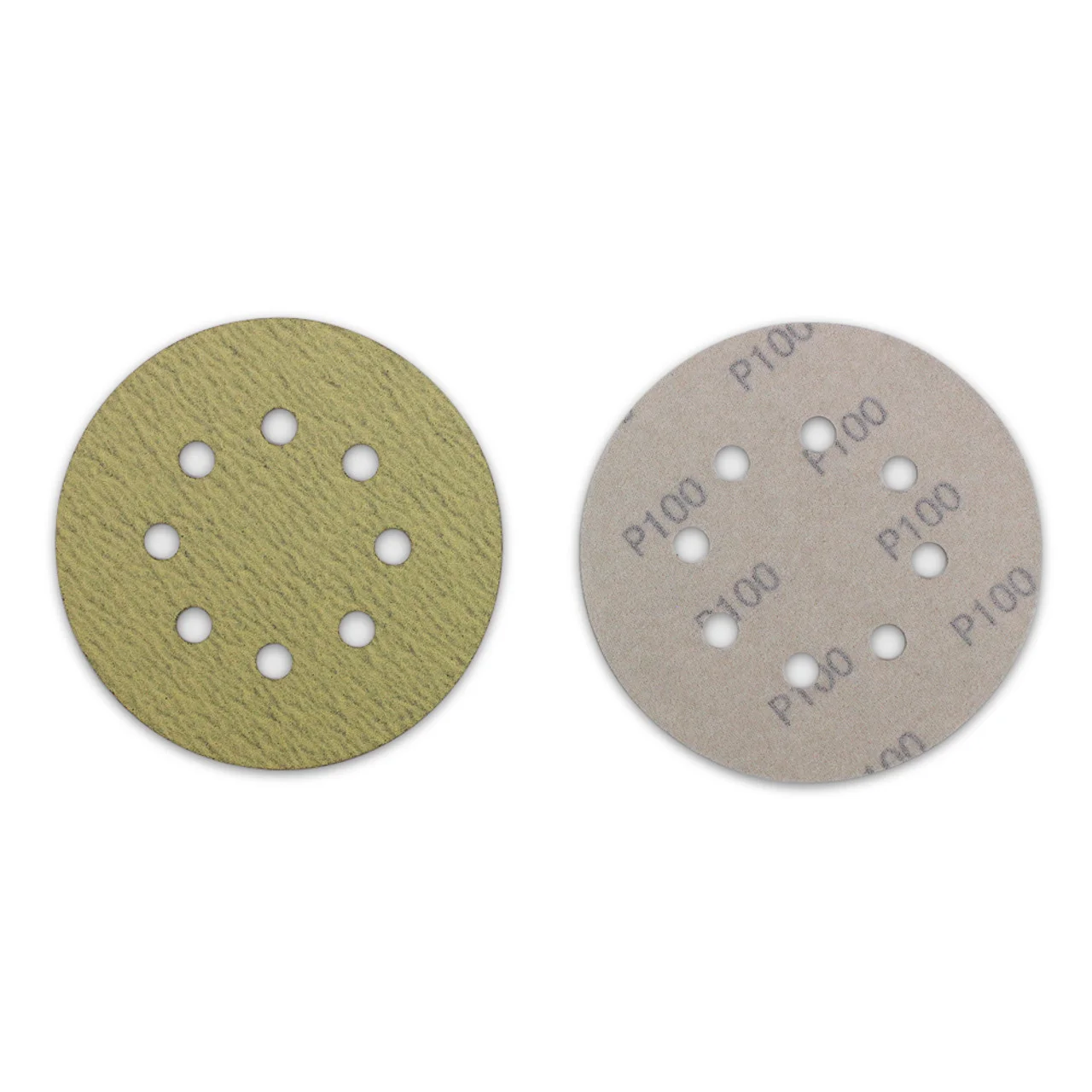
Hook and loop sanding discs have two parts. One side has tiny hooks, and the other side has loops. The sanding disc’s back has loops. The sanding pad on the sander has hooks. Pressing them together creates a strong hold.
How Do They Work?
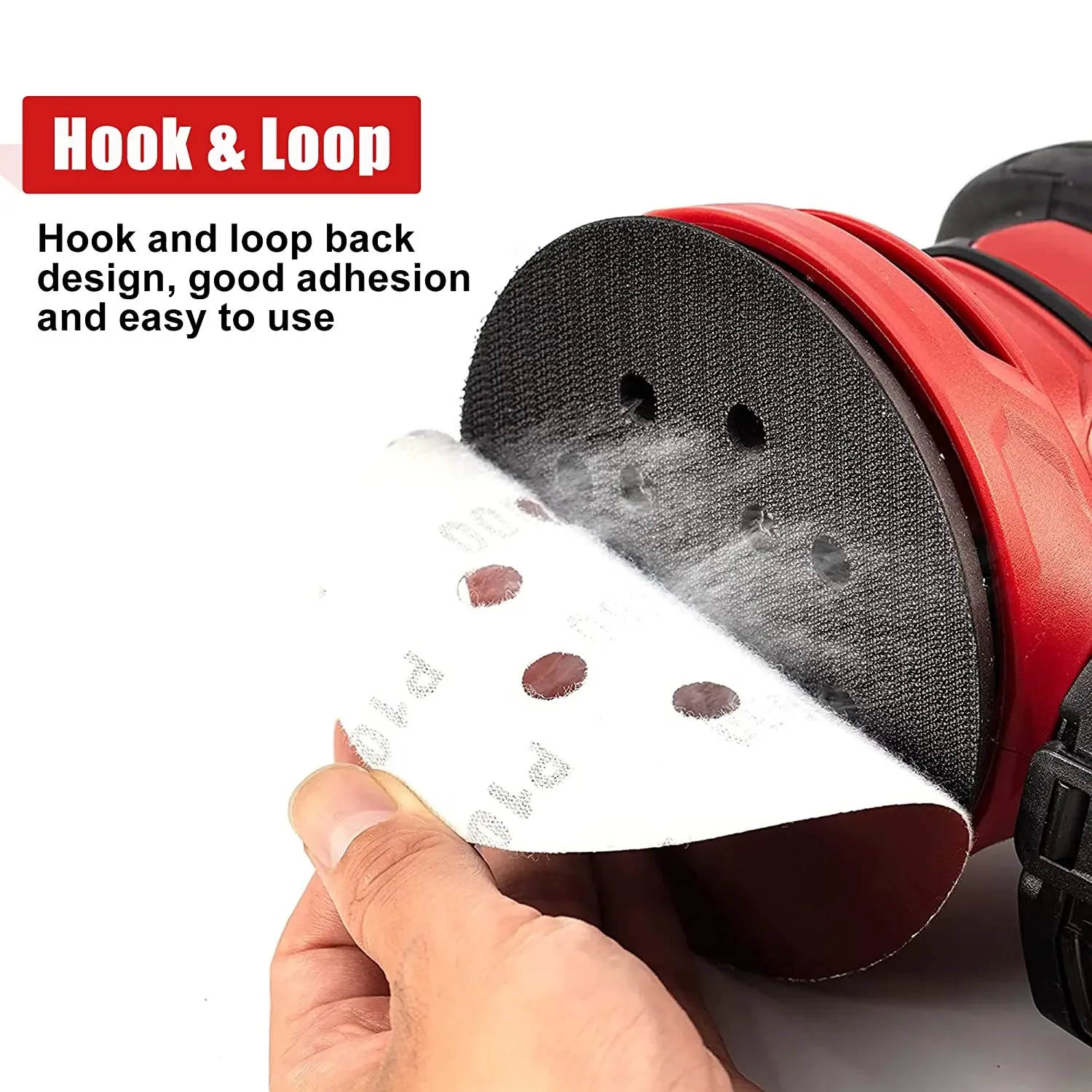
Press the disc onto the sander’s pad. The hooks catch the loops. This attachment holds the disc firmly during sanding. Removing the disc is easy. Just pull it off by hand. No tools or screws are needed.
Advantages Of Hook And Loop Discs
Changing discs saves time. No mess or fuss with adhesives. These discs reduce wear on the sander. They also allow precise sanding by switching grits fast. The discs stay flat and do not slip during work.
Credit: www.empireabrasives.com
How Hook And Loop Works
Hook and loop sanding discs stick to the sander using tiny hooks that catch on loops. This system makes it easy to attach and remove discs quickly. It helps save time during sanding and keeps the discs secure while you work.
Hook and loop sanding discs use a simple but effective fastening system. One side of the disc has tiny hooks. The sanding tool or backing pad has a surface covered in soft loops. When pressed together, the hooks catch in the loops, holding the disc firmly in place.
This connection is strong enough to keep the disc from slipping during sanding. It also allows for easy removal and replacement of the discs without tools. This system saves time and effort, especially when changing grits often.
Hook Side: The Fastening Element
The hook side contains many small, stiff hooks. These hooks are made from durable materials that grip well. They provide the grip needed to hold the disc steady on the sanding pad. The hooks are arranged densely to increase contact and hold.
Loop Side: The Receiving Surface
The loop side is soft and fuzzy. It is usually found on the sanding tool’s backing pad. The loops are flexible and open, allowing hooks to attach easily. This side provides a gentle cushion that helps the disc stay in place while sanding.
Attachment And Detachment Process
To attach, press the sanding disc onto the backing pad. The hooks and loops interlock instantly. To detach, simply pull the disc away from the pad. This process takes seconds and can be done many times without losing grip strength.
Benefits Of Hook And Loop System
This system offers quick disc changes. It reduces downtime during sanding projects. The strong grip prevents slippage that can cause uneven sanding. It also protects the backing pad and sanding discs from damage during use.
Advantages Over Psa Discs
Hook and loop sanding discs offer several clear advantages over PSA (Pressure Sensitive Adhesive) discs. These benefits improve sanding efficiency and ease of use. They also reduce downtime and help save money over time. The unique design of hook and loop discs provides practical solutions for many sanding tasks.
Easy Attachment And Removal
Hook and loop discs attach quickly to the sander pad. No sticky glue is involved. Removing discs is simple and clean. This saves time during sanding projects. It also prevents damage to the sanding tool.
Reusable And Cost-effective
These discs can be reused many times. The hook and loop system holds firmly but allows multiple changes. This reduces the need to buy new discs often. Users save money over long projects.
Better Dust Control
Many hook and loop sanding discs include holes for dust extraction. This feature helps keep the work surface clean. It also improves sanding quality. PSA discs often lack this effective dust control.
Consistent Grip During Use
The hook and loop system keeps the disc firmly in place. It avoids slipping or shifting during sanding. This consistency results in a smoother finish. PSA discs can lose grip as adhesive weakens.
Less Mess And Residue
Hook and loop discs leave no sticky residue on the sanding pad. PSA discs often leave adhesive behind. This residue can attract dust and debris. It also reduces the lifespan of the sanding tool.
Materials And Grit Options
Hook and loop sanding discs come in various materials and grit options. These choices affect how well the discs work on different surfaces. Picking the right material and grit makes sanding easier and more effective.
Common Materials For Hook And Loop Sanding Discs
Aluminum oxide is a popular material. It works well on wood, metal, and plastic. Zirconia alumina is tougher and lasts longer on metal. Silicon carbide is sharper and best for sanding glass and stone.
Some discs use ceramic grains for heavy-duty sanding. They offer fast cutting and long life. Each material suits different jobs. Choose based on the surface and sanding needs.
Grit Options And Their Uses
Grit refers to the size of abrasive particles on the disc. Low grit numbers mean coarse discs. They remove paint or rough shapes quickly. High grit numbers are fine discs. They smooth surfaces and prepare for finishing.
Common grit ranges go from 40 (coarse) to 400 (very fine). Start with a low grit to remove material fast. Finish with a high grit for smooth results. Matching grit to the project ensures the best finish.
Choosing The Right Disc
Choosing the right hook and loop sanding disc is essential for effective sanding. The correct disc improves finish quality and saves time. It depends on the material and the job type. Selecting the wrong disc can damage the work surface or waste effort. This guide helps you pick the best sanding disc for your needs.
Understanding Grit Sizes
Grit size shows how coarse or fine the sanding disc is. Lower numbers mean rougher grit for heavy material removal. Higher numbers give finer grit for smooth finishing. Choose coarse grit for removing paint or rust. Use fine grit for polishing or final sanding steps.
Choosing The Right Material
Sanding discs come in different materials like aluminum oxide, zirconia, and ceramic. Aluminum oxide works well on wood and metal. Zirconia is tougher and lasts longer on hard metals. Ceramic discs handle heavy-duty sanding jobs and heat well. Match the disc material to your project’s surface.
Disc Size And Compatibility
Discs come in various diameters to fit different sanders. Common sizes include 5 inches and 6 inches. Use a disc size that fits your sander perfectly. Too large or small discs can cause uneven sanding or damage. Check your sander’s manual for compatible disc sizes.
Backing Type And Durability
Hook and loop discs have different backings like paper, cloth, or film. Paper backing is affordable but less durable. Cloth backing lasts longer and suits heavy sanding. Film backing offers a smooth finish and resists tearing. Pick a backing type based on sanding frequency and surface type.
Attaching And Removing Discs
Attaching and removing hook and loop sanding discs is simple and fast. This ease makes them popular for many sanding tasks. These discs use a special backing that sticks to the sanding pad like Velcro. This design allows quick changes without extra tools.
How To Attach Hook And Loop Sanding Discs
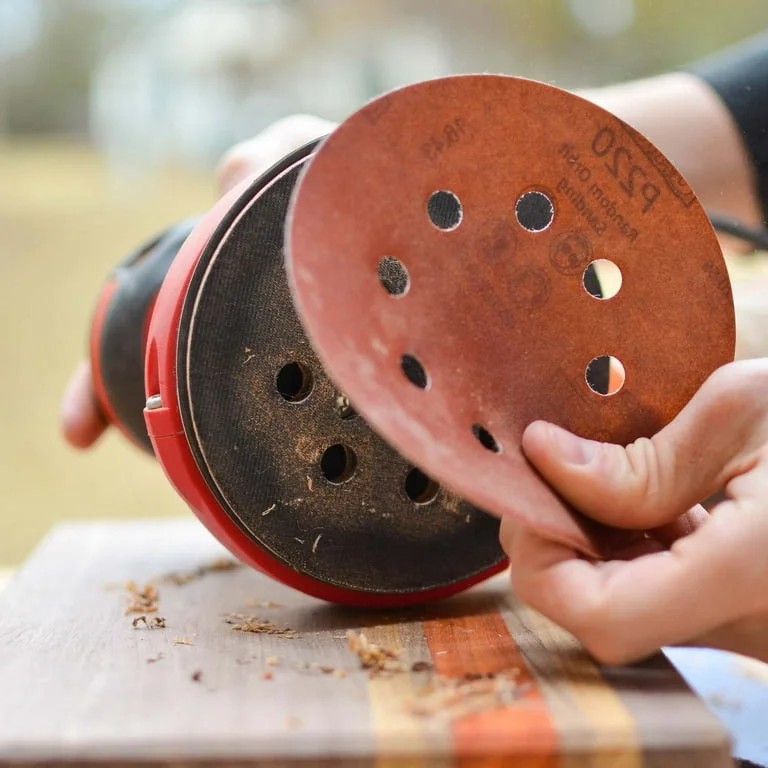
First, clean the sanding pad to remove dust and debris. Align the disc’s center hole with the pad’s center. Press the disc firmly onto the pad. The hooks on the pad will catch the loops on the disc. This creates a strong bond for sanding.
How To Remove Hook And Loop Sanding Discs
To remove, grip the disc edge firmly. Pull it straight off the sanding pad. Avoid twisting or bending too hard to protect the pad. If the disc is stuck, gently lift from one side. The loops separate easily from the hooks.
Benefits Of Easy Disc Changes
Quick disc changes save time during projects. They reduce downtime for sanding tool adjustment. This system also lowers the risk of damage to the sanding pad. It keeps work smooth and helps maintain disc life.
Best Uses And Applications
Hook and loop sanding discs offer versatile and efficient solutions for various sanding tasks. Their design allows quick changes and secure attachment to sanding tools. This feature saves time and improves workflow. These discs perform well on different surfaces, making them popular in many industries and home projects.
Woodworking And Furniture Refinishing
Hook and loop sanding discs are ideal for smoothing wood surfaces. They remove old finishes, paint, and rough edges efficiently. These discs help prepare wood for staining or painting. They also work well on delicate furniture pieces without damaging the surface.
Automotive And Metalwork
These sanding discs handle metal surfaces smoothly. They remove rust, paint, and oxidation from car bodies and metal parts. Their strong grip prevents slipping during use. This makes them perfect for automotive repair and maintenance jobs. Metalworkers use them to shape and polish metal pieces.
Drywall And Plaster Repair
Hook and loop discs are great for drywall sanding tasks. They smooth joint compound and plaster quickly. Their easy attachment allows frequent disc changes for different grit levels. This speeds up finishing work on walls and ceilings. The discs also reduce dust buildup during sanding.
Home Improvement And Diy Projects
These discs fit many sanding tools used in home projects. They work well on wood, metal, and painted surfaces. DIYers use them for furniture restoration, door sanding, and floor refinishing. Their convenience and efficiency make home improvement easier and cleaner.
Fine Detailing And Precision Work
The discs come in various grits for detailed sanding jobs. They help shape edges and corners with precision. This is useful in crafts, model making, and small repairs. Their secure attachment ensures steady performance on intricate surfaces.
Credit: www.aliexpress.com
Maintaining And Reusing Discs
Maintaining and reusing hook and loop sanding discs can save money and improve efficiency. Proper care extends the life of the discs. It also keeps sanding performance consistent. Simple steps help keep these discs in good shape for many uses.
Cleaning Hook And Loop Sanding Discs
Remove dust and debris after each use. Use a soft brush or compressed air to clean the discs. Avoid water or harsh chemicals, which can damage the abrasive surface. Clean discs stick better and work more effectively.
Storing Discs Correctly
Keep discs in a dry, cool place away from direct sunlight. Store discs flat or hanging to prevent warping. Proper storage prevents damage to the hook and loop backing. This practice helps maintain their grip and sanding power.
Inspecting Discs For Wear
Check discs regularly for tears or worn spots. Replace discs that no longer stick well or sand evenly. Using damaged discs can harm your project’s surface. Regular inspection ensures safe and effective sanding every time.
Reusing Discs For Multiple Tasks
Use discs first on rough surfaces to maximize their life. Save discs with less wear for finer sanding jobs. Rotating discs between tasks helps avoid premature wear. This approach gets the most value from each disc.
Credit: www.walmart.com
Frequently Asked Questions
What Does Hook And Loop Sanding Disc Mean?
Hook and loop sanding discs use Velcro-like hooks and loops to quickly attach and remove discs from sanders. They offer easy disc changes and reuse.
What Is The Difference Between Hook And Loop And Stick On Sandpaper?
Hook and loop sandpaper attaches with Velcro hooks, allowing easy removal and reuse. Stick-on sandpaper uses adhesive for a permanent bond.
Is Hook And Loop Sandpaper The Same As Velcro?
Hook and loop sandpaper uses a fastening system similar to Velcro. Both have tiny hooks and loops. This design allows easy attachment and removal. However, Velcro is a brand name, while hook and loop describes the fastening type used in sanding discs.
Can You Use Regular Sandpaper On A Hook And Loop Sander?
Regular sandpaper lacks hook and loop backing, so it won’t securely attach to a hook and loop sander. Use compatible discs for proper fit and safety.
What Are Hook And Loop Sanding Discs?
Hook and loop sanding discs are abrasive pads that stick to sanders using Velcro-like backing.
Conclusion
Hook and loop sanding discs offer quick and easy sanding changes. They stick firmly yet remove without hassle. These discs save time and effort during projects. Their reusable nature makes them cost-effective. Perfect for both beginners and experienced users. Choosing the right disc improves sanding results.
Simple to use and widely available in stores. Using them can make sanding smoother and faster. Consider hook and loop discs for your next task. They bring convenience and efficiency to sanding work.
{ “@context”: “https://schema.org”, “@type”: “Article”, “headline”: “What are Hook And Loop Sanding Discs: Ultimate Guide for Smooth Finishes”, “description”: “What are hook and loop sanding discs? They are abrasive pads with a reusable fastening system used for efficient sanding and easy disc changes.”, “url”: “https://www.powertoolstoday.com/what-are-hook-and-loop-sanding-discs/”, “datePublished”: “2025-12-10”, “dateModified”: “2026-03-18”, “author”: { “@type”: “Organization”, “name”: “Power Tools Today”, “url”: “https://www.powertoolstoday.com” }, “publisher”: { “@type”: “Organization”, “name”: “Power Tools Today”, “url”: “https://www.powertoolstoday.com” }, “mainEntityOfPage”: { “@type”: “WebPage”, “@id”: “https://www.powertoolstoday.com/what-are-hook-and-loop-sanding-discs/” }, “image”: { “@type”: “ImageObject”, “url”: “https://www.powertoolstoday.com/wp-content/uploads/2025/11/what-are-hook-and-loop-sanding-discs.jpg” } }{ “@context”: “https://schema.org”, “@type”: “Article”, “headline”: “What are Hook And Loop Sanding Discs: Ultimate Guide for Smooth Finishes”, “description”: “What are hook and loop sanding discs? They are abrasive pads with a reusable fastening system used for efficient sanding and easy disc changes.”, “url”: “https://www.powertoolstoday.com/what-are-hook-and-loop-sanding-discs/”, “datePublished”: “2025-12-10”, “dateModified”: “2026-03-19”, “author”: { “@type”: “Organization”, “name”: “Power Tools Today”, “url”: “https://www.powertoolstoday.com” }, “publisher”: { “@type”: “Organization”, “name”: “Power Tools Today”, “url”: “https://www.powertoolstoday.com” }, “mainEntityOfPage”: { “@type”: “WebPage”, “@id”: “https://www.powertoolstoday.com/what-are-hook-and-loop-sanding-discs/” }, “image”: { “@type”: “ImageObject”, “url”: “https://www.powertoolstoday.com/wp-content/uploads/2025/11/what-are-hook-and-loop-sanding-discs.jpg” } }nn