
Last Updated: March 19, 2026
When you’re ready to drill into concrete, choosing the right drill bit can make all the difference between a smooth job and a frustrating mess. You might wonder, “What drill bit for concrete should I use to get the job done quickly and effectively?” Whether you’re hanging shelves, installing anchors, or tackling a major renovation, picking the correct bit ensures your work is precise and your tools last longer.
You’ll discover exactly which drill bits work best for different types of concrete projects, how to match them with your drill, and tips to avoid common mistakes. Keep reading to make your next concrete drilling task easier and more successful.
Types Of Drill Bits
Choosing the right drill bit is key for drilling into concrete. Different bits suit different tasks. Understanding the types helps you work faster and safer.
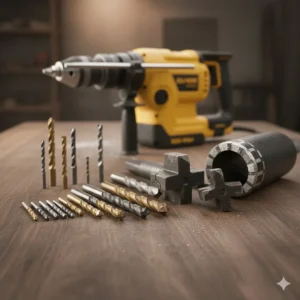
Concrete is tough, so regular bits wear out fast. Special drill bits can handle the hardness and roughness of concrete.
Carbide-tipped Drill Bits
Carbide-tipped bits are very strong. They have a carbide tip that stays sharp longer. These bits cut through concrete easily. They work well with hammer drills. Ideal for most concrete drilling jobs.
Masonry Drill Bits
Masonry bits are made for bricks and concrete blocks. They have a pointed tip to break hard surfaces. These bits are good for light to medium drilling. They work with regular drills and hammer drills.
Diamond Drill Bits
Diamond bits have tiny diamond particles on the tip. They cut very clean and smooth holes. Best for tiles or concrete with stones. Use them for precise and neat drilling jobs.
Rotary Hammer Drill Bits
Rotary hammer bits are heavy-duty. They fit special rotary hammer drills. These bits break concrete quickly and deeply. Perfect for large or tough drilling tasks.
Carbide-tipped Masonry Bits
Carbide-tipped masonry bits are the top choice for drilling into concrete. These bits have tips made of carbide, a very hard material. This helps them cut through tough surfaces like concrete, brick, and stone with ease.
The carbide tip stays sharp longer than regular steel bits. This means they last through many jobs without wearing out quickly. They also handle high-speed drilling and hammer action well, making the process faster and smoother.
Durability And Strength
Carbide tips resist wear and heat during drilling. Their hardness prevents chipping and dulling. This durability makes them reliable for heavy-duty work on concrete walls and floors.
Compatibility With Hammer Drills
These bits work best with hammer drills. The hammer action helps the carbide tip break the concrete while the drill spins. This combination speeds up drilling and reduces effort.
Common Sizes And Uses
Carbide-tipped masonry bits come in many sizes. Small bits create holes for anchors and screws. Larger bits make openings for pipes and cables. They fit most concrete drilling needs.
Sds-plus Bits And Rotary Hammers
SDS-Plus bits and rotary hammers form a powerful duo for concrete drilling tasks. These tools are designed to handle tough materials like concrete, brick, and stone with ease.
SDS-Plus bits have a special shank that fits securely into rotary hammers. This design allows for better energy transfer and less slippage during drilling. The bits come with carbide tips that stay sharp longer and cut through concrete efficiently.
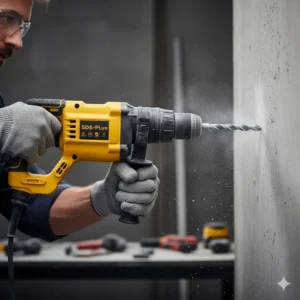
Rotary hammers use a piston mechanism to deliver strong hammering force. This action breaks the concrete as the bit drills in, speeding up the process. They are more effective than standard hammer drills for heavy-duty work.
Sds-plus Bit Features
SDS-Plus bits have grooves that lock the bit firmly in the hammer. This prevents wobbling and improves control. The bits are available in various sizes for different hole diameters.
The carbide tip on SDS-Plus bits resists wear and handles high impact. It helps drill through hard concrete without dulling quickly. These bits also remove debris from the hole efficiently.
Rotary Hammer Advantages
Rotary hammers combine rotation with powerful hammer blows. This makes drilling faster and easier. They reduce user fatigue because the hammer does most of the work.
These tools often have adjustable settings for drilling or chiseling. This versatility allows using them for breaking up concrete or drilling anchor holes. Their design suits both professional and DIY projects.
Choosing Sds-plus Bits And Rotary Hammers
Select SDS-Plus bits based on hole size and depth needed. For most home projects, a 1/4-inch to 1/2-inch bit works well. Make sure the rotary hammer matches the bit size for proper fit.
Using the right combination ensures efficient drilling and longer tool life. It also reduces the risk of bit breakage and damage to the material. SDS-Plus bits and rotary hammers offer reliable solutions for concrete drilling needs.
Sds-max Bits For Heavy Duty
SDS-Max bits are designed for heavy-duty drilling in concrete. These bits fit into rotary hammers with SDS-Max chucks. They offer excellent power and durability for tough jobs.
They have a larger diameter and longer length than SDS-Plus bits. This helps drill deep holes in hard concrete and masonry. SDS-Max bits handle demanding tasks like anchoring and demolition.
Sds-max Bit Design And Features
SDS-Max bits have a special shank with grooves. These grooves lock the bit firmly in the hammer. This prevents slipping during heavy use. The tips are often made of carbide for extra strength.
The spiral design removes dust and debris while drilling. This keeps the hole clean and drilling efficient. The bits come in various sizes for different hole diameters.
Best Uses For Sds-max Bits
Use SDS-Max bits for drilling large holes in concrete walls. They work well for installing rebar, anchors, and bolts. These bits are ideal for construction and renovation projects.
They also work for chiseling and breaking concrete when attached to demolition hammers. SDS-Max bits perform well in tough, thick concrete slabs and foundations.
Choosing The Right Sds-max Bit
Pick an SDS-Max bit based on hole size and material hardness. Longer bits reach deeper areas but require more power. Consider the hammer’s compatibility and the job’s demands.
Look for carbide tips for longer life. Select bits with good dust removal design for faster drilling. Proper bit choice saves time and prevents damage to tools.
Diamond Core Bits For Large Holes
Diamond core bits are the best choice for drilling large holes in concrete. They cut through tough materials cleanly and quickly. These bits are strong and last longer than regular drill bits. They help make precise, smooth holes without cracking the concrete.
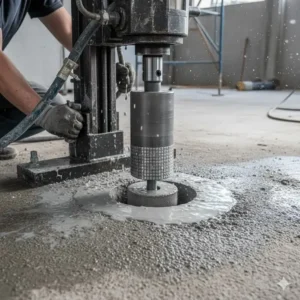
Using diamond core bits saves time and effort. They work well on thick concrete walls and floors. The bits have tiny diamond particles on the edge, which grind away the concrete as you drill. This design provides efficient drilling with less dust and debris.
What Are Diamond Core Bits?
Diamond core bits are hollow drill bits with diamond segments on the tip. These bits remove a solid cylinder of concrete, creating a large hole. They are often used in construction and remodeling projects. Their hollow design allows easy removal of the drilled core.
Advantages Of Using Diamond Core Bits
Diamond core bits offer fast drilling with less noise and vibration. They produce clean, accurate holes with smooth edges. The bits stay sharper longer and resist wear. This reduces the need for frequent replacements and lowers overall costs.
Choosing The Right Size
Select diamond core bits based on the hole diameter needed. They come in many sizes, from small to very large. Match the bit size with the drill and the job requirements. Using the correct size ensures better control and safer drilling.
Tips For Using Diamond Core Bits
Keep the bit cool by using water while drilling. This prevents overheating and extends bit life. Apply steady pressure but avoid forcing the drill. Let the bit do the work to avoid damage. Use a drill with enough power for large bits.
Choosing The Right Drill Bit Size
Choosing the right drill bit size for concrete is key for a successful project. The drill bit must fit the anchor or screw you plan to use. A bit too small may cause the hole to be tight or break the anchor. A bit too large will make the anchor loose and weak.
Proper size ensures the drill bit cuts cleanly and efficiently. It also helps the drill last longer and prevents damage to your concrete surface.
Measuring The Anchor Or Fastener Diameter
Start by checking the diameter of your anchor or fastener. This number guides the drill bit size. Match the drill bit diameter with the anchor size for a snug fit. Use a caliper or ruler for a precise measurement.
Considering The Hole Depth
Pick a drill bit long enough for the anchor depth. The hole should be slightly deeper than the anchor length. This allows room for dust and ensures the anchor sits fully in the hole.
Adjusting For Hammer Drill Use
Hammer drills require stronger and often slightly larger bits. Confirm the bit is made for hammer drilling concrete. Carbide-tipped bits work best for this task. Using the correct size and type reduces wear and improves drilling speed.
Tips For Effective Concrete Drilling
Drilling into concrete needs the right technique and tools. Using proper tips helps complete the job faster and keeps the drill bit in good shape.
Understanding how to handle the drill and bit ensures clean holes without damage. Here are some useful tips to improve your concrete drilling work.
Choose The Right Drill Bit
Use carbide-tipped or diamond-tipped bits for concrete. These bits are tough and cut through hard surfaces easily. Avoid using regular steel bits because they wear out quickly.
Use A Hammer Drill
A hammer drill combines rotation with a pounding action. This action breaks the concrete while drilling, making the process smoother. Regular drills may struggle and overheat on concrete.
Start With A Small Pilot Hole
Begin drilling with a smaller bit to create a pilot hole. This guides the larger bit and reduces stress on the tool. It also helps keep the hole straight and precise.
Keep The Drill Bit Cool
Concrete drilling creates heat that can damage bits. Pause often to let the bit cool down. Use water spray or a damp cloth to reduce heat during long drilling sessions.
Apply Steady Pressure
Press the drill gently but firmly. Too much force can break the bit or damage the drill. Let the drill do the work and keep your hands steady for better control.
Clear Out Dust Frequently
Concrete dust blocks the drill’s progress. Pull the bit out regularly to remove dust from the hole. Use a vacuum or compressed air to keep the hole clean and improve drilling speed.
Maintaining And Replacing Drill Bits
Maintaining and replacing drill bits is essential for effective concrete drilling. Proper care extends the life of your drill bits and keeps them working well. Worn or damaged bits slow down work and can harm the drill or surface.
Regular inspection and cleaning prevent buildup and damage. Knowing when to replace bits ensures safety and efficiency on the job.
Cleaning Drill Bits After Use
Remove dust and debris from bits after each use. Use a wire brush or cloth to clean the tip and shaft. Avoid water, which can cause rust. Proper cleaning keeps bits sharp and ready.
Sharpening Concrete Drill Bits
Sharp bits drill faster and with less effort. Use a bench grinder or sharpening tool to restore the tip. Keep the original angle of the bit tip. Sharpen carefully to avoid weakening the bit.
Signs To Replace Drill Bits
Replace bits if they are chipped, cracked, or blunt. Bits that overheat or become dull reduce drilling speed. If sharpening does not help, it is time for a new bit. Using fresh bits improves drilling quality.
Storing Drill Bits Properly
Store bits in a dry place to avoid rust. Use a bit holder or case to keep them organized. Proper storage prevents damage and loss. Easy access saves time during work.
Conclusion
Choosing the right drill bit makes concrete drilling easier and safer. Carbide-tipped bits work best for tough surfaces like concrete. Use a hammer drill for faster, cleaner holes. Always wear safety gear and follow drill instructions. Proper tools save time and prevent damage.
Now, you can drill concrete with confidence and ease.
Frequently Asked Questions
Carbide-tipped masonry drill bits work best for most concrete tasks with a hammer drill. For tougher jobs, use SDS-Plus or SDS-Max bits. Diamond core bits suit large holes in hard concrete.
A concrete drill bit has a carbide tip and a thick, spiral design. It often says “masonry” or “carbide-tipped” on the packaging.
Drill slowly at first to create a guide hole, then increase speed with steady pressure. Avoid overheating the bit.
Using a normal drill bit on concrete can damage the bit and drill. Use carbide-tipped masonry bits for effective, safe drilling.
Carbide-tipped masonry drill bits are best for drilling into concrete due to their strength.
