
Last Updated: March 21, 2026
If you’re diving into MIG welding, one question you’ll quickly face is: what gas does a MIG welder use? Choosing the right gas isn’t just a technical detail—it directly affects the quality, strength, and appearance of your welds.
Whether you’re working with steel, aluminum, or stainless steel, the gas you pick can make your job easier or turn it into a frustrating challenge. You’ll discover the most common gases used in MIG welding, why each one matters, and how to select the perfect option for your project.
Stick with me, and you’ll gain the confidence to weld like a pro with the right gas fueling your work.
Common Mig Shielding Gases
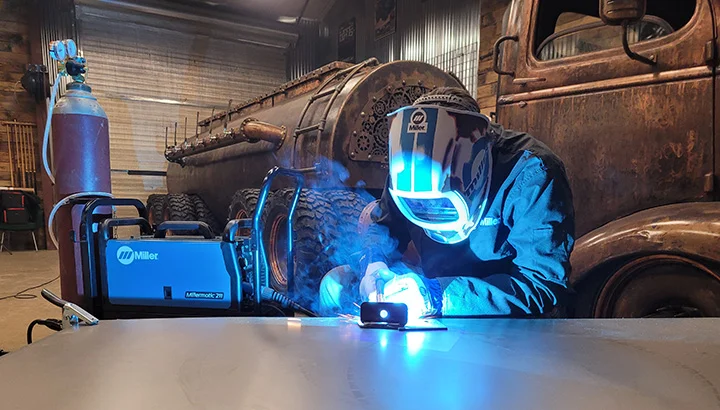
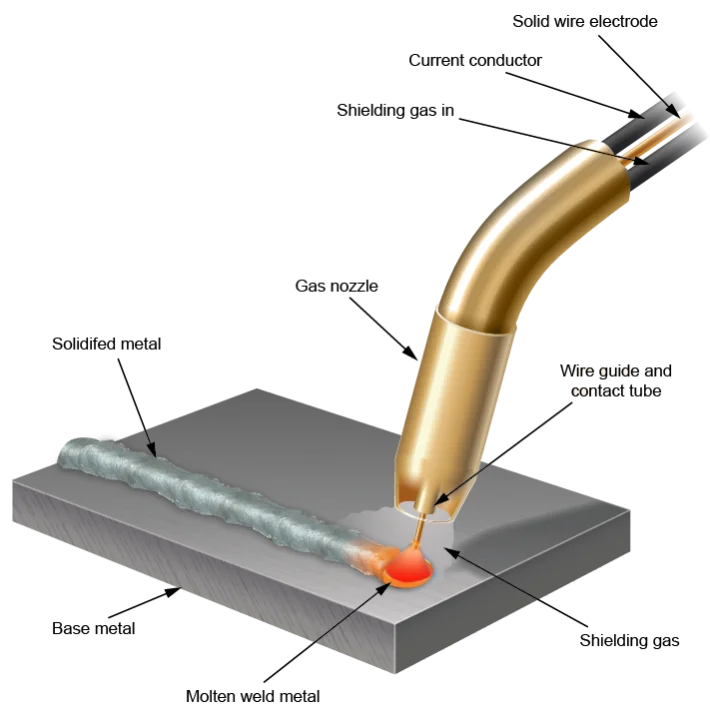
MIG welding uses shielding gases to protect the weld from contamination. These gases create a shield around the weld pool. This prevents oxygen and other gases from weakening the weld. Different gases suit different metals and welding styles. Choosing the right gas improves weld quality and strength.
Pure Argon
Pure argon is the most common shielding gas for MIG welding aluminum. It creates a clean and stable arc. This gas works well for both spray and pulsed spray transfer modes. Argon helps produce smooth and strong welds on aluminum.
Argon-CO2 MixturesThis mix is popular for welding mild steel. It offers a balance between weld quality and cost. A common blend is 75% argon and 25% CO2. This mixture reduces spatter and creates a better-looking weld bead. It also provides good penetration and arc stability.
Pure CO2Pure CO2 is the cheapest option for MIG welding steel. It produces a hotter arc and deeper penetration. However, it creates more spatter and a rougher weld. This gas suits projects where appearance is less important, like structural work.
Argon-helium Mixtures
Adding helium to argon increases heat and penetration. This mix is ideal for thicker aluminum and stainless steel. It improves weld speed and bead shape. The helium content varies depending on metal thickness and welding needs.
Credit: www.millerwelds.com
Gas Choices For Mild Steel
MIG welding mild steel needs the right shielding gas. The gas protects the weld from air contamination. It also influences weld quality and appearance. Choosing the best gas improves weld strength and reduces spatter. Several gas options work well with mild steel. Each choice has unique benefits and trade-offs.
Pure Carbon Dioxide (CO2)Pure CO2 is the most affordable gas for MIG welding mild steel. It creates a deep weld penetration. It also produces more spatter and a rougher weld surface. This gas works well for projects where weld appearance is not critical. It is popular in heavy fabrication and repair work.
Argon-CO2 MixturesThis blend combines argon and carbon dioxide gases. It offers better weld stability than pure CO2. The mix reduces spatter and creates a smoother weld bead. Common blends contain 75% argon and 25% CO2. This gas is ideal for general mild steel welding tasks. It balances cost, weld quality, and ease of use.
Argon-Oxygen-CO2 MixturesAdding a small amount of oxygen to argon-CO2 improves arc stability. Oxygen content usually stays below 5%. This mixture helps produce cleaner welds and better bead shape. It suits applications needing higher weld quality. Users must handle oxygen carefully due to its reactive nature.
Options For Aluminum Welding
Aluminum welding needs specific gas choices for best results. The right gas protects the weld and helps create strong joints. Different gases suit various aluminum thicknesses and welding techniques. Understanding these options improves weld quality and reduces defects.
Pure Argon For Aluminum Welding
Pure argon is the most common gas for aluminum MIG welding. It provides a clean, stable arc. Argon works well for thin to medium aluminum sheets. It helps create smooth weld beads with minimal spatter. This gas supports both spray and pulsed spray transfer. Pure argon is easy to use and widely available.
Argon-helium Mixtures
Adding helium to argon raises the arc temperature. This hotter arc penetrates thicker aluminum better. Common mixes contain 25% to 75% helium with argon. The helium blend improves weld speed and bead shape. It also reduces oxidation on the weld surface. Use this mix for heavy-duty aluminum projects.
Carbon Dioxide And Other Gases
CO2 is generally not recommended for aluminum welding. It causes rough welds and more spatter. Sometimes small amounts of oxygen are added to argon. This helps improve arc stability and wetting. But too much oxygen can weaken aluminum welds. Always follow gas supplier guidelines for best results.
Gases Used With Stainless Steel
Stainless steel welding needs special gases to protect the weld pool. These gases stop oxidation and help create strong, clean welds. The choice of gas affects weld quality, appearance, and penetration.
Different gas mixes suit different stainless steel types and thicknesses. Using the right gas mix leads to better results with fewer defects.
Pure Argon For Stainless Steel
Pure argon is a common choice for welding thin stainless steel. It produces a smooth, stable arc. This gas gives a clean weld with minimal spatter. Argon works well for short-circuit transfer welding methods.
Argon-carbon Dioxide Mix
A mix of argon and carbon dioxide offers deeper penetration for thicker stainless steel. Usually, it contains 90% argon and 10% carbon dioxide. This blend improves weld strength but can cause more spatter than pure argon.
Argon-helium Mixtures
Adding helium to argon heats the arc and boosts penetration. This mix is great for thicker stainless steel or high-speed welding. Helium increases weld pool fluidity, helping better fusion and bead shape.
Tri-gas Mixes For Stainless Steel
Tri-gas blends combine argon, carbon dioxide, and oxygen. Small oxygen amounts improve arc stability and bead appearance. These mixes balance weld quality and speed, ideal for stainless steel production.
Gas Mixes For Other Metals
MIG welding uses different gas mixes depending on the metal type. The right gas mix helps protect the weld and improve quality. Each metal needs a specific gas blend for the best results.
This section explains gas mixes for metals other than steel and aluminum. Understanding these options ensures strong, clean welds.
Pure Argon For Copper And Magnesium
Pure argon is the preferred gas for welding copper and magnesium. It creates a smooth, stable arc. Argon shields the weld from oxygen and nitrogen. This prevents contamination and weak welds. Argon also helps create a clean, shiny finish. It works well with solid wires used for these metals.
Argon-helium Mix For Copper Alloys
Adding helium to argon increases heat and penetration. This mix suits copper alloys that need deeper welds. The helium raises the arc temperature for better fusion. This gas blend improves weld bead shape and reduces spatter. It also helps when welding thicker sections of copper alloys.
Argon-helium Mix For Nickel Alloys
Nickel alloys require a strong, hot arc for good welds. An argon-helium mix delivers this heat and protection. It prevents oxidation and ensures a smooth weld pool. This gas blend supports spray arc transfer for cleaner welds. It enhances weld strength and appearance on nickel alloys.
Pros And Cons Of Co2 Gas
CO2 gas is a popular choice for MIG welding. It offers unique benefits but also some drawbacks. Understanding these helps welders pick the right gas for their projects.
CO2 is a pure shielding gas. It protects the weld pool from contamination during welding. This gas is widely used for welding mild steel. It creates deep weld penetration and strong joints. CO2 is less expensive than mixed gases. This makes it attractive for budget-conscious users.
Advantages Of Using Co2 Gas
CO2 provides excellent penetration for strong welds. It produces a stable arc and good weld bead shape. This gas reduces the cost of welding gas significantly. It is easy to find and refill in most places. CO2 works well with thicker steel materials. It also helps speed up the welding process. The gas flow rate is easy to control during welding.
Disadvantages Of Using Co2 Gas
Pure CO2 can cause more spatter during welding. This means extra cleaning after welding is necessary. The weld bead may appear rougher than with mixed gases. CO2 can lead to more oxidation and porosity risks. It is not ideal for thin or delicate materials. The arc can be less smooth and harder to control. Sometimes, it produces more fumes than argon mixes.
Argon And Argon-helium Blends
Argon and argon-helium blends are popular gases used in MIG welding. They protect the weld area from contamination. These gases help create a stable arc and improve weld quality. Their properties make them suitable for different metals and welding conditions.
Pure Argon For Mig Welding
Pure argon is a common choice for welding non-ferrous metals like aluminum and copper. It produces a smooth, clean arc that is easy to control. This gas helps reduce spatter and creates a better-looking weld. Argon works well with both spray and pulsed spray transfer modes.
Argon-helium Blends For Deeper Penetration
Adding helium to argon raises the heat of the welding arc. This blend is ideal for thicker metals that need deeper weld penetration. It improves weld bead shape and increases welding speed. Argon-helium mixes are especially useful for aluminum and some copper alloys.
Choosing Between Argon And Argon-helium
Use pure argon for thinner materials and general welding tasks. Select argon-helium blends for heavier gauge metals requiring more heat. The right choice depends on the metal type and welding technique. Both gases ensure clean welds with minimal defects.
Credit: www.cwbgroup.org
Choosing Gas For Diy Mig Welding
Selecting the right gas is important for successful DIY MIG welding. The gas shields the weld pool from air and contaminants. This protection helps produce clean, strong welds. Different gases affect weld quality and appearance. Understanding which gas suits your project saves time and material.
Some gases work better on certain metals and thicknesses. Others are easier to use and more affordable. Choosing the correct gas improves your welding experience and results. Here are common options and their benefits for DIY welders.
Pure Argon For Aluminum
Pure argon is the best choice for aluminum welding. It creates a stable arc and smooth welds. This gas helps avoid contamination and oxidation. Argon is easy to control and works well on thin and thick aluminum. It is a common, reliable option for home projects.
Argon-co2 Mix For Mild Steel
A mix of argon and carbon dioxide suits mild steel welding. This blend offers a balance of weld quality and cost. It produces less spatter than pure CO2 alone. The welds are strong with good penetration. This gas mix is popular among DIY welders for steel tasks.
100% Co2 For Budget Welding
Pure carbon dioxide is the cheapest shielding gas for MIG welding. It creates a hotter arc and deeper penetration. Welds with CO2 have more spatter and rougher appearance. This gas is useful for projects where looks are not critical. It is a practical choice for beginners or practice work.
Argon-helium Mix For Thicker Metals
Adding helium to argon increases heat and weld penetration. This mix works well for thicker aluminum and stainless steel. The hotter arc helps weld thicker sections faster. Helium blends may cost more but improve welding on tough metals. Consider this mix for advanced DIY projects.
Gas Flow Rate Tips
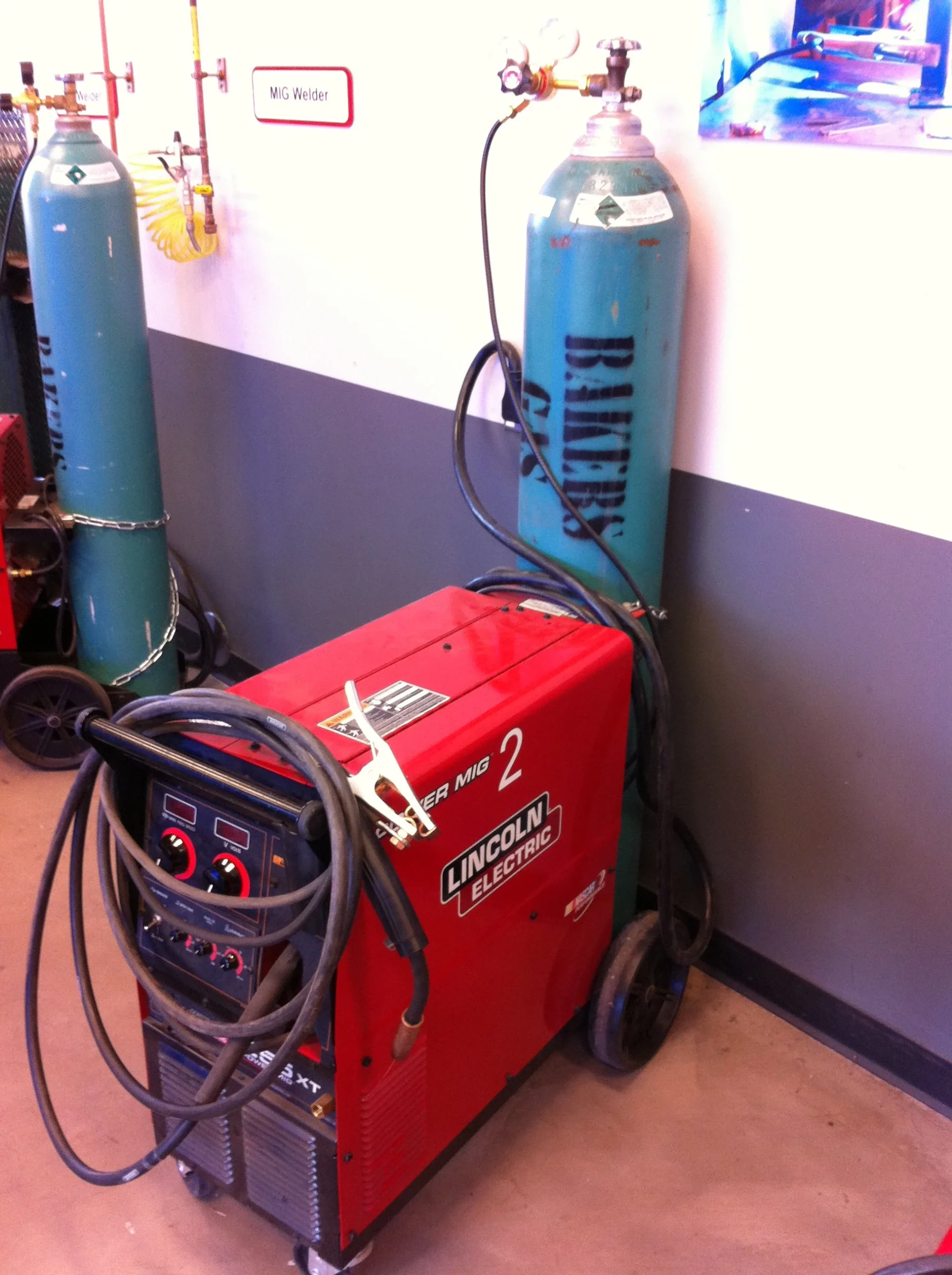
Setting the right gas flow rate is important for good welds. Too low flow lets air contaminate the weld. Too high flow wastes gas and causes turbulence. Most MIG welders use 20 to 25 cubic feet per hour (CFH). Adjust flow based on nozzle size and outdoor conditions.
Credit: www.instructables.com
Frequently Asked Questions
What Kind Of Gas Do I Need For Mig Welding?
MIG welding uses shielding gases like 75-95% Argon with CO2 for steel. Pure Argon suits aluminum, and Argon-Helium blends work for thicker metals. CO2 alone is cheaper but causes more spatter. Choose gas based on metal type and weld quality needs.
Is Co2 Or Argon Better For Mig Welding?
CO2 offers deeper penetration and lower cost but causes more spatter. Argon provides a stable arc with cleaner, smoother welds. Argon suits thinner metals and aesthetic welds; CO2 fits thicker steel where cost matters more. Choose based on material, weld quality, and budget needs.
What Is The Difference Between 75 25 And 90 10 Welding Gas?
75/25 welding gas contains 75% argon and 25% CO2, offering a stable arc and smoother welds. 90/10 has 90% argon and 10% CO2, producing less spatter and a cleaner weld with better bead appearance. Choose based on weld quality and cost needs.
Can You Mig Weld Without Argon?
MIG welding needs a shielding gas to protect the weld pool. Argon or argon mixes provide the best results. Using 100% CO2 is possible but causes more spatter and rougher welds. Welding without any shielding gas is not recommended as it leads to poor weld quality.
What Gas Is Commonly Used For Mig Welding Steel?
Carbon dioxide (CO2) or a mix of argon and CO2 is most common for welding steel.
Conclusion
Choosing the right gas is key for quality MIG welding. Argon or argon blends work best for steel, aluminum, and stainless steel. Pure argon suits aluminum and some metals well. Different gases affect weld strength, appearance, and spatter levels. Knowing your metal type helps pick the proper shielding gas.
Using the correct gas protects the weld from contamination. Always check gas compatibility with your welder settings. This ensures cleaner, stronger, and safer welds every time.
{ “@context”: “https://schema.org”, “@type”: “Article”, “headline”: “What Gas Does a Mig Welder Use: Essential Guide for Perfect Welds”, “description”: “What gas does a MIG welder use? Typically, MIG welders use argon, CO2, or a mix to shield the weld and ensure strong, clean joints.”, “url”: “https://www.powertoolstoday.com/what-gas-does-a-mig-welder-use/”, “datePublished”: “2025-12-01”, “dateModified”: “2026-03-18”, “author”: { “@type”: “Organization”, “name”: “Power Tools Today”, “url”: “https://www.powertoolstoday.com” }, “publisher”: { “@type”: “Organization”, “name”: “Power Tools Today”, “url”: “https://www.powertoolstoday.com” }, “mainEntityOfPage”: { “@type”: “WebPage”, “@id”: “https://www.powertoolstoday.com/what-gas-does-a-mig-welder-use/” }, “image”: { “@type”: “ImageObject”, “url”: “https://www.powertoolstoday.com/wp-content/uploads/2025/11/what-gas-does-a-mig-welder-use.webp” } }{ “@context”: “https://schema.org”, “@type”: “Article”, “headline”: “What Gas Does a Mig Welder Use: Essential Guide for Perfect Welds”, “description”: “What gas does a MIG welder use? Typically, MIG welders use argon, CO2, or a mix to shield the weld and ensure strong, clean joints.”, “url”: “https://www.powertoolstoday.com/what-gas-does-a-mig-welder-use/”, “datePublished”: “2025-12-01”, “dateModified”: “2026-03-19”, “author”: { “@type”: “Organization”, “name”: “Power Tools Today”, “url”: “https://www.powertoolstoday.com” }, “publisher”: { “@type”: “Organization”, “name”: “Power Tools Today”, “url”: “https://www.powertoolstoday.com” }, “mainEntityOfPage”: { “@type”: “WebPage”, “@id”: “https://www.powertoolstoday.com/what-gas-does-a-mig-welder-use/” }, “image”: { “@type”: “ImageObject”, “url”: “https://www.powertoolstoday.com/wp-content/uploads/2025/11/what-gas-does-a-mig-welder-use.webp” } }nn