
Last Updated: March 21, 2026
If you’re new to welding or thinking about starting a project that involves joining metal, you might have come across the term “MIG welder” and wondered, what exactly is it? Understanding what a MIG welder is can open the door to faster, easier, and more efficient welding—especially if you want solid results without a steep learning curve.
You’ll discover how a MIG welder works, why it’s a favorite among beginners and professionals alike, and how it can help you tackle your next metalwork project with confidence. Keep reading to unlock the basics and decide if a MIG welder is the right tool for your needs.
Credit: fractory.com
Basics Of Mig Welding
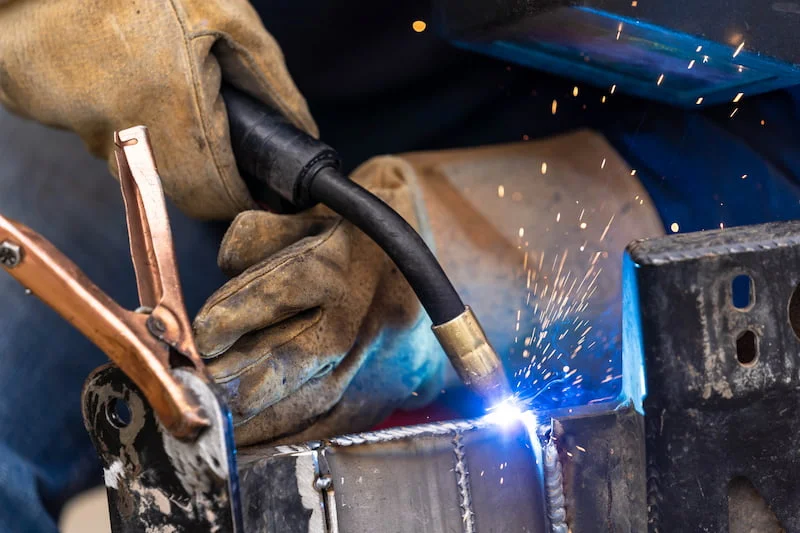
MIG welding is a popular welding method used worldwide. It joins metals by melting them with an electric arc. A wire electrode feeds continuously through the welding gun. This wire melts and fuses the base metals together.
The process uses a shielding gas to protect the weld from contamination. This gas flows around the weld area, keeping air away. MIG welding is fast and efficient for many types of projects.
What Is Mig Welding?
MIG stands for Metal Inert Gas welding. It is also called Gas Metal Arc Welding (GMAW). The welder feeds a metal wire through a gun. The wire melts and joins the metal pieces. A gas shield protects the molten metal from air.
How Does Mig Welding Work?
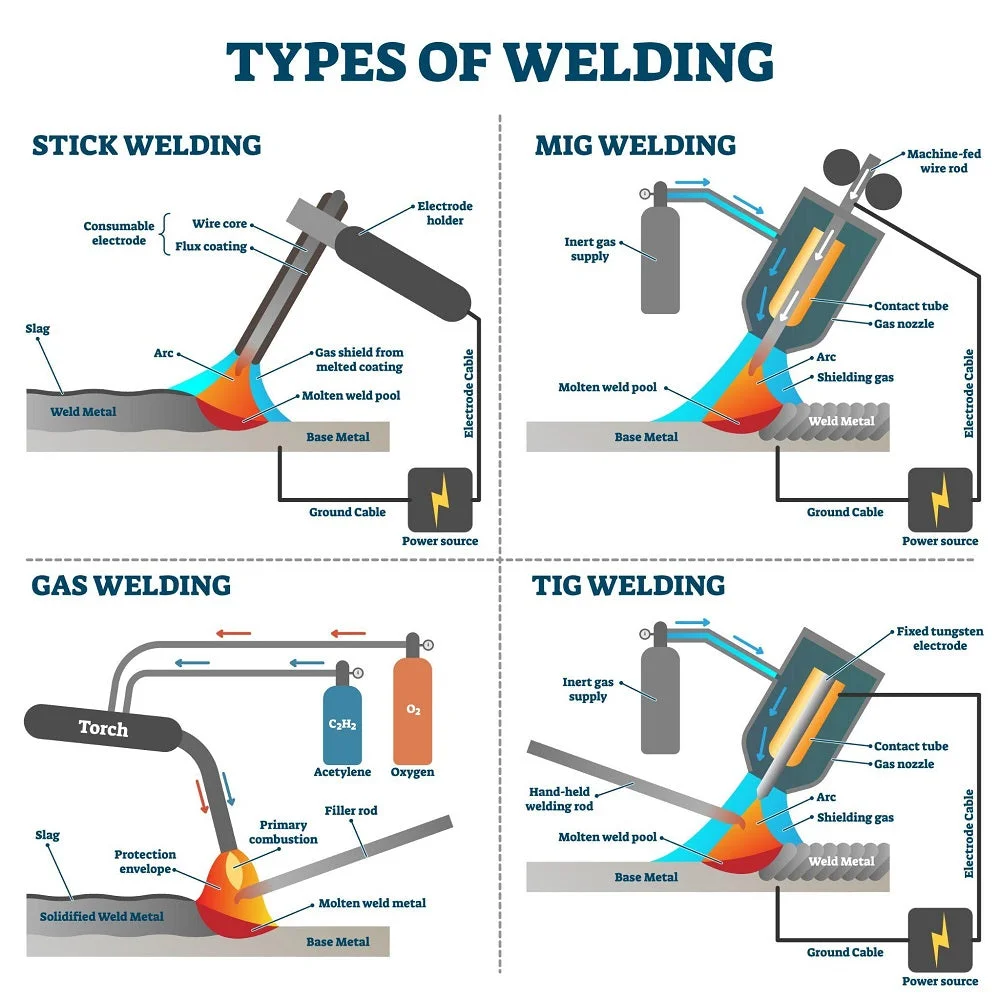
The MIG welder uses electricity to create an arc. This arc melts the wire and the metal parts. The wire feeds automatically to keep the arc steady. The shielding gas flows out of the gun. It stops air from harming the weld.
Equipment Needed For Mig Welding
You need a MIG welder machine, welding gun, and wire spool. A gas tank supplies the shielding gas. You also need safety gear like a helmet and gloves. The machine controls the wire speed and electric current.
Materials Suitable For Mig Welding
MIG welding works well on steel, stainless steel, and aluminum. It handles thick and thin metals but is best for thicker pieces. The process joins metals quickly with strong, lasting welds. It suits many industries and DIY projects.
How A Mig Welder Works
Understanding how a MIG welder works helps you grasp its popularity. This welding tool uses a continuous wire to join metals quickly. It is simple and efficient, making it a favorite among beginners and professionals alike.
Feeding The Wire
The MIG welder feeds a thin wire automatically through a gun. This wire acts as both the electrode and the filler material. It melts and joins the metals as the welder moves along the seam.
The Role Of Shielding Gas
Shielding gas flows around the wire to protect the weld area. It keeps oxygen and dirt away from the molten metal. This prevents weak welds and ensures a clean finish.
Creating The Electric Arc
An electric arc forms between the wire and the metal workpiece. This arc generates intense heat, melting the wire and metal edges. The molten metal then fuses to create a strong bond.
Controlling The Weld
The welder adjusts the speed of the wire and the voltage. These settings control the heat and the weld quality. Proper control helps avoid defects like burn-through or weak spots.
Key Components Of Mig Welders
MIG welders consist of several important parts. Each part plays a key role in the welding process. Understanding these components helps you use the machine safely and effectively.
The key parts include the power source, wire feeder, welding gun, and shielding gas supply. Each works together to create a smooth and strong weld.
Power Source
The power source provides the electric current needed for welding. It controls the voltage and current to melt the metal wire. This part is essential for creating the heat that joins metals.
Wire Feeder
The wire feeder pushes the welding wire through the gun at a steady speed. This wire acts as the filler material to join the metals. A smooth wire feed prevents interruptions during welding.
Welding Gun
The welding gun directs the wire and electric arc to the welding area. It also delivers the shielding gas to protect the weld from air. The gun must be easy to handle for precise work.
Shielding Gas Supply
The shielding gas supply protects the molten weld from oxygen and contamination. Common gases include argon, carbon dioxide, or a mix of both. Proper gas flow creates strong and clean welds.
Credit: www.youtube.com
Advantages Of Mig Welding
MIG welding offers many benefits that make it popular in various industries. It is a process that feeds a wire continuously, creating strong welds quickly. This method suits beginners and professionals alike. The ease and speed of MIG welding save time and effort on most projects.
Many people choose MIG welding for its cost-effectiveness and simplicity. It works well on thicker metals and large-scale jobs. The equipment is usually less expensive, which helps reduce overall costs. MIG welding also requires less training, making it accessible for new welders.
Continuous Wire Feed For Faster Welding
The wire in a MIG welder feeds continuously. This means welds can be made without stopping. The steady flow speeds up the welding process. It works well on long seams and big projects. Fast welding increases productivity and lowers labor time.
Simple And Easy To Learn
MIG welding uses a semi-automatic process. This makes it easier to learn than other methods. New welders can quickly get good results. The straightforward technique reduces mistakes. It is a great option for beginners and hobbyists.
Cost-effective Equipment And Operation
MIG welding machines are generally less costly. The supplies, such as wire and gas, are affordable. Lower equipment prices reduce the initial investment. Less training time also cuts down costs. This makes MIG welding a budget-friendly choice.
Strong Welds On Thick Materials
MIG welding performs well on thick metals. It creates deep, strong welds that hold up under stress. This makes it ideal for heavy-duty projects. Many construction and manufacturing jobs rely on MIG welding. It provides reliable strength for structural work.
Limitations Of Mig Welding
MIG welding offers many benefits but also has some limits. Understanding these helps choose the right welding method. These limits affect where and how MIG welding works best.
Knowing the drawbacks can save time and improve results. It also helps avoid problems during welding projects.
Limited Use On Thin Metals
MIG welding can cause burn-through on thin metals. The heat is hard to control precisely. Thin sheets may warp or melt easily. This makes MIG less ideal for delicate or thin materials.
Not Suitable For Outdoor Use
MIG welding requires shielding gas to protect the weld. Wind or drafts can blow away the gas. This leads to poor weld quality and weak joints. Outdoor welding needs special setups or other welding types.
More Spatter And Cleanup
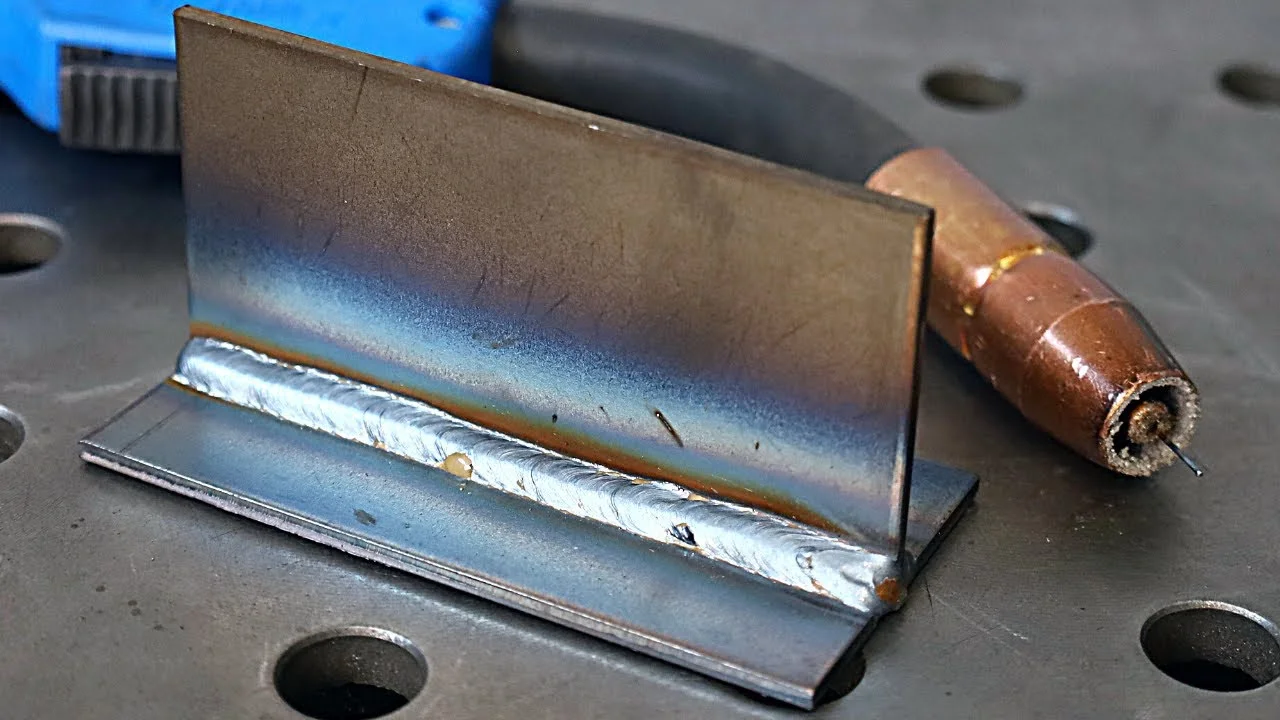
MIG welding often produces more spatter than other methods. This creates extra work cleaning the weld area. Spatter can stick to the metal and tools. It lowers the final appearance and may require grinding.
Less Precision On Complex Joints
MIG welders have less control over the weld pool. Complex or tight joints need more accuracy. TIG welding is better for fine, detailed work. MIG welding suits simpler, straight welds better.
Mig Vs Tig Welding
MIG and TIG welding are two popular welding methods. Each has unique features and uses. Understanding their differences helps you choose the right one for your project.
MIG welding is known for speed and ease. TIG welding offers precision and cleaner welds. Both have pros and cons depending on the material and skill level.
Mig Welding
MIG stands for Metal Inert Gas welding. It uses a continuous wire feed as the electrode. The wire melts and joins metals quickly. A shielding gas protects the weld from air contamination.
This method is easier to learn. It works well on thicker metals like steel and aluminum. MIG welding is fast, making it good for large projects and production work.
Common uses include automotive repair, construction, and manufacturing. It produces more spatter and less neat welds than TIG.
Tig Welding
TIG means Tungsten Inert Gas welding. It uses a non-consumable tungsten electrode to create the arc. The welder manually adds filler metal if needed. Shielding gas protects the weld area.
TIG welding requires more skill and time. It creates clean, precise welds with little spatter. It is ideal for thin metals and detailed work.
This method is common in aerospace, art, and pipe welding. TIG welds look smoother and are stronger on delicate metals.
Key Differences
- Speed: MIG is faster; TIG is slower and more controlled.
- Skill Level: MIG is beginner-friendly; TIG needs experience.
- Material Thickness: MIG suits thick metals; TIG works best on thin metals.
- Weld Appearance: TIG welds are cleaner and neater than MIG welds.
- Cost: MIG equipment is usually less expensive.
Choosing between MIG and TIG depends on your project needs. Consider speed, skill, metal type, and finish quality.
Choosing The Right Mig Welder
Choosing the right MIG welder is key for good welding results. The right machine fits your project needs and skill level. It makes welding easier and safer. This guide helps you pick a welder that suits your work and budget.
Power Source And Output
Check the power source type. Most MIG welders use electricity. Some run on 110V, others on 220V. Higher voltage welders handle thicker metals. Match the welder’s output to the materials you weld. Too little power means weak welds.
Wire Feed Speed
Wire feed speed controls how fast the wire moves. Faster speed suits bigger jobs. Slower speed works for thin metals. Look for adjustable speed settings. It gives you better control over the weld.
Portability
Consider the welder’s weight and size. Portable models are easier to move. Heavy machines stay in one place. Choose based on your workspace and job sites. Portability matters if you travel or work outside.
Duty Cycle
The duty cycle shows how long a welder can run continuously. It is shown in percentage. A higher duty cycle means longer welding time without breaks. For long projects, pick a welder with at least 60% duty cycle.
Additional Features
Look for features that improve your work. Some welders have thermal overload protection. This stops the machine from overheating. Others have digital displays for easy settings. Choose features that help your comfort and precision.
Maintenance Tips For Mig Welders
Proper maintenance keeps your MIG welder working smoothly and safely. Regular care prevents breakdowns and extends its life. Simple steps help maintain performance and save repair costs.
Clean The Nozzle And Contact Tip
Remove spatter buildup from the nozzle using a wire brush. Clean the contact tip to ensure good electrical flow. Replace worn tips to avoid poor welding quality.
Check And Replace The Wire Feed
Inspect the wire spool and feed mechanism for dirt and damage. Keep the wire free of rust or dirt. Replace any bent or kinked wire for smooth feeding.
Inspect And Tighten Connections
Look over all cable and hose connections regularly. Tighten loose fittings to prevent gas leaks and poor electrical contact. Loose connections can cause welding faults.
Keep The Drive Rollers Clean
Remove dust and wire debris from the drive rollers. Clean rollers maintain steady wire feeding. Worn rollers should be replaced to avoid wire slipping.
Check Gas Flow And Regulators
Test the shielding gas flow for proper pressure. Clean or replace clogged gas nozzles. Faulty gas flow leads to weak welds and more spatter.
Store The Welder Properly
Keep the welder in a dry, dust-free area. Protect the machine from moisture and extreme temperatures. Proper storage prevents rust and electrical problems.
Credit: simpleweld.com
Frequently Asked Questions
What Is Better, Mig Or Tig Welding?
MIG welding suits beginners and thick materials with faster, cheaper, and easier operation. TIG welding offers precise, clean, and stronger welds on thin metals but requires skill and time. Choose based on project size, material, and desired finish quality.
What Is A Mig Welder Used For?
A MIG welder joins metals using a continuous wire feed and shielding gas. It suits beginners, thick materials, and fast, large-scale projects.
Do You Need Gas For Mig Welding?
Yes, MIG welding requires shielding gas to protect the weld from contaminants. Common gases include argon or CO2. Gas ensures cleaner, stronger welds and reduces spatter. Without gas, weld quality drops, making it essential for most MIG welding applications.
What’s The Difference Between An Arc Welder And A Mig Welder?
An arc welder uses a consumable or non-consumable electrode to create heat by electric arc. A MIG welder feeds a continuous wire electrode with shielding gas, offering faster, cleaner welds. MIG welding is easier and better for beginners, while arc welding suits varied applications and materials.
What Is A Mig Welder Used For?
A MIG welder joins metal pieces quickly using a continuous wire and gas shield.
Conclusion
A MIG welder is a useful tool for joining metals quickly. It works well for beginners and big projects. The process uses a wire that feeds continuously, making welding easier. While it may create some spatter, it saves time and effort.
MIG welding fits thick materials and simple repairs best. Understanding its strengths helps you choose the right welding method. This knowledge supports safer and more effective metalwork.
Related reading: How to Set Up a MIG Welder.
{ “@context”: “https://schema.org”, “@type”: “Article”, “headline”: “What is a Mig Welder: Ultimate Guide to Welding Power Tools”, “description”: “What is a Mig Welder: a welding machine that uses a continuous wire electrode and shielding gas to join metals efficiently and with minimal spatter.”, “url”: “https://www.powertoolstoday.com/what-is-a-mig-welder/”, “datePublished”: “2025-11-30”, “dateModified”: “2026-03-18”, “author”: { “@type”: “Organization”, “name”: “Power Tools Today”, “url”: “https://www.powertoolstoday.com” }, “publisher”: { “@type”: “Organization”, “name”: “Power Tools Today”, “url”: “https://www.powertoolstoday.com” }, “mainEntityOfPage”: { “@type”: “WebPage”, “@id”: “https://www.powertoolstoday.com/what-is-a-mig-welder/” }, “image”: { “@type”: “ImageObject”, “url”: “https://www.powertoolstoday.com/wp-content/uploads/2025/11/what-is-a-mig-welder.webp” } }{ “@context”: “https://schema.org”, “@type”: “Article”, “headline”: “What is a Mig Welder: Ultimate Guide to Welding Power Tools”, “description”: “What is a Mig Welder: a welding machine that uses a continuous wire electrode and shielding gas to join metals efficiently and with minimal spatter.”, “url”: “https://www.powertoolstoday.com/what-is-a-mig-welder/”, “datePublished”: “2025-11-30”, “dateModified”: “2026-03-19”, “author”: { “@type”: “Organization”, “name”: “Power Tools Today”, “url”: “https://www.powertoolstoday.com” }, “publisher”: { “@type”: “Organization”, “name”: “Power Tools Today”, “url”: “https://www.powertoolstoday.com” }, “mainEntityOfPage”: { “@type”: “WebPage”, “@id”: “https://www.powertoolstoday.com/what-is-a-mig-welder/” }, “image”: { “@type”: “ImageObject”, “url”: “https://www.powertoolstoday.com/wp-content/uploads/2025/11/what-is-a-mig-welder.webp” } }nn