
Last Updated: March 21, 2026
Are you looking for a tool that can slice through metal quickly and cleanly? If so, understanding what a plasma cutter is could change the way you approach your metalworking projects.
A plasma cutter uses a powerful stream of ionized gas to cut through metals like steel, aluminum, and brass with incredible precision and speed. Whether you’re repairing a car, building a metal frame, or creating artistic designs, this tool offers a level of accuracy and efficiency that traditional cutting methods simply can’t match.
Keep reading to discover how a plasma cutter works, why it’s so effective, and how it can make your next project easier and more professional-looking.
Credit: weld-ready.ca
Plasma Cutter Basics
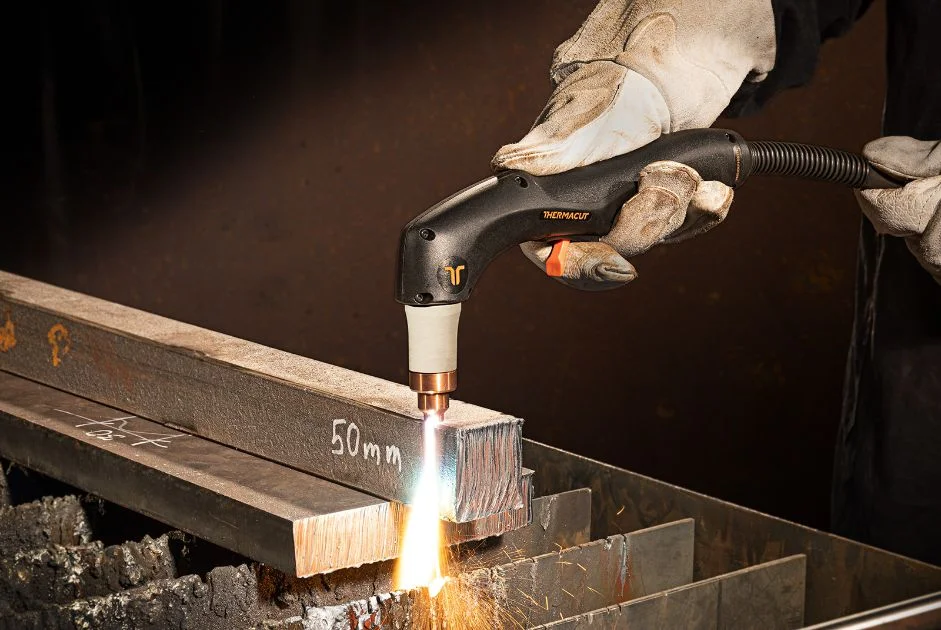
A plasma cutter is a tool designed to cut metals quickly and accurately. It uses a jet of hot plasma to slice through conductive materials. This method works well on metals such as steel, aluminum, and brass.
The plasma cutter is popular in many fields. These include metal fabrication, car repair, and construction. It offers clean cuts with little damage to the metal edges. This helps keep the metal strong and neat.
How A Plasma Cutter Works
The plasma cutter uses electricity and gas to create plasma. Plasma is a superheated, electrically charged gas. It moves at high speed and melts the metal on contact. The melted metal is blown away, leaving a clean cut behind.
Main Uses Of A Plasma Cutter
Cutting metal is the main job of a plasma cutter. It can cut steel, stainless steel, aluminum, brass, and copper. The tool is useful for making precise shapes and designs. It also works fast, saving time on projects.
Advantages Of Using A Plasma Cutter
Plasma cutters make clean and smooth cuts. They create minimal heat, so metal warping is rare. The cuts need less finishing, reducing work after cutting. Plasma cutters can handle different metal thicknesses easily.
Versatility And Applications
Besides cutting, plasma cutters can bevel and mark metal surfaces. They are used in art, construction, and repair shops. Their ability to cut complex shapes makes them valuable for many tasks.
How Plasma Cutting Works
Understanding how plasma cutting works reveals why it is so effective and popular. This process uses a high-speed jet of hot plasma to slice through metal. The plasma is created by ionizing a gas, turning it into an extremely hot and conductive state. This focused plasma jet melts the metal quickly, allowing for precise and clean cuts.
The plasma cutter combines electricity and gas to form this cutting tool. The metal is melted by the intense heat, while the force of the gas blows away the molten metal. This method is efficient and works on various conductive metals, including steel, aluminum, and brass.
Creating The Plasma Arc
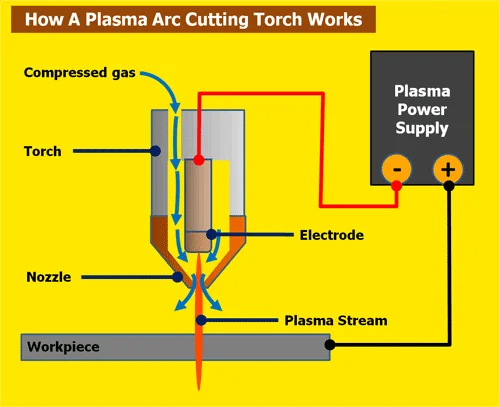
The plasma cutter uses an electrical arc between an electrode and the metal surface. The arc passes through a gas, such as compressed air or nitrogen. This gas becomes ionized, turning into plasma. The plasma reaches temperatures up to 30,000 degrees Fahrenheit, hot enough to melt metal instantly.
Melting And Blowing Away Metal
The plasma jet melts the metal precisely along the cutting line. At the same time, the high-velocity gas blows the molten metal away. This action clears the cut path quickly, leaving a clean edge. The speed of the jet helps reduce heat damage to the surrounding metal.
Controlling The Cut
The operator guides the plasma torch along the metal surface. The torch controls the direction and speed of the cut. Different gas pressures and electrical currents adjust the plasma’s intensity. This control allows cutting metals of various thicknesses and types with accuracy.
Key Components Of A Plasma Cutter
The key components of a plasma cutter work together to create a powerful cutting tool. Each part plays a specific role in the cutting process. Understanding these parts helps in using and maintaining the machine properly.
These components control the flow of gas, electricity, and the plasma arc. The combination allows the plasma cutter to slice through metals cleanly and quickly.
Power SupplyThe power supply provides the electrical energy needed for cutting. It converts standard electricity into the proper voltage and current. This energy creates the plasma arc that melts the metal.
Plasma TorchThe plasma torch is the hand-held part used during cutting. It directs the plasma arc onto the metal surface. The torch contains electrodes and nozzles that shape the plasma jet.
ElectrodeThe electrode sits inside the torch and carries the electrical current. It helps form the plasma by ionizing the gas. The electrode must be made of durable material to withstand heat.
NozzleThe nozzle controls the shape and speed of the plasma stream. It focuses the plasma into a narrow, high-speed jet. This allows for precise and clean cuts on metal.
Gas SupplyThe gas supply provides the ionized gas, usually compressed air or other gases. This gas flows through the torch to create the plasma. It also cools the torch and the cut area.
Control SystemThe control system manages the power, gas flow, and torch operation. It ensures the plasma cutter works safely and efficiently. Users can adjust settings to match the cutting needs.
Credit: esab.com
Types Of Plasma Cutters
Plasma cutters come in different types to meet various cutting needs. Choosing the right type depends on the job size, metal thickness, and power source. Each type offers unique features and capabilities.
Handheld Plasma Cutters
Handheld plasma cutters are portable and easy to use. They work well for small to medium metal cutting jobs. These cutters are great for repairs and DIY projects. They offer good control and precision.
Machine Plasma Cutters
Machine plasma cutters are designed for industrial use. They connect to CNC machines for automated cutting. These cutters provide high accuracy and repeatability. They handle large volumes and thick metals efficiently.
Inverter Plasma Cutters
Inverter plasma cutters use advanced electronics to save energy. They are lightweight and compact. These cutters offer stable arcs and smooth cuts. They are suitable for hobbyists and professionals.
Air Plasma Cutters
Air plasma cutters use compressed air as the plasma gas. They are common and cost-effective. These cutters work well on thin to medium metals. They produce clean cuts with minimal slag.
Water-cooled Plasma Cutters
Water-cooled plasma cutters have a cooling system to prevent overheating. They are built for heavy-duty and continuous work. These cutters last longer and maintain performance. They are ideal for thick metal cutting.
Materials Suitable For Plasma Cutting
Plasma cutters work by sending a jet of hot plasma through metal. This process melts and blows away the metal, creating a clean cut. The key is that the metal must conduct electricity for the plasma to work. This limits the types of materials that can be cut.
Many metals fit this requirement. They vary in thickness and type. Plasma cutting handles thin sheets and thick plates with ease. The choice of metal affects the cutting speed and quality.
Steel
Steel is the most common material for plasma cutting. It includes mild steel and stainless steel. The plasma cutter slices through steel quickly and cleanly. This makes steel ideal for construction and repair work.
Aluminum
Aluminum is also a good choice for plasma cutting. It is lighter than steel and conducts electricity well. Cutting aluminum requires some skill to avoid rough edges. Still, plasma cutting saves time on this metal.
Copper
Copper conducts electricity better than many metals. Plasma cutters can cut copper sheets and plates. The cuts are smooth but may need some finishing. Copper is common in electrical and plumbing work.
Brass
Brass, a mix of copper and zinc, works with plasma cutting. It cuts fast and clean due to good conductivity. Brass is often used in decorative and mechanical parts. Plasma cutting helps shape these parts efficiently.
Other Conductive Metals
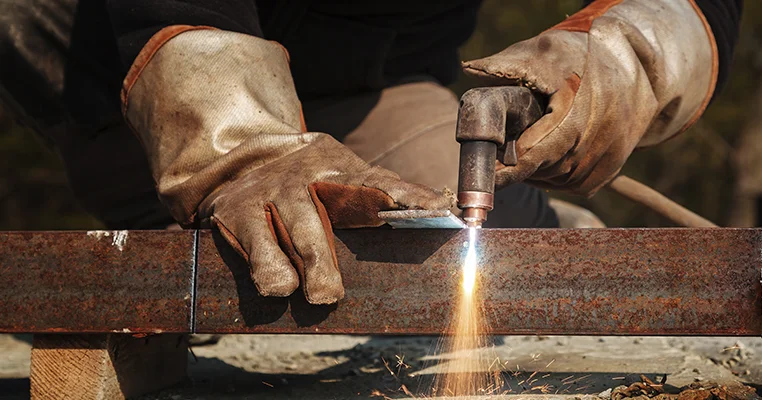
Besides the main metals, plasma cutters work on other conductive metals too. These include nickel, titanium, and some alloys. The key is the metal must allow electric current. Non-conductive materials like wood or plastic cannot be cut this way.
Credit: blog.red-d-arc.com
Advantages Of Plasma Cutters
Plasma cutters offer many advantages that make them popular in metalworking. They deliver fast, accurate cuts on many types of metal. These tools save time and improve work quality in various projects. Their ease of use and versatility add to their appeal for both professionals and hobbyists.
Fast And Precise Cutting
Plasma cutters cut metal quickly and with high accuracy. This speed reduces project time significantly. Precision helps create clean edges, which lowers the need for extra finishing work.
Clean And Smooth Edges
The cutting process produces smooth edges with little slag. This means less grinding or sanding is necessary afterward. It also reduces metal warping due to minimal heat exposure.
Works On Various Metals And Thicknesses
These cutters handle different metals like steel, aluminum, and brass. They can cut thin sheets and thick plates effectively. This flexibility suits many applications in one tool.
Easy To Use
Plasma cutters are simple to operate even for beginners. The controls are straightforward, allowing quick learning. This ease helps users focus on the task, not the tool.
Cost-effective And Efficient
They use less energy compared to some other cutting methods. Faster cutting lowers labor costs and increases productivity. Maintenance costs are generally low, saving money over time.
Common Applications
Plasma cutters have many common uses in various fields. They offer fast, clean, and precise cutting for different metals. This makes them valuable for both professionals and hobbyists.
Their ability to cut through thick and thin metals adds to their versatility. Below are some common applications where plasma cutters are widely used.
Cutting Metal
Plasma cutters excel at cutting conductive metals like steel, aluminum, and brass. They slice through these materials quickly and accurately. This makes metal cutting easier and faster than traditional methods.
Auto Repair And Restoration
In auto shops, plasma cutters help remove damaged parts and reshape metal panels. They allow precise cutting to fit replacement parts perfectly. This speeds up vehicle repair and restoration work.
Metal Fabrication
Metal fabricators use plasma cutters to create parts for machines and structures. The clean cuts reduce the need for extra grinding or finishing. This improves efficiency in producing metal components.
Construction And Manufacturing
Plasma cutters aid in cutting steel beams, pipes, and sheets on construction sites. They handle thick materials that are difficult to cut by hand. This helps build strong frameworks and supports.
Artistic Metalwork
Artists and designers use plasma cutters to create intricate shapes and patterns in metal. The precision allows detailed designs with smooth edges. This opens creative possibilities in metal art and sculpture.
Safety Tips For Plasma Cutting
Plasma cutting is a powerful method for slicing through metals quickly and precisely. Safety plays a key role in using a plasma cutter. The tool produces intense heat and bright light, which can cause injuries without proper care.
Following safety tips helps prevent accidents and ensures smooth operation. Everyone near the cutting area should be aware of the risks and protective steps.
Wear Protective Clothing
Always wear flame-resistant clothing to avoid burns. Long sleeves and pants protect skin from sparks and hot metal. Use heavy gloves to shield your hands during cutting.
Use Eye And Face Protection
Plasma cutters emit bright light that can damage eyes. Use a welding helmet or goggles with the correct shade. A face shield can protect from flying debris and sparks.
Maintain Proper Ventilation
Cutting metal releases harmful fumes and gases. Work in a well-ventilated area or use an exhaust system. This keeps the air safe to breathe during and after cutting.
Keep A Clean Work Area
Clear your workspace of flammable materials like paper, cloth, or chemicals. Sparks can ignite these items quickly. A tidy area reduces fire risks and allows better movement.
Check Equipment Regularly
Inspect cables, hoses, and the cutter before each use. Look for damage or wear that might cause malfunctions. Replace faulty parts to avoid accidents or poor cuts.
Follow Proper Grounding Practices
Ensure the metal piece is correctly grounded to prevent electric shocks. Use grounding clamps and check connections. Good grounding protects both the operator and the machine.
Frequently Asked Questions
What Is The Purpose Of A Plasma Cutter?
A plasma cutter uses a high-velocity jet of ionized gas to cut conductive metals quickly and precisely. It delivers clean, smooth cuts for metal fabrication, construction, auto repair, and artistic projects, reducing distortion and speeding up work.
What Kind Of Gas Do You Use With A Plasma Cutter?
Plasma cutters typically use compressed air as the primary gas. Some models use oxygen, nitrogen, or argon for specific metals. Compressed air is cost-effective and widely available, making it the most common choice for general plasma cutting tasks.
What Is The Difference Between A Welder And A Plasma Cutter?
A welder joins metals by melting them together. A plasma cutter uses ionized gas to cut through metals quickly and precisely.
What Cannot Be Cut With A Plasma Cutter?
Plasma cutters cannot cut non-conductive materials like wood, plastic, glass, or ceramics. They also struggle with very thick metals beyond their capacity.
What Is A Plasma Cutter Used For?
A plasma cutter cuts metal fast using a stream of hot, ionized gas called plasma.
Conclusion
A plasma cutter cuts metal quickly and with great accuracy. It works well on many metals like steel and aluminum. This tool helps save time and effort in metal projects. Clean, smooth edges mean less work after cutting. Many industries use plasma cutters for different jobs.
Understanding how a plasma cutter works can help you choose the right tool. Whether for work or hobby, it is a helpful machine to have.
{ “@context”: “https://schema.org”, “@type”: “Article”, “headline”: “What is a Plasma Cutter: Ultimate Guide to Precision Cutting Tools”, “description”: “A plasma cutter is a tool that uses ionized gas to cut through metals quickly and precisely by creating an electric arc.”, “url”: “https://www.powertoolstoday.com/what-is-a-plasma-cutter/”, “datePublished”: “2025-12-12”, “dateModified”: “2026-03-18”, “author”: { “@type”: “Organization”, “name”: “Power Tools Today”, “url”: “https://www.powertoolstoday.com” }, “publisher”: { “@type”: “Organization”, “name”: “Power Tools Today”, “url”: “https://www.powertoolstoday.com” }, “mainEntityOfPage”: { “@type”: “WebPage”, “@id”: “https://www.powertoolstoday.com/what-is-a-plasma-cutter/” }, “image”: { “@type”: “ImageObject”, “url”: “https://www.powertoolstoday.com/wp-content/uploads/2025/11/what-is-a-plasma-cutter.jpg” } }{ “@context”: “https://schema.org”, “@type”: “Article”, “headline”: “What is a Plasma Cutter: Ultimate Guide to Precision Cutting Tools”, “description”: “A plasma cutter is a tool that uses ionized gas to cut through metals quickly and precisely by creating an electric arc.”, “url”: “https://www.powertoolstoday.com/what-is-a-plasma-cutter/”, “datePublished”: “2025-12-12”, “dateModified”: “2026-03-19”, “author”: { “@type”: “Organization”, “name”: “Power Tools Today”, “url”: “https://www.powertoolstoday.com” }, “publisher”: { “@type”: “Organization”, “name”: “Power Tools Today”, “url”: “https://www.powertoolstoday.com” }, “mainEntityOfPage”: { “@type”: “WebPage”, “@id”: “https://www.powertoolstoday.com/what-is-a-plasma-cutter/” }, “image”: { “@type”: “ImageObject”, “url”: “https://www.powertoolstoday.com/wp-content/uploads/2025/11/what-is-a-plasma-cutter.jpg” } }nn