
Last Updated: March 20, 2026
Have you ever struggled to get the insulation off a wire without damaging the metal inside? If you’ve tackled any electrical projects, you know how tricky this can be.
That’s exactly where a wire stripper becomes your best friend. But what is a wire stripper used for, and why should it be in your toolbox? This simple tool does more than just peel off insulation—it helps you make clean, safe, and reliable connections every time.
Keep reading to discover how mastering this tool can make your DIY electrical work easier, faster, and safer.
Credit: www.acdc-electric.com
Wire Stripper Basics
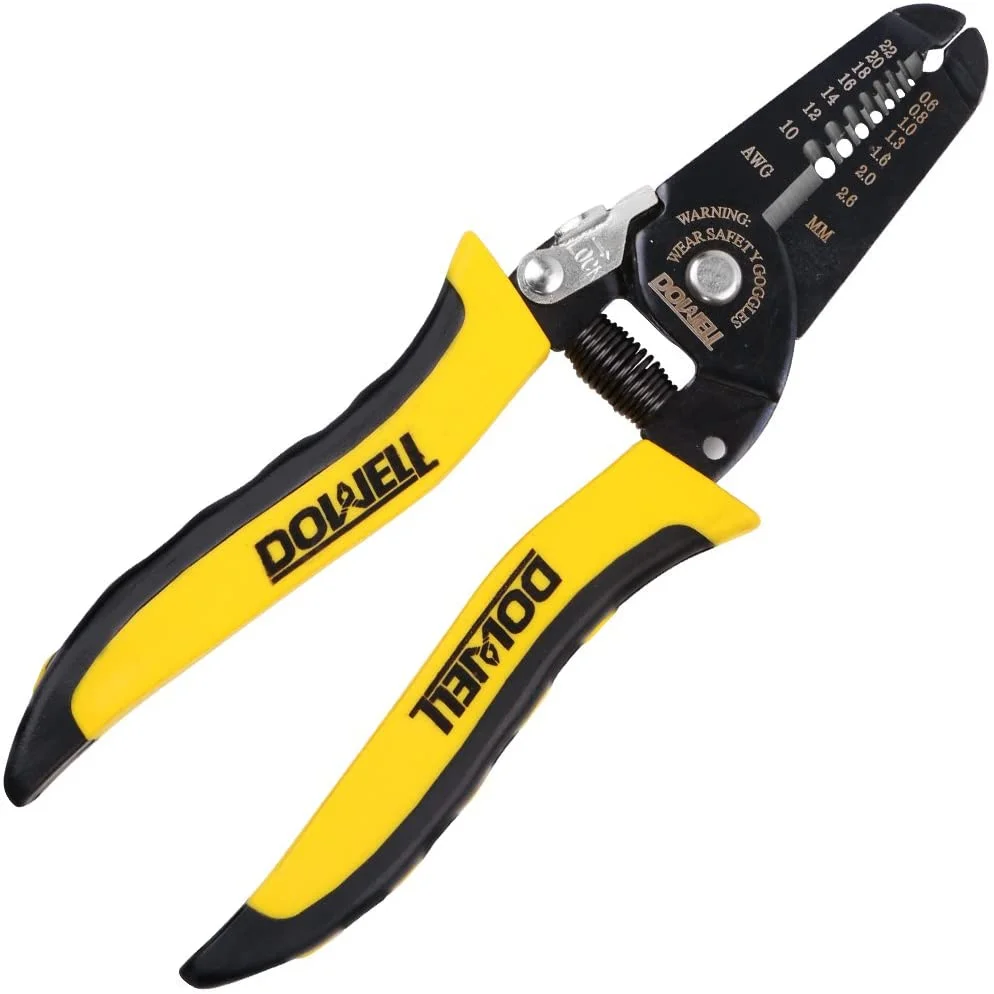
A wire stripper is a hand tool used to remove the outer insulation from electrical wires. This process reveals the metal conductor underneath, allowing it to connect to terminals or other wires. Stripping wires properly is essential for safe and efficient electrical work.
Wire strippers come in different sizes and types to handle various wire gauges. They help avoid damage to the wire strands, which can cause poor connections or electrical faults. Using the right wire stripper makes the job easier and safer.
What Does A Wire Stripper Do?
A wire stripper cuts and removes the insulation without harming the metal core. It has sharp edges sized to fit common wire gauges. By squeezing the handles, the tool grips and slices the insulation, allowing you to pull it off cleanly.
Types Of Wire Strippers
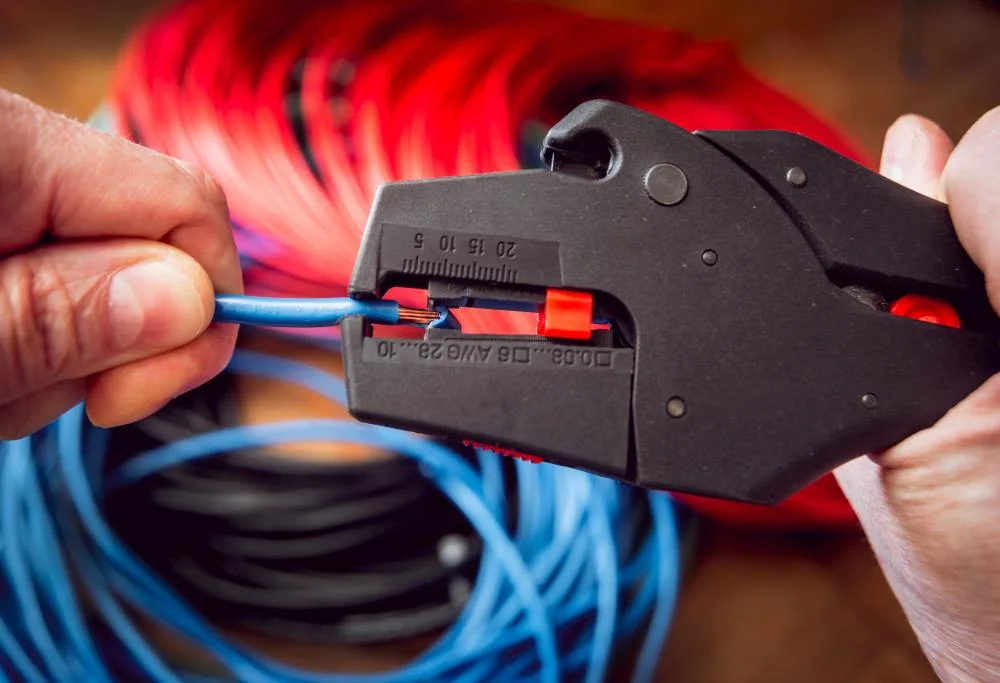
Manual wire strippers require you to match the wire size and adjust the grip. Automatic wire strippers open and close around the wire, stripping the insulation in one motion. Each type suits different tasks and user preferences.
Why Use A Wire Stripper?
Using a wire stripper saves time and ensures a neat, clean strip. It prevents damage that can happen with knives or scissors. Proper stripping improves electrical connections and reduces the risk of shorts or sparks.
Removing Insulation Safely
Removing insulation safely is a key step in electrical work. Exposing wires without damage ensures a good connection. It also prevents electrical shorts and hazards. Using the right tool makes this task easier and safer.
A wire stripper removes the outer plastic or rubber coating. This exposes the metal wire inside without cutting it. Doing this by hand can easily damage the wire. A damaged wire can cause poor electrical flow or break later.
How Wire Strippers Prevent Wire Damage
Wire strippers have sharp, precise blades designed to cut only the insulation. The blades stop before touching the metal wire. This keeps the wire intact and strong. The tool grips the wire firmly to hold it steady. This control helps avoid accidental nicks or cuts.
Choosing The Right Size For Your Wire
Wire strippers have different slots for various wire sizes. Using the correct slot matches the wire thickness. This ensures the insulation is cut cleanly without harming the wire. Picking the wrong size can either fail to strip properly or damage the wire.
Steps To Strip Insulation Safely
First, select the correct slot on the wire stripper. Next, place the wire in the slot and squeeze gently. Then, pull the stripper toward the wire end to remove insulation. Check the wire for any cuts or damage. Repeat if needed, but never force the tool.
Steps To Strip Wire Properly
Stripping wire is a simple yet important task in many electrical projects. Doing it properly ensures a clean connection and prevents damage to the wire. Following the right steps helps you avoid cutting the wire strands or removing too little insulation. This section explains how to strip wire safely and correctly with a wire stripper.
Choose The Right Wire Stripper Size
Select a wire stripper that matches your wire gauge. Using the correct size prevents cutting the wire strands. Most wire strippers have multiple notches for different wire sizes. Match the wire to the right notch before starting.
Measure The Length To Strip
Decide how much insulation to remove. Usually, about half an inch is enough. Mark the wire with a pen or your thumb to guide the strip length. This keeps your strip consistent and neat.
Position The Wire In The Stripper
Place the wire into the correct notch of the stripper. Align the mark with the edge of the tool. Hold the wire steady to avoid slipping during stripping.
Squeeze The Handles Firmly
Press the handles to cut through the insulation without touching the metal wire. The insulation should break free cleanly. Avoid squeezing too hard to prevent wire damage.
Pull The Insulation Off
While holding the wire tight, gently pull the stripper away. The insulation will slide off, exposing the bare wire. If it does not come off easily, try repositioning and squeezing again.
Inspect The Wire
Check the stripped wire for any nicks or cuts. Damaged wire can cause electrical problems or break easily. If the wire is damaged, cut the end and strip again carefully.
Avoiding Wire Damage
A wire stripper is used to remove the outer insulation from electrical wires. Avoiding wire damage during this process is very important. Damaged wires can cause poor connections and safety risks.
Careful handling protects the metal conductor inside the wire. This helps maintain a strong electrical connection and prevents short circuits. Using the right technique and tools reduces the chance of harm.
Choosing The Correct Wire Stripper Size
Wire strippers come with different notches for various wire sizes. Select the notch that fits your wire gauge perfectly. Too small a notch cuts into the wire, causing damage. Too large may not remove insulation cleanly.
Applying Proper Pressure
Grip the wire firmly but avoid squeezing too hard. Excess pressure can nick or break the wire strands. Apply just enough force to cut the insulation without harming the wire inside.
Stripping With Smooth Motions
Pull the insulation off smoothly and steadily. Jerky or quick movements may tear the wire. A slow and steady pull helps keep the wire intact and clean.
Inspecting The Wire After Stripping
Check the wire for any cuts or nicks after stripping. Damaged areas may cause weak points and electrical issues. Replace the wire or strip again if damage appears.
Cutting Wire And Bolts
Cutting wire and bolts is a common task in many projects. A wire stripper is not just for removing insulation. It also helps in cutting wires and small bolts cleanly and easily. This makes it a useful tool for electricians, DIYers, and craftsmen alike.
Cutting Wires With A Wire Stripper
Wire strippers have sharp cutting edges designed to slice through wires. They can cut different wire sizes quickly. This saves time compared to using scissors or knives. The cut is clean, reducing damage to the wire strands.
Using the correct slot on the wire stripper ensures a precise cut. This helps maintain the wire’s strength and conductivity. It also makes the next step, stripping the insulation, smoother and safer.
Cutting Bolts Using A Wire Stripper
Many wire strippers feature strong cutters that handle small bolts. These cutters can trim bolts to the desired length. This is helpful in electrical and mechanical work where bolt size matters.
Cutting bolts with wire strippers avoids rough edges. It also reduces the need for extra tools. This makes the work faster and more efficient.
Credit: www.heamar.co.uk
Crimping Capabilities
Crimping capabilities allow wire strippers to join connectors securely to wires. This ensures a strong electrical connection without damaging the wire. Proper crimping improves safety and performance in wiring tasks.
A wire stripper is not just for removing insulation. Many models also have crimping functions. Crimping is important for securing connectors to wires. This makes strong, reliable electrical connections.
Crimping tools on a wire stripper help press connectors onto wire ends. This replaces the need for soldering in many cases. It saves time and effort while ensuring a tight fit.
How Crimping Works On A Wire Stripper
Wire strippers with crimping slots allow you to insert a connector and wire together. Squeezing the handles presses the connector firmly onto the wire. This locks the wire in place for stable electrical flow.
Different sized crimping slots fit various connector types. Users can choose the correct slot for their wire gauge and connector size. Proper crimping prevents loose connections and electrical faults.
Benefits Of Crimping With Wire Strippers
Crimping with wire strippers provides quick, clean connections. It reduces the risk of poor contact or exposed wires. This improves safety and device performance.
These tools are useful for electricians, hobbyists, and DIYers. They combine stripping and crimping in one easy-to-use device. This lowers the number of tools needed for wiring jobs.
Making Wire Loops
Making wire loops is an important task in many electrical and craft projects. It helps create secure connections between wires and components. Using a wire stripper makes this process easier and more precise. The tool removes the insulation without harming the wire inside. This prepares the wire for bending and shaping into loops.
Wire loops are useful for attaching wires to screws or hooks. They provide strong mechanical and electrical connections. Properly made loops also reduce the risk of loose or faulty connections. A wire stripper with the right size notch ensures the wire is clean and ready to bend.
Preparing The Wire For Looping
Start by selecting the correct wire gauge slot on the wire stripper. Insert the wire into the slot, close the handles, and pull off the insulation. This reveals the bare wire needed for looping. Stripping too much or too little insulation can cause problems during looping.
Bending The Wire Into A Loop
After stripping, use round-nose pliers or your fingers to bend the wire end. Form a smooth loop that fits around the terminal or hook. The loop should be tight enough to stay in place but not damage the wire. A clean strip helps the wire bend smoothly and prevents breakage.
Securing The Loop For Connections
Place the wire loop around the screw or terminal. Tighten the screw to hold the loop firmly. Check that the loop fully wraps around the screw in a clockwise direction. This ensures a secure connection that will not loosen over time. Proper stripping and looping protect the wire and improve safety.
Choosing The Right Wire Stripper
Choosing the right wire stripper is crucial for safe and effective work. A good tool makes stripping wires easier and prevents damage to the wire itself. Picking the wrong stripper can lead to poor connections or even electrical hazards.
Many wire strippers look similar, but each type serves different needs. Understanding these differences helps you select the best tool for your project. Consider the wire size, tool features, and your comfort while using it.
Types Of Wire Strippers
Manual wire strippers require you to match the tool’s notch to the wire size. They work well for small jobs and thin wires. Automatic wire strippers grip and strip the wire in one motion. They save time and reduce effort for larger or frequent tasks.
Wire Gauge Compatibility
Wire strippers come with different gauge ranges. Choose one that fits the wire sizes you use most. Using the correct gauge prevents cutting into the wire strands. This keeps the wire strong and safe for electrical flow.
Comfort And Grip
Look for wire strippers with comfortable handles. Soft grips reduce hand fatigue during long use. A good grip also improves control and precision. This helps avoid slips that could damage wires or cause injury.
Additional Features To Consider
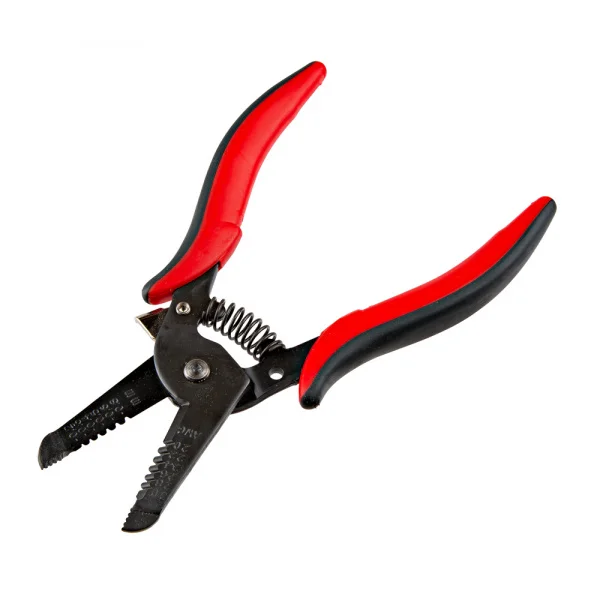
Some wire strippers include extra tools like wire cutters or crimpers. These multi-tools can save space and money. Others have adjustable stops for consistent strip length. Choose features that match your specific wiring tasks.
Credit: learn.sparkfun.com
Frequently Asked Questions
What Is The Primary Concern When Stripping Wire?
The primary concern when stripping wire is avoiding damage to the conductor. Damaging it weakens electrical flow and safety.
Can I Damage Wires While Stripping?
Yes, you can damage wires while stripping. Applying too much pressure or using the wrong notch can nick or cut the conductor, weakening the wire. Always use the correct tool size and gentle technique to protect wire integrity and ensure safe, reliable electrical connections.
What Is The Proper Use Of A Wire Cutter?
Use wire cutters to cleanly cut wires by gripping and squeezing the handles. Choose the right cutter type for each wire thickness to ensure safety and precision. Avoid twisting or bending wires while cutting to prevent damage and ensure efficient electrical connections.
What Is The Main Purpose Of A Wire Stripper?
A wire stripper removes the protective insulation from electric wires safely and cleanly.
How Does A Wire Stripper Protect The Wire Conductor?
It cuts only the insulation layer without nicking or damaging the metal conductor inside.
Conclusion
A wire stripper helps you safely remove insulation from wires. It prevents damage to the inner metal conductor. Using it makes electrical connections cleaner and stronger. This tool saves time and effort in wiring tasks. Anyone working with electrical wires should have one nearby.
Proper use ensures safer and more reliable electrical work. Simple, effective, and essential for DIY or professional jobs.
{ “@context”: “https://schema.org”, “@type”: “Article”, “headline”: “What is a Wire Stripper Used for: Essential Tool Benefits Explained”, “description”: “A wire stripper is a tool used for removing insulation from electrical wires to expose the metal core for connections and repairs.”, “url”: “https://www.powertoolstoday.com/what-is-a-wire-stripper-used-for/”, “datePublished”: “2025-11-22”, “dateModified”: “2026-03-18”, “author”: { “@type”: “Organization”, “name”: “Power Tools Today”, “url”: “https://www.powertoolstoday.com” }, “publisher”: { “@type”: “Organization”, “name”: “Power Tools Today”, “url”: “https://www.powertoolstoday.com” }, “mainEntityOfPage”: { “@type”: “WebPage”, “@id”: “https://www.powertoolstoday.com/what-is-a-wire-stripper-used-for/” }, “image”: { “@type”: “ImageObject”, “url”: “https://www.powertoolstoday.com/wp-content/uploads/2025/11/What-is-a-Wire-Stripper-Used-for-1024×576.webp” } }nn