
Last Updated: March 20, 2026
Choosing the right size miter saw can make all the difference in your woodworking projects. You want a tool that fits your needs perfectly—not too big, not too small.
But how do you decide which size is best for you? Whether you’re cutting trim, framing, or tackling larger materials, the size of your miter saw impacts your work’s precision and ease. You’ll discover exactly what to look for when picking a miter saw size, so you can work smarter and get better results every time.
Keep reading to find the perfect match for your projects and skill level.
Miter Saw Sizes Explained
Miter saw sizes matter for your cutting tasks. Choosing the right size helps you work faster and safer. Different sizes fit different projects. Knowing the sizes clears confusion and guides your choice.
Below, the main miter saw sizes and types get explained. This helps you pick the perfect saw for your needs.
Common Blade Diameters
Miter saw blades come in several common diameters. The most popular sizes are 7 ¼ inches, 10 inches, and 12 inches. Smaller blades, like 7 ¼ inches, cut thinner materials well. They are lighter and easier to move. Larger blades, such as 10 or 12 inches, cut thicker wood with ease. Bigger blades also let you make wider and deeper cuts. Choose a blade size based on your typical project size and cutting needs.
Sliding Vs Non-sliding Models
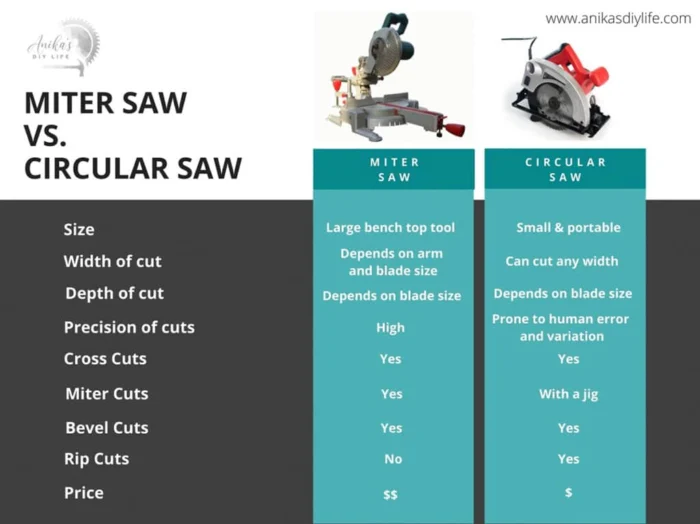
Non-sliding miter saws have a fixed arm. They cut materials only within the blade’s reach. These saws are usually lighter and more affordable. Sliding miter saws have an arm that moves forward and backward. This sliding action allows cutting wider boards. Sliding saws work better on big, thick lumber. They are heavier and cost more but offer more cutting flexibility. Pick sliding for large projects and non-sliding for simple, small tasks.
Credit: www.anikasdiylife.com
Cutting Capacity And Project Needs
Choosing the right miter saw size depends on cutting capacity and project needs. The saw must handle the thickness and width of your materials. Different projects demand different cutting abilities. Knowing these details helps pick a saw that works best for your work.
Material Thickness And Width
The saw size limits the thickness it can cut. A 10-inch blade cuts smaller wood pieces than a 12-inch blade. Consider the widest and thickest wood you plan to cut. For thick lumber or large boards, a bigger saw is necessary. Small trim or thin wood can be handled by smaller saws. Choose a saw that fits your usual material size to avoid frustration.
Vertical Cuts And Molding Sizes
Miter saws also cut vertical edges. Tall baseboards and crown molding need vertical cutting capacity. Larger saws can cut these in one pass, saving time and effort. Smaller saws may require multiple cuts or may not cut tall pieces cleanly. Think about the height of your molding and baseboards. Pick a saw that fits the tallest pieces you use often. This makes your work smoother and more precise.
Portability And Workspace
Choosing the right miter saw size depends greatly on your workspace and how often you need to move the tool. Portability and workspace size influence your comfort and efficiency. A saw that fits well in your workshop and moves easily can save time and effort. Consider these factors before making your decision.
Weight And Ease Of Transport
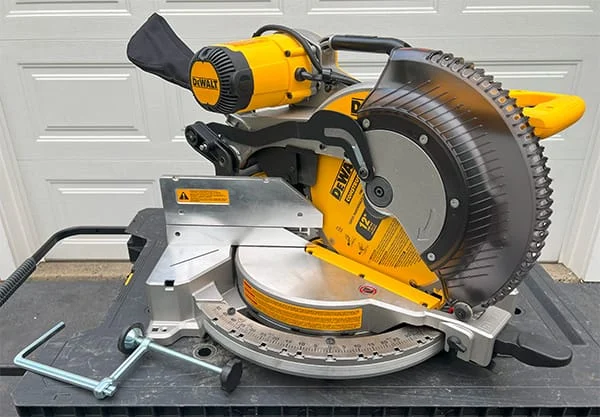
Lighter miter saws are easier to carry and move around. They suit job sites and small workshops well. Heavy saws offer more power but can be hard to transport. If you plan to carry your saw often, pick a lighter model. Handles and wheels add convenience for moving the saw.
Space Considerations In Your Workshop
Measure your workspace before buying a saw. Larger saws need more room for operation and storage. Compact saws fit better in tight spaces or small benches. Think about space for cutting long boards too. A saw that fits your workshop size makes work smoother and safer.
Credit: toolguyd.com
Blade Types And Quality
Choosing the right blade type and quality is key for your miter saw’s performance. The blade affects cutting speed, smoothness, and durability. Knowing the differences helps you pick a blade that fits your project and saw size. Here, we explore blade tooth count, cut finish, and cost variations to guide your choice.
Tooth Count And Cut Finish
Blades with more teeth offer smoother cuts. They work well for fine woodworking and trim. Fewer teeth cut faster but leave rougher edges. Rough cuts suit framing or rough carpentry. Match tooth count with your material and desired finish. A 60-tooth blade fits most trim work. For hardwood, choose blades with 80 or more teeth. Consider tooth shape too; alternate top bevel teeth cut cleaner.
Blade Cost Differences
Blade prices vary based on materials and design. Carbide-tipped blades cost more but last longer. Steel blades are cheaper but dull quickly. Investing in quality blades saves money over time. Cheap blades need frequent replacement and can damage wood. Mid-range blades balance cost and performance. High-end blades offer precision and durability for demanding tasks. Choose blade quality that matches your budget and project needs.
Motor Power And Performance
Motor power and performance are key factors when choosing the right miter saw size. The motor controls the blade speed and cutting strength. A powerful motor makes cutting through wood, metal, or other materials easier and faster. Understanding motor power helps match the saw to your project needs.
Power Requirements For Different Tasks
Light tasks like trim work need less motor power. A saw with 10 to 12 amps handles small wood pieces well. For cutting thicker or harder materials, choose a motor with 15 amps or more. Higher power keeps the blade moving steadily without slowing down. This prevents rough cuts and saves time.
Durability For Heavy-duty Use
Heavy-duty projects require strong, durable motors. A saw with a powerful motor lasts longer under stress. Look for motors with metal housings and good cooling systems. These features reduce wear and overheating. Reliable motors ensure the saw performs well over many hours of work.
Safety Features And Tips
Choosing the right size miter saw is important, but safety comes first. This section covers key safety features and tips. These help protect you during operation. Understanding these safety points keeps your work smooth and accident-free.
Essential Safety Mechanisms
Miter saws come with built-in safety parts. A blade guard covers the blade when not cutting. This guard moves out of the way only during a cut. It prevents accidental contact with the blade.
Electric brakes stop the blade quickly after release. This reduces the risk of injury. Some saws have a safety switch to prevent accidental start. This switch must be pressed before the saw runs.
Clamps hold your workpiece firmly. They stop the wood from moving during cutting. This reduces kickback and improves accuracy. Always check these safety parts before use.
Best Practices For Safe Operation
Wear safety glasses and ear protection every time. Keep hands away from the blade path. Use clamps to secure your material. Never hold the wood near the blade.
Stand in a balanced position to control the saw. Avoid loose clothing or jewelry that can catch in moving parts. Always wait for the blade to stop fully before moving your workpiece.
Check the saw blade for damage or dullness regularly. Replace blades that are worn out. Clean the saw after use to keep it working well. Follow the manufacturer’s instructions carefully to stay safe.
Credit: thomascustomwoodworks.com
Frequently Asked Questions
Do I Need A 10-inch Or 12-inch Miter Saw?
Choose a 10-inch miter saw for portability and smaller projects. Opt for a 12-inch saw for cutting larger materials and heavy-duty tasks.
Can A 10-inch Miter Saw Cut A 4×4 Post?
A 10-inch miter saw can cut a 4×4 post, but may require multiple passes. A sliding miter saw offers easier, cleaner cuts.
How Big Of A Board Can A 7 1/4 Miter Saw Cut?
A 7 1/4-inch miter saw typically cuts boards up to 2×4 inches (about 1. 5 inches thick). Sliding models cut wider boards.
What Size Miter Saw Do I Need To Cut Trim?
A 10-inch miter saw suits most trim cutting needs. Choose a 12-inch saw for wider or crown molding. Sliding saws handle larger pieces easily.
What Sizes Of Miter Saws Are Available?
Common miter saw sizes include 7-1/4″, 10″, and 12″. Each suits different cutting needs.
Which Miter Saw Size Is Best For Small Projects?
A 7-1/4″ saw is ideal for small woodworking and light-duty tasks.
Conclusion
Choosing the right miter saw size depends on your project needs. Smaller saws work well for light, precise cuts and easy portability. Larger saws handle big materials and heavy-duty tasks better. Think about the types of cuts and materials you use most.
A well-chosen saw saves time and effort. It makes your woodworking smoother and more enjoyable. Consider your workspace and budget too. The right size fits your work style and project demands perfectly.
{ “@context”: “https://schema.org”, “@type”: “Article”, “headline”: “What Size Miter Saw Do I Need: Ultimate Guide for Perfect Cuts”, “description”: “What size miter saw do I need depends on the materials you cut, with common sizes ranging from 8 to 12 inches for various woodworking tasks.”, “url”: “https://www.powertoolstoday.com/what-size-miter-saw-do-i-need/”, “datePublished”: “2025-11-15”, “dateModified”: “2026-03-18”, “author”: { “@type”: “Organization”, “name”: “Power Tools Today”, “url”: “https://www.powertoolstoday.com” }, “publisher”: { “@type”: “Organization”, “name”: “Power Tools Today”, “url”: “https://www.powertoolstoday.com” }, “mainEntityOfPage”: { “@type”: “WebPage”, “@id”: “https://www.powertoolstoday.com/what-size-miter-saw-do-i-need/” }, “image”: { “@type”: “ImageObject”, “url”: “https://www.powertoolstoday.com/wp-content/uploads/2025/11/What-Size-Miter-Saw-Do-I-Need-1-1024×576.webp” } }{ “@context”: “https://schema.org”, “@type”: “Article”, “headline”: “What Size Miter Saw Do I Need: Ultimate Guide for Perfect Cuts”, “description”: “What size miter saw do I need depends on the materials you cut, with common sizes ranging from 8 to 12 inches for various woodworking tasks.”, “url”: “https://www.powertoolstoday.com/what-size-miter-saw-do-i-need/”, “datePublished”: “2025-11-15”, “dateModified”: “2026-03-19”, “author”: { “@type”: “Organization”, “name”: “Power Tools Today”, “url”: “https://www.powertoolstoday.com” }, “publisher”: { “@type”: “Organization”, “name”: “Power Tools Today”, “url”: “https://www.powertoolstoday.com” }, “mainEntityOfPage”: { “@type”: “WebPage”, “@id”: “https://www.powertoolstoday.com/what-size-miter-saw-do-i-need/” }, “image”: { “@type”: “ImageObject”, “url”: “https://www.powertoolstoday.com/wp-content/uploads/2025/11/What-Size-Miter-Saw-Do-I-Need-1-1024×576.webp” } }nn