
Last Updated: March 21, 2026
Are bugs turning your vegetable garden into their personal buffet? You’re not alone, and the good news is, you don’t have to let pests win.
Knowing exactly what to spray on your vegetable garden for bugs can protect your plants and boost your harvest. Whether you prefer natural homemade sprays or trusted commercial options, the right choice can keep those pesky invaders at bay without harming your veggies.
You’ll discover effective, safe, and easy-to-use sprays that will help you take control and enjoy a thriving garden. Ready to find the perfect solution for your bug problem? Keep reading!
Natural Oils And Soaps
Natural oils and soaps offer a gentle way to protect your vegetable garden from bugs. These substances work by suffocating or repelling pests without harming your plants or the environment. They are a popular choice for gardeners who prefer organic and safe pest control methods.
Natural oils and soaps break down the protective coating of insects. This causes dehydration and eventually kills them. They are effective against soft-bodied pests like aphids, mites, and whiteflies. Using these sprays regularly can keep bug populations under control.
Olive Oil And Dish Soap Mix
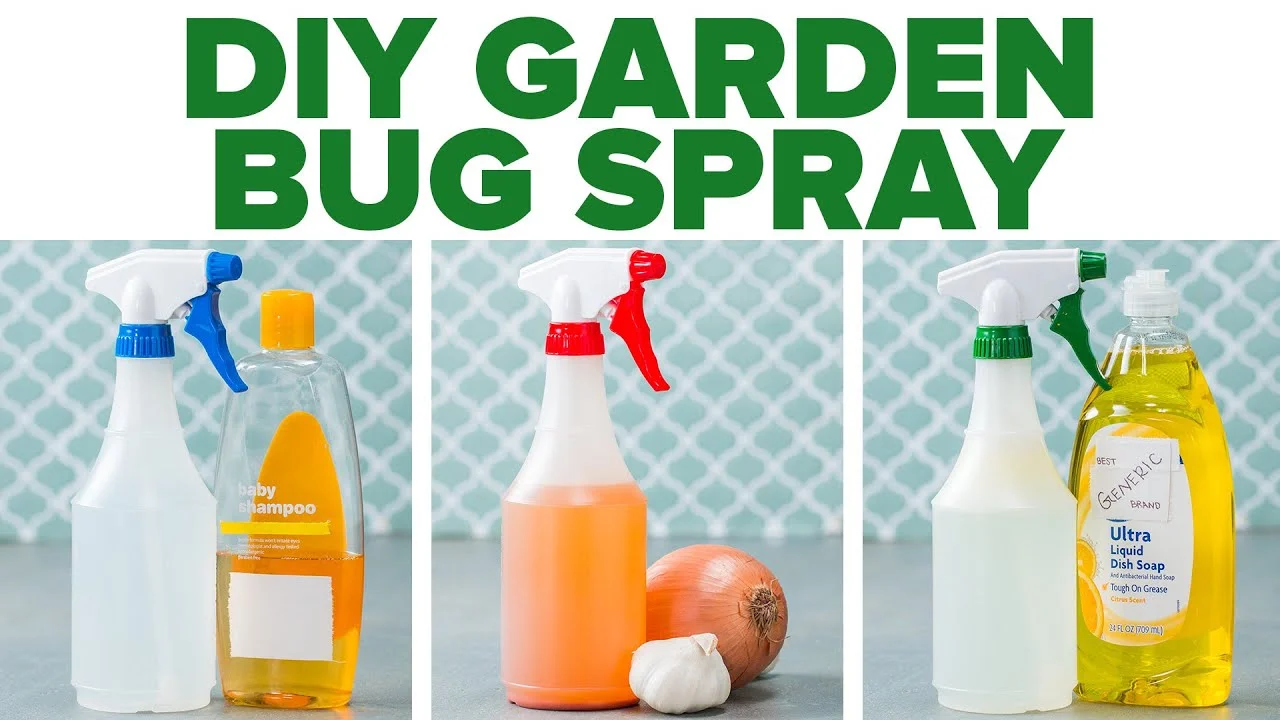
Mix half a cup of olive oil with one tablespoon of dish soap. Fill a spray bottle with this mixture and add water to fill it up. Shake well before spraying your plants directly. This spray clings to bugs, suffocating them quickly.
The olive oil smothers insects, while the dish soap helps the oil mix with water. This combo targets pests without harming beneficial insects. Spray on affected leaves and stems every few days. Avoid spraying during the hottest part of the day to protect plants.
Insecticidal Soap Options
Insecticidal soaps are specially made soap sprays designed for pest control. They contain fatty acids that break down insect cell walls. This kills pests like aphids, whiteflies, and spider mites instantly.
These soaps are safe for most vegetable plants and do not leave harmful residues. They work best on young, soft-bodied insects before they cause too much damage. Apply insecticidal soap in the early morning or late evening to avoid leaf burn.
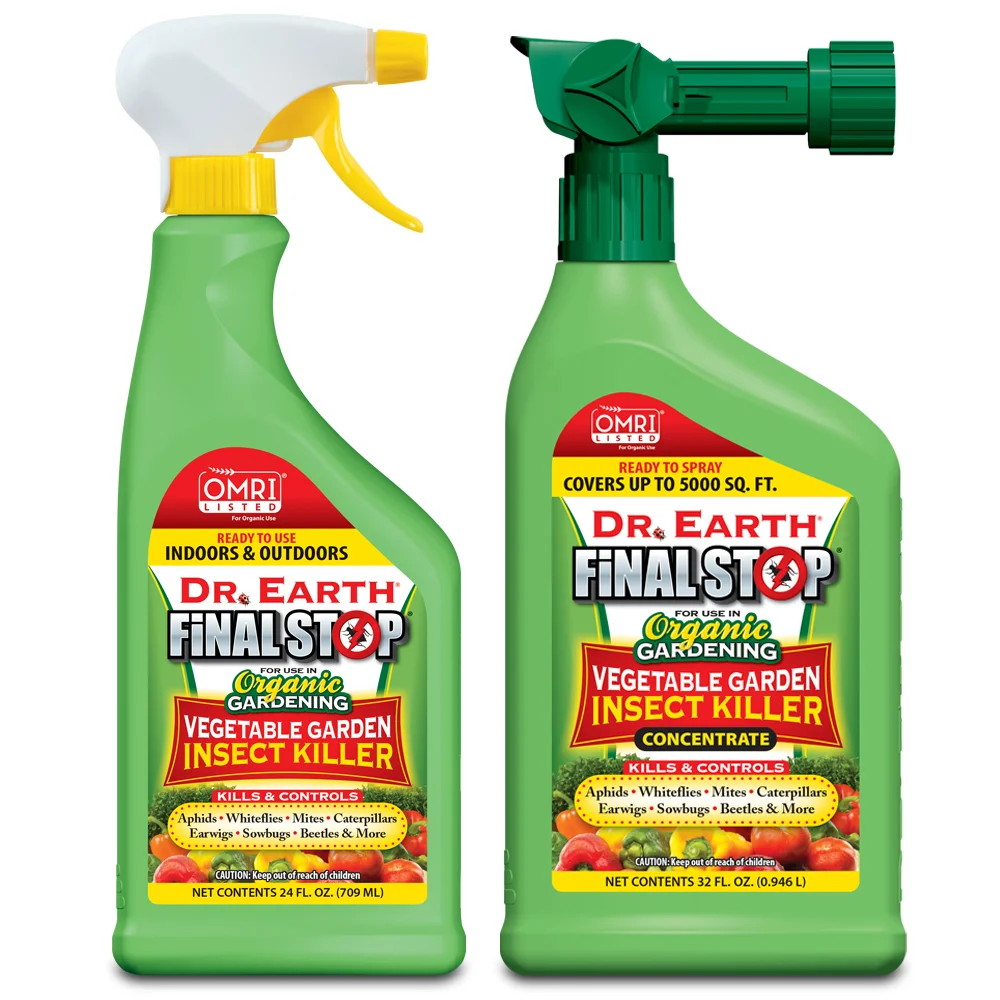
Many garden centers sell ready-made insecticidal soaps. Always follow label instructions for best results. Using these soaps regularly helps maintain a pest-free garden naturally.
Credit: www.youtube.com
Garlic And Pepper Sprays
Garlic and pepper sprays offer a natural way to protect your vegetable garden from bugs. These sprays use the strong scents and compounds found in garlic and hot peppers to repel insects. They are safe for plants and do not leave harmful residues on your vegetables. Easy to make at home, these sprays can keep pests away without chemicals.
Homemade Garlic Spray
To make garlic spray, crush several garlic cloves and soak them in water overnight. This allows the garlic’s natural oils to infuse into the water. Strain the mixture to remove solids. Add a few drops of liquid soap to help the spray stick to plant leaves. Spray directly on leaves and stems where bugs gather. Garlic spray works well against aphids, beetles, and caterpillars.
Cayenne Pepper Infusion
For pepper spray, mix ground cayenne pepper with warm water. Let the mixture steep for one hour. Strain the liquid carefully to remove pepper particles. Add a teaspoon of liquid soap to improve coverage. Spray this infusion on plants to deter insects like aphids and whiteflies. The spicy scent keeps bugs away without harming your garden.
Neem Oil Benefits
Neem oil is a popular natural option for controlling bugs in vegetable gardens. It comes from the seeds of the neem tree. This oil works as a pesticide and helps keep many pests away. It also supports plant health by reducing damage from insects. Using neem oil can protect your vegetables without harmful chemicals.
Pest Control Spectrum
Neem oil targets a wide range of garden pests. It controls aphids, whiteflies, spider mites, and beetles. The oil disrupts the feeding and breeding of these insects. It also affects larvae and eggs, stopping new pests from growing. This broad control makes neem oil useful for many types of vegetables. It helps maintain a healthy garden by lowering pest populations.
Safety For Vegetables
Neem oil is safe to use on most vegetables. It does not harm beneficial insects like bees and ladybugs if applied correctly. Always spray neem oil in the early morning or late evening. This timing reduces the risk to helpful insects. Neem oil breaks down quickly in sunlight and rain. It leaves no harmful residue on edible plants. This makes it a good choice for organic vegetable gardening.
Bacillus Thuringiensis (bt)
Bacillus thuringiensis, commonly known as BT, is a natural bacterium used to protect vegetable gardens from harmful insects. It acts as a biological pesticide that targets specific pests without damaging the plants or beneficial insects. BT is safe for humans and pets, making it a popular choice for organic gardening.
This bacterium works by producing proteins that kill certain insect larvae. Gardeners often use BT to manage caterpillars that can eat holes in leaves and destroy crops. It helps keep your vegetables healthy while avoiding harsh chemicals.
Targeting Caterpillars
BT specifically targets caterpillars, including cabbage worms and tomato hornworms. These larvae eat leaves and stems, causing significant damage. When caterpillars consume plants treated with BT, the proteins disrupt their digestive system. This stops them from feeding and eventually kills them.
BT does not affect other insects, birds, or animals. It only harms the caterpillars eating the treated plants. This makes it a safe and focused method to control these common pests in vegetable gardens.
Usage Guidelines
Apply BT as a spray directly on the leaves where caterpillars feed. Follow the product label for the correct mixing ratio and frequency. Usually, sprays are applied every 7 to 14 days or after heavy rain.
Spray in the early morning or late afternoon to avoid sun damage to the plants. Wear gloves and wash your hands after use. Store BT in a cool, dry place away from sunlight.
BT works best on young caterpillars before they cause much damage. Repeat applications help keep pest numbers low and protect your vegetables throughout the growing season.
Diatomaceous Earth Use
Diatomaceous earth is a natural powder used to control bugs in vegetable gardens. It is made from fossilized remains of tiny aquatic organisms called diatoms. This powder is safe for humans and pets but deadly to many garden pests. It works by damaging the outer shell of insects, causing them to dry out and die. Using diatomaceous earth helps protect your plants without harmful chemicals.
Application Techniques
Apply diatomaceous earth in dry weather for best results. Sprinkle a thin, even layer around the base of plants and on leaves. Use a dust spreader or shake it from a container to cover affected areas. Avoid applying before rain or watering, as moisture reduces its effectiveness. Reapply every few days or after rain to keep bugs away. Wear a mask to avoid inhaling the fine powder during application.
Effect On Crawling Insects
Diatomaceous earth works well against crawling insects like ants, slugs, and beetles. The powder sticks to their bodies and scratches their protective coating. This causes dehydration and eventually kills the insects. It does not kill insects instantly but works over a few days. Beneficial insects that fly or have a hard shell are less affected. This makes diatomaceous earth a good option for natural pest control in vegetable gardens.
Credit: drearth.com
Synthetic Pyrethroids
Synthetic pyrethroids are man-made chemicals designed to control insect pests in vegetable gardens. They mimic natural pyrethrins found in chrysanthemum flowers but last longer in the environment. These insecticides target the nervous system of insects, causing paralysis and death.
Gardeners often choose synthetic pyrethroids for their broad-spectrum action against many garden pests. They work quickly and can protect plants from damage. Careful use ensures vegetable safety and pest control.
Permethrin Effectiveness
Permethrin is a common synthetic pyrethroid used in vegetable gardens. It kills a wide range of insects like aphids, caterpillars, and beetles. The spray works fast and provides residual protection for several days. Permethrin is effective even at low doses, reducing pest populations efficiently. Its rapid action helps prevent pest outbreaks before they spread.
When To Use
Apply permethrin when pests first appear on plants. Early treatment stops insects from multiplying and damaging crops. Use it during calm weather to avoid spray drift. Avoid spraying during bloom to protect pollinators like bees. Follow label instructions for safe timing and dosage. Regular monitoring helps decide the right moments for treatment.
Protecting Beneficial Insects
Protecting beneficial insects is key to a healthy vegetable garden. These insects help control harmful pests naturally. They pollinate flowers and improve plant growth. Spraying the wrong chemicals can kill these helpful bugs. Gardeners should choose sprays that target pests only.
Choosing Safe Sprays
Use sprays made from natural ingredients. Neem oil and insecticidal soap work well without harming beneficial insects. Avoid broad-spectrum insecticides that kill many types of bugs. Bacillus thuringiensis (BT) targets specific pests like caterpillars. Homemade sprays with soap and oil can control pests gently. Always read labels to check if sprays are safe for helpful insects.
Timing Applications
Spray plants early in the morning or late evening. Beneficial insects are less active at these times. Avoid spraying during midday when bees and other pollinators visit flowers. Apply sprays only when pests appear in large numbers. Frequent spraying can harm the insect balance in your garden. Careful timing helps protect helpful bugs while controlling pests.
Credit: drearth.com
Spray Application Tips
Applying spray correctly on your vegetable garden helps control bugs effectively. Following smart spray application tips ensures better pest management. Spraying at the right time and reading product instructions carefully keeps plants safe and healthy.
Reading Product Labels
Always read product labels before spraying your garden. Labels provide important information about usage and safety. Look for recommended dosage and application frequency. Check if the spray is safe for your vegetable types. Note any warnings about harmful effects on beneficial insects. Follow all instructions to avoid damaging your plants.
Best Times To Spray
Spray early in the morning or late in the evening. Avoid spraying during the hottest part of the day. This reduces the risk of leaf burn and spray evaporation. Choose calm days to prevent spray drift onto other plants. Spraying at these times improves spray effectiveness and protects your garden.
Frequently Asked Questions
What Can I Spray On My Vegetables To Keep Bugs Off?
Spray neem oil, insecticidal soap, or homemade mixtures of dish soap and vegetable oil on vegetables. Bacillus thuringiensis and diatomaceous earth also repel bugs safely. Always follow product instructions for best results.
Can You Use Vinegar And Dawn As Insecticide?
Yes, vinegar and Dawn dish soap can be mixed as a homemade insecticide. This spray helps control soft-bodied pests like aphids and ants. Use diluted vinegar and a few drops of Dawn in water. Test on plants first to avoid damage.
Avoid overuse to protect beneficial insects.
What Is The Best Homemade Insect Spray For Tomato Plants?
The best homemade insect spray for tomato plants mixes half a cup olive oil, one tablespoon dish soap, and water. Shake well and spray pests like aphids and whiteflies directly. This natural solution protects plants without harmful chemicals.
What Spray Kills Bugs But Not Plants?
Neem oil, insecticidal soap, and Bacillus thuringiensis sprays kill bugs without harming plants. Homemade sprays using dish soap and vegetable oil also work effectively.
What Natural Sprays Can I Use To Repel Garden Bugs?
Neem oil, insecticidal soap, and homemade sprays with soap and oil work well against many pests.
Conclusion
Choosing the right spray helps protect your vegetable garden from bugs. Natural options like neem oil and insecticidal soap work well and are safe. Homemade sprays can also keep pests away without harsh chemicals. Always follow instructions to avoid harming your plants.
Regular checking and spraying early prevent big infestations. Healthy plants grow stronger and resist bugs better. Keep your garden thriving with careful care and pest control. Simple steps make a big difference in your harvest.
Related reading: What Does Cleaning Spray Do in Grow a Garden.
{ “@context”: “https://schema.org”, “@type”: “Article”, “headline”: “What to Spray on Vegetable Garden for Bugs: Effective Natural Solutions”, “description”: “What to spray on vegetable garden for bugs involves natural or chemical options that protect plants by controlling pests without harming the garden ecosystem.”, “url”: “https://www.powertoolstoday.com/what-to-spray-on-vegetable-garden-for-bugs/”, “datePublished”: “2025-12-05”, “dateModified”: “2026-03-18”, “author”: { “@type”: “Organization”, “name”: “Power Tools Today”, “url”: “https://www.powertoolstoday.com” }, “publisher”: { “@type”: “Organization”, “name”: “Power Tools Today”, “url”: “https://www.powertoolstoday.com” }, “mainEntityOfPage”: { “@type”: “WebPage”, “@id”: “https://www.powertoolstoday.com/what-to-spray-on-vegetable-garden-for-bugs/” }, “image”: { “@type”: “ImageObject”, “url”: “https://www.powertoolstoday.com/wp-content/uploads/2025/11/what-to-spray-on-vegetable-garden-for-bugs.jpg” } }{ “@context”: “https://schema.org”, “@type”: “Article”, “headline”: “What to Spray on Vegetable Garden for Bugs: Effective Natural Solutions”, “description”: “What to spray on vegetable garden for bugs involves natural or chemical options that protect plants by controlling pests without harming the garden ecosystem.”, “url”: “https://www.powertoolstoday.com/what-to-spray-on-vegetable-garden-for-bugs/”, “datePublished”: “2025-12-05”, “dateModified”: “2026-03-19”, “author”: { “@type”: “Organization”, “name”: “Power Tools Today”, “url”: “https://www.powertoolstoday.com” }, “publisher”: { “@type”: “Organization”, “name”: “Power Tools Today”, “url”: “https://www.powertoolstoday.com” }, “mainEntityOfPage”: { “@type”: “WebPage”, “@id”: “https://www.powertoolstoday.com/what-to-spray-on-vegetable-garden-for-bugs/” }, “image”: { “@type”: “ImageObject”, “url”: “https://www.powertoolstoday.com/wp-content/uploads/2025/11/what-to-spray-on-vegetable-garden-for-bugs.jpg” } }nn