When you walk into a hardware store looking for a nail gun, you might see many choices. Two of the most common options are the 16 gauge nailer and the 18 gauge nailer. At first, these numbers may seem confusing. But if you want smooth, strong results for your woodworking or carpentry project, understanding the difference is critical. Pick the wrong tool, and you could split wood, leave ugly holes, or end up with weak joints. Choose the right one, and your work looks clean and lasts long.
This article gives you a clear, detailed look at the 16 gauge vs 18 gauge nailer debate. You’ll learn what each tool does best, how they differ, and which one suits your needs. We’ll break down every key point, from nail size to cost, so you can buy and use your nailer with confidence.
What Does “gauge” Mean In Nailers?
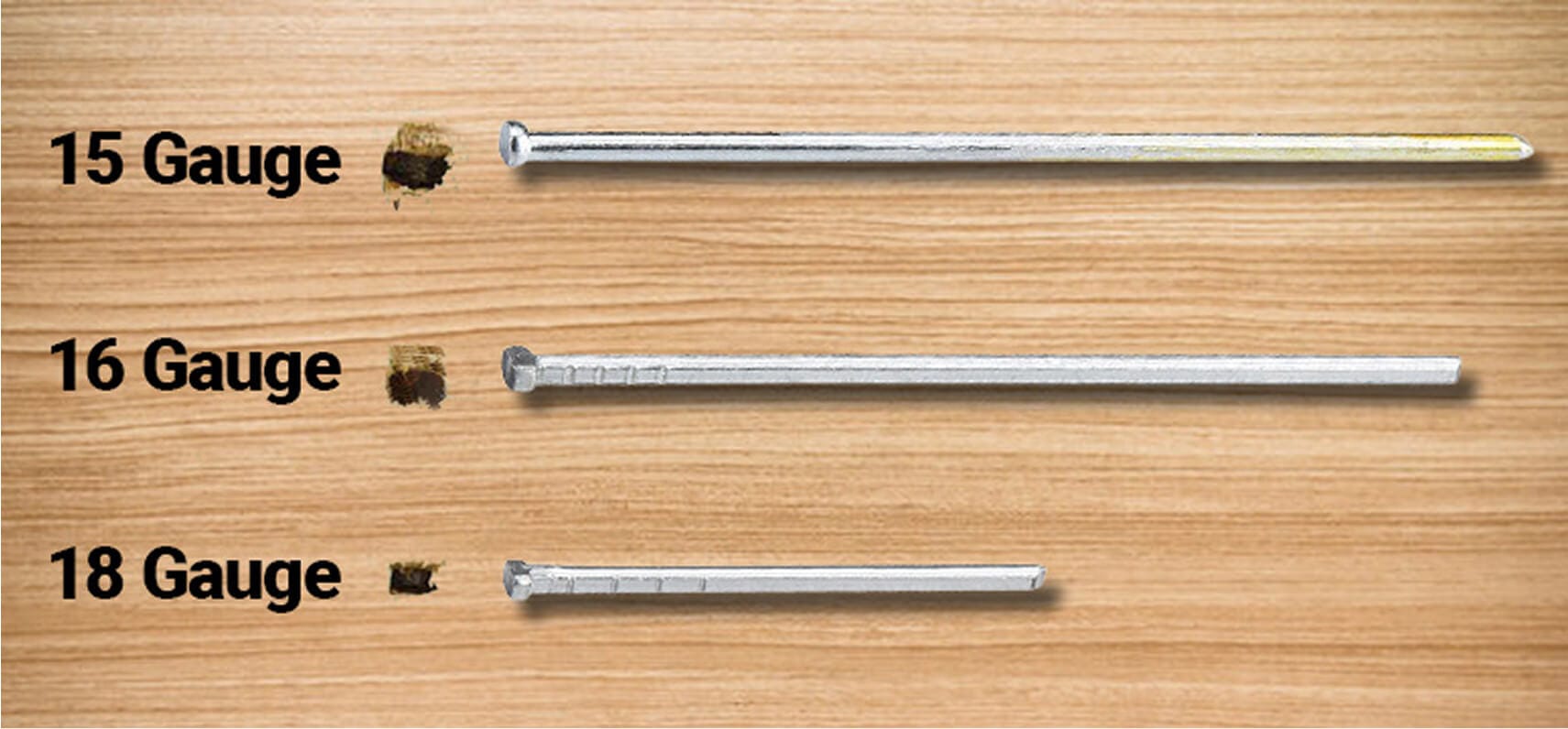
The term gauge simply means the thickness of the nail. A higher gauge number means a thinner nail. So, a 16 gauge nail is thicker than an 18 gauge nail. This difference affects everything from the look of your finished project to how well your materials stay together.
For example, if you want to attach trim without splitting it, a thinner nail is better. If you need strong support for a door frame, you need something thicker.
1. Nail Diameter And Size
The 16 gauge nail is about 1.6 mm thick, while the 18 gauge nail is about 1.2 mm thick. That might sound like a small difference, but it matters a lot.
- 16 gauge nails can hold heavier materials together.
- 18 gauge nails are better for delicate pieces and leave a smaller hole.
If you want your project to look neat, with less filling and sanding, the smaller holes of the 18 gauge nailer are an advantage.
2. Nail Length Options
Both types of nailers offer different nail lengths, but there are limits.
- 16 gauge nailers usually shoot nails from 1 inch up to 2.5 inches.
- 18 gauge nailers typically handle nails from ⅝ inch up to 2 inches.
If you need to fasten thick boards, the extra length from a 16 gauge nailer helps. For thin trim, the shorter nails from an 18 gauge nailer are usually enough.
3. Holding Power
Holding power means how strongly the nail keeps materials together.
- 16 gauge nails grip more, thanks to their thickness.
- 18 gauge nails offer less holding power, so they’re best for light work.
If you’re building cabinets, stairs, or installing heavy moldings, you’ll notice the difference. 16 gauge nails are less likely to pull out under stress.
4. Surface Finish And Appearance
A key reason people choose an 18 gauge nailer is for a clean finish. The thinner nails leave a very small hole, which means less filling and sanding.
- 16 gauge nails: Slightly bigger holes, more visible after painting unless filled well.
- 18 gauge nails: Tiny holes, often disappear with a bit of paint.
If you want your trim, crown molding, or furniture to look smooth and flawless, the 18 gauge tool is often better.
5. Splitting Risk
Sometimes, when you drive a thick nail into thin wood, the wood splits. This is a common mistake for beginners.
- 16 gauge nailers can split delicate trim or moldings if you’re not careful.
- 18 gauge nailers are safer for thin or fragile pieces.
If you work with softwoods or narrow trim, the thinner 18 gauge nailer helps avoid cracks and wasted material.
6. Wood Types And Applications
Different woods have different strengths and uses.
- 16 gauge nailers are good for medium to hard woods, like oak or maple.
- 18 gauge nailers work best with softwoods (pine, cedar) and MDF.
For example, when installing hardwood flooring or solid door casings, the 16 gauge gun is stronger. For picture frames or lightweight baseboards, the 18 gauge is usually enough.
7. Common Uses
Let’s look at some typical jobs for each nailer:
- 16 gauge nailer:
- Door and window casings
- Baseboards
- Stair treads and risers
- Larger crown molding
- Light framing
- 18 gauge nailer:
- Cabinet trim
- Small moldings
- Crafts and hobbies
- Paneling
- Shoe molding
If you often switch between heavy and light work, you might even need both.
8. Magazine Capacity
The magazine is the part of the nailer that holds the nails. A larger magazine means you reload less often.
- Most 16 gauge nailers can hold about 100-120 nails.
- 18 gauge nailers usually hold a similar amount, but the nails themselves are thinner and lighter.
This means you can work longer without stopping, especially with the lighter 18 gauge nails.
9. Tool Weight And Size
Weight and size affect how long you can work before getting tired.
- 18 gauge nailers are often lighter and more compact.
- 16 gauge nailers are usually a bit heavier and larger.
If you work on a ladder, or in tight spaces, the lighter 18 gauge nailer is easier to control.
:max_bytes(150000):strip_icc()/284-Air-Nailer-TipsPhotoNailSizes-2000-228dd4a86d7a4f8e9f767d74c8dda77f.jpg)
Credit: www.woodmagazine.com
10. Cost And Availability
Prices can change based on the brand and features, but in general:
- 18 gauge nailers are a bit cheaper than 16 gauge models.
- Nails for 18 gauge nailers also cost less.
If you’re on a budget or just starting out, the 18 gauge system is usually less expensive.
11. Corded Vs. Cordless Options
Both types come in corded (pneumatic) and cordless (battery-powered) versions.
- Cordless 16 gauge nailers are heavier but give you freedom to move.
- Cordless 18 gauge nailers are lighter and very portable.
If you want to avoid dragging a hose around, cordless nailers are a smart choice. However, battery life can be shorter on the more powerful 16 gauge models.

Credit: www.homedepot.com
12. Jamming And Maintenance
Nailers sometimes jam, especially if you use low-quality nails or the wrong size.
- 18 gauge nailers are slightly more likely to jam with bent or cheap nails.
- 16 gauge nailers are less sensitive but can still jam.
To avoid problems, always use the right nails and keep your tool clean. For beginners, a jam can slow you down, so pick a model with easy jam clearing.
13. Adjustability And Features
Many modern nailers come with extra features, such as:
- Depth adjustment: Lets you control how deep the nail goes.
- No-mar tips: Protect the wood surface.
- Tool-free jam release: Makes it easy to clear jams.
Both 16 and 18 gauge nailers offer these features, but higher-end 16 gauge models often have more adjustability.
14. Noise And Vibration
This is a detail many people miss. 16 gauge nailers tend to make more noise and have stronger recoil. If you’re working indoors or for long hours, the quieter 18 gauge nailer is less tiring.
Remember, using hearing protection is always smart with power tools.
15. Compatibility With Fasteners
Each nailer type uses its own kind of nails (fasteners).
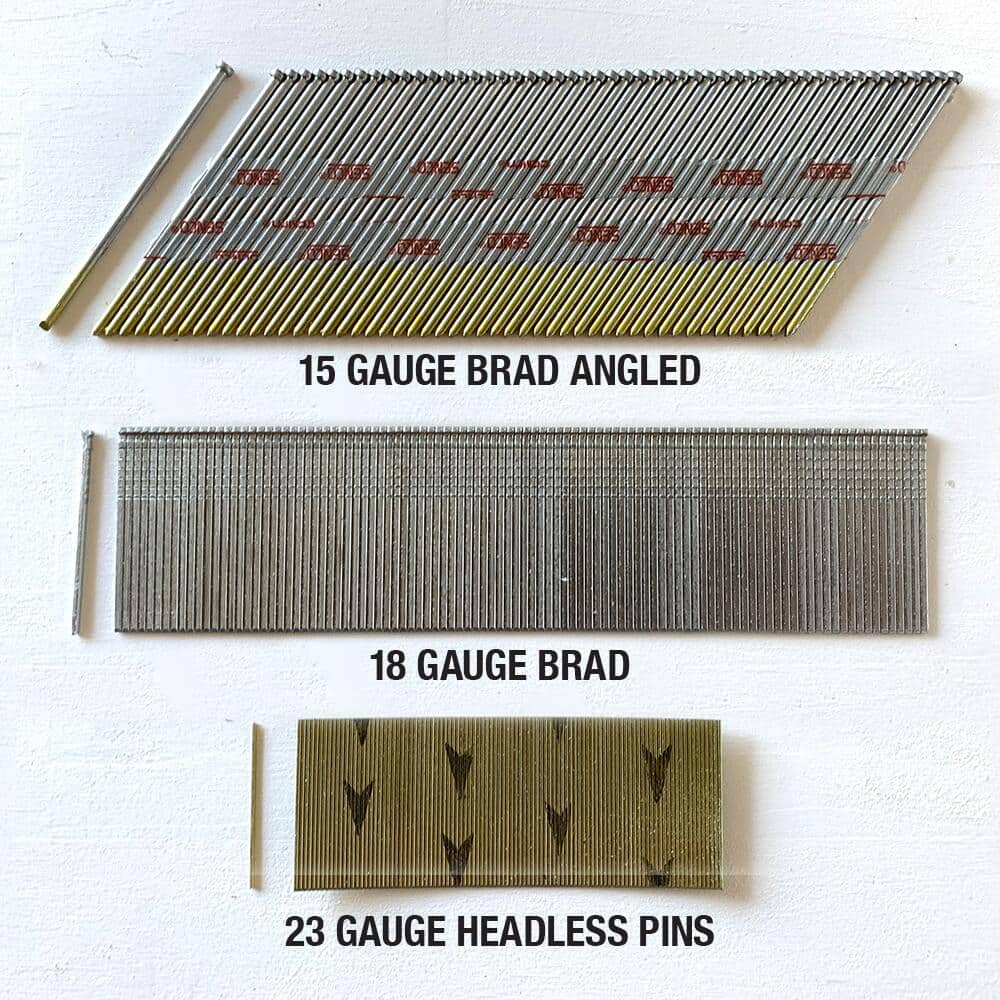
- 16 gauge nails are often “straight” or “angled”, and not interchangeable.
- 18 gauge nails are almost always straight.
If you buy a nailer, check which type of nail it uses. Angled nailers can fit into corners better, but you need to buy the right nails.

Credit: www.harborfreight.com
16. Versatility For Diy And Pros
If you want one tool for many jobs, which is better?
- 16 gauge nailers are more versatile for construction and repairs.
- 18 gauge nailers are best for finishing and detail work.
A professional might own both. If you’re a hobbyist, start with an 18 gauge nailer for trim and small projects. For heavy-duty tasks, invest in a 16 gauge later.
Here’s a quick comparison to help you see the differences at a glance:
| Feature | 16 Gauge Nailer | 18 Gauge Nailer |
|---|---|---|
| Nail Thickness | 1.6 mm | 1.2 mm |
| Nail Length | 1″ – 2.5″ | ⅝” – 2″ |
| Typical Uses | Baseboards, casings, heavy trim | Light trim, crafts, cabinets |
| Splitting Risk | Higher | Lower |
| Surface Hole Size | Larger | Smaller |
Practical Examples: When To Use Each Nailer
Let’s imagine some real-life situations:
- Installing Crown Molding: If your molding is large and heavy, the 16 gauge nailer holds better. For small decorative pieces, the 18 gauge works well.
- Building Cabinets: Use a 16 gauge nailer for the frames, and an 18 gauge for attaching trim.
- Picture Frames or Paneling: An 18 gauge nailer is best to avoid splitting the wood.
- Door Frames: If you want strength and long-term durability, go with the 16 gauge.
Real-world Performance Data
To help you see the differences, here’s a summary of how each nailer performs in common tasks:
| Task | Best Nailer | Reason |
|---|---|---|
| Thick Baseboards | 16 Gauge | Strong holding power |
| Thin Trim | 18 Gauge | Prevents splitting |
| Hardwood Flooring | 16 Gauge | Can handle tough wood |
| Lightweight Crafts | 18 Gauge | Small nail holes |
Hidden Details Most Beginners Miss
Many people only look at the nail size. But here are two extra points you should know:
- Material Compatibility: Some nailers only work with specific brands or types of nails. Check before you buy, or you may struggle to find refills in your area.
- Repair Costs: Thicker nails (16 gauge) can be harder to remove if you make a mistake. Thinner 18 gauge nails are easier to pull out and fix, which is helpful for beginners.
These small details can save you time and frustration during your project.
Which Nailer Should You Choose?
The answer depends on your needs:
- If you mostly do small trim work, furniture, or crafts, start with an 18 gauge nailer.
- If you build cabinets, do framing, or install large moldings, a 16 gauge nailer is better.
- For the most flexibility, consider owning both.
Still not sure? Try borrowing both from a friend or local tool library. Test them on scrap wood before buying.
For more technical information, you can read this guide from Wikipedia.
Frequently Asked Questions
What Is The Main Difference Between A 16 Gauge And 18 Gauge Nailer?
The main difference is nail thickness. A 16 gauge nailer uses thicker nails for stronger hold, while an 18 gauge nailer uses thinner nails for a cleaner finish and less splitting.
Can I Use 16 Gauge Nails In An 18 Gauge Nailer?
No. Never mix gauges. Each nailer is built for a specific gauge. Using the wrong size can damage the tool and your project.
Is An 18 Gauge Nailer Strong Enough For Baseboards?
For small baseboards, yes. But for thick or heavy baseboards, a 16 gauge nailer gives more strength and durability.
Which Nailer Is Better For Beginners?
Most beginners start with an 18 gauge nailer. It’s lighter, less likely to split wood, and works for many small projects.
Do Both Types Come In Cordless Versions?
Yes, you can buy both cordless and pneumatic (air-powered) 16 and 18 gauge nailers. Cordless models are more portable, but sometimes heavier or more expensive.
Choosing between a 16 gauge vs 18 gauge nailer can seem tough at first, but with the right knowledge, you’ll make a smart decision. Think about your projects, the materials you use, and your budget. If you invest in the right tool, your work will look better and last longer.