Chainsaw Bar Oil Type: What to Use and When

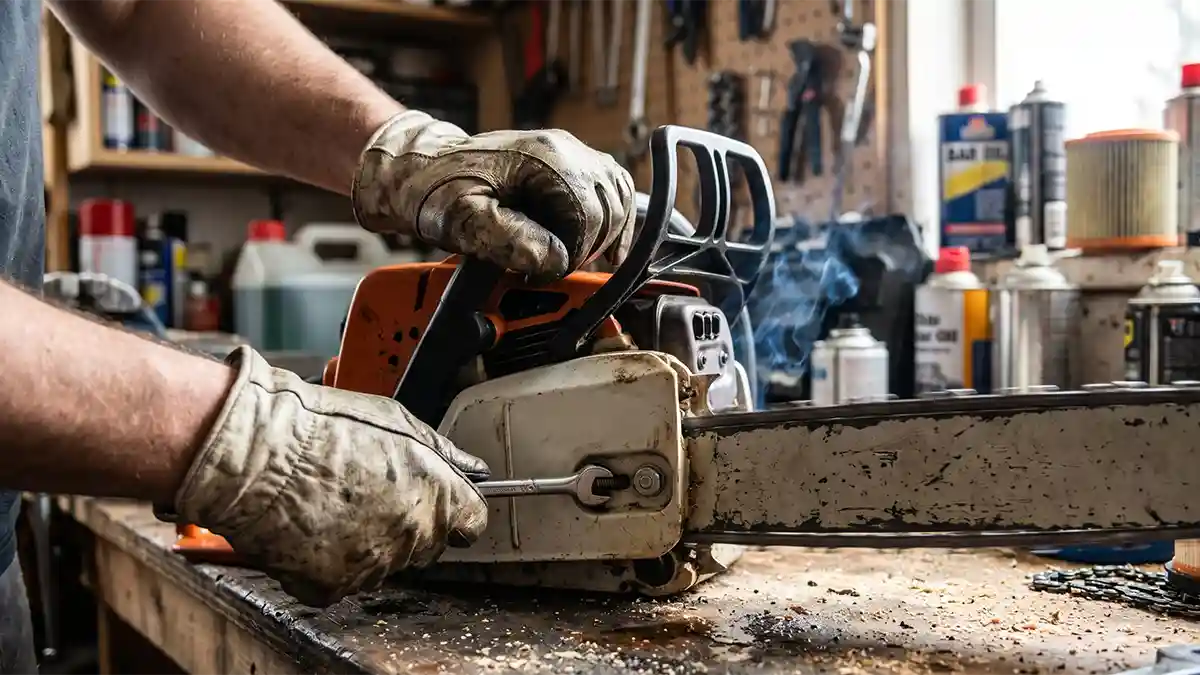
Chainsaw Bar Oil Type: What to Use and When Chainsaw bar oil is a specially formulated lubricant designed to stay on the bar and chain as they spin at high speed. The correct type is purpose-made bar and chain oil — a tacky, high-viscosity oil that clings to the chain instead of flinging off. The …

Read more

How to Use a Pole Saw Safely: Complete Guide for Homeowners

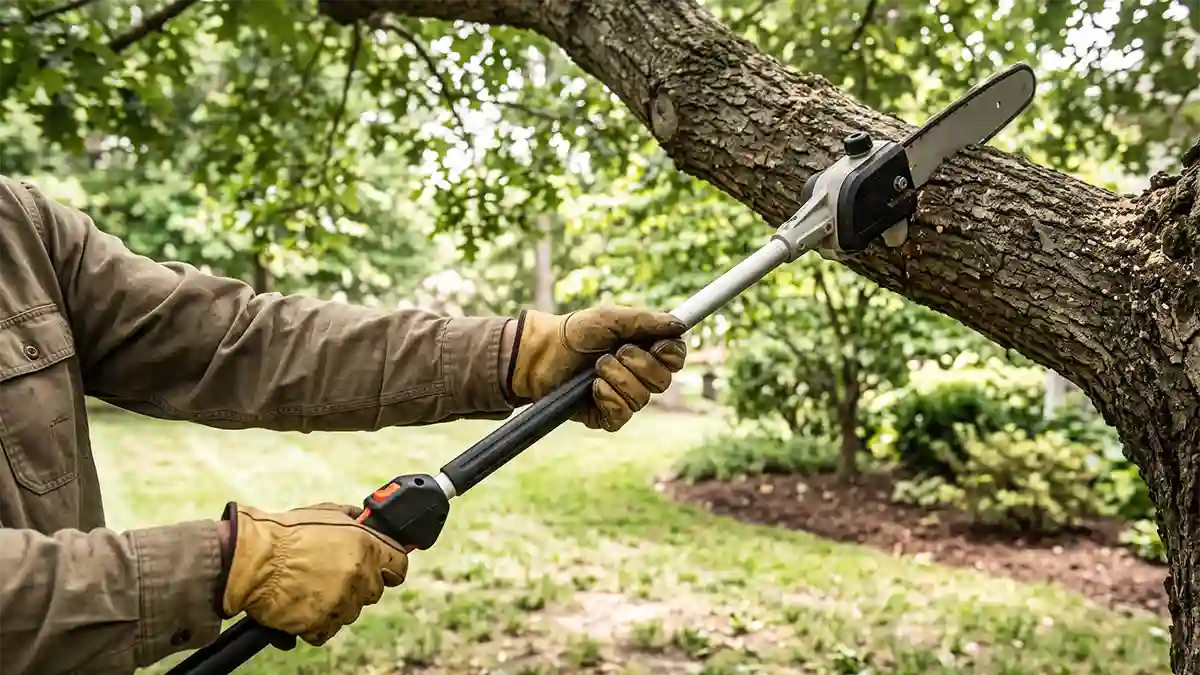
How to Use a Pole Saw Safely: Complete Guide for Homeowners A pole saw extends your reach to 8–16 feet for trimming overhead branches without a ladder — which is why it’s one of the safest tools for high-branch work. But overhead cutting introduces risks that ground-level cutting doesn’t: falling limbs, debris, and difficult saw …

Read more

Pole Saw vs Pruning Saw: Which One Do You Actually Need?

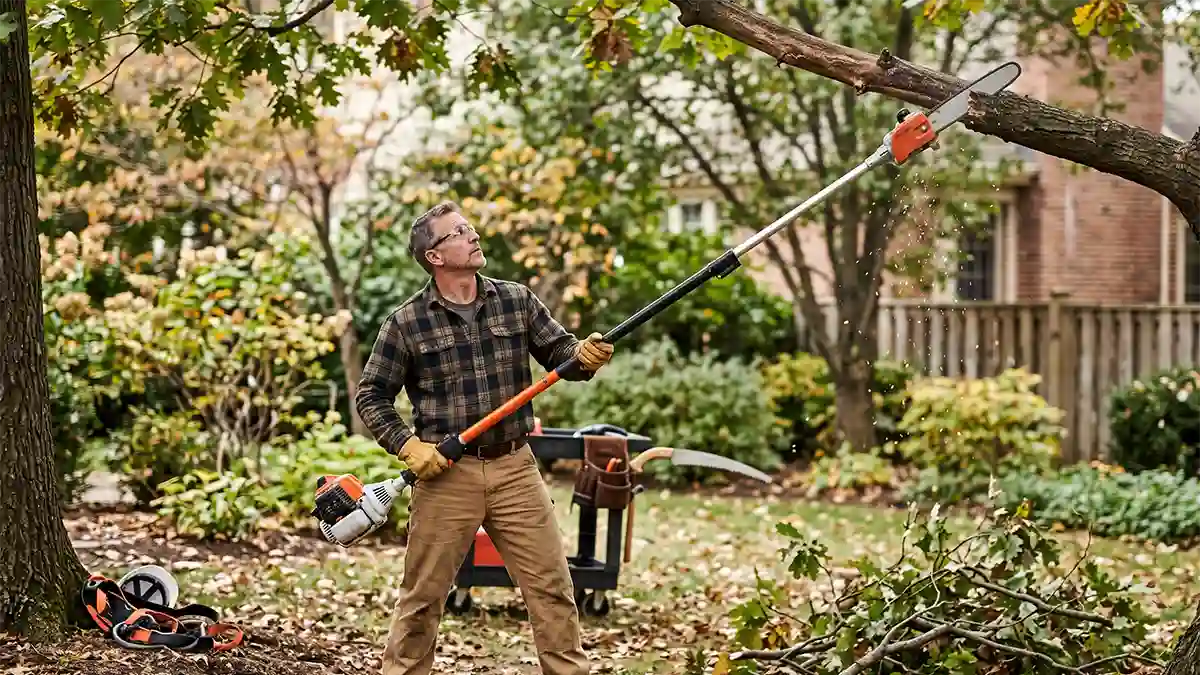
The pole saw vs pruning saw question shows up the moment you stand under an overgrown tree and realize a regular handsaw won’t reach. The short answer: a pole saw extends your cut up to 8–16 feet overhead from solid ground, while a pruning saw is a compact hand tool for branches you can reach …

Read more

Lawn Mower Wheel Won’t Turn: Causes and Fixes for Self-Propel Problems

lawn mower wheel wont turn

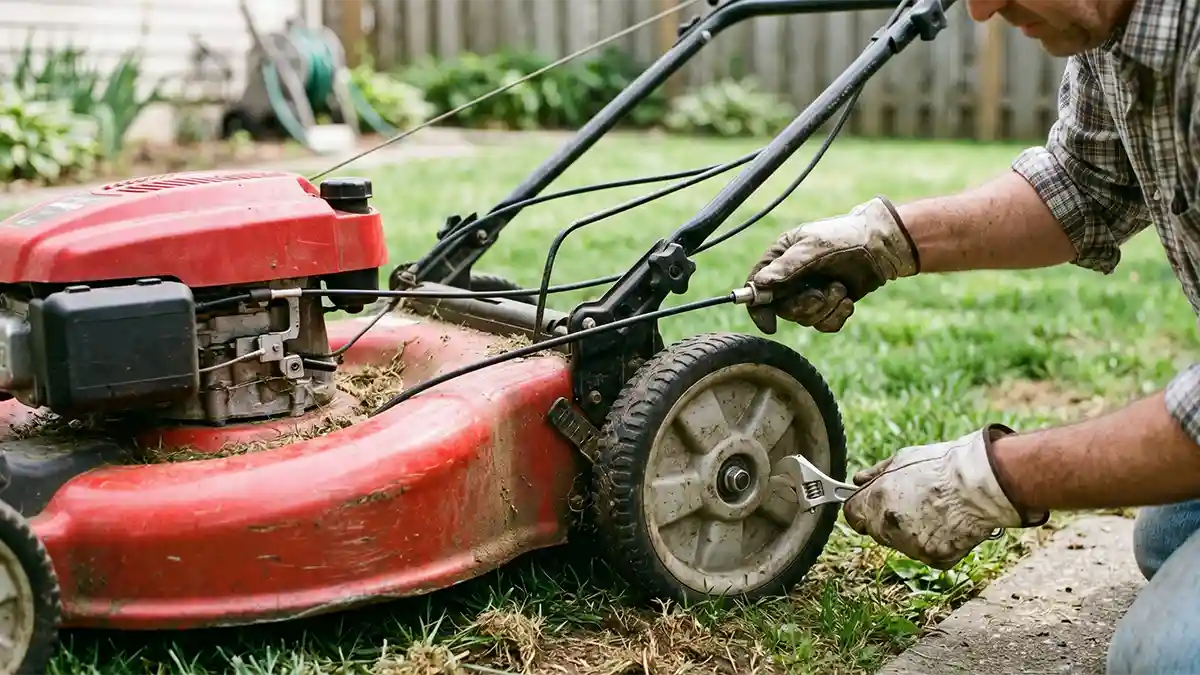
Lawn Mower Wheel Won’t Turn: Causes and Fixes for Self-Propel Problems When a lawn mower wheel won’t turn, the problem is almost always in the self-propel system — either a stretched or broken drive cable, worn wheel drive gears (pawls), a failed transmission, or a seized wheel from debris buildup. On non-self-propelled mowers, a wheel …

Read more

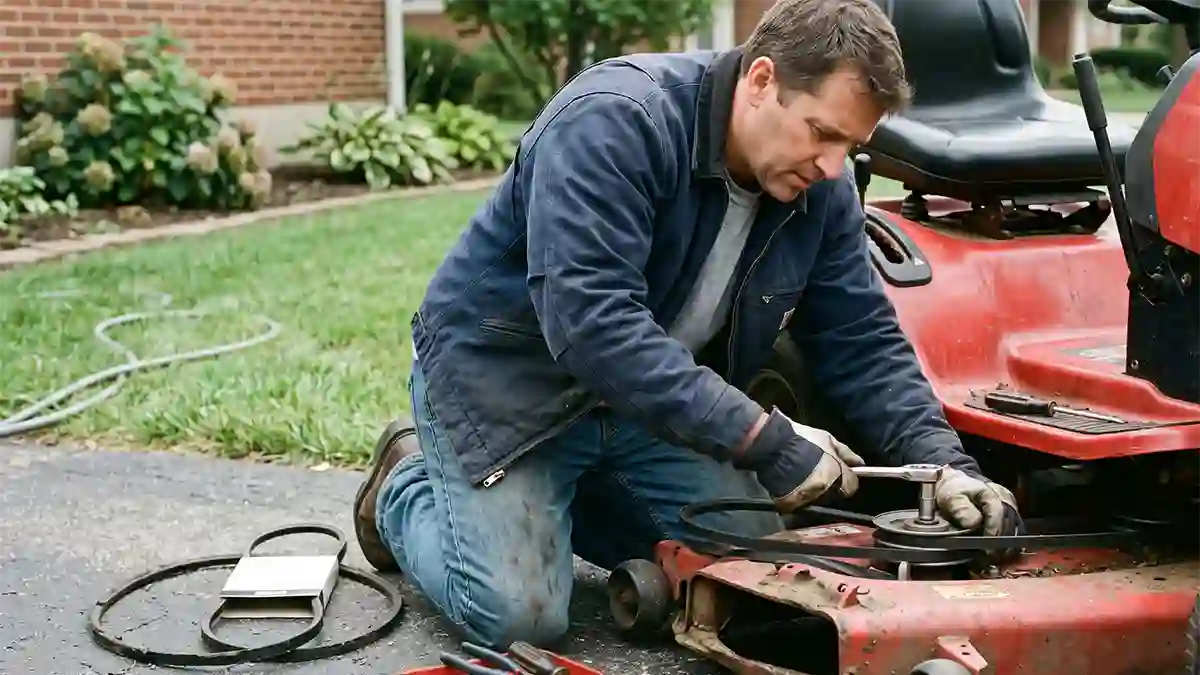
Lawn Mower Belt Replacement: Drive Belt and Blade Belt Guide

Lawn Mower Belt Replacement: Drive Belt and Blade Belt Guide Walk-behind lawn mowers typically have two belts: a blade belt (also called the deck belt) that drives the cutting blade, and on self-propelled models, a drive belt that powers the rear wheels through the transmission. Both belts wear out with use and require periodic replacement. …

Read more

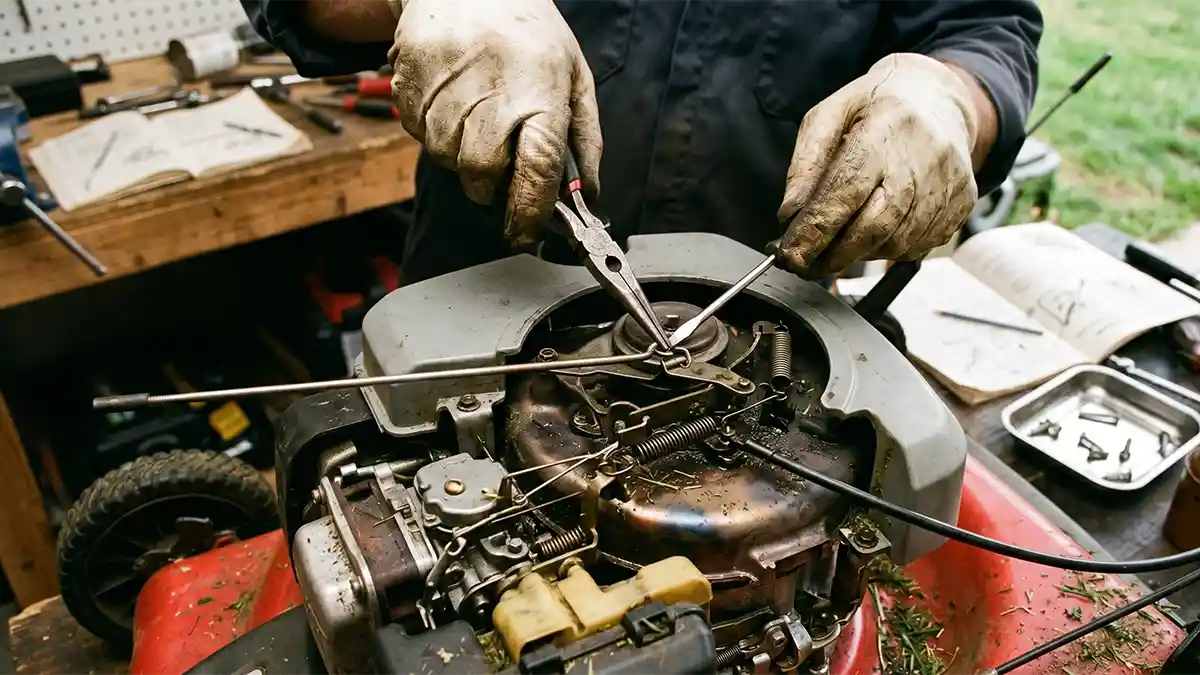
Lawn Mower Governor Adjustment: Fix Engine Surging and Speed Problems

lawn mower governor adjustment

The governor on a lawn mower engine maintains a consistent RPM under varying load — when the blade hits thick grass and slows down, the governor opens the throttle to compensate. When the governor is out of adjustment, you get engine surging (RPMs oscillating up and down), hunting (RPMs wildly fluctuating), or an engine that …

Read more

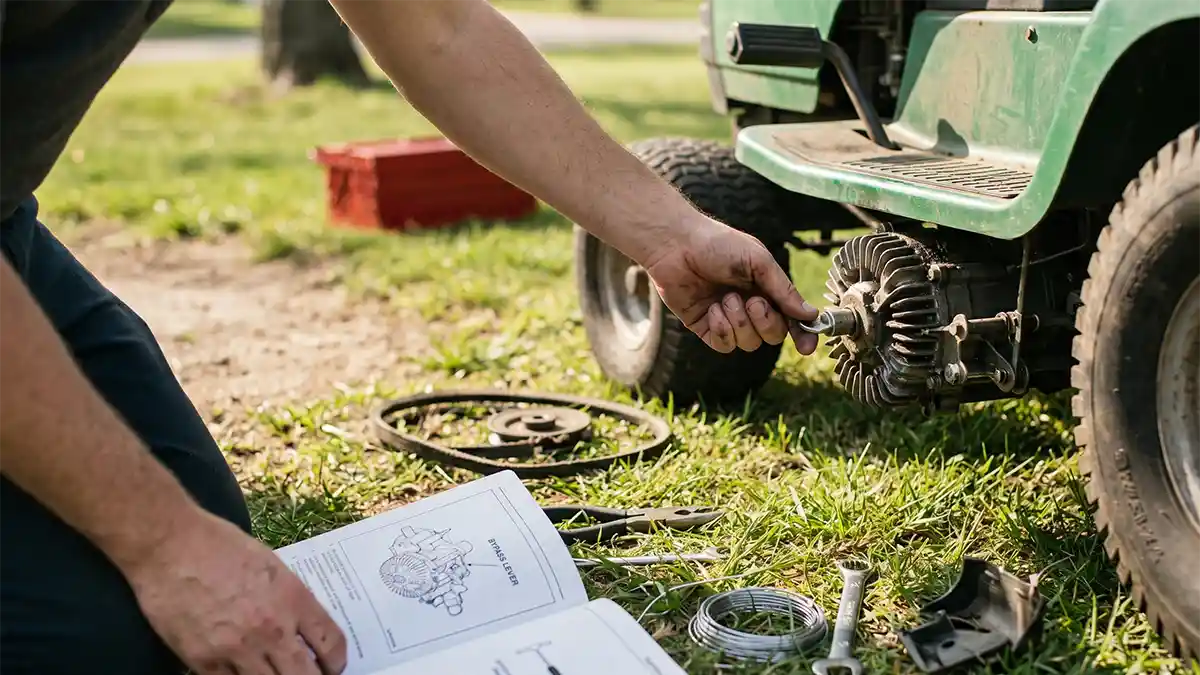
Riding Mower Won’t Move: Fix Hydrostatic and Drive System Problems

riding mower wont move fix

When a riding mower won’t move, the cause is almost always one of five things: the transmission bypass valve is open (a common post-storage mistake), the drive belt has broken, the hydrostatic transmission fluid is low or degraded, a brake interlock is engaged, or the transmission itself has failed. This guide walks through each cause …

Read more

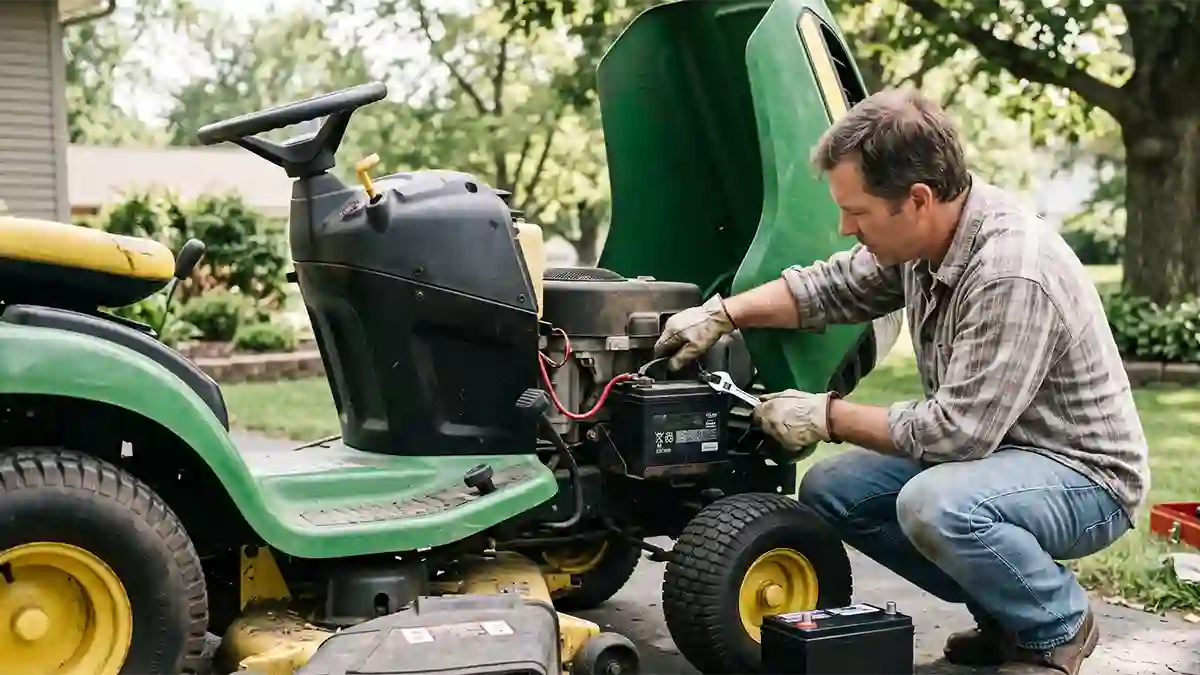
Riding Mower Battery Replacement: Size, Installation, and Maintenance

Riding Mower Battery Replacement: Size, Installation, and Maintenance Riding mower batteries are 12-volt lead-acid batteries — the same technology as car batteries, just smaller. When your riding mower clicks but won’t start, cranks slowly, or won’t turn over at all, the battery is usually the first thing to check. This guide covers how to choose …

Read more

🛒 Affiliate Disclosure: As an Amazon Associate, I earn from qualifying purchases. Some links on this site are affiliate links — clicking them may earn us a small commission at no extra cost to you. Learn more