
Choosing the right planer blade can make a huge difference in your woodworking projects. Many beginners find it hard to pick the correct blade, but the choice affects the finish, speed, and even the safety of your work. If your blade is not suitable, you might get rough surfaces, wasted wood, or even damage your planer.
This guide will help you understand everything you need to know so you can buy the perfect planer blade for your needs, avoid common mistakes, and get professional results every time.
Understanding Planer Blades
Planer blades are the heart of any planer. They cut and smooth the wood, shaping it to your desired thickness and finish. Most woodworkers use either a benchtop planer or a hand planer, and the blades for these tools come in many shapes, sizes, and materials.
Some planers use a single blade, while others use two or three. More blades usually mean a smoother finish, but it also depends on the quality and sharpness of the blade itself.
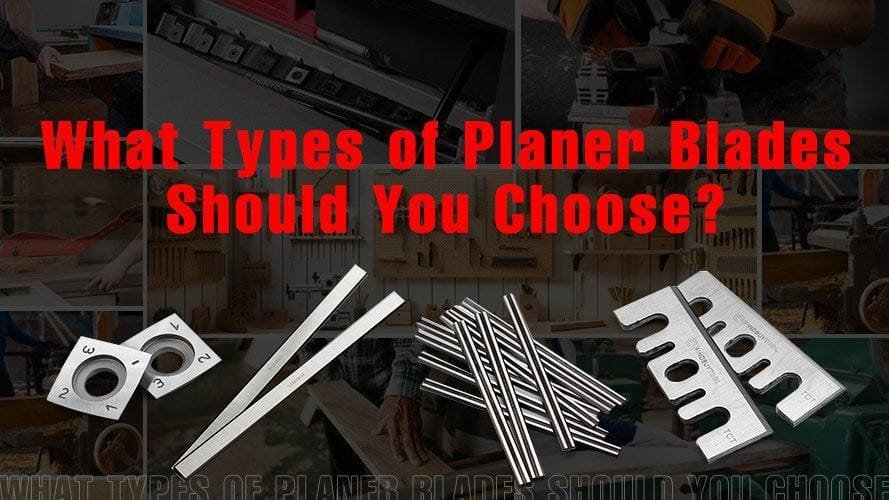
The main types of planer blades include:
- Straight knives: Most common, used for general woodworking.
- Helical or spiral blades: Made of many small inserts, these are quieter and create a smoother surface.
- Disposable blades: Cheap and easy to replace, but not as long-lasting.
Understanding your tool and project needs is the first step to selecting the right blade.
Key Factors When Choosing A Planer Blade
Choosing a planer blade is not just about size. You should consider several important factors that impact performance, durability, and value.
1. Blade Material
The material of the blade affects how long it stays sharp and how it handles tough woods.
- High-Speed Steel (HSS): Very common, sharp, and affordable. Good for soft and medium hardwoods, but dulls faster.
- Carbide: Much harder and stays sharp longer. Best for heavy use, hardwoods, and even some plastics. More expensive than HSS.
- Powdered Metal: Used in high-end blades. Offers a mix of toughness and sharpness, but often overkill for hobbyists.
Non-obvious insight: If you mostly work with reclaimed wood, invest in carbide blades. Nails and dirt in reclaimed wood can quickly ruin HSS blades, but carbide handles these better.
2. Blade Size And Compatibility
Your planer model decides the length, width, and thickness of the blade you need. Using the wrong size can cause poor cuts or even damage the machine.
Always check your tool’s manual or the manufacturer’s website for the exact blade size. Measure your old blade if you are unsure. Even a small difference in length (like 1/8 inch) can make a blade unusable.
3. Number Of Blades
More blades usually give a smoother finish because there are more cuts per inch of wood. Benchtop planers often have two or three blades.
- Single-blade: Slower, rougher finish, easier to replace.
- Two-blade: Good balance for hobbyists.
- Three-blade: Fast, smooth, but more expensive.
If you want a glass-like surface, choose a planer with three blades and buy the matching set.
4. Blade Edge Type
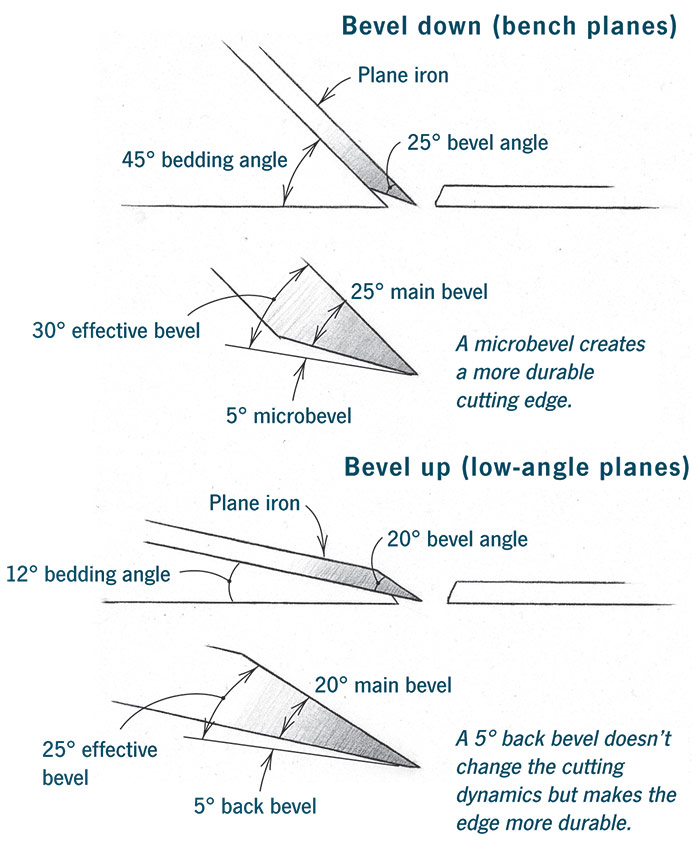
The edge of the blade can be straight, slightly curved, or have a micro-bevel.
- Straight edge: Clean, flat surfaces.
- Curved edge: Reduces lines and ridges.
- Micro-bevel: Increases durability and life, but can slightly change the cutting angle.
Pro tip: Curved edges are ideal for finishing passes, while straight edges are better for quick thickness removal.
5. Replaceable Vs. Sharpenable Blades
Some blades can be sharpened several times, while others are meant to be thrown away.
- Disposable: Fast and easy. No sharpening skills needed. Best for those who value convenience.
- Sharpenable: Cost-effective over time. Requires time and skill to keep sharp.
If you do a lot of planing, investing in sharpenable blades can save money in the long run.
6. Cost And Value
Blades range from $10 per pair (disposable HSS) to over $100 (premium carbide). Consider both the upfront cost and how often you will replace or sharpen them.
Non-obvious insight: Buying cheap blades for a high-end planer is like putting budget tires on a sports car. Always match blade quality to your planer and project needs.
Credit: woodworkersworkshop.co.uk
Comparing Popular Planer Blade Materials
To help you see the differences, here is a quick comparison of the most common blade materials:
| Material | Sharpness | Durability | Best For | Cost |
|---|---|---|---|---|
| High-Speed Steel (HSS) | Very Sharp | Medium | Soft/Medium Hardwoods | Low |
| Carbide | Sharp | Very High | Hardwoods, Reclaimed Wood | High |
| Powdered Metal | Extremely Sharp | Very High | Professional Use | Very High |
Planer Blade Types Explained
Not all blades are made the same. Here is a breakdown of the main types you will find:
1. Straight Knives
These are the most common. They cut the wood in a straight line and are easy to sharpen or replace. Most benchtop and hand planers use straight knives.
2. Helical Or Spiral Blades
These are made from many small inserts, arranged in a spiral pattern. Each insert has several cutting edges, so you can rotate them when one side gets dull. Helical blades are quieter, produce fewer tear-outs, and leave a smoother surface.
| Blade Type | Noise Level | Finish Quality | Maintenance |
|---|---|---|---|
| Straight Knife | Louder | Good | Sharpen/Replace Whole Blade |
| Helical/Spiral | Quieter | Excellent | Rotate/Replace Inserts |
3. Disposable Blades
Disposable blades are often made from HSS and sold in packs. They are simple to replace, making them popular for quick jobs or when you don’t want to spend time sharpening.
4. Double-edged Blades
Some blades have two cutting edges. When one side is dull, flip it over and use the other edge. This doubles the life of the blade and saves time on replacements.
Credit: www.finewoodworking.com
Matching The Blade To Your Project
The type of wood, the size of the job, and the finish you want all affect which blade you should choose.
Softwoods Vs. Hardwoods
- Softwoods (pine, fir): HSS blades work well and are cost-effective.
- Hardwoods (oak, maple): Choose carbide or higher-quality HSS blades to avoid rapid dulling.
Surface Finish
If you want a very smooth finish with little sanding needed, use a three-blade system or a helical head. For rough sizing, a two-blade straight knife is usually enough.
Heavy Stock Removal
For removing a lot of material fast, thicker and more durable blades are best. Thinner blades may chatter or break under stress.
How To Avoid Common Planer Blade Mistakes
Even experienced woodworkers make errors when buying or using planer blades. Here are some common mistakes and how to avoid them:
- Ignoring blade compatibility: Always double-check your planer’s manual.
- Choosing the wrong material: HSS wears out quickly on hardwoods or reclaimed wood.
- Not replacing blades soon enough: Dull blades can burn wood and strain your planer.
- Improper installation: A poorly installed blade can cause uneven cuts and safety risks.
- Forgetting about sharpening: If you buy sharpenable blades, learn to sharpen them properly or find a professional.
Pro tip: If you notice burning smells, tear-outs, or louder noise, check your blade immediately.
How To Check Planer Blade Wear
It’s important to know when your blade needs replacement or sharpening. Here’s how to spot blade wear:
- Rough or ribbed surfaces: The wood feels fuzzy or has ridges.
- Burn marks: Dull blades heat up and burn the wood.
- Increased noise: Planers get louder with dull blades.
- Frequent jams: Blades that can’t cut easily will jam more often.
Checking your blades after every 10-20 hours of use is a good habit.
Installation And Care Tips
Getting the most from your planer blades also depends on installation and maintenance.
- Clean your planer regularly. Dust and sap can reduce blade life.
- Tighten all screws and bolts firmly, but don’t overtighten.
- Use a blade setting jig for precise alignment.
- Rotate or flip double-edged blades when one side is dull.
- Store spare blades in a dry, safe place.
For blade and cutterhead safety, review OSHA’s woodworking knife and cutterhead guidance. Confirm blade compatibility and replacement procedures using the manual for your exact planer model.
Credit: www.findbuytool.com
Planer Blade Brands And Quality
Not all brands deliver the same results. Some respected names in planer blades are:
- DeWalt
- Makita
- Freud
- Bosch
- WEN
Well-known brands often give better steel quality, sharper edges, and more consistent sizing. Avoid unknown brands with no reviews, as they may not fit your planer correctly.
Choosing Planer Blades: Quick Comparison
If you’re still unsure, here’s a simple comparison of what matters most:
| Feature | HSS Blade | Carbide Blade | Helical Head |
|---|---|---|---|
| Initial Cost | Low | High | Very High |
| Longevity | Medium | High | Highest |
| Ease of Replacement | Easy | Easy | Moderate (insert rotation) |
| Finish Quality | Good | Good | Excellent |
| Noise Level | Loud | Loud | Quiet |
When To Upgrade Your Planer Blade
You should consider upgrading your blade if:
- You’re working with harder woods more often.
- The finish quality is not meeting your expectations.
- You need to reduce downtime from sharpening or replacement.
- Your current blades chip or dull quickly.
Sometimes, investing in a better blade saves money and time over months or years of use.
Blade Fit and Replacement Checklist
Before buying replacement planer knives, record the exact planer model and the blade dimensions specified by its manufacturer. Check length, width, thickness, mounting-hole pattern, and whether the cutterhead accepts reversible disposable knives or resharpenable blades. Similar-looking knives are not necessarily interchangeable. Disconnect power before opening the cutterhead area, and follow the tool manual for blade seating, fastener torque, and alignment. Replace damaged or chipped knives rather than attempting an improvised repair. After installation, rotate the cutterhead by hand only as directed in the manual to check clearance, then make a shallow test pass on scrap stock while standing clear of the feed path. Never bypass guards or operate with an unsecured knife.
Frequently Asked Questions
How Do I Know Which Planer Blade Fits My Tool?
Check your planer’s user manual or the manufacturer’s website for the exact blade size and type. If you have the old blade, measure its length, width, and thickness before buying a replacement.
Can I Sharpen Disposable Planer Blades?
Most disposable blades are not designed for sharpening. Attempting to do so can give poor results and may damage the blade. For longer use, choose blades that are made for sharpening.
Are Carbide Blades Worth The Extra Cost?
For heavy users, working with hardwoods, or planing reclaimed wood, carbide blades last much longer and handle tough materials better. For occasional softwood planing, HSS is usually enough.
What Happens If I Use A Dull Planer Blade?
A dull blade can burn the wood, leave rough surfaces, and strain the planer motor. This leads to poor quality work and possible tool damage. Replace or sharpen dull blades quickly.
How Often Should I Replace Or Sharpen My Planer Blade?
It depends on the wood type, blade material, and usage. There is no reliable universal replacement interval in hours; inspect the cut quality and follow the planer and blade manufacturers’ wear and replacement instructions. Always replace or sharpen if you see rough finishes or burn marks.
For differences between wood-surfacing machines, see our planer vs jointer comparison.
Selecting the right planer blade is one of the smartest things you can do for quality woodworking. It saves time, reduces waste, and gives you the smooth finish you want. By understanding your needs, checking compatibility, and matching the blade material to your projects, you’ll work faster and get better results.
Take the time to choose wisely—your planer (and your wood) will thank you.