
Last Updated: March 20, 2026
Cutting a straight line with a jigsaw might seem tricky at first, but with the right approach, you can achieve clean, precise cuts every time. If you’ve ever struggled with wobbly edges or uneven lines, you’re not alone.
The good news is that your jigsaw is more than capable of making straight cuts—it just needs a little guidance. You’ll discover simple tips and easy-to-follow techniques that will help you cut straight lines confidently, whether you’re working on a DIY project or professional woodworking.
Ready to master your jigsaw and get those perfect straight cuts? Let’s dive in!
Choosing The Right Jigsaw Blade
Choosing the right jigsaw blade is crucial for cutting a straight line accurately. The blade affects the smoothness and precision of your cut. Picking an unsuitable blade can lead to rough edges or uneven lines. Understanding blade types and their features helps you select the best option for your project.
Blade Types For Straight Cuts
There are different blade types designed for various materials and cuts. For straight cuts, use blades with fine teeth and a straight design. T-shank blades are popular due to their stability and ease of use. Narrow blades offer better control for detailed cuts, while wider blades provide strength for longer cuts. Choose a blade type that matches your material and cutting needs.
Blade Tpi And Material
TPI means teeth per inch. Blades with more teeth give smoother cuts but cut slower. Fewer teeth cut faster but leave rough edges. For straight cuts, a blade with 10 to 14 TPI works well on wood. High-carbon steel blades suit softwood and plywood. Bi-metal blades last longer and cut harder materials like metal. Match the blade material with your workpiece for clean, straight lines.
Preparing Your Workspace
Preparing your workspace is the first step in cutting a straight line with a jigsaw. A clean, organized area helps you work safely and accurately. Setting up properly reduces mistakes and makes the job easier. Take time to arrange your tools and materials before you start.
Securing The Material
Hold the material firmly in place to avoid movement during cutting. Use clamps to secure it to a stable workbench or table. This prevents slipping and ensures a steady cut. Make sure the material is flat and well-supported along the cutting line.
Marking The Cut Line
Draw a clear, straight line where you want to cut. Use a ruler or straight edge for accuracy. Mark the line with a pencil or fine marker. Visible guidelines help you follow the right path with the jigsaw blade.
Setting Up The Jigsaw
Setting up your jigsaw correctly is key to cutting straight lines. The tool must be stable and adjusted to match the material and cut type. Proper setup reduces mistakes and helps you work faster. Two important steps are adjusting the base plate and selecting the right speed. Both affect control and cut quality.
Adjusting The Base Plate
The base plate keeps the jigsaw flat on the material. Check if it is clean and not bent. A warped base plate causes uneven cuts. Loosen the screws to adjust the plate angle. Set it to zero degrees for straight cuts. Tighten the screws securely to avoid movement during cutting. A steady base plate guides the jigsaw along the line smoothly.
Selecting The Correct Speed
Jigsaws have variable speed controls. Choose a slower speed for hard materials like metal or thick wood. Faster speeds work better on soft wood or thin sheets. Too fast can cause the blade to bend or jump off the line. Too slow may burn the wood or stall the blade. Match speed with material and blade type for clean, straight cuts.
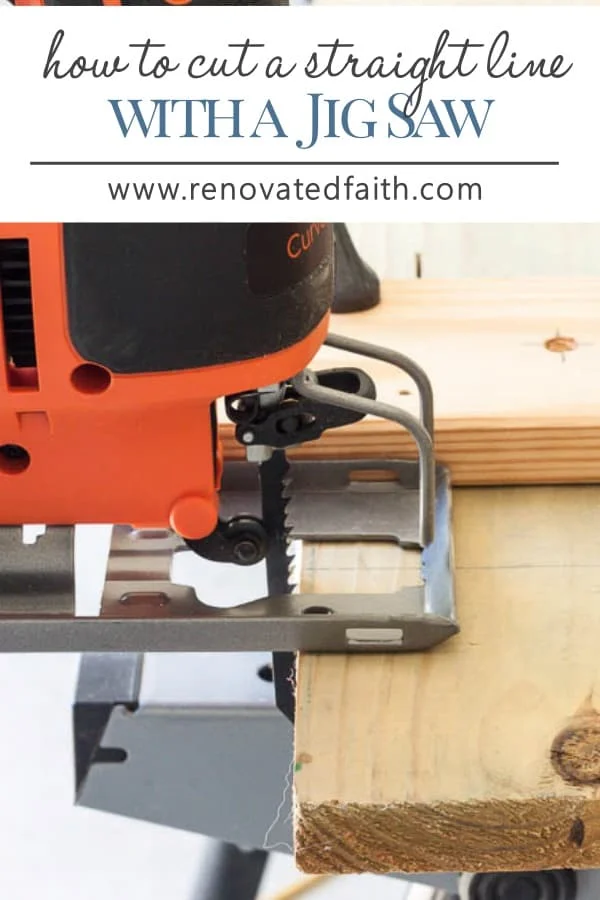
Credit: renovatedfaith.com
Techniques For Straight Cutting
Cutting a straight line with a jigsaw requires practice and the right approach. Straight cuts depend on steady control and accurate guidance. Using proper techniques helps avoid wavy or uneven edges. Below are two key methods to improve your straight cutting skills with a jigsaw.
Using A Guide Or Fence
A guide or fence keeps your jigsaw on track. Clamp a straight piece of wood or metal along the cut line. This acts as a barrier, preventing the jigsaw from drifting away. Position the base plate of the jigsaw firmly against the guide before starting. Move the jigsaw slowly while maintaining contact with the guide. This technique ensures cleaner, straighter cuts.
Maintaining Steady Hand Pressure
Hold the jigsaw firmly but do not force it. Apply even pressure to keep the blade steady. Let the saw do the work, avoiding pushing too hard. A steady hand prevents the blade from bending or wandering. Keep your body balanced and your arm relaxed. Smooth, controlled movements help maintain a straight line throughout the cut.
Common Mistakes To Avoid
Cutting a straight line with a jigsaw can be tricky. Many beginners make simple mistakes that affect the cut quality. Avoiding these errors helps achieve clean, straight cuts every time. Focus on common pitfalls that slow you down or damage your workpiece.
Forcing The Jigsaw
Do not push the jigsaw too hard. Forcing the tool causes blade bending and rough edges. Let the blade cut at its own speed. Apply gentle pressure and guide the jigsaw steadily. Forcing leads to uneven lines and can damage the motor. A smooth, slow cut gives better control and straighter lines.
Ignoring Blade Condition
Always check the blade before starting. A dull or damaged blade makes cutting difficult. It can wander off the line or create splinters. Replace blades regularly for clean cuts. Using the right blade type for your material also matters. Sharp blades cut faster and stay on track better.
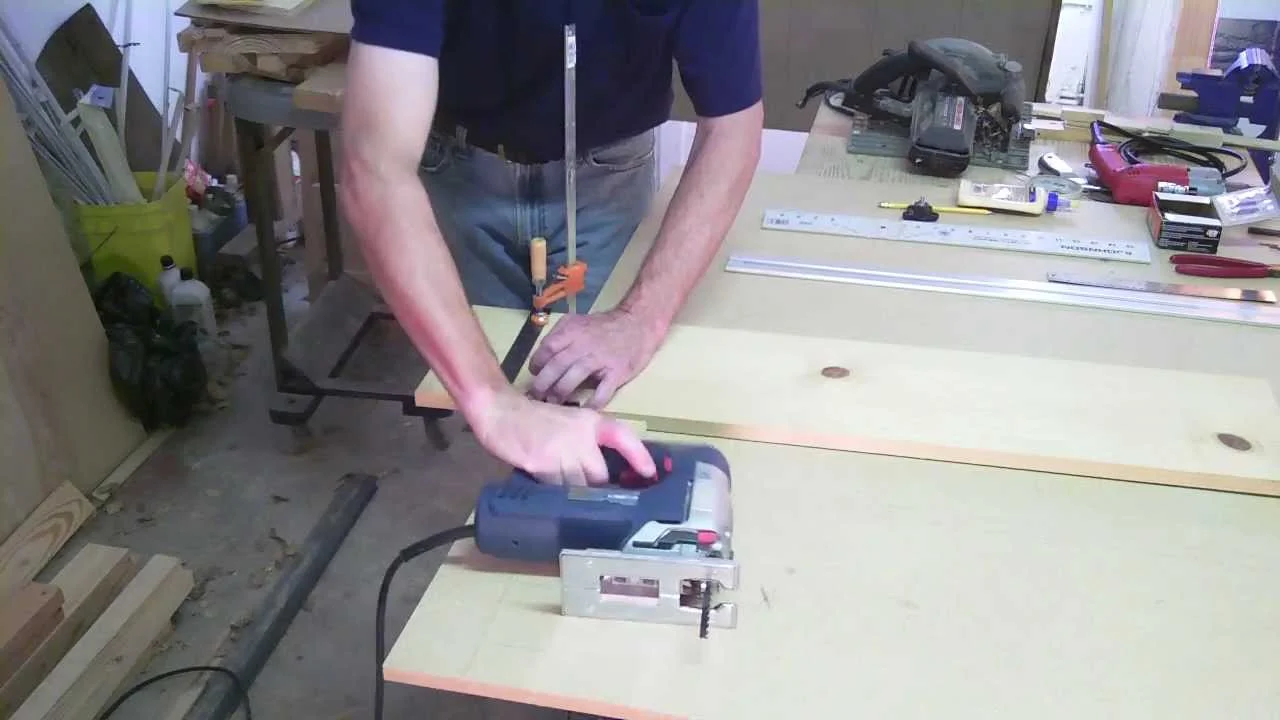
Credit: www.youtube.com
Finishing Touches After Cutting
After cutting a straight line with a jigsaw, the work is not done yet. Finishing touches help improve the look and function of your cut piece. They make your project safer and give it a polished appearance. Taking time with these steps ensures better results.
Sanding The Edges
Edges cut by a jigsaw can be rough or uneven. Sanding smooths these edges and removes splinters. Use medium-grit sandpaper first to even out the surface. Then switch to fine-grit paper for a smooth finish. Sand in the direction of the grain to avoid scratches. This step makes your piece safer to handle and ready for painting or staining.
Checking For Accuracy
Check your cut line to ensure it is straight and precise. Use a ruler or straight edge to measure along the cut. Look for any curves or deviations from the line. Mark any areas that need correction. Small adjustments can be made by sanding or trimming. Confirming accuracy ensures your project fits together well and looks professional.
Credit: thriftdiving.com
Frequently Asked Questions
How To Cut Perfectly Straight Lines With A Jigsaw?
Clamp a straight edge guide along the cutting line. Use a sharp, fine-tooth blade. Keep the jigsaw base flat and steady. Cut slowly, following the guide closely. Maintain firm control to avoid wobbling and ensure a perfectly straight cut.
Why Won’t My Jigsaw Cut Straight?
Your jigsaw may not cut straight due to a warped or bent base plate. Check and straighten the base for accurate cuts. Also, use the correct blade, steady speed, and guide the jigsaw firmly along a marked line to maintain straightness.
What Is The Best Tool To Cut A Straight Line In Wood?
The best tool for cutting a straight line in wood is a table saw or miter saw for precision. A circular saw with a guide also works well for versatile, long cuts. Use a speed square with a circular saw for shorter, straight crosscuts.
How To Make A Perfect Cut With A Jigsaw?
Secure the workpiece firmly. Use a sharp, appropriate jigsaw blade. Mark the cut line clearly. Guide the jigsaw slowly along the line without forcing. Keep the base flat on the surface for stability.
How Do I Ensure A Straight Cut With A Jigsaw?
Use a guide or straight edge to follow while cutting for accuracy.
What Type Of Jigsaw Blade Cuts Straight Lines Best?
Choose a fine-toothed, narrow blade designed for straight, clean cuts.
Conclusion
Cutting a straight line with a jigsaw is simpler than it seems. Use a guide or straight edge for accuracy. Keep the blade sharp and choose the right speed. Steady your hand and move slowly along the line. These steps help achieve clean, straight cuts every time.
Practice a few times to build confidence. Soon, you will handle your jigsaw like a pro. Remember, patience and the right technique matter most. Now, you are ready to make straight cuts with ease.
Related reading: circular saw blade teeth guide.
Related reading: how to clean saw blades.
Related reading: how to sharpen saw blades.
Related reading: how to measure band saw blades.
Related reading: what diamond saw blades are used for.
Related reading: how to sharpen table saw blades.
Related reading: jigsaw vs router comparison.
Related reading: jigsaw vs circular saw comparison.
Related reading: how to use a reciprocating saw blade.
Related reading: scroll saw vs jigsaw comparison.
Related reading: chop saw vs circular saw comparison.
{ “@context”: “https://schema.org”, “@type”: “Article”, “headline”: “How to Cut a Straight Line With a Jigsaw: Expert Tips Revealed”, “description”: “Learn how to cut a straight line with a jigsaw by understanding proper blade selection, guide use, and steady hand techniques for precise woodworking results.”, “url”: “https://www.powertoolstoday.com/cut-straight-line-jigsaw/”, “datePublished”: “2025-11-18”, “dateModified”: “2026-03-18”, “author”: { “@type”: “Organization”, “name”: “Power Tools Today”, “url”: “https://www.powertoolstoday.com” }, “publisher”: { “@type”: “Organization”, “name”: “Power Tools Today”, “url”: “https://www.powertoolstoday.com” }, “mainEntityOfPage”: { “@type”: “WebPage”, “@id”: “https://www.powertoolstoday.com/cut-straight-line-jigsaw/” }, “image”: { “@type”: “ImageObject”, “url”: “https://www.powertoolstoday.com/wp-content/uploads/2025/11/how-to-cut-a-straight-line-with-a-jigsaw.webp” } }{ “@context”: “https://schema.org”, “@type”: “Article”, “headline”: “How to Cut a Straight Line With a Jigsaw: Expert Tips Revealed”, “description”: “Learn how to cut a straight line with a jigsaw by understanding proper blade selection, guide use, and steady hand techniques for precise woodworking results.”, “url”: “https://www.powertoolstoday.com/cut-straight-line-jigsaw/”, “datePublished”: “2025-11-18”, “dateModified”: “2026-03-19”, “author”: { “@type”: “Organization”, “name”: “Power Tools Today”, “url”: “https://www.powertoolstoday.com” }, “publisher”: { “@type”: “Organization”, “name”: “Power Tools Today”, “url”: “https://www.powertoolstoday.com” }, “mainEntityOfPage”: { “@type”: “WebPage”, “@id”: “https://www.powertoolstoday.com/cut-straight-line-jigsaw/” }, “image”: { “@type”: “ImageObject”, “url”: “https://www.powertoolstoday.com/wp-content/uploads/2025/11/how-to-cut-a-straight-line-with-a-jigsaw.webp” } }nnnn