
Taking care of your hand tools is not just for professionals. Anyone who uses a wrench, hammer, or screwdriver can benefit from good maintenance. Well-kept tools last longer, work better, and keep you safe. Neglecting simple care can lead to rusty blades, broken handles, or even accidents.
Whether you are a weekend DIYer or a full-time tradesperson, a few practical habits can make your hand tools dependable for years.
In this article, you’ll find clear and practical hand tool maintenance tips. You will discover how to clean, store, and protect your tools. You’ll also learn about common mistakes people make, what products actually help, and how a small investment of time can save you money.
Let’s make your toolbox a source of pride and performance.
Why Hand Tool Maintenance Matters
Hand tools are the backbone of almost every project, from fixing a leaky faucet to building a bookshelf. When tools are not cared for, they can become dull, corroded, or unsafe. For example, a rusty screwdriver can slip out of a screw head and cause injury.
A cracked hammer handle might break during use, hurting your hand or damaging your project.
Maintaining your tools means you spend less time struggling and more time getting things done. Clean, sharp tools also produce better results. If you ever lend your tools or work with others, well-maintained equipment shows you care about your craft.
Cleaning Your Hand Tools
Keeping tools clean is the first step toward longer life. After each use, dirt, grease, and moisture can stick to your tools. These can cause rust or make tools harder to use next time.
- Wipe Down After Use: Use a dry rag or paper towel to remove dust and debris. For sticky residue, a little mineral spirits on a cloth works well.
- Remove Rust: Light surface rust can be scrubbed away with steel wool or a wire brush. For heavier rust, soak the tool in white vinegar for a few hours, then scrub.
- Soap and Water: For tools with plastic or rubber handles, warm soapy water can help. Make sure to dry them fully to prevent rust.
One insight many beginners miss: even new tools can have factory oils or residues. Cleaning new tools before first use helps paint stick better and parts move smoothly.
Lubricating Moving Parts
Many hand tools have parts that move—pliers, wrenches, and scissors, for example. These parts need to move smoothly and resist rust.
- Oil the Joints: A drop or two of light machine oil on hinges, pivots, or gears keeps them working well. Wipe off extra oil to avoid attracting dust.
- Use the Right Lubricant: WD-40 is good for water removal and short-term lubrication, but for long-term protection, use a specific tool oil or silicone spray.
- Check Regularly: Every few months, test your tools. If movement feels stiff or squeaky, it’s time for oil.
A common mistake: using too much oil. Extra oil traps dirt and makes tools slippery. Less is more.
Sharpening Cutting Tools
Sharp tools are safer and more effective. Dull blades need more force, which raises the risk of slipping and injury. Keeping your chisels, knives, and shears sharp also makes your work look more professional.
- Use a File or Sharpening Stone: Hold the blade at the correct angle (usually 20–30 degrees) and move it across the stone evenly.
- Check for Burrs: After sharpening, feel for a thin metal edge called a burr. Remove it with a finer stone or sandpaper.
- Test the Edge: Carefully cut a piece of scrap wood or paper to check sharpness.
One non-obvious tip: clean the tool before sharpening. Dirt on the blade can scratch your sharpening stone and reduce its life.
Storing Tools Properly
Where and how you store your tools greatly affects their condition. Moisture and temperature swings can cause rust and wooden handles to crack.
Storage Options And Comparisons
Here’s a quick look at common storage choices:
| Storage Method | Moisture Protection | Accessibility | Space Needed |
|---|---|---|---|
| Toolbox | Good | Medium | Low |
| Pegboard | Poor | High | Medium |
| Drawer with Liner | Excellent | Medium | Medium |
| Open Shelf | Poor | High | High |
- Keep Tools Dry: Store in a dry, climate-controlled space. Garages and basements can be damp, so use silica gel packs or a dehumidifier.
- Hang or Lay Flat: Hanging tools on a wall or laying them in a lined drawer prevents dings and keeps edges safe.
- Organize by Type: Group similar tools together for easy access and to avoid damage.
Many people overlook the value of tool rolls or fabric pouches for hand tools. These protect edges, keep out dust, and are great for storage in small spaces.
Handling Wooden Tool Handles
Wood handles are strong but sensitive to moisture, sunlight, and neglect. Cracks or splinters can make a tool unsafe and uncomfortable.
- Inspect Regularly: Look for splits, rot, or rough spots.
- Sand and Oil: Smooth out rough areas with fine sandpaper. Apply boiled linseed oil or mineral oil to keep wood hydrated.
- Avoid Water: Don’t soak wooden handles, and dry them quickly if they get wet.
If a handle feels loose, fix it immediately. Tighten the connection, or replace the handle if needed. Ignoring this can lead to tool failure and injury.

Credit: yewaik.com
Fastener Maintenance
Screws, bolts, and nuts on hand tools can loosen over time, especially with repeated use.
- Check Tightness: Every few months, test the tightness of all fasteners. Tighten them carefully, but do not over-tighten.
- Use Thread Locker: For tools that vibrate or move a lot, a drop of thread locker (like blue Loctite) can keep screws secure.
Loose fasteners are a hidden cause of poor tool performance and even breakage.
Rust Prevention Strategies
Rust is the biggest enemy of metal tools. It weakens the metal and can make tools useless. Preventing rust is easier than removing it.
- Keep Tools Dry: Moisture causes rust. Wipe tools dry after use, especially if you work outside or in damp conditions.
- Apply Protective Coating: A light coat of oil, paste wax, or a rust-preventive spray forms a barrier against moisture.
- Store with Silica Gel: These small packets absorb moisture in toolboxes or drawers.
- Avoid Touching Metal: Your skin oils can encourage rust. Hold tools by handles, not the metal.
A tip many miss: store tools with a rust inhibitor paper (VPCI paper) for extra protection, especially in humid climates.

Credit: tendsupplies.com
Regular Inspection And Safety Checks
To avoid surprises, check your tools on a schedule.
- Look for Wear and Damage: Inspect for cracks, chips, or worn parts.
- Test Moving Parts: Open and close pliers, wrenches, or scissors to ensure they work smoothly.
- Replace Worn Tools: If a tool cannot be repaired safely, replace it. Saving a few dollars is not worth the risk.
Document your inspections if you have many tools. A simple notebook or phone reminder helps you stay on track.
Choosing The Right Maintenance Products
Not all oils, cleaners, or rust removers are the same. Using the wrong product can do more harm than good.
Comparison Of Common Maintenance Products
| Product Type | Main Use | Pros | Cons |
|---|---|---|---|
| Machine Oil | Lubrication | Long-lasting, protective | Can attract dust |
| WD-40 | Water displacement | Easy to use, fast | Short-lived protection |
| Boiled Linseed Oil | Wood handles | Nourishes wood, prevents drying | Needs careful application |
| Vinegar | Rust removal | Cheap, effective | Requires thorough drying |
Read product labels and follow instructions. Use gloves if products are harsh or could irritate your skin.
Safe Handling And Use
Proper use keeps tools in good shape and prevents accidents.
- Use the Right Tool: Don’t use a wrench as a hammer or a screwdriver as a chisel.
- Don’t Force Tools: If a tool is too small or weak for the job, use a bigger or stronger one.
- Wear Safety Gear: Gloves, goggles, and ear protection keep you safe and let you focus on your work.
For more advice on safety and maintenance, you can visit the OSHA Hand and Power Tools resource. The same principles apply to cordless gear — see our impact driver maintenance tips.
Time-saving Maintenance Routine
You don’t need hours for tool care. A few minutes each session can keep your tools ready to go.
Example Routine:
- Wipe down tools after use (2 minutes)
- Return tools to their proper place (1 minute)
- Check for damage weekly (5 minutes)
- Oil moving parts monthly (10 minutes)
- Sharpen cutting tools as needed (15 minutes)
Setting aside this small amount of time prevents much bigger problems later.
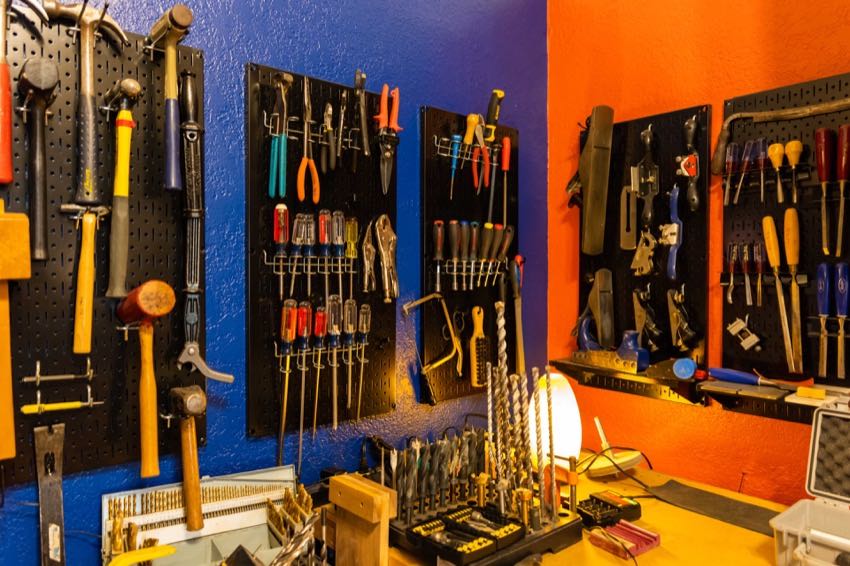
Credit: www.protoolreviews.com
Mistakes To Avoid
Even experienced users sometimes make mistakes with hand tool maintenance. Here are some pitfalls to watch for:
- Storing tools wet: Always dry tools before putting them away.
- Skipping lubrication: Dry hinges and joints wear out faster.
- Neglecting wooden handles: Without oil, wood dries and cracks.
- Forgetting safety checks: Damaged tools are dangerous.
- Using the wrong product: Some cleaners can damage finishes or rubber.
By avoiding these mistakes, your tools stay safe and reliable.
Upgrading And Replacing Tools
Even with perfect maintenance, tools wear out eventually. Know when to upgrade or replace.
- Cracked or bent parts: These cannot be safely fixed.
- Worn-out grips: Replace or re-wrap for comfort and safety.
- Dull beyond sharpening: Some cheap blades are not worth restoring.
Buying quality tools in the first place can mean less maintenance and longer life. But even the best tool needs care to give its best.
Frequently Asked Questions
How Often Should I Clean My Hand Tools?
Wipe down your tools after every use to remove dirt and moisture. Deep clean them monthly or if you notice rust, grime, or sticky residue building up.
What Is The Best Oil For Hand Tool Maintenance?
Light machine oil or dedicated tool oil is best for most tools. For wood handles, use boiled linseed oil. Avoid heavy motor oils, as they can be messy and attract dust.
Can I Use Household Products For Tool Care?
Yes, some household items like vinegar (for rust removal) and mineral oil (for lubrication) work well. However, specialized products usually give better results and last longer.
What Should I Do If My Tools Get Wet?
Dry them immediately with a towel. Apply a light oil to the metal parts to prevent rust. If water gets inside moving parts, disassemble and dry them if possible.
How Can I Tell If A Tool Is Too Worn To Use?
Look for cracks, severe rust, loose handles, or parts that don’t move smoothly even after maintenance. If a tool feels unsafe or doesn’t perform, it’s time to repair or replace it.
Caring for your hand tools is not just about making them look good; it’s about safety, efficiency, and saving money. With a few smart habits, your tools will serve you well for many years. Don’t stop at hand tools — apply the same routine to your lawn mower maintenance schedule, and if you own a ride-on, plan ahead for riding mower battery replacement. Start today—your future self and your projects will thank you.