
Last Updated: March 20, 2026
Choosing the right multimeter can feel overwhelming, especially with so many options available. But it doesn’t have to be complicated.
Whether you’re fixing a simple household issue, diving into electronics projects, or working professionally with electrical systems, picking the right multimeter starts with understanding your needs. In this guide, you’ll discover clear, easy-to-follow steps to help you find a multimeter that fits your skill level and the tasks you’ll tackle.
By the end, you’ll feel confident about your choice and ready to measure voltage, current, resistance, and more with ease and safety. Keep reading to unlock the secrets to choosing a multimeter that works perfectly for you.
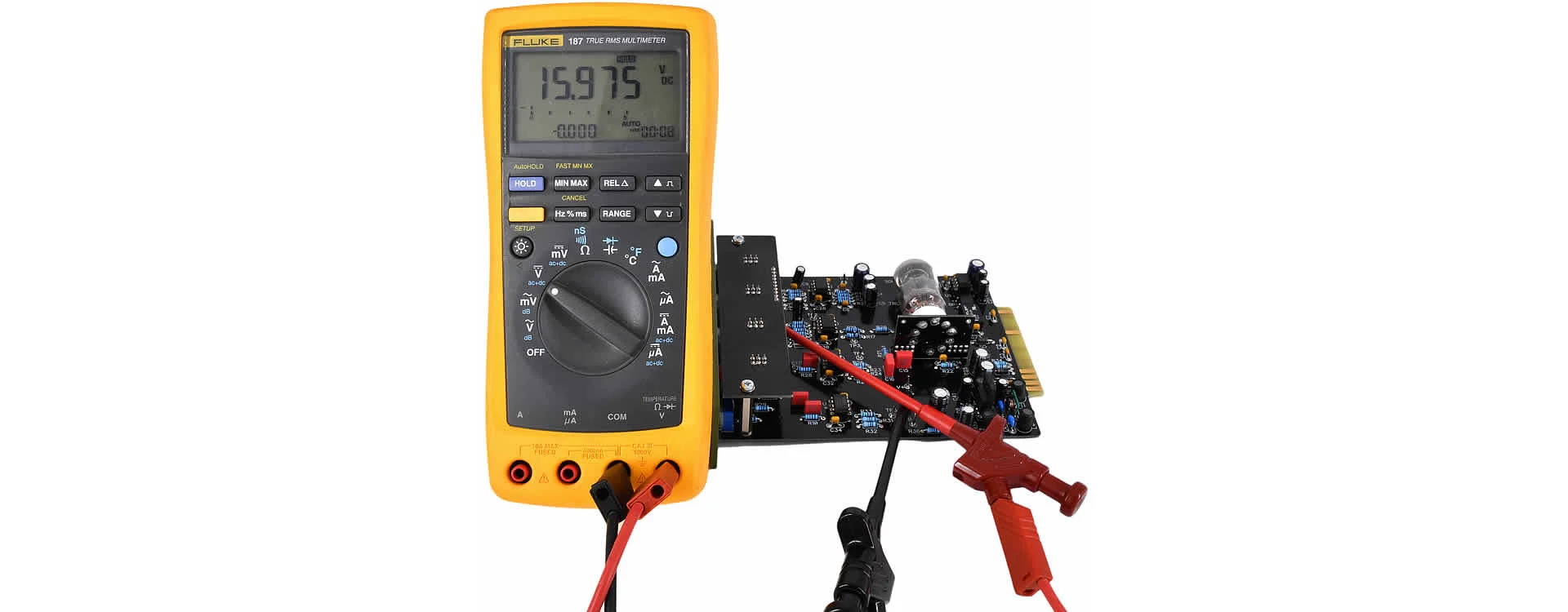
Credit: www.soundskulptor.com
Types Of Multimeters
Multimeters come in various types designed to suit different needs. Knowing these types helps you pick the right tool for your tasks. Two main factors differentiate multimeters: their display technology and their feature set. These differences affect ease of use and measurement accuracy.
Digital Vs Analog
Digital multimeters show readings with a numeric display. They offer precise measurements and easy reading. Many models include extra functions like data hold and auto-ranging. Analog multimeters use a needle to point to values on a scale. They provide real-time changes and smooth readings for fluctuating signals. Analog meters can be harder to read and less accurate than digital ones. Most users prefer digital multimeters for general use.
Basic Vs Advanced Models
Basic multimeters measure voltage, current, and resistance. They suit simple electrical tests and home projects. Advanced models include features like capacitance, frequency, temperature, and diode testing. Some offer Bluetooth connectivity for data logging. Professionals and electronics enthusiasts often choose advanced multimeters. These models provide more detailed information and wider application. Choose based on your needs and budget for best results.
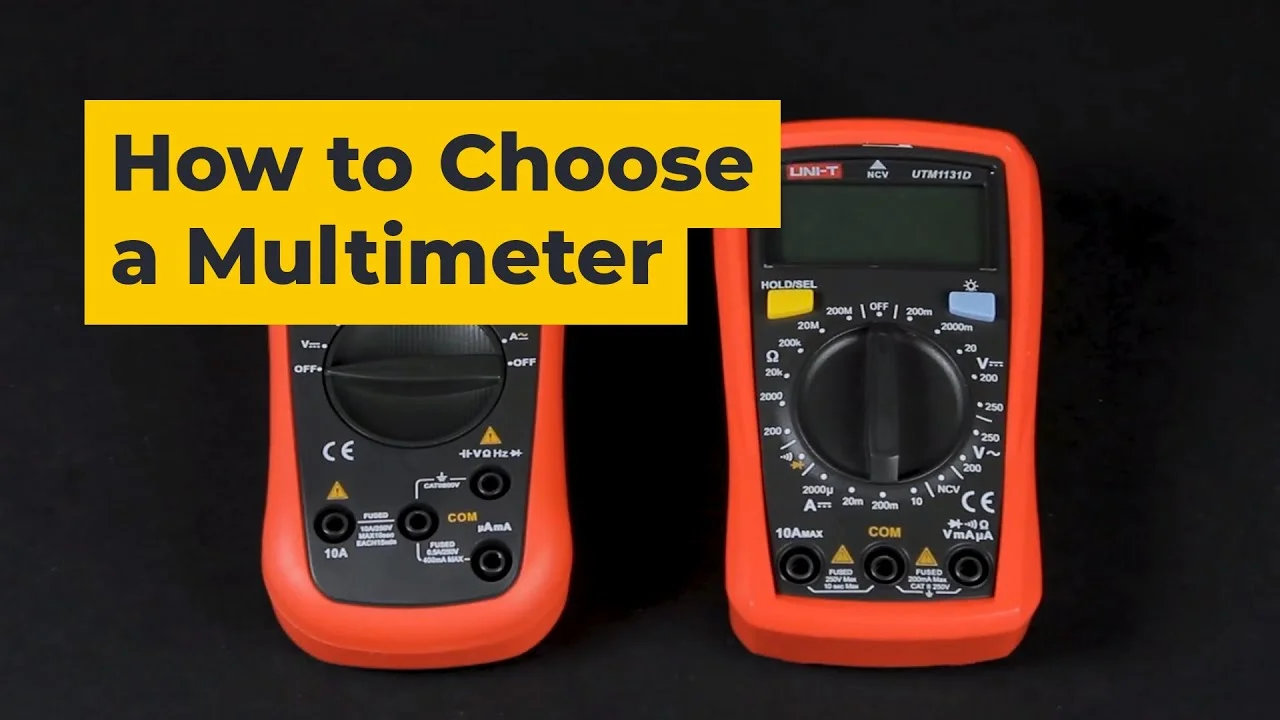
Credit: www.youtube.com
Primary Uses
Choosing the right multimeter starts with understanding its primary uses. Different tasks require different features and levels of accuracy. Knowing your main purpose helps narrow down the best options. Multimeters serve various roles from simple home repairs to complex professional work.
Home And Diy
Multimeters are handy for home and DIY projects. They help check batteries, test outlets, and fix small electrical problems. Basic models that measure voltage, resistance, and continuity work well here. Easy-to-use multimeters save time and prevent mistakes during repairs. Safety features are important for beginners handling household wiring.
Electronics Projects
For electronics hobbyists, multimeters measure precise values in circuits. They check components like resistors, capacitors, and transistors. A multimeter with good accuracy and multiple functions is useful. Features like diode testing and frequency measurement add value. Compact and portable designs fit well in a project workspace.
Professional Applications
Professionals need multimeters with advanced capabilities. High accuracy and durability matter most. They test electrical systems, troubleshoot complex machines, and verify industrial equipment. Multimeters with data logging and auto-ranging simplify the work. Safety ratings for high voltage and current are critical in these environments.
Safety Ratings
Safety ratings are crucial when selecting a multimeter. They protect users from electrical hazards. Understanding these ratings helps you pick the right tool for your work environment. Every multimeter has a safety category that shows where it can be safely used.
Cat Ratings Explained
CAT ratings classify multimeters based on voltage and environment. They range from CAT I to CAT IV. CAT I is for low energy circuits like electronics. CAT II covers household appliances and portable tools. CAT III is for fixed installations such as distribution panels. CAT IV applies to utility-level measurements at the service entrance. Higher CAT numbers mean higher protection and safety.
Choosing Based On Environment
Match the CAT rating to your working area. Use CAT I meters for simple electronics. Choose CAT II or CAT III for home or industrial electrical systems. For outdoor or utility work, select CAT IV rated meters. This ensures the meter withstands possible voltage spikes. Always pick a multimeter with a safety rating that fits your tasks.
Credit: www.soundskulptor.com
Measurement Functions
Measurement functions are the core of any multimeter. They determine what electrical values you can check. Understanding these functions helps you pick the right tool for your tasks.
Different multimeters offer different sets of measurement functions. Some focus on basic electrical checks, while others include advanced options. Knowing what each function does makes your choice easier and more effective.
Voltage
Voltage measurement is essential for checking electrical power. Multimeters measure voltage in two types: AC and DC. AC voltage is common in homes and offices. DC voltage appears in batteries and electronic circuits. Choose a multimeter that measures both if you work with varied devices.
Look for a clear display and easy switching between AC and DC voltage. Accurate voltage readings keep your work safe and reliable.
Current
Current measurement tells you how much electricity flows through a circuit. Multimeters measure current in amps, milliamps, or microamps. Some tools measure high current, others are for small electronics.
Select a multimeter with current ranges that match your projects. Features like auto-ranging help avoid manual setting errors. This function is vital for diagnosing electrical issues and verifying circuit performance.
Resistance
Resistance measurement shows how much a material opposes electrical flow. It helps test wires, resistors, and connections. A multimeter with resistance measurement uses ohms as units.
Choose a tool with a wide resistance range for flexibility. This function helps detect broken wires and faulty components easily. Clear readings on resistance improve troubleshooting accuracy.
Specialized Features
Some multimeters include extra functions for specific needs. These may include capacitance, frequency, temperature, and continuity tests. Continuity testing checks if a circuit is complete.
Advanced features suit electronics, automotive, or HVAC work. Decide if you need these extras based on your tasks. Specialized functions add value but may increase cost and complexity.
Auto-ranging Vs Manual
Choosing between auto-ranging and manual multimeters is important. This feature affects how you measure voltage, current, and resistance. Understanding the difference helps you pick the right tool.
What Is Auto-ranging?
Auto-ranging multimeters select the correct measurement range automatically. This means you do not need to set the range yourself. The meter adjusts itself for each test, making it easier and faster to use.
Auto-ranging is helpful for beginners and quick troubleshooting. It reduces the chance of errors from picking the wrong range. This feature is common in digital multimeters.
What Is Manual Ranging?
Manual ranging requires you to choose the measurement range before testing. You must know the approximate value you expect to measure. This lets you set the meter to the proper scale.
Manual multimeters give you more control and can be more precise. They are often used by experienced users who understand the ranges well. Manual meters usually cost less than auto-ranging ones.
Which One Should You Choose?
Auto-ranging suits users who want ease and speed. It is best for occasional use or beginners. Manual ranging fits users who want full control and accuracy. It works well for professionals who know their measurements.
Consider how often you will use the multimeter. Think about your skill level and what you will measure. This helps you decide between auto-ranging and manual models.
Accuracy And Precision
Accuracy and precision are key factors in choosing a multimeter. They determine how close the readings are to the true value and how consistent those readings remain. A multimeter with high accuracy and precision gives reliable results for electrical measurements. This helps prevent errors and ensures safety during use.
Understanding these terms helps in picking the right tool for your needs. Accuracy shows the closeness of a measurement to the actual value. Precision reflects how repeatable the measurements are under the same conditions. Both are essential for tasks that require exact measurements, like troubleshooting electronics or checking voltage levels.
Understanding Accuracy Ratings
Accuracy ratings tell how much a multimeter’s reading can differ from the real value. These ratings are usually shown as a percentage plus a number of digits. For example, a 1% ± 2 digits rating means the reading could be off by 1% and two least significant digits. Lower percentages mean better accuracy.
Why Precision Matters
Precision shows how close multiple readings are to each other. A precise multimeter gives stable results every time you measure the same point. This is helpful for monitoring small changes in voltage or current over time. Without precision, it is hard to trust the measurements.
Choosing Accuracy And Precision Based On Use
Basic home repairs do not need very high accuracy or precision. A simple multimeter with moderate ratings is enough. For professional work or detailed electronics, choose a multimeter with better accuracy and precision. This ensures the measurements are trustworthy and reduces mistakes.
Build Quality
The build quality of a multimeter affects its performance and lifespan. A well-built multimeter can handle rough conditions and frequent use. It also provides safety during electrical measurements. Pay close attention to materials and construction.
Durability
Durability means the multimeter can withstand drops and shocks. Look for models with a strong outer casing made of rubber or hard plastic. These materials protect internal parts from damage. Some multimeters are rated with IP codes for dust and water resistance. This rating ensures the device works well in different environments. A durable multimeter reduces the need for repairs or replacement.
Ergonomics
Ergonomics refers to how comfortable the multimeter feels in your hand. Choose a model with a shape that fits well and is easy to hold. Large buttons and a clear display improve usability. A lightweight multimeter reduces hand fatigue during long tasks. Consider the placement of ports and probes for ease of use. Good ergonomics make measurements faster and safer.
Brand And Price
Choosing the right multimeter involves balancing brand reputation with price. Both factors affect the tool’s quality and reliability. A trusted brand usually offers better accuracy and durability. Price reflects the features and build quality. Understanding these elements helps make a smart purchase.
Reputable Manufacturers
Brands with a strong reputation often deliver consistent performance. They invest in quality control and safety features. Popular manufacturers include Fluke, Klein Tools, and Extech. These brands offer models for beginners and professionals. A well-known brand means better customer support and warranties. Choosing a reliable brand reduces the risk of faulty readings or damage.
Budget Considerations
Set a budget before buying a multimeter. Entry-level models cost less and cover basic tasks. Mid-range multimeters add features like auto-ranging and better accuracy. High-end models include advanced functions for complex work. Avoid the cheapest options as they may lack safety and accuracy. Spend wisely to get the best value without overspending.
Frequently Asked Questions
Which Multimeter Is Best For Beginners?
A digital multimeter with auto-ranging, clear display, and safety ratings suits beginners best. Choose models measuring voltage, current, resistance, and continuity for easy, safe use.
What Is The Difference Between Cheap And Expensive Multimeters?
Cheap multimeters lack advanced safety features, accuracy, and durability. Expensive models offer better protection, precise readings, and robust build quality for professional use.
Should Everyone Own A Multimeter?
Owning a multimeter benefits anyone handling electronics or home repairs. It measures voltage, current, resistance, and continuity accurately. Basic models suit DIY tasks, while advanced ones aid professionals. A multimeter ensures safety and precise troubleshooting, making it a valuable tool for many users.
What Are The Two Types Of Multimeters?
The two types of multimeters are digital and analog. Digital multimeters offer better accuracy and easier reading than analog ones.
What Features Should I Look For In A Multimeter?
Look for accuracy, range, safety ratings, display type, and ease of use.
Is A Digital Or Analog Multimeter Better For Beginners?
Digital multimeters are easier to read and more accurate for beginners.
Conclusion
Choosing the right multimeter depends on your needs and budget. Focus on safety ratings and measurement accuracy. A clear display and comfortable grip make usage easier. Consider whether you want manual or auto-ranging features. Durable construction helps the tool last longer.
Taking time to compare options ensures you get the best value. Your multimeter should fit your skill level and tasks. This way, you will have a reliable tool for all measurements.
{ “@context”: “https://schema.org”, “@type”: “Article”, “headline”: “How to Choose a Multimeter: Expert Tips for Perfect Selection”, “description”: “Learn how to choose a multimeter by understanding its key features, functions, and uses to select the right tool for measuring electrical values accurately.”, “url”: “https://www.powertoolstoday.com/how-to-choose-a-multimeter/”, “datePublished”: “2025-11-21”, “dateModified”: “2026-03-18”, “author”: { “@type”: “Organization”, “name”: “Power Tools Today”, “url”: “https://www.powertoolstoday.com” }, “publisher”: { “@type”: “Organization”, “name”: “Power Tools Today”, “url”: “https://www.powertoolstoday.com” }, “mainEntityOfPage”: { “@type”: “WebPage”, “@id”: “https://www.powertoolstoday.com/how-to-choose-a-multimeter/” }, “image”: { “@type”: “ImageObject”, “url”: “https://www.powertoolstoday.com/wp-content/uploads/2025/11/how-to-choose-a-multimeter.webp” } }nn