
Last Updated: March 30, 2026
Cutting metal might sound tough, but with the right tool and know-how, you can do it quickly and safely. If you’ve got an angle grinder, you already have a powerful ally for the job.
But how do you make sure your cuts are clean, accurate, and, most importantly, safe? This guide will walk you through everything you need to know to cut metal with your angle grinder like a pro. Whether you’re fixing, building, or crafting, mastering this skill will save you time and frustration.
Ready to get started? Let’s dive in and turn your angle grinder into the ultimate metal-cutting machine!
Choosing The Right Disc
Choosing the right disc for your angle grinder is crucial for safe and efficient metal cutting. The disc affects the speed, quality, and safety of the cut. Using the wrong disc may damage the metal or cause injury. Understanding the types and materials of discs helps you pick the best option for your project.
Types Of Cutting Discs
Cutting discs come in various types. Thin discs are ideal for precise, clean cuts on metal sheets. Thick discs work better for heavy-duty cutting and rough cuts. Some discs are designed specifically for stainless steel, while others suit mild steel or aluminum. Choose a disc that matches the metal type and cutting style.
Disc Material And Thickness
Discs are made from different materials such as aluminum oxide, zirconia, and ceramic. Aluminum oxide discs suit mild steel and general metal cutting. Zirconia discs last longer and work well on tough metals. Ceramic discs offer the best durability and heat resistance. Thickness also matters. Thin discs (1-2 mm) cut faster but wear out quickly. Thicker discs (3 mm and above) are more durable but cut slower. Select disc thickness based on the metal thickness and cutting precision needed.
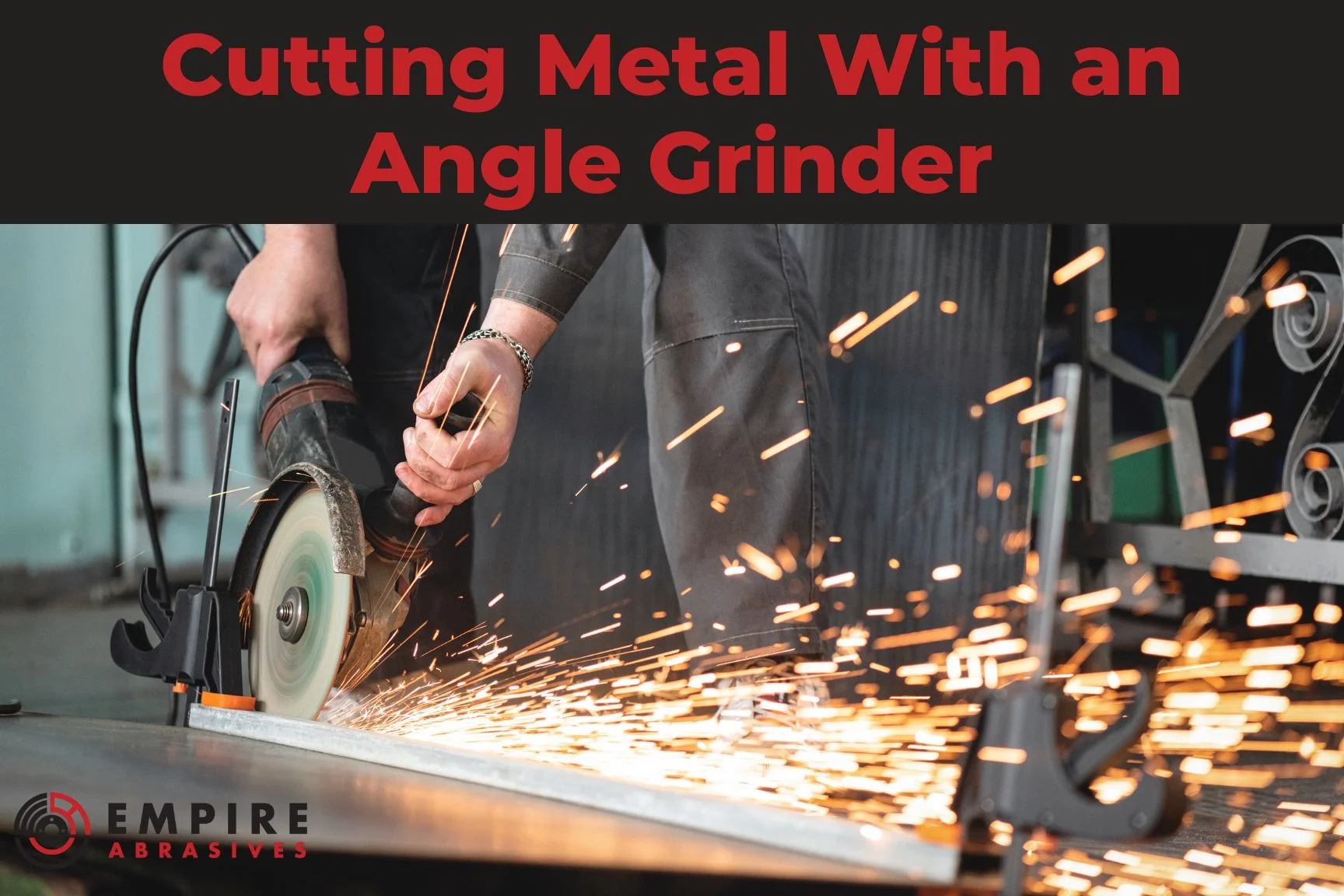
Credit: www.empireabrasives.com
Preparing Your Workspace
Preparing your workspace is the first step to cut metal safely and efficiently with an angle grinder. A clean and organized area reduces accidents and helps you focus on the task. Proper preparation makes the cutting process smoother and more precise.
Clearing The Area
Remove all unnecessary items around your workspace. Clear away tools, clutter, and flammable materials. This prevents tripping hazards and fire risks. Keep only the metal piece and grinder nearby. Good lighting is essential to see your cutting line clearly. Ensure pets and children stay away from the area.
Setting Up A Stable Surface
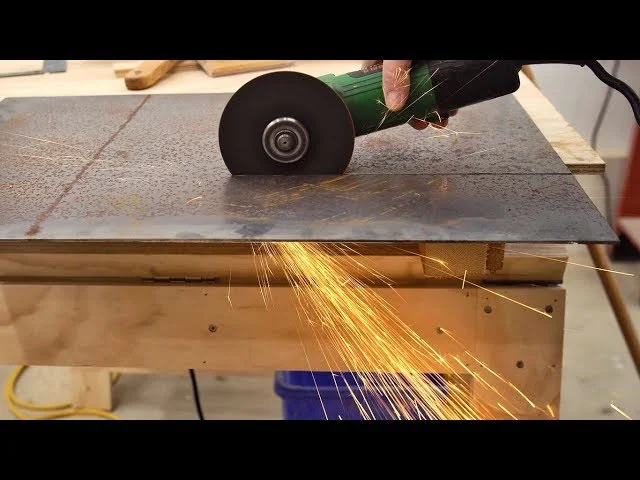
Place the metal on a flat, stable surface. Use a sturdy workbench or a heavy-duty table. Secure the metal with clamps to stop movement during cutting. Avoid holding the metal by hand. A steady surface improves accuracy and reduces the chance of injury. Confirm the surface can handle sparks and heat from the grinder.
Essential Safety Gear
Using an angle grinder to cut metal requires more than just skill. Safety gear protects you from sparks, metal shards, and noise. Always wear the right equipment to prevent injuries. Safety should be your top priority before starting any cut.
Eye And Ear Protection
Eye protection is a must. Sparks and small metal pieces fly off during cutting. Wear safety goggles or a full face shield to guard your eyes. This stops debris from causing serious damage.
Noise from an angle grinder is loud and can harm your hearing. Use earplugs or earmuffs to protect your ears. Keeping your hearing safe helps you work longer without discomfort.
Gloves And Clothing
Wear thick, durable gloves to protect your hands from sharp edges and sparks. Gloves also improve your grip on the tool. Avoid loose gloves that can get caught in the grinder.
Choose long-sleeved shirts and long pants made of flame-resistant material. Avoid synthetic fabrics that can melt onto your skin. Sturdy clothing helps shield you from heat and flying debris.
Credit: www.youtube.com
Marking And Measuring
Marking and measuring are essential first steps before cutting metal with an angle grinder. Clear marks guide your cuts and help avoid mistakes. Careful measuring ensures accuracy and saves time. Taking the time to mark metal properly leads to cleaner, safer, and straighter cuts.
Focus on making visible, precise lines. Use proper tools for marking. Plan your cuts well to get the best results from your angle grinder.
Using A Marker Or Scriber
Use a permanent marker or a metal scriber to draw lines on metal. Markers work well on smooth surfaces. Scribes create fine, precise lines by scratching the metal. Both tools help you see where to cut clearly. Choose the one that fits your project and metal type. Avoid thick lines that can cause cutting errors.
Guiding Straight Cuts
Use a ruler or straight edge to guide your marks. Clamp the straight edge firmly to the metal. Draw along the edge to get a perfect straight line. This line acts as a visual guide during cutting. Follow it slowly with the angle grinder to keep cuts straight. Steady hands and clear lines prevent uneven edges.
Cutting Techniques
Cutting metal with an angle grinder requires specific techniques. Proper methods improve accuracy and safety. This section explains key techniques for smooth cuts and longer tool life.
Correct Angle And Speed
Hold the grinder at a 90-degree angle to the metal surface. This position ensures a straight and clean cut. Avoid tilting the tool to prevent uneven edges and disc damage.
Use a moderate speed setting. Too fast can overheat the disc and metal. Too slow causes rough cuts and wears the disc quickly. Maintain steady speed for best results.
Avoiding Common Mistakes
Do not force the grinder into the metal. Let the disc do the cutting with gentle pressure. Forcing causes disc breakage and unsafe kickbacks.
Keep the cutting disc clean and replace it if worn out. A damaged disc reduces cutting quality and increases accident risks. Always wear safety gear to protect eyes and hands.
Handling Thick Metal
Cutting thick metal with an angle grinder needs steady hands and the right disc. Use slow, firm pressure to avoid overheating. Always wear safety gear to protect yourself from sparks and metal shards.
Cutting thick metal with an angle grinder needs care and patience. Thick metal resists fast cutting, which can strain the tool and increase risks. Proper methods help achieve clean cuts without damaging the metal or the grinder. Safety is key, so wear protective gear and work in a clear area.
Multiple Passes Method
Instead of cutting through thick metal in one go, make several passes. Start by scoring a shallow cut along the marked line. Repeat the same path, deepening the cut with each pass. This technique reduces heat buildup and prevents the disc from binding. It also gives better control and a smoother finish. Take breaks between passes to let the metal and tool cool down.
Using Slower Speeds
Slow down the angle grinder when cutting thick metal. High speeds cause faster wear on the cutting disc and generate excessive heat. Lower speeds keep the disc sharper longer and reduce sparks. Move the grinder steadily but not too fast. This steady pace ensures a cleaner cut and less chance of mistakes. Adjust the speed based on the metal type and thickness for best results.
Maintaining Your Angle Grinder
Maintaining your angle grinder keeps it working safely and efficiently. Regular care extends the tool’s life. It also ensures clean, precise cuts on metal. Simple steps prevent damage and avoid costly repairs.
Checking Disc Wear
Inspect the cutting disc before each use. Look for cracks, chips, or uneven edges. Replace the disc if any damage appears. A worn disc can break during cutting. This creates a safety hazard. Use discs suitable for metal cutting only.
Cleaning And Storage Tips
After each use, clean the angle grinder carefully. Remove dust and metal debris from vents and body. Use a dry cloth or compressed air for cleaning. Avoid water to protect electrical parts. Store the tool in a dry, cool place. Keep it away from moisture and dust. Proper storage prevents rust and electrical problems.
Troubleshooting Common Issues
Troubleshooting common problems improves your cutting experience and safety. Small issues can slow down work or cause accidents. Knowing how to handle typical problems helps you keep control and finish the job well.
Focus on key issues like disc binding and managing sparks. These are frequent and need quick attention. Fixing them fast avoids damage and keeps the workspace safe.
Dealing With Disc Binding
Disc binding happens when the cutting wheel gets stuck in the metal. This can cause the grinder to kick back suddenly. To prevent binding, keep steady pressure on the tool. Don’t push too hard or twist the grinder while cutting.
If the disc binds, stop cutting immediately. Turn off the grinder and wait for the wheel to stop spinning. Gently move the grinder back and forth to free the disc before continuing. Use the right disc for the metal thickness to avoid binding.
Managing Sparks And Debris
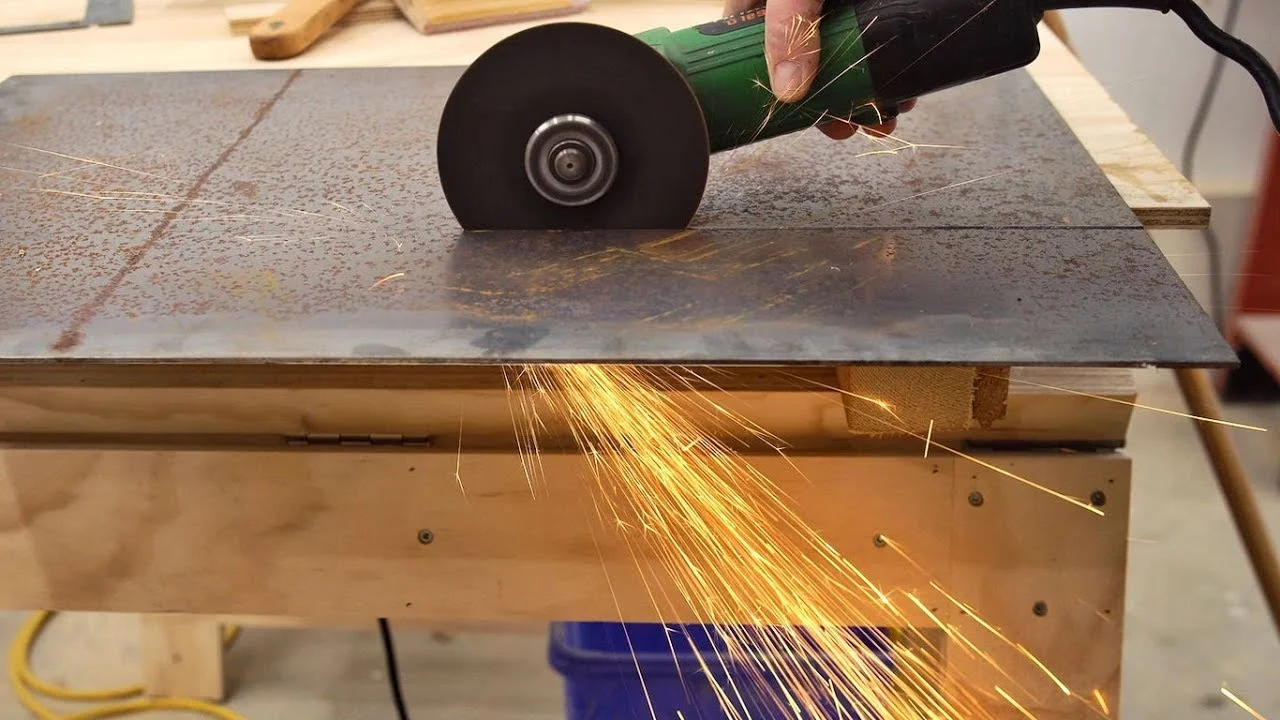
Sparks and debris fly off during metal cutting. They can harm your eyes or skin if you are not careful. Always wear safety goggles and gloves to protect yourself. Work in a clear area free of flammable materials.
Control sparks by cutting slowly and steadily. Use a guard on the grinder to direct debris away from you. Clean the workspace after cutting to remove sharp metal pieces. Proper management keeps you safe and your work area tidy.
Credit: www.youtube.com
Frequently Asked Questions
Can An Angle Grinder Be Used To Cut Metal?
Yes, an angle grinder can cut metal efficiently using a proper metal cutting disc. Always wear safety gear.
Which Direction Do You Cut With An Angle Grinder?
Cut with an angle grinder by moving the disc forward, rotating away from your body. Follow the disc’s directional arrows for safety and efficiency.
What Kind Of Blade For Angle Grinder To Cut Metal?
Use a metal cutting disc or abrasive cutting wheel designed for angle grinders. Thin, reinforced discs cut metal efficiently and safely.
What Is One Common Mistake To Avoid When Using An Angle Grinder?
A common mistake is neglecting proper safety gear, such as goggles, gloves, and ear protection, increasing injury risk.
Can An Angle Grinder Safely Cut Metal?
Yes, angle grinders can safely cut metal with the right disc and protective gear.
Conclusion
Cutting metal with an angle grinder is simple and effective. Always wear safety gear to protect yourself. Choose the right disc for the metal type. Keep a steady hand and follow your marked line. Take breaks to avoid overheating the tool.
Practice on scrap metal before starting your project. With patience, you can make clean, precise cuts. Remember, safety and preparation lead to the best results. Use these tips to complete your metal cutting tasks confidently.
Related reading: What Is an Angle Grinder Used For.
Related reading: How to Use a Demolition Hammer to Remove Tile.
Related reading: How to Set Up a MIG Welder.
