Water Stone Vs Oil Stone: Which Sharpening Stone Is Best?
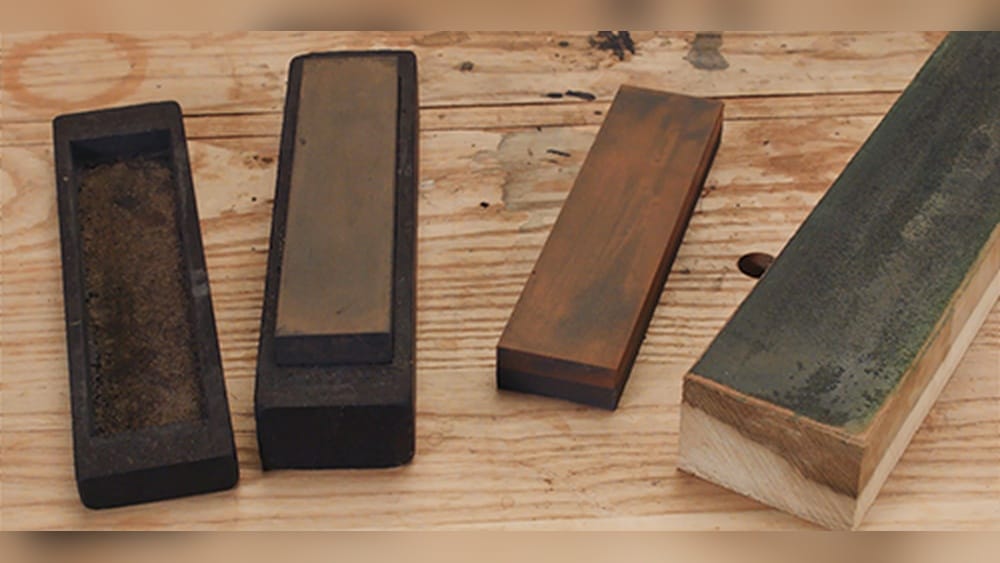
Water stone vs oil stone is really about speed, feel, maintenance, and finish. Learn which sharpening stone fits your tools, routine, and sharpening style.
Water stone vs oil stone is really about speed, feel, maintenance, and finish. Learn which sharpening stone fits your tools, routine, and sharpening style.
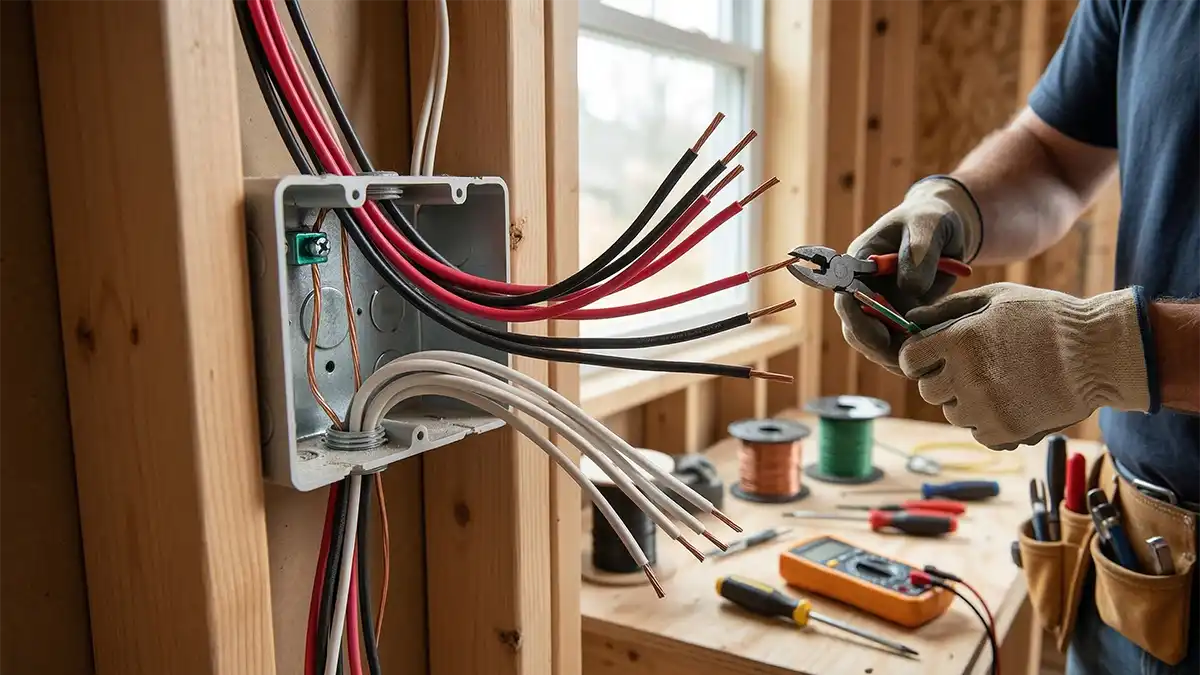
Wire Gauge Chart Guide: AWG Sizes, Ampacity, and What They Mean The American Wire Gauge (AWG) system assigns numbers to wire sizes — and here’s the key: lower AWG numbers mean thicker wire that can carry more current. A 14 AWG wire handles 15 amps, while a 10 AWG handles 30 amps. Choosing the wrong …
In US residential wiring, black and red wires are hot (live), white is neutral, and green or bare copper is ground. These colors follow the National Electrical Code (NEC) standard. Mixing them up causes shocks, equipment damage, and fire hazards. This guide covers every wire color you’ll encounter in standard home electrical systems — and …
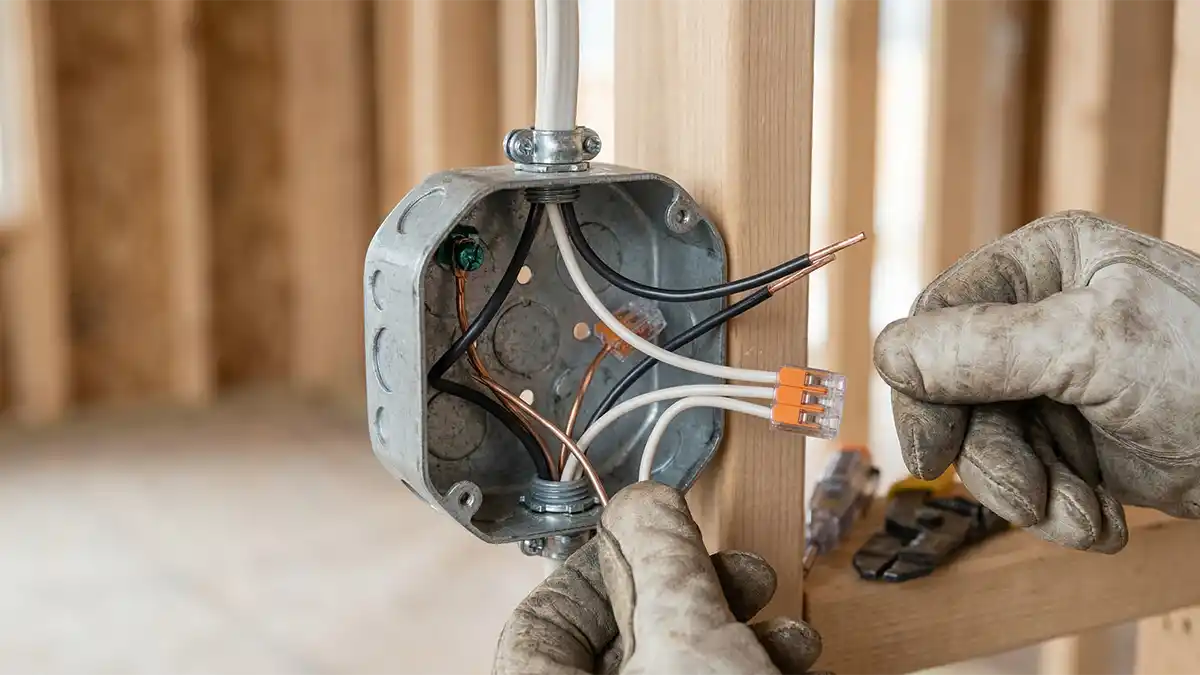
Affiliate Disclosure: As an Amazon Associate I earn from qualifying purchases. This helps support the site at no extra cost to you. A bad wire splice is invisible until something goes wrong — a flickering light, a warm outlet, or a fire inside the wall. The good news: splicing electrical wire safely comes down to …
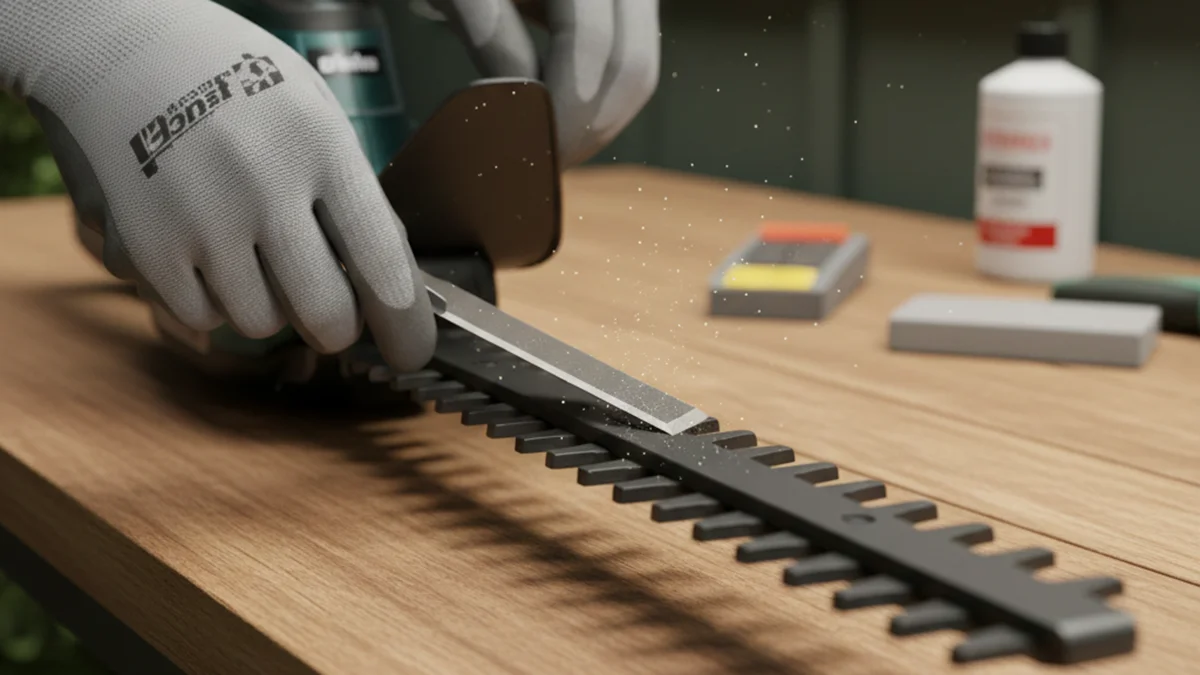
Are your hedge trimmer blades not cutting as smoothly as they used to? Dull blades can make your trimming tasks frustrating and can even damage your plants. The good news is, sharpening your hedge trimmer blades is simpler than you think—and it can save you time and money on replacements. In this guide, you’ll discover …
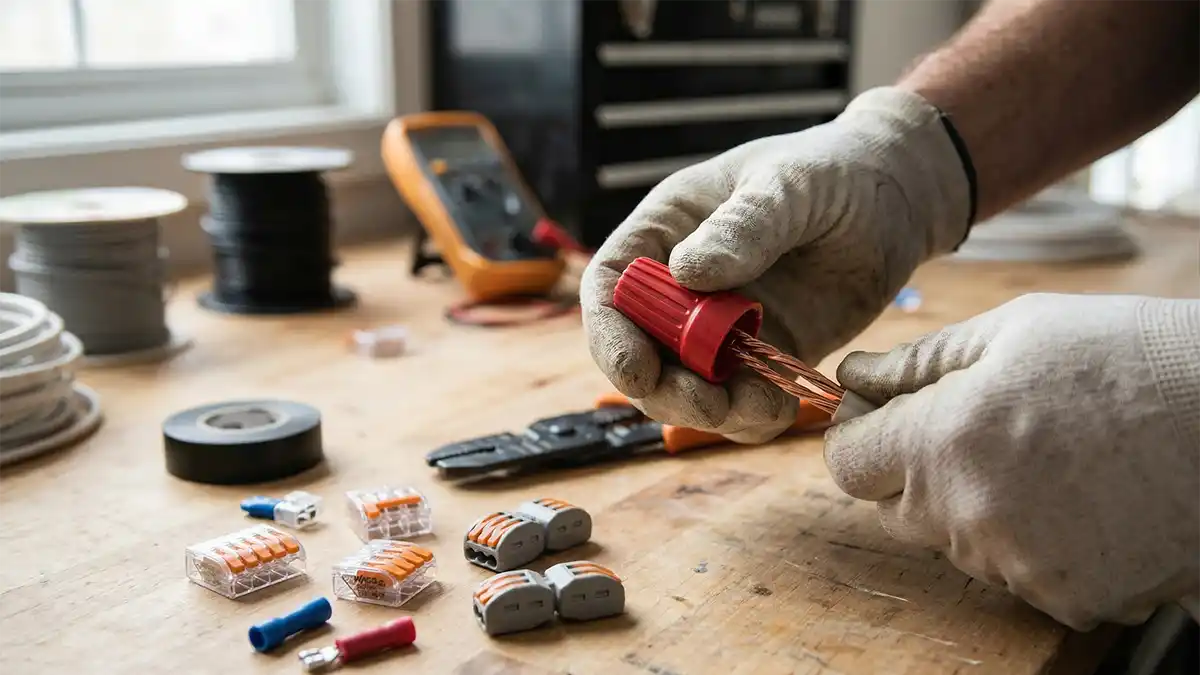
Wire Nut vs Wire Connector: Which Should You Use? Wire nuts (twist-on connectors) and push-in wire connectors are both code-compliant methods for splicing electrical conductors — but they work differently and suit different jobs. Wire nuts are the traditional choice, great for standard in-box splices with solid or stranded wire. Push-in connectors like Wago levers …
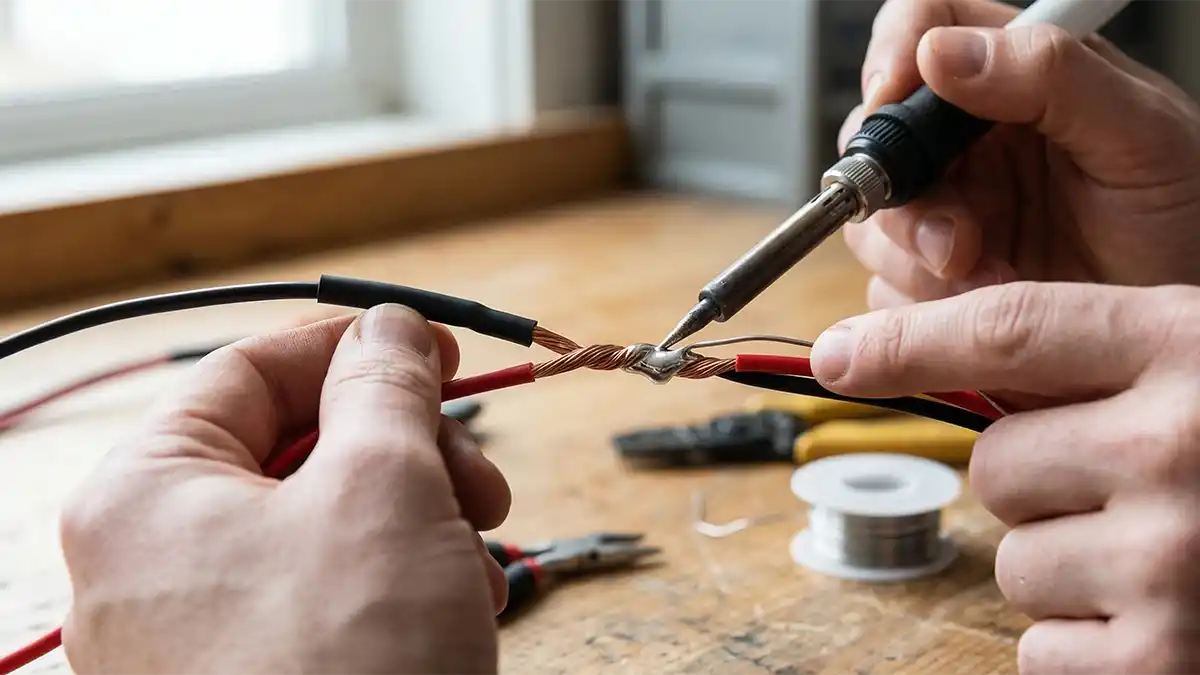
How to Solder Wires Together: Step-by-Step for Clean, Strong Joints Soldering wires together creates a permanent, low-resistance electrical connection stronger than most mechanical connectors. The key is heating the wire itself — not the solder — so the solder flows into the joint rather than sitting on top of it. A proper wire-to-wire solder joint …
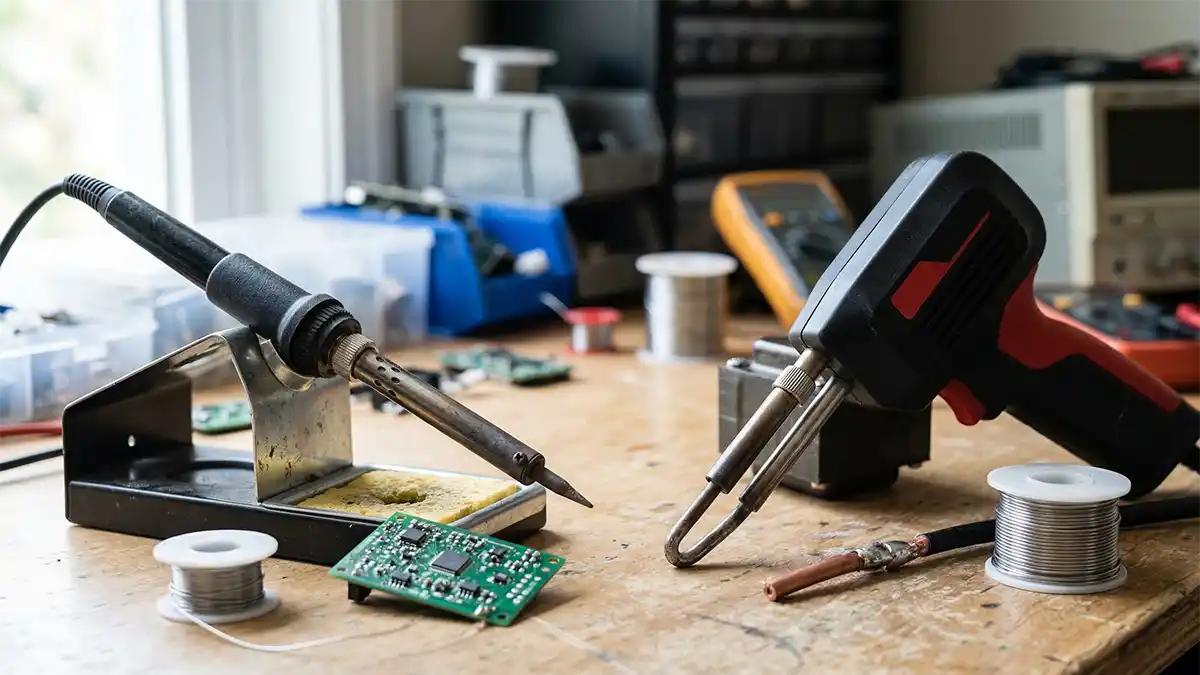
A soldering iron uses a heated metal tip for precision work on electronics and small wires. A soldering gun uses a trigger-activated transformer that heats a copper tip almost instantly for heavier-gauge wire and electrical connections. For most DIY electronics and PCB work, a soldering iron is the better choice. For thick wire splices and …
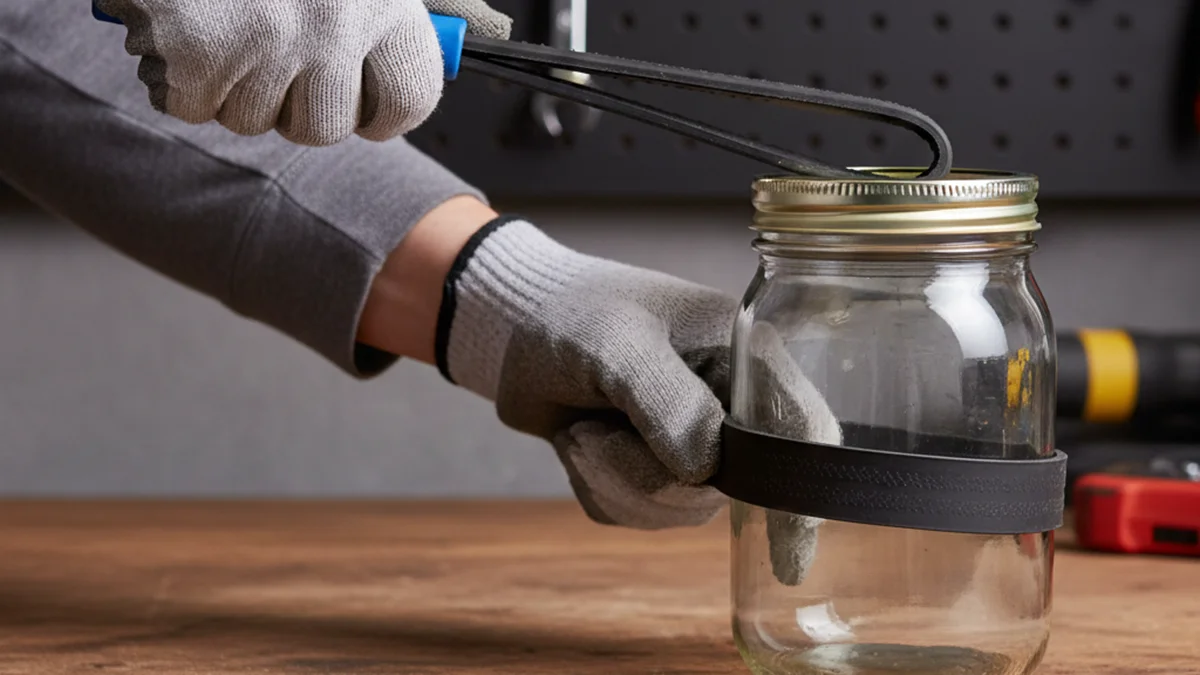
If you’ve ever struggled to loosen a stubborn jar lid, tighten a delicate pipe fitting, or remove an oil filter without scratching it, a strap wrench can be your best friend. This simple tool uses a flexible strap to grip objects securely without causing damage. But how exactly do you use a strap wrench to …
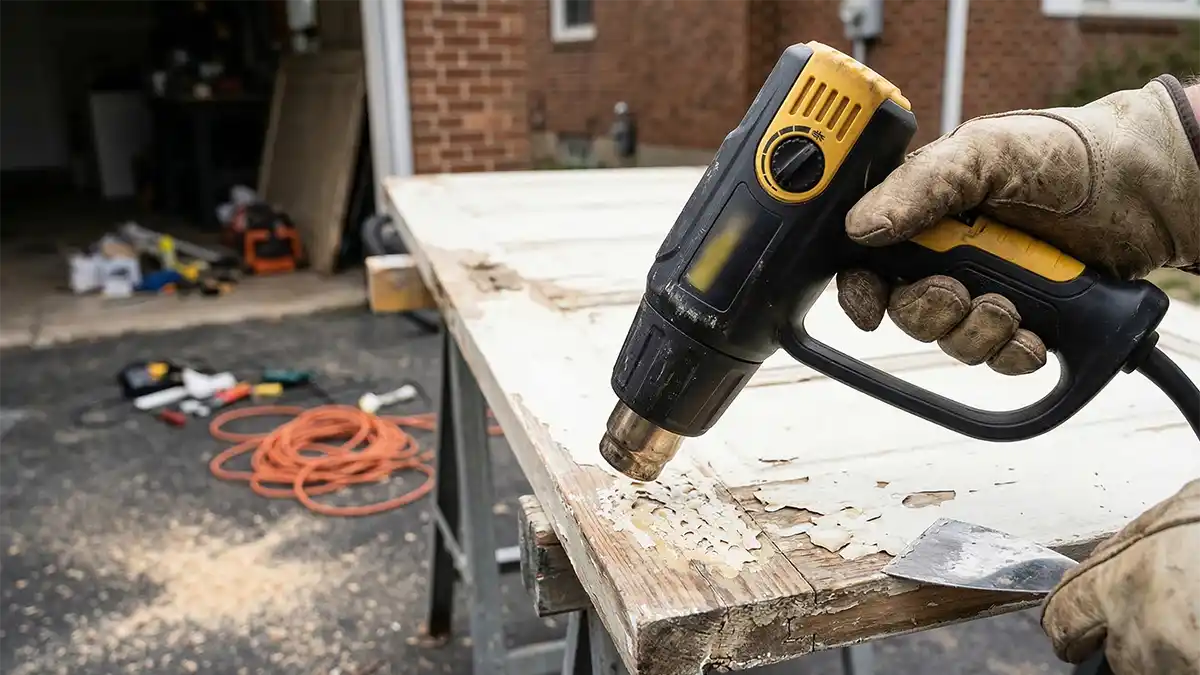
Heat Gun Temperature Settings: Complete Guide by Application Using a heat gun at the wrong temperature is the most common cause of damaged materials, insufficient results, and safety incidents. Too low and the material won’t respond; too high and you scorch, melt, or ignite it. This guide gives you the correct temperature range for every …