
Many home improvement and woodworking projects require the right tools. One tool that makes a big difference is the nail gun. Whether you are a contractor or a DIY lover, choosing between a pneumatic nail gun and a cordless nail gun is a big decision. Each has its own strengths and weaknesses. Understanding these differences is key to making the best choice for your projects.
Both types of nail guns have changed how people work with wood, build furniture, and frame houses. Years ago, everyone used hammers. Now, nail guns save time, energy, and even prevent mistakes. But which one should you use? The answer depends on your needs, budget, and even where you do your work.
Let’s look at pneumatic and cordless nail guns in detail. We’ll compare how they work, their pros and cons, and when each one is the best choice. By the end, you’ll know exactly which type fits your job.
How Pneumatic Nail Guns Work
Pneumatic nail guns use compressed air to drive nails into wood or other materials. A flexible air hose connects the nail gun to an air compressor. When you pull the trigger, the compressor releases a burst of air, pushing the nail out at high speed.
This system is simple, but powerful. These nailers have been trusted for decades on construction sites and in workshops. They are the classic choice for high-speed, high-volume work.
Key Features Of Pneumatic Nail Guns
- Powerful and consistent: They rarely jam and can drive long nails into tough materials.
- Requires an air compressor: The compressor can be noisy and heavy.
- Unlimited runtime: As long as the compressor is running, you can keep nailing.
- Lower tool weight: Pneumatic guns are lighter because the power comes from the compressor.
How Cordless Nail Guns Work
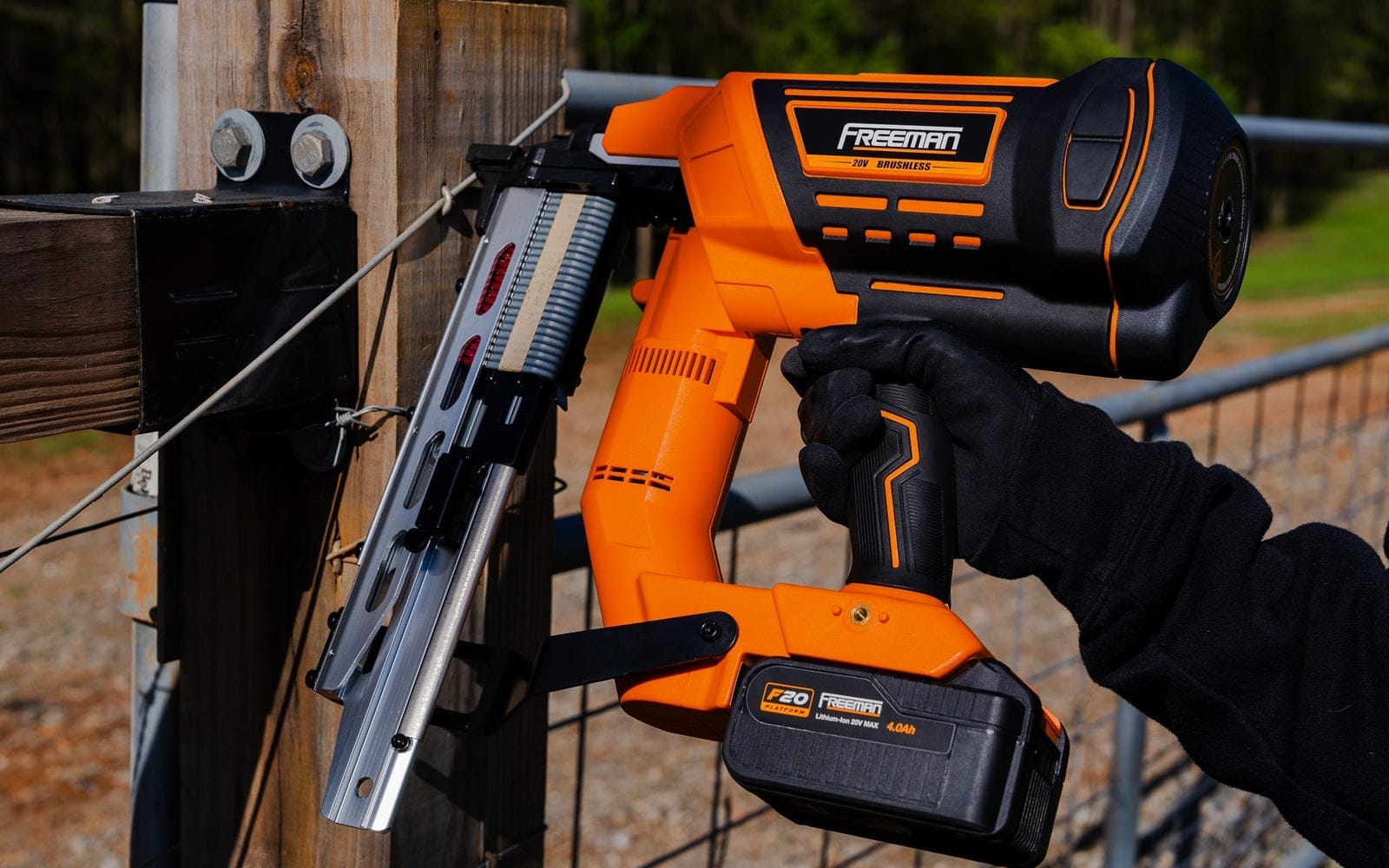
Cordless nail guns do not need a hose or compressor. Instead, they use lithium-ion batteries or a combination of batteries and fuel cells. Pulling the trigger releases stored energy, pushing the nail into the material.
Cordless models are popular with DIYers, remodelers, and anyone working away from a power source. They offer true portability.
Key Features Of Cordless Nail Guns
- No hoses or cords: Work anywhere without dragging an air hose.
- Battery-powered or fuel cell: Some use only batteries; others use a battery plus a replaceable gas cartridge.
- Heavier tool weight: The battery and motor add extra weight.
- Limited runtime: You need to recharge or replace batteries.
Credit: freemantools.com
Comparing Power And Performance
A big reason people choose nail guns is for power. Let’s see how each type performs.
| Type | Max Nail Size | Best For | Cycle Rate (Nails/minute) |
|---|---|---|---|
| Pneumatic | Up to 3.5″ | Framing, roofing, siding | ~100+ |
| Cordless | Up to 3.25″ | Trim, finish work, repairs | ~60-80 |
Pneumatic nail guns are more powerful. They can handle larger nails and harder materials with ease. For framing a house or installing subfloors, the extra strength matters. Most professionals stick with pneumatic for heavy-duty work.
Cordless nail guns are powerful enough for most finish work, like attaching moldings or baseboards. Newer models can handle some framing jobs, but they are slower and not as strong as pneumatic nailers.
Portability And Ease Of Use
Portability is a big reason people choose cordless tools. Let’s compare:
- Pneumatic nail guns require an air compressor and hose. This means more setup time and less mobility. Working in tight spaces or moving around a lot is harder.
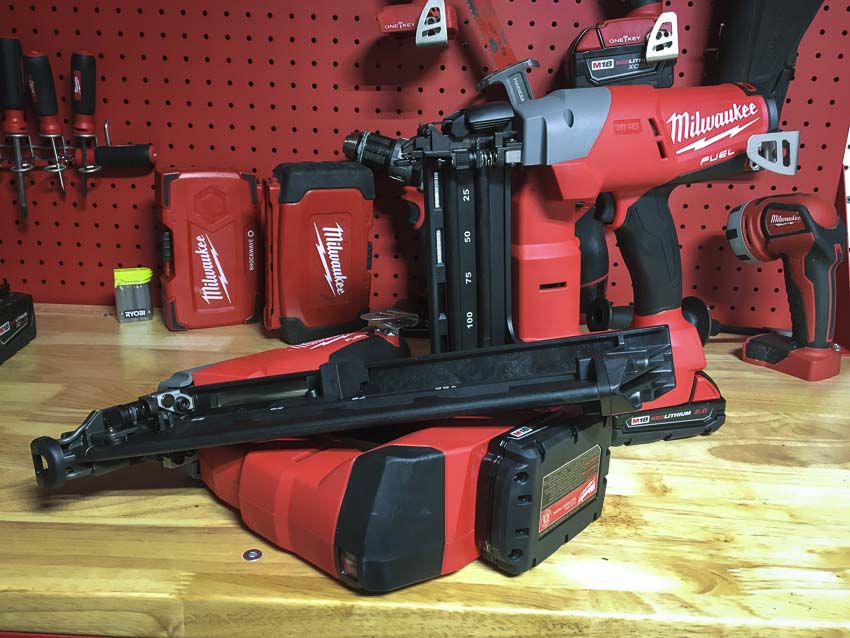
- Cordless nail guns are ready to go. Just grab and start nailing. They shine when you need to work in different places, or on a ladder, or in a tight corner.
Non-obvious insight: Beginners often forget the time it takes to set up and move a compressor. For small jobs, cordless tools save a lot of hassle.
Credit: www.protoolreviews.com
Maintenance And Durability
How much work does each type need to stay in good shape?
- Pneumatic nail guns have fewer moving parts inside the tool, but you must maintain the air compressor. Regular oiling, draining water from the tank, and checking hoses is needed.
- Cordless nail guns require battery care (charging and storage). If they use fuel cells, you need to buy and install them. The internal mechanisms can be more complex, so repairs can cost more.
Durability is usually better with pneumatic guns, especially for daily, heavy use. Cordless tools can wear out faster, especially with cheaper models.
Cost Comparison
Price is a key factor for many buyers. Let’s break down the costs.
| Type | Starter Tool Price | Ongoing Costs |
|---|---|---|
| Pneumatic | $80 – $200 | Compressor ($100+), hoses, oil, repairs |
| Cordless | $150 – $400 | Batteries ($40+), chargers, fuel cells ($15+ each) |
A pneumatic nail gun is cheaper at first, but you need to buy a compressor and hoses. For large projects or a workshop, this can be a good investment.
A cordless nail gun costs more upfront. You may need extra batteries for long days. If it uses fuel cells, that’s an ongoing expense.
Non-obvious insight: If you already own a compressor (maybe for other tools), pneumatic nail guns are much cheaper. But if not, add that cost to your budget.
Safety Considerations
Nail guns are powerful tools and can be dangerous if used wrong. Here’s how safety compares:
- Pneumatic nail guns: The air hose can be a tripping hazard. The tools are lighter, but the hose can whip around if disconnected suddenly.
- Cordless nail guns: No hose means fewer tripping hazards. But the tool is heavier, which can cause fatigue and mistakes, especially overhead.
Both types have safety locks and require pressure on the tip before firing. Always wear safety glasses and keep your fingers away from the nose.
A common mistake: People forget to disconnect the air hose or remove the battery when clearing a jam. This can cause accidental firing.
Noise And Work Environment
Noise is not just annoying; it can damage your hearing. Here’s what you need to know:
- Pneumatic nail guns: The compressor is loud, especially when refilling air. The tool itself is not very noisy.
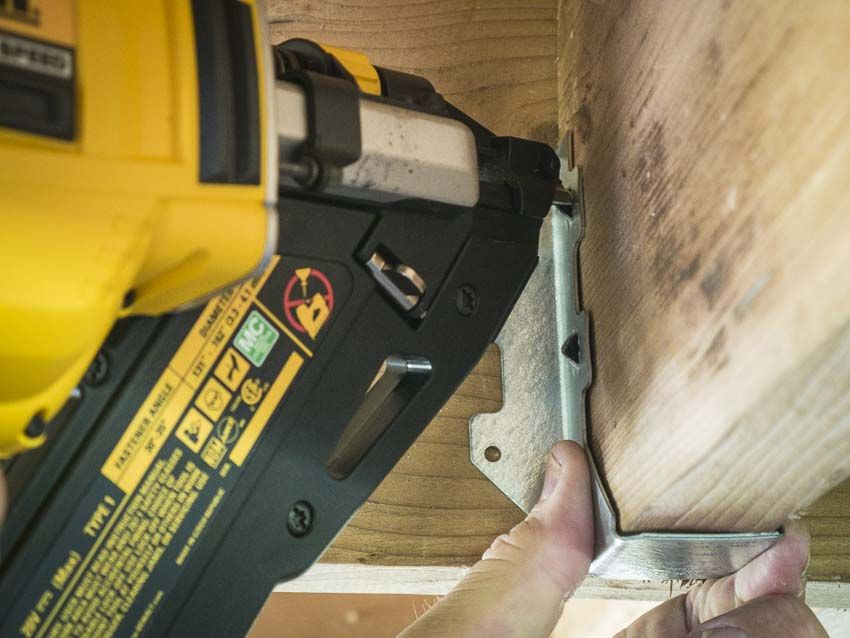
- Cordless nail guns: The tool is usually quieter. No compressor running in the background.
If you work in a quiet space (like inside a house), cordless tools are much less disturbing for you and others.
Credit: www.protoolreviews.com
Best Use Cases For Each Type
When does each type shine? Here are examples:
Pneumatic Nail Gun
- Framing a house: Long hours, thousands of nails, lots of power needed.
- Roofing and siding: Quick nailing, often in tough materials.
- Workshop with a compressor: If you already use air tools, adding a pneumatic nailer makes sense.
Cordless Nail Gun
- Small repairs: Fixing trim, baseboards, or stairs without dragging out a compressor.
- Work in tight places: Attics, crawl spaces, or on a ladder.
- Remodeling in homes: Less noise and faster setup. No need to run hoses through finished rooms.
Battery And Fuel Cell Technology
Batteries are getting better every year. Modern lithium-ion batteries last longer, charge faster, and hold power better than old types. Most cordless nailers can fire hundreds of nails on one charge. Some high-end models can do over 1,000.
Fuel cell models use a small gas cartridge plus a battery. They tend to hit harder but cost more per shot. The fuel cell must be replaced after about 1,000 nails.
Tip: Cold weather can reduce battery and fuel cell performance. If you work outside in winter, keep batteries warm or have extras ready.
Common Mistakes When Choosing
Choosing the wrong tool can lead to frustration and wasted money. Here’s what to avoid:
- Ignoring power needs: Using a cordless nailer for heavy framing will slow you down and might fail.
- Forgetting about runtime: If you need to work all day, will your batteries last? Will you have access to power to recharge?
- Not considering the workspace: A pneumatic nailer is tough to use in finished rooms or small spaces.
- Overlooking total costs: Don’t just look at the tool price. Add in batteries, fuel, compressor, and hoses.
- Skipping safety features: Always check for safety locks and anti-dry fire features.
Real-life Example: Which To Choose?
Imagine you are remodeling a kitchen. You need to install cabinets, new trim, and maybe re-frame a wall. If you already own a compressor, a pneumatic nailer is cost-effective for big jobs. But if you have to move around, work in tight spaces, and noise is an issue, a cordless nailer will save time and hassle.
For a professional building houses, pneumatic is still king. For a homeowner or handyman doing repairs, cordless is more flexible.
Environmental Impact
Cordless nail guns use lithium-ion batteries. These batteries can be recycled but must be handled carefully. Fuel cells are small, but not always recycled properly. Pneumatic tools use electricity to run the compressor, which can add to energy costs.
Tip: To reduce your impact, choose Energy Star-rated compressors and recycle batteries and fuel cells at proper centers.
Summary Table: Pneumatic Vs Cordless Nail Gun
Here’s a quick comparison of the main points.
| Feature | Pneumatic | Cordless |
|---|---|---|
| Power | High | Medium-High |
| Portability | Low | High |
| Setup Time | Longer | Very Short |
| Noise | Loud (compressor) | Quieter |
| Cost | Lower (if you have compressor) | Higher |
| Maintenance | Compressor, oil, hoses | Batteries, fuel cells |
Making Your Final Decision
Think about your most common projects. If you need maximum power and speed, and don’t mind the setup, a pneumatic nail gun is a great choice. For flexibility, quick jobs, and work in finished spaces, a cordless nail gun is hard to beat.
If you’re still unsure, check out detailed reviews on This Old House to see which specific models get high marks for reliability and performance.
No matter what you choose, always follow safety rules and buy from a trusted brand. The right nail gun will save you time and effort for years to come.
Frequently Asked Questions
What Is The Main Advantage Of A Pneumatic Nail Gun?
The main advantage is high power and speed. Pneumatic nail guns can handle heavy-duty jobs and continuous use without losing strength. They are the top choice for professional construction.
Are Cordless Nail Guns Powerful Enough For Framing?
Some high-end cordless nail guns can do light framing, but most are better for finish work like trim and molding. For large framing jobs, pneumatic models are more reliable.
How Long Do Batteries Last In Cordless Nail Guns?
Most lithium-ion batteries last for 400-1,000 nails per charge, depending on the tool and material. Having extra batteries lets you work longer without stopping.
What Maintenance Do Pneumatic Nail Guns Need?
You should oil the tool regularly, check and drain the compressor, and inspect hoses for leaks. This keeps the tool working smoothly and prevents breakdowns.
Can I Use A Cordless Nail Gun Indoors?
Yes, cordless nail guns are ideal for indoor work. They are quieter, create less mess, and don’t need hoses, so they’re perfect for finished rooms or repairs.
