
Die Grinder Vs Dremel: Choosing the Right Tool for Your Projects
If you enjoy working with tools, you’ve probably heard of the die grinder and the Dremel. Both are rotary tools used for grinding, cutting, polishing, and sanding. But even though they look similar, they are quite different in size, power, and use. Choosing the right tool can make your work easier, faster, and safer.
This guide dives deep into the differences, advantages, and ideal uses for die grinders and Dremel tools. We’ll cover real-world examples, practical tips, and common mistakes to avoid—so you can confidently pick the best rotary tool for your needs.
What Is A Die Grinder?
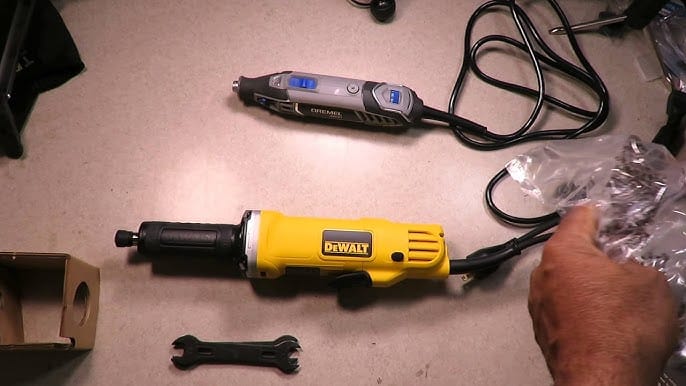
A die grinder is a powerful rotary tool designed for heavy-duty tasks. It uses compressed air (pneumatic) or electricity to spin attachments at high speed. Most die grinders have a ¼-inch collet that fits larger bits and accessories. They’re commonly used in metalworking, automotive repair, and fabrication shops.
Die grinders are built for tough jobs:
- Removing rust from steel
- Smoothing welds
- Cutting thick metal
- Shaping hard materials
These tools are often bulky, with a straight or angled body. The motor is strong, so the tool can handle larger bits and work for longer periods without overheating.
Key Specifications
- Power: 18,000–25,000 RPM, usually 1–3 horsepower
- Size: 6–10 inches long, 2–5 pounds
- Collet: ¼-inch (sometimes ⅛-inch for smaller models)
- Common Attachments: Carbide burrs, grinding stones, cut-off wheels
Typical Uses
Die grinders shine in industrial settings. For example, a mechanic may use one to grind away metal burrs inside an engine block. A welder might smooth a weld seam using a die grinder with a grinding stone.
What Is A Dremel?
A Dremel is a brand name, but it’s often used to describe any small rotary tool for precision tasks. Dremel tools are electric, lightweight, and easier to handle than die grinders. They use a ⅛-inch collet and spin at high speeds, but with less power.
Dremel tools are perfect for:
- Detailed engraving and carving
- Polishing jewelry
- Cutting thin materials (wood, plastic, aluminum)
- Sanding small surfaces
Most Dremels fit comfortably in your hand, like a thick pen. They’re ideal for hobbyists, DIYers, and anyone who needs precision more than brute force.
Key Specifications
- Power: 5,000–35,000 RPM, usually less than 1 horsepower
- Size: 5–8 inches long, under 1 pound
- Collet: ⅛-inch (some models have adapters for smaller bits)
- Common Attachments: Sanding drums, diamond bits, polishing wheels
Typical Uses
A jewelry maker might use a Dremel to polish a silver ring. A model builder could carve intricate details into plastic using a Dremel engraving bit.
Die Grinder Vs Dremel: Core Differences
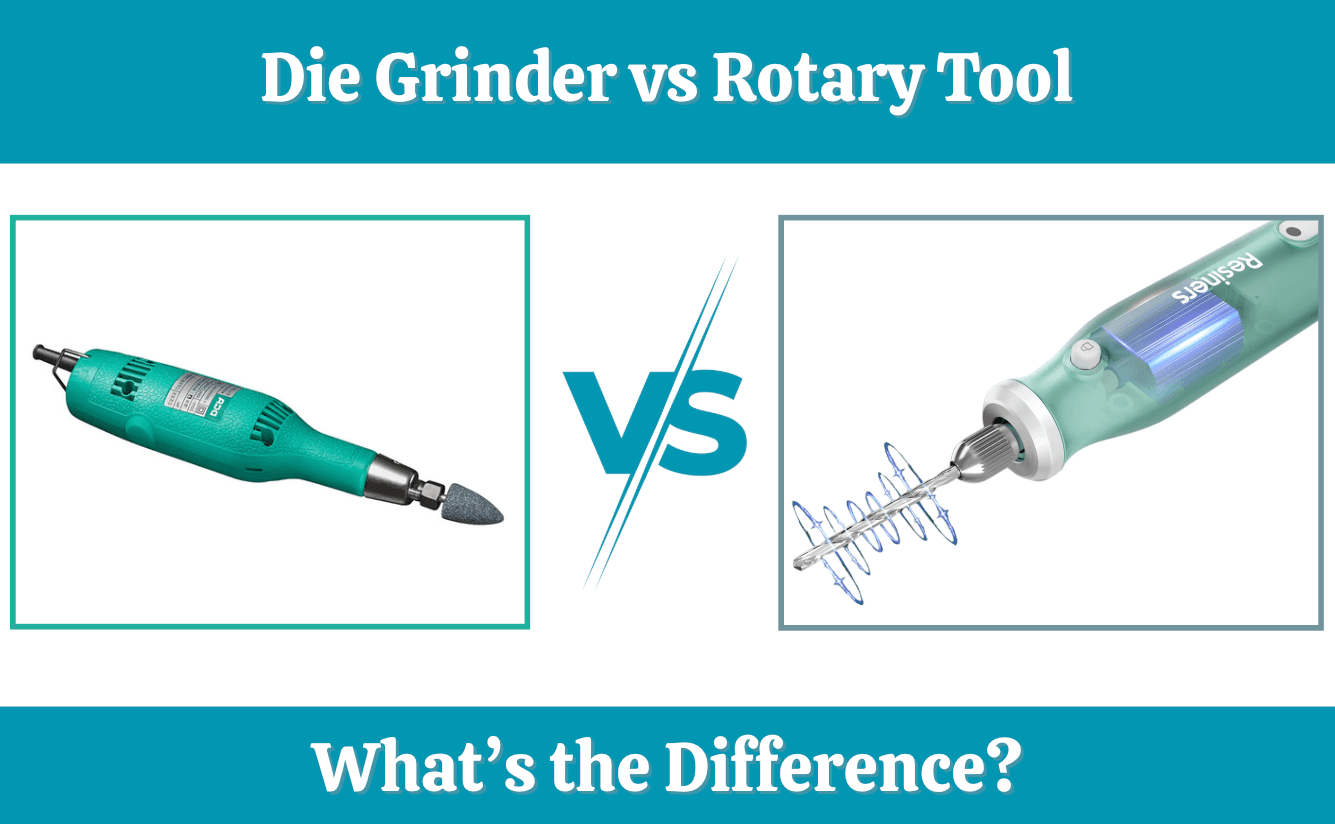
Let’s break down the main differences in a simple comparison:
| Feature | Die Grinder | Dremel |
|---|---|---|
| Power Source | Pneumatic/Electric | Electric |
| Size | Larger, heavier | Small, lightweight |
| Collet Size | ¼-inch | ⅛-inch |
| RPM Range | 18,000–25,000 | 5,000–35,000 |
| Typical Use | Heavy-duty, industrial | Precision, hobby |
| Price Range | $60–$250 | $40–$120 |
Which Tool Is Better For Specific Tasks?
You may wonder: Which tool should I use for different jobs? Here are practical examples:
Metalwork And Automotive
If you need to grind, cut, or smooth thick metal, a die grinder is the right tool. Its powerful motor and larger bits make it perfect for tasks like removing welds or shaping steel pipes.
Woodworking And Crafting
For delicate carving, shaping, or sanding small pieces of wood, a Dremel excels. It’s easy to control and has a wide range of small attachments.
Jewelry And Detail Work
A Dremel is ideal for polishing, engraving, and cleaning jewelry. The small size and gentle power help prevent mistakes.
Large Surface Grinding
When you must remove material from a big, tough surface (like a metal plate), the die grinder is faster and more efficient.
Cutting Thin Materials
Both tools can cut, but the Dremel is safer for thin, fragile materials. Its lower power reduces the risk of cracking or damaging your workpiece.
Credit: www.youtube.com
Attachment Compatibility
The attachments or bits you use matter a lot. Die grinders accept larger, industrial bits. Dremels use smaller, detailed accessories.
| Attachment Type | Die Grinder | Dremel |
|---|---|---|
| Carbide Burr | Yes (¼-inch) | No (too big) |
| Sanding Drum | Large size | Small size |
| Grinding Stone | Heavy-duty | Fine detail |
| Polishing Wheel | Industrial | Jewelry, hobby |
Non-obvious insight: Some users try to use Dremel bits in a die grinder, but the small bits can break or wear out quickly due to the grinder’s high power. Always match the bit size and material to the tool’s power.
Power And Speed: What Really Matters
Speed (RPM) is important, but power (torque) matters more for tough jobs. Die grinders have more torque, so they can keep spinning when cutting thick metal or grinding heavy surfaces. Dremel tools spin faster, but with less force.
For example, if you need to grind a steel bolt, the die grinder will do it easily. A Dremel may slow down or even stop if pushed too hard.
Tip: For delicate work, high RPM is useful. For heavy-duty work, more torque is essential.
Safety Considerations
Both tools can be dangerous if used wrong. Here are some safety tips:
- Always wear safety goggles. Both tools can throw sparks or debris.
- Use gloves with die grinders, but avoid gloves with Dremel tools because fabric can catch on small bits.
- Make sure bits are properly installed and tightened.
- Never force the tool—let it do the work.
Non-obvious insight: Die grinders often require an air compressor, which adds noise and risk. If you work at home, consider the electric version or a Dremel for quieter operation.
Cost And Maintenance
Die grinders cost more, mostly because they’re built for tough jobs and have stronger motors. They also need more maintenance, especially pneumatic models, which require oiling and cleaning.
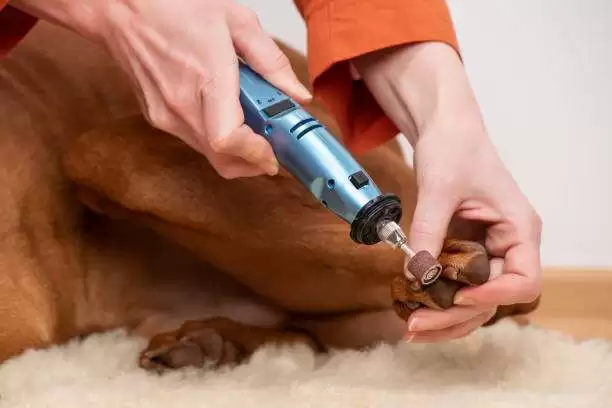
Dremel tools are cheaper and easier to maintain. Most users only need to keep the tool clean and replace attachments when worn.
Here’s a quick price comparison:
| Model | Average Price | Maintenance Level |
|---|---|---|
| Die Grinder (Pneumatic) | $70–$250 | High (oil, air filter, cleaning) |
| Die Grinder (Electric) | $60–$200 | Medium (cleaning, cord check) |
| Dremel | $40–$120 | Low (cleaning, bit change) |
Credit: axatool.com
Common Mistakes Beginners Make
- Using the wrong bit: Don’t use small Dremel bits in a powerful die grinder. They can break or wear out quickly.
- Overloading the motor: Pushing too hard can damage both tools. Let the tool’s speed and power do the work.
- Ignoring safety: Skipping goggles, gloves, or ear protection can lead to injury.
- Wrong tool for the job: Using a Dremel for heavy metal grinding is slow and can burn out the motor.
- Improper maintenance: Die grinders need regular oiling and cleaning. Forgetting this shortens the tool’s life.
How To Choose The Right Tool
When deciding between a die grinder and a Dremel, ask yourself:
- What materials will you work on? Metal needs a die grinder. Wood or plastic is easier with a Dremel.
- How much detail do you need? Tiny, precise work favors a Dremel.
- Is portability important? Dremels are lighter and easier to carry.
- Are you working in a noisy environment? Pneumatic die grinders are loud.
- What’s your budget? Die grinders cost more but last longer for tough jobs.
Experience-based guide: If you’re a hobbyist or DIYer, start with a Dremel. If you work on cars, welds, or industrial metal, invest in a die grinder.
Credit: resiners.com
Real-world Examples
- A car mechanic uses a die grinder to remove rust from brake rotors.
- A woodworker uses a Dremel to carve fine details into a wooden figurine.
- A jeweler polishes silver rings using a Dremel with a felt wheel.
- A fabricator shapes steel pipes with a die grinder and carbide burr.
Comparing Brands And Models
Many brands make die grinders, including Makita, DeWalt, and Ingersoll Rand. Dremel is the leader in precision rotary tools, but some alternatives exist (like Proxxon or Black & Decker).
When comparing models, check:
- RPM and power rating
- Attachment compatibility
- Build quality and warranty
- Comfort and balance
For more details on tool history and specs, see Wikipedia.
Frequently Asked Questions
What Is The Main Difference Between A Die Grinder And A Dremel?
The main difference is power and size. Die grinders are built for heavy-duty work, using larger bits and more force. Dremels are small, lightweight, and designed for precision tasks.
Can I Use Dremel Bits In A Die Grinder?
It’s not recommended. Die grinders are too powerful for Dremel bits, which can break or wear out quickly. Always use the proper bit for each tool.
Which Tool Is Safer For Beginners?
A Dremel is safer for beginners. It’s lighter, less powerful, and easier to control. Die grinders require more experience and caution.
Are Die Grinders Only For Metal?
No, die grinders can be used on wood, plastic, and other materials. However, their power makes them best for metal and tough surfaces.
How Long Do These Tools Last?
With proper care, die grinders can last for many years, even in tough conditions. Dremels also last long, but mostly for light to medium tasks. Regular cleaning and maintenance increase lifespan.
Choosing between a die grinder and a Dremel depends on your needs, experience, and budget. Both tools are excellent, but understanding their strengths and limits will help you get the best results. Remember, always match the tool to the job, and follow safety guidelines for a smooth and successful project.
