
Vernier Caliper Vs Digital Caliper
Measuring small objects with high accuracy is essential in many fields, from engineering to jewelry making. Two popular measuring tools are the vernier caliper and the digital caliper. Both instruments look similar at first glance, but their working principles, accuracy, and user experience are quite different. If you are trying to choose between them or just want to understand their strengths and weaknesses, this detailed comparison will help you make a confident decision.
What Is A Vernier Caliper?
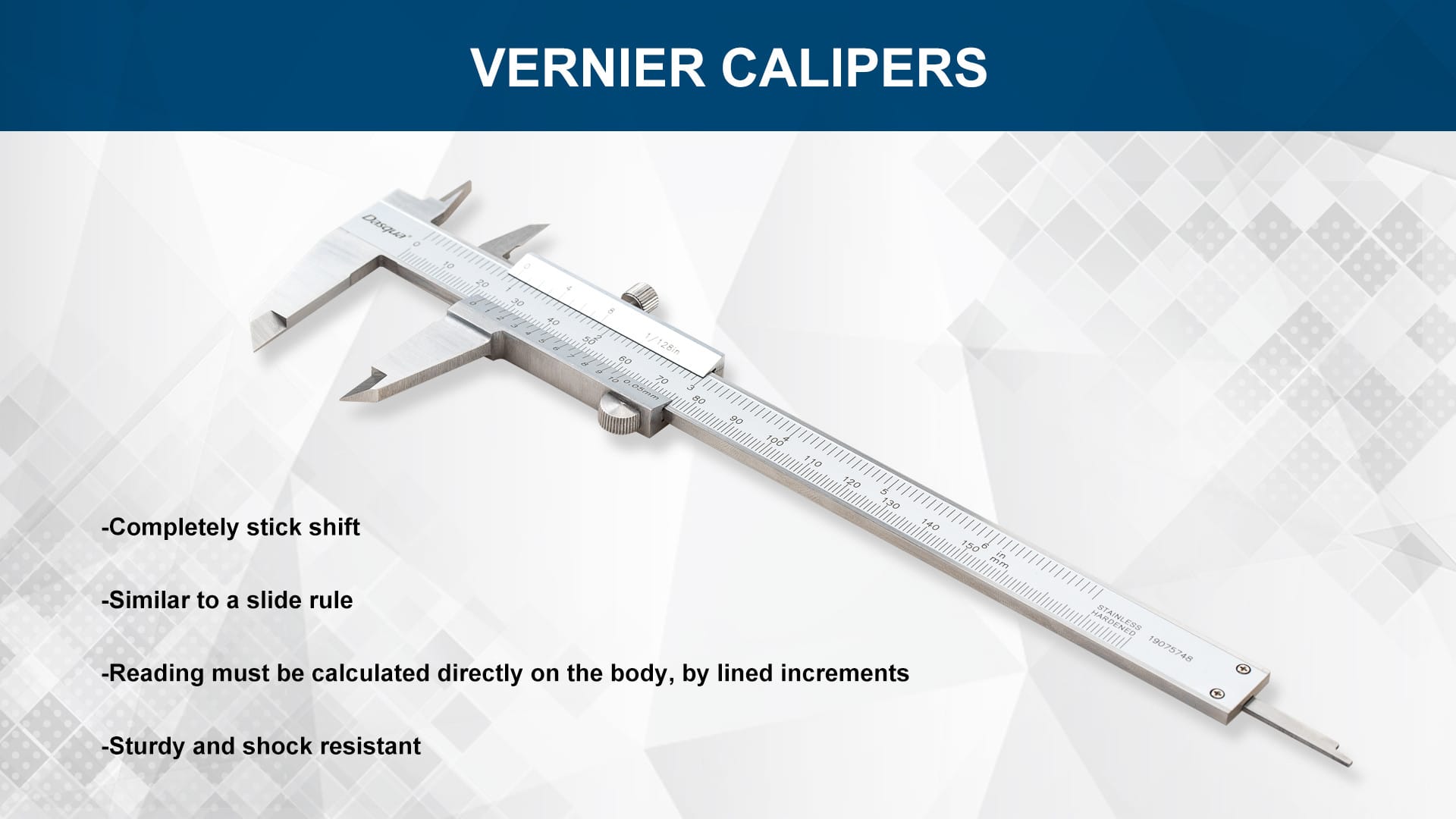
A vernier caliper is a mechanical measuring instrument. It uses a main scale and a secondary sliding vernier scale to measure length, depth, and inside or outside diameters. The user reads measurements by aligning the scales, which can be tricky for beginners but gives precise results when used correctly.
Vernier calipers have been used for over a century. They do not need batteries and can work in almost any condition. These calipers are widely used in schools, workshops, and industries for their reliability and affordability.
What Is A Digital Caliper?
A digital caliper works on the same measuring principle as a vernier caliper but replaces the vernier scale with an electronic sensor and a digital display. When you slide the jaws, the measurement appears instantly on a small screen.
Digital calipers are much newer and often cost more, but they offer quick, easy-to-read results. Some models provide additional features like unit conversion (millimeter to inch), zero-setting at any point, and even data output for computers.
Key Features: Vernier Caliper
Let’s look at what makes the vernier caliper stand out:
- Mechanical Reading: Uses a sliding scale without electronics.
- Measurement Range: Usually 0–150 mm (6 inches), but larger versions exist.
- Resolution: Commonly 0.02 mm or 0.001 inch.
- No Batteries Required: Works anytime, anywhere.
- Durability: Less affected by water, oil, or dust.
- Simple Construction: Fewer parts to break or malfunction.
- Cost-Effective: Often much cheaper than digital models.
Vernier calipers are valued for their robustness and reliability, especially in tough environments.
Key Features: Digital Caliper
Now, let’s see what makes the digital caliper unique:
- Electronic Display: Results appear clearly on an LCD screen.
- Measurement Range: Standard models also measure 0–150 mm, with larger sizes available.
- Resolution: Finer, often 0.01 mm or 0.0005 inch.
- Battery Powered: Needs a small battery (usually LR44 or SR44).
- Easy to Use: No manual reading or scale alignment needed.
- Unit Conversion: Many models switch between mm and inches with a button.
- Data Output: Some can connect to computers for digital recording.
Digital calipers are excellent for fast, error-free measurements—perfect when you need to measure many items quickly. The same digital-versus-manual debate exists in electrical testing — see digital vs analog multimeter.
Direct Comparison: Vernier Caliper Vs Digital Caliper
To make things clearer, here’s a side-by-side look at the main differences:
| Feature | Vernier Caliper | Digital Caliper |
|---|---|---|
| Reading Method | Manual scale | Digital display |
| Resolution | 0.02 mm / 0.001 in | 0.01 mm / 0.0005 in |
| Battery | Not needed | Required |
| Ease of Use | Needs skill | Very easy |
| Durability | High | Can be sensitive |
| Price | Lower | Higher |
| Data Output | No | Often available |
Advantages Of Vernier Caliper
Some users still prefer vernier calipers, and for good reasons:
- No Power Needed: Always ready, even in remote areas.
- Long Life: Less likely to break down.
- Resistant to Harsh Conditions: Works well in oily, wet, or dusty environments.
- Budget Friendly: More affordable, especially for students or small workshops.
- Develops Measurement Skills: Users learn to read scales and understand measurement principles.
A vernier caliper is a practical tool for education or tough job sites.
Credit: www.dasquatools.com
Advantages Of Digital Caliper
Digital calipers have become very popular in recent years. Here’s why:
- Quick Reading: No need to interpret scales.
- Higher Precision: Finer resolution for detailed work.
- Reduces Human Error: Less chance of misreading values.
- Switches Units Instantly: Measure in mm or inches with one button.
- Memory and Data: Some models store results or send them to a computer.
- Easier for Beginners: No special skill needed.
Digital calipers are ideal for fast-paced work and high-volume measuring.
Disadvantages Of Vernier Caliper
Despite their strengths, vernier calipers have some downsides:
- Slow Reading: Manual reading takes longer, especially for many measurements.
- Easier to Misread: Beginners often make mistakes interpreting the scale.
- No Data Storage: Results must be recorded manually.
- Limited Features: Fewer functions compared to digital models.
If speed and accuracy are critical, these issues can slow you down.
Disadvantages Of Digital Caliper
Digital calipers are not perfect either:
- Battery Dependency: If the battery dies, you cannot measure.
- Sensitive to Conditions: Electronics may fail in wet, dusty, or cold places.
- More Expensive: Initial cost is usually higher.
- Potential Display Issues: LCD screens can crack or malfunction.
Some technicians keep a vernier caliper as a backup for these reasons.
Measuring Accuracy And Precision
Accuracy and precision are not always the same. Accuracy means how close the measurement is to the true value, while precision is about the smallest difference the tool can detect.
Digital calipers generally offer higher precision—often to 0. 01 mm. Vernier calipers are usually precise to 0. 02 mm, which is enough for most tasks but not as fine as digital models.
However, accuracy also depends on the user. A skilled operator can get highly accurate results from a vernier caliper. Beginners may find digital calipers more consistent, as they reduce mistakes from reading the scale.
When To Use Vernier Caliper
Vernier calipers are a smart choice for:
- Education: Teaching students measurement skills.
- Fieldwork: Places where batteries or electronics might fail.
- Rough Conditions: Workshops with oil, dust, or moisture.
- Budget Projects: When cost is a major factor.
They are also good as a backup tool for professionals who usually use digital calipers. If accuracy specs ever confuse you, our multimeter accuracy explained guide breaks down what those numbers really mean.
When To Use Digital Caliper
Digital calipers work best for:
- High-Volume Work: Factories, labs, or places measuring many parts.
- Precision Tasks: When you need very fine measurements.
- Beginner Use: For people who want fast, error-free readings.
- Data Logging: Projects that need measurements sent to a computer. For paired digital test gear, browse the best digital multimeters (2026)
For example, quality control inspectors in factories often use digital calipers for speed and accuracy.
Practical Examples
Imagine you are making a custom part for a car. If you are in a clean, well-lit workshop and need to check many parts quickly, a digital caliper makes the job easier and faster. If you are repairing farm equipment outdoors, a vernier caliper might be better because it won’t fail due to dirt or battery problems.
Jewelry makers often use digital calipers for their tiny, precise measurements, while machinists in heavy industry sometimes rely on vernier calipers for their robustness.
Common Mistakes To Avoid
New users often repeat these mistakes:
- Not Zeroing the Caliper: Always close the jaws and reset to zero before measuring.
- Misreading the Scale: With vernier calipers, double-check the line-up.
- Applying Too Much Force: Squeezing objects distorts measurements.
- Ignoring Cleanliness: Dirt or oil on the jaws leads to errors.
- Dead Batteries: For digital calipers, always keep a spare battery.
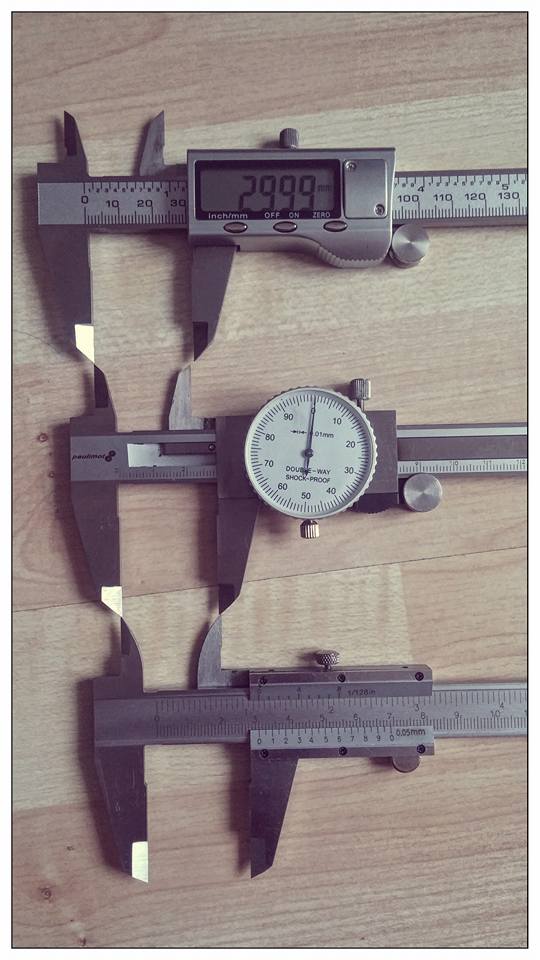
Both types need regular cleaning and careful handling for best results.
Credit: woodworking.stackexchange.com
Price Comparison
Prices can vary a lot. A basic vernier caliper might cost $10–$30, while a standard digital caliper is usually $25–$60. High-end models with extra features can cost more. For most hobby or student use, the cheapest reliable version is often enough.
Some brands, like Mitutoyo or Starrett, are known for high quality and can be trusted for professional work.
Maintenance Tips
Both types of calipers need care:
- Keep Clean: Wipe after use. Avoid dropping.
- Store Safely: Use the case to protect from damage.
- Check Zero: Make sure the caliper reads zero when closed.
- Avoid Water: Even waterproof digital calipers should be kept dry when possible.
- Change Batteries: For digital calipers, remove batteries if not used for long periods.
A well-maintained caliper can last many years.
Credit: woodworking.stackexchange.com
Non-obvious Insights
- Temperature Affects Accuracy: Metal calipers expand or contract with temperature. Always measure at room temperature for best results.
- Parallax Error in Vernier Caliper: Looking at the scale from an angle can cause mistakes. Always look straight down at the markings.
- Fake Calipers Are Common Online: Cheap, unbranded calipers often give unreliable readings. Buy from trusted sources.
Choosing The Right Caliper For You
Consider these factors before deciding:
- Environment: Will you work in harsh or clean conditions?
- Volume of Work: How many measurements do you need to take?
- Budget: How much can you spend?
- Skill Level: Are you comfortable reading vernier scales?
- Data Needs: Do you need to store or transfer results?
For most people, a digital caliper is best for speed and convenience. But professionals and students should learn to use a vernier caliper as well.
For more on calipers and measuring instruments, you can explore the Wikipedia page on calipers.
Frequently Asked Questions
What Is The Main Difference Between Vernier And Digital Calipers?
The main difference is how you read the measurement. Vernier calipers use a manual scale, which requires careful reading, while digital calipers show the result instantly on a screen.
Are Digital Calipers More Accurate Than Vernier Calipers?
Digital calipers usually offer higher precision (up to 0.01 mm), but accuracy also depends on how the tool is used and maintained. For most tasks, both are accurate enough if handled properly.
Can Digital Calipers Work Without Batteries?
No, digital calipers need batteries to show measurements. If the battery is dead, the caliper will not work. Vernier calipers do not need batteries.
Which Caliper Is Better For Students?
Vernier calipers are often better for learning, as they teach students how to read scales and understand measurement. Digital calipers are easier but may not help develop these basic skills.
How Do I Maintain A Caliper For Long Life?
Always clean the jaws, store the caliper in its case, avoid dropping, and for digital calipers, remove the battery when not in use for long periods. Regular care prevents most problems.
Choosing between a vernier and a digital caliper depends on your needs, environment, and skill level. For most users, having both types is ideal: a vernier caliper for backup and harsh conditions, and a digital caliper for everyday speed and ease. With good care, both tools can provide years of reliable service.
