
AC vs DC TIG Welding: Key Differences, Applications, and Expert Tips
Welding is a craft that combines science and skill. For professionals and hobbyists, understanding the tools and techniques is essential for quality results. One of the most important decisions in TIG (Tungsten Inert Gas) welding is choosing between AC (Alternating Current) and DC (Direct Current). This choice affects the welding process, the materials you can use, and the final appearance of your welds.
Many beginners struggle to decide which current to use, and why it matters. In this article, you’ll learn the differences between AC and DC TIG welding, when to use each, and how to get the best results from both. We’ll also bust some myths and share tips that even experienced welders sometimes overlook.
Understanding Tig Welding Basics
TIG welding, also known as GTAW (Gas Tungsten Arc Welding), uses a non-consumable tungsten electrode to produce a weld. Shielding gas, usually argon, protects the weld area from contamination. The main advantage of TIG welding is its ability to create strong, clean, and precise welds on a wide range of metals.
Two main types of electrical current are used in TIG welding:
- AC (Alternating Current): The direction of current flow changes back and forth.
- DC (Direct Current): The current flows in only one direction.
These differences may sound simple, but they have a big impact on your welding results.
How Ac And Dc Tig Welding Work
Ac Tig Welding
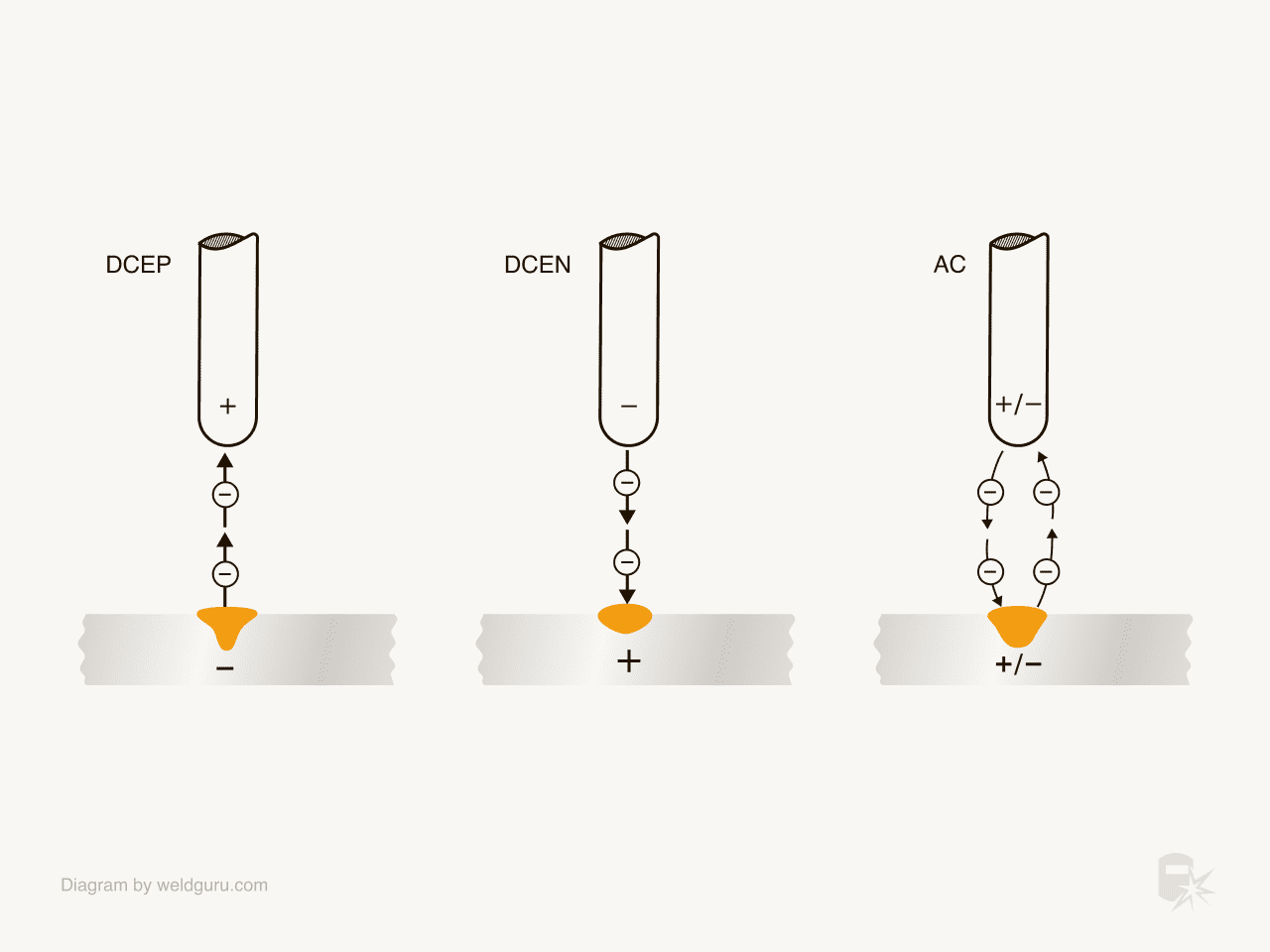
With AC TIG welding, the electrical current switches direction, usually 60 times per second (60 Hz) in most countries. This means electrons flow from the electrode to the workpiece, and then reverse. This alternating flow is especially useful for breaking up oxide layers on certain metals, like aluminum.
Dc Tig Welding
DC TIG welding uses current that flows in one direction only. There are two options:
- DCEN (Direct Current Electrode Negative): Electrons flow from the electrode to the workpiece.
- DCEP (Direct Current Electrode Positive): Electrons flow from the workpiece to the electrode.
DCEN is used most often, giving deeper penetration and less heat on the electrode.
Key Differences Between Ac And Dc Tig Welding
To understand how AC and DC compare, let’s look at their main differences side by side.
| Feature | AC TIG Welding | DC TIG Welding |
|---|---|---|
| Current Direction | Alternates (changes) | Flows one way |
| Best For | Aluminum, Magnesium | Steel, Stainless, Copper |
| Oxide Cleaning | Yes | No |
| Arc Stability | Less stable | More stable |
| Electrode Wear | Higher | Lower |
| Weld Appearance | Shinier (on aluminum) | Smoother (on steel) |
When To Use Ac Tig Welding
AC TIG welding is not for every situation. It has specific strengths, especially with reactive metals.
Welding Aluminum
The most common use for AC in TIG welding is aluminum. Aluminum forms a tough oxide layer when exposed to air. This layer melts at a much higher temperature than the metal underneath, which can cause problems. AC’s alternating current helps break up this oxide, cleaning the surface as you weld. This is called the cleaning action.
Welding Magnesium
Like aluminum, magnesium forms a strong oxide layer. AC TIG welding cleans this layer effectively, making it possible to create quality welds.
Other Uses
AC is sometimes used with other metals that have oxide coatings, but it’s less common. For most metals, DC is preferred.
When To Use Dc Tig Welding
DC TIG welding is the most popular choice for many metals because of its stable arc and deep penetration.
Welding Steel
Carbon steel and stainless steel are almost always welded with DC. The stable arc makes it easier to control, and you get a smooth, strong weld.
Welding Copper And Titanium
Copper and titanium also work well with DC TIG welding. You can achieve excellent penetration and clean welds.
Thin Materials
DC is especially good for thin metals (less than 3mm), as the stable arc reduces the risk of burning through.
Pros And Cons Of Ac Tig Welding
Like any tool, AC TIG welding has advantages and disadvantages. Knowing these helps you decide when to use it.
Advantages:
- Oxide Cleaning: Removes oxide layers from aluminum and magnesium.
- Better Weld Quality: Produces clean, shiny welds on reactive metals.
- Versatility: Some advanced machines allow you to adjust the AC balance for even better results.
Disadvantages:
- Less Stable Arc: The arc can wander, making precise work harder.
- More Electrode Wear: Tungsten wears out faster.
- Limited Metal Types: Not suitable for most steels or copper.
Pros And Cons Of Dc Tig Welding
DC TIG welding is the workhorse for most welders, but it’s not perfect for every job.
Advantages:
- Stable Arc: Easier to control, especially for thin materials.
- Deeper Penetration: Strong, reliable welds.
- Less Electrode Wear: Tungsten lasts longer.
Disadvantages:
- No Oxide Cleaning: Not effective on aluminum or magnesium.
- Can Overheat Electrode (DCEP): Using DCEP puts more heat on the tungsten, which can cause melting.
Choosing The Right Polarity For Tig Welding
For DC TIG welding, polarity matters. Here’s a quick overview:
- DCEN (Electrode Negative): Best for most metals. More heat in the workpiece.
- DCEP (Electrode Positive): Rarely used. More heat in the electrode, less in the workpiece.
For AC TIG welding, the machine switches polarity automatically.
Credit: www.eastwood.com
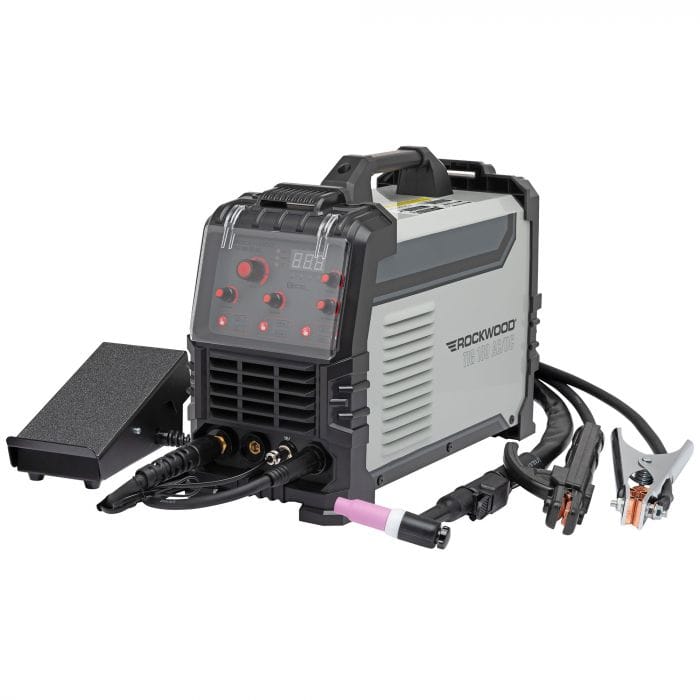
Equipment Differences: Ac Vs Dc Tig Welders
Not all TIG welders are the same. Here’s what you need to know:
| Feature | AC/DC TIG Welder | DC-Only TIG Welder |
|---|---|---|
| Welds Aluminum | Yes | No |
| Welds Steel | Yes | Yes |
| Price | Higher | Lower |
| Weight/Size | Heavier/Bigger | Lighter/Smaller |
| Best For | Shops, professionals | Hobbyists, steel-only work |
Non-obvious insight: Many beginners buy DC-only TIG welders because they are cheaper, then later regret it when they want to weld aluminum. If you think you might weld aluminum in the future, invest in an AC/DC machine.
Practical Tips For Better Tig Welding With Ac And Dc
1. Use the right tungsten: For AC, pure or zirconiated tungsten works best. For DC, use 2% thoriated or ceriated tungsten.
2. Set your gas flow correctly: 15-20 CFH (cubic feet per hour) of argon is good for most jobs. Too much gas can cause turbulence.
3. Clean your metal: Even though AC cleans oxide, always brush aluminum with a stainless steel wire brush first.
4. Adjust your machine settings: For AC welding, many modern machines let you adjust the AC balance (the ratio of cleaning to penetration). More cleaning helps remove oxide, but too much can overheat the tungsten.
5. Control your heat: DC TIG welding is very precise, but thin metals can overheat quickly. Use a foot pedal or finger control to adjust amperage as you weld.
6. Practice torch angle: Keep your torch at about 15 degrees from vertical. A wrong angle can cause poor shielding and weak welds.
7. Watch your puddle: The weld puddle tells you how things are going. In AC, the puddle will be wider and a bit less smooth. In DC, it should be tight and easy to control.
8. Avoid contamination: Touching the tungsten to the weld pool can cause contamination, leading to poor welds. If it happens, stop and grind the tungsten tip clean.
9. Use the right filler rod: Match your filler rod to your base metal. For aluminum, use 4043 or 5356. For steel, ER70S-2 or ER70S-6 is standard.
10. Mind your safety: TIG welding produces UV light and heat. Always wear proper gloves, helmet, and clothing.
Non-obvious insight: Many welders forget to let their parts cool naturally after TIG welding. Forced cooling (like water or compressed air) can create cracks, especially in aluminum.
Credit: weldguru.com
Common Mistakes To Avoid
- Using DC on aluminum: This leads to dirty, weak welds.
- Using AC on steel: The arc will be unstable and welds will look poor.
- Dirty base metal: Even with AC’s cleaning, dirty metal creates weak welds.
- Wrong tungsten: Using thoriated tungsten on AC leads to fast wear and contamination.
- Poor shielding gas coverage: This causes black, dirty welds and oxidation.
Real-world Applications
AC TIG welding is used in industries like aerospace, automotive, and food processing. For example, airplane frames are often aluminum, so AC TIG is the method of choice.
DC TIG welding is everywhere steel is used—car frames, bike manufacturing, and even art sculptures. It’s valued for its control and clean results.
Cost And Machine Selection
AC/DC TIG welders are more expensive than DC-only models. Expect to pay $800–$2000 for a quality AC/DC unit, while DC-only models start around $300–$700. If your main work is steel and stainless, a DC-only machine may be enough. But if you want flexibility, the extra investment in AC/DC is usually worth it.
A pro tip: if you buy used equipment, always check that AC mode works perfectly. Repairs can be costly.
Technical Data: Ac Vs Dc In Practice
How does performance change with each current? Here’s a quick look:
| Metal | Recommended Current | Electrode Type | Shielding Gas |
|---|---|---|---|
| Aluminum (3mm) | AC, 80-120A | Pure or zirconiated tungsten | Argon |
| Steel (3mm) | DCEN, 70-100A | 2% thoriated tungsten | Argon |
| Magnesium (3mm) | AC, 60-100A | Pure tungsten | Argon |
| Copper (3mm) | DCEN, 90-120A | 2% thoriated tungsten | Argon |
Final Thoughts
Choosing between AC and DC TIG welding is all about matching your method to the metal and the job. AC is essential for aluminum and magnesium because of its cleaning action. DC is the best choice for steel, stainless, copper, and titanium due to its stable arc and strong welds. Understanding these differences will help you produce better, safer, and more professional results.
If you’re just starting, don’t rush your decision. Think about the materials you’ll weld most often. And remember, practice and patience are as important as picking the right current. For more technical details and advanced reading, check the American Welding Society’s resources at Wikipedia.
Frequently Asked Questions
What Happens If I Use Dc Tig Welding On Aluminum?
Using DC TIG welding on aluminum usually leads to poor results. The weld will be dirty and weak because DC does not break up the tough oxide layer that forms on aluminum. Always use AC for aluminum.
Can I Weld Steel With Ac Tig Welding?
While it is possible to weld steel with AC, it is not recommended. The arc will be unstable, and the weld quality will be lower. DCEN is the best setting for welding steel.
Is It Worth Buying An Ac/dc Tig Welder?
If you plan to weld both aluminum and steel, an AC/DC TIG welder is worth the investment. It gives you flexibility and covers almost all metals.
What Tungsten Should I Use For Ac And Dc Tig Welding?
For AC TIG welding (especially aluminum), use pure or zirconiated tungsten. For DC TIG welding (steel, stainless, copper), use 2% thoriated or ceriated tungsten.
Why Is My Tungsten Tip Balling Up During Dc Tig Welding?
A balling tungsten tip usually means you are using the wrong current or polarity. Balling is normal in AC welding, but in DC, it suggests too much heat on the electrode or using DCEP instead of DCEN. Switch to DCEN and check your settings.

Credit: www.ckworldwide.com
