
Angle Grinder vs Circular Saw: Which One Is Right for You?
Whether you’re a DIY enthusiast, a professional carpenter, or just someone curious about power tools, you’ve likely heard of the angle grinder and the circular saw. Both tools are popular for cutting, shaping, and grinding different materials. But what really sets them apart? When should you use one instead of the other? If you’re unsure, you’re not alone. Many beginners—and even experienced users—struggle to choose between these two powerful tools.
Let’s dive into the world of angle grinders and circular saws. We’ll look at how they work, what they’re best for, their strengths and weaknesses, and real-life situations where one clearly beats the other. By the end, you’ll know exactly which tool fits your needs.
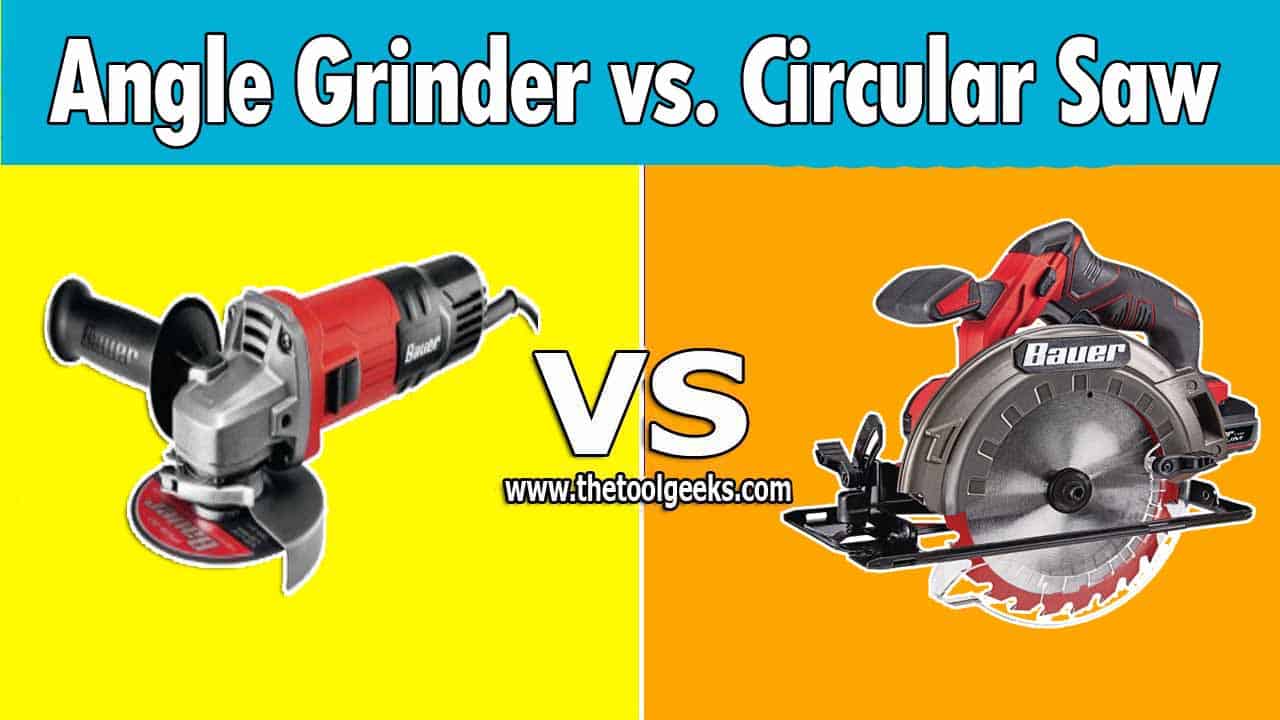
What Is An Angle Grinder?
An angle grinder is a handheld power tool with a rotating abrasive disc. People use it for cutting, grinding, polishing, and sanding. It’s a very versatile tool, loved by metalworkers, masons, and even woodworkers for certain jobs.
Angle grinders come in different sizes, usually measured by the disc diameter—common sizes are 4. 5 inches, 5 inches, and 7 inches. They can be powered by electricity (corded or cordless), compressed air, or even petrol.
Key features:
- Interchangeable discs for metal, stone, wood, or tile
- Small, portable design
- Can cut, grind, polish, and sand
Common uses:
- Cutting metal pipes or rebar
- Grinding welds smooth
- Removing rust or old paint
- Shaping stone or concrete
What Is A Circular Saw?
A circular saw is a power tool with a round blade that spins at high speed. It’s designed mainly for straight cuts in wood, but with the right blade, it can also cut metal, plastic, and masonry.
Circular saws are usually larger than angle grinders and often come with a base plate, or “shoe,” that sits flat on the material. This helps make precise, straight cuts.
Key features:
- Fixed circular blade (not interchangeable like grinder discs)
- Built for straight, long cuts
- Guide rails and depth adjustments for accuracy
Common uses:
- Cutting plywood or 2x4s
- Cross-cutting or ripping lumber
- Trimming doors or panels
- Cutting laminate or flooring
Credit: aeroclubcomo.com
Core Differences At A Glance
Before we go deeper, here’s a simple comparison between angle grinders and circular saws:
| Feature | Angle Grinder | Circular Saw |
|---|---|---|
| Main Use | Cutting, grinding, polishing | Straight cutting |
| Best For | Metal, stone, tile | Wood, sheet materials |
| Precision | Low to medium | High (straight cuts) |
| Portability | Very high | Medium to high |
| Disc/Blade Size | 4.5–9 inches | 5.5–7.25 inches |
How Angle Grinders Work
Angle grinders use a high-speed motor to spin an abrasive disc. The disc rotates at thousands of revolutions per minute (RPM), allowing it to cut or grind through tough materials. The tool’s name comes from the right angle (90 degrees) between the motor and the disc.
With the right disc, you can switch between different tasks:
- Thin cutting discs for slicing metal or tile
- Thick grinding wheels for smoothing welds or concrete
- Sanding discs for cleaning up rough edges
You hold the grinder with both hands—one on the main body, one on the side handle for control. The tool is small, so you can maneuver it into tight spaces. This makes it ideal for jobs where space is limited or the cut isn’t straight.
Non-obvious insight #1: Angle grinders create a lot of sparks, especially when cutting metal. Many beginners are surprised by this. Always wear proper safety gear.
How Circular Saws Work
A circular saw uses a circular blade with sharp teeth. The blade spins quickly, powered by an electric motor. You guide the saw along your cut line, usually with the help of a flat base plate. This plate rests on the workpiece, keeping the cut straight and steady.
Circular saws can be:
- Sidewinder (motor beside the blade, lighter and faster)
- Worm drive (motor behind the blade, more torque for heavy-duty work)
You can adjust the depth and angle of the blade. This means you can make straight, angled, or beveled cuts with accuracy.
Non-obvious insight #2: Most beginners don’t realize that using a dull blade in a circular saw is dangerous. It can cause the saw to bind, kick back, or burn the wood.
Cutting Power And Versatility
Angle Grinder Power
Angle grinders have motors ranging from 500 to 2500 watts. Smaller grinders are perfect for light metalwork, while larger ones can cut through thick steel or concrete.
Versatility: The biggest strength of angle grinders is their ability to swap discs. You can go from cutting steel to grinding concrete in seconds.
Limitations: Because the disc is flat and exposed, it’s hard to make perfectly straight or deep cuts. They’re better for rough, quick cuts, not precision.
Circular Saw Power
Circular saws also range in power, from 1200 to 1800 watts for most corded models. Battery-powered (cordless) saws are common, but corded saws are usually more powerful.
Versatility: While designed for wood, you can switch to metal, masonry, or plastic blades. Still, most users stick to wood.
Limitations: Circular saws aren’t good for grinding or polishing. They’re only for cutting.
Materials Each Tool Handles Best
Here’s a quick overview of what materials each tool can handle best:
| Material | Angle Grinder | Circular Saw |
|---|---|---|
| Wood | Possible, but not ideal | Excellent |
| Metal | Excellent | Possible (with correct blade) |
| Tile/Stone | Excellent | Possible (with correct blade) |
| Concrete | Excellent | Possible (special blade) |
| Plastic | Good (thin plastic) | Good |
Safety Considerations
Both tools can be dangerous if used incorrectly, but they have different risks.
Angle Grinder Safety
- Sparks and debris fly quickly—always wear goggles and gloves
- Discs can shatter if used on the wrong material
- The exposed disc can cause severe cuts
- Always use two hands and keep a firm grip
Circular Saw Safety
- Kickback is a common risk—this is when the saw jumps back toward you
- Blade guards help protect your hands, but always stay alert
- Dull or bent blades increase the risk of accidents
- Use clamps to hold your material steady
Tip: Never remove the safety guards on either tool. Many beginners try this to make the job “easier,” but it’s extremely dangerous.
Precision And Finish Quality
If you need a clean, straight cut, the circular saw is the clear winner. Its stable base and sharp blade teeth make smooth, accurate cuts possible. That’s why carpenters and woodworkers love it.
Angle grinders are much less precise. Their discs wobble slightly, and it’s hard to control the line of the cut. The finish is rougher, and you’ll often need to sand or grind the edge afterward.
Example: If you’re building a bookshelf, use a circular saw for straight shelf cuts. If you’re cutting rebar for concrete work, the angle grinder is better.
Cost And Maintenance
Cost
- Angle grinders are generally cheaper. A good entry-level model costs $30–$70, while professional ones can reach $150.
- Circular saws start around $50 for basic models, but most quality saws cost $80–$200.
Maintenance
- Both tools need the blades or discs replaced regularly.
- Angle grinders require more frequent disc changes, especially if used for many materials.
- Circular saws need blade sharpening or replacement when dull.
Hidden cost: Don’t forget about buying extra blades or discs. Over time, this can add up.
Credit: www.youtube.com
Portability And Ease Of Use
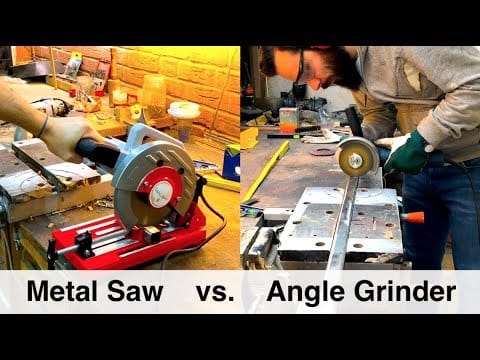
Angle grinders are lighter and more compact. You can use them one-handed for short tasks, and they fit into toolboxes easily. They’re great for site work or jobs in cramped spaces.
Circular saws are bulkier but still portable. Cordless models are especially handy for outdoor work. However, they require a flat surface to rest the base plate on, so they’re less flexible in awkward spaces.
Pro tip: Beginners often find the angle grinder’s spinning disc more intimidating. Start slow, and always practice on scrap material.
When To Choose An Angle Grinder
Pick an angle grinder when:
- You need to cut or grind metal, stone, or tile
- Precision isn’t your main goal
- You need to work in tight or awkward spaces
- You want a single tool for cutting, grinding, and polishing
Common jobs:
- Cutting bolts or pipes
- Sharpening blades or tools
- Removing rust or paint from metal railings
When To Choose A Circular Saw
Choose a circular saw when:
- You need straight, clean cuts in wood or sheet material
- Accuracy is important (for example, building furniture)
- You need to make long, straight cuts quickly
- You work mostly with wood, plywood, or similar materials
Common jobs:
- Building shelves, tables, or decks
- Cutting doors or panels to size
- Trimming flooring
Can You Use One Instead Of The Other?
Many beginners ask if they can use an angle grinder instead of a circular saw or vice versa. The answer is sometimes yes, but it’s rarely the best solution.
- An angle grinder can cut wood, but the cut will be rough and less safe.
- A circular saw can cut thin metal or tile, but it’s not designed for heavy grinding or shaping.
Non-obvious insight #3: Some people try to put circular saw blades on angle grinders. This is extremely dangerous and should never be done.
Real-world Examples
Imagine you’re renovating a bathroom. You need to:
- Cut tiles to fit around the sink (use an angle grinder with a diamond disc)
- Trim a wooden shelf to fit (use a circular saw)
- Remove old rusty bolts (use an angle grinder)
Or, you’re building a garden shed:
- Cutting all your 2x4s and plywood (circular saw)
- Smoothing metal brackets and cutting rebar (angle grinder)
Common Mistakes To Avoid
- Using the wrong blade or disc: Always match the blade/disc to the material.
- Ignoring safety gear: Eye and hand protection are a must.
- Expecting perfect cuts from an angle grinder: It’s not made for precision.
- Pushing the tool too hard: Let the blade or disc do the work—forcing it causes accidents.
- Neglecting maintenance: Dull blades and worn discs are dangerous.
Credit: www.youtube.com
Which Tool Should You Buy First?
If you mostly work with wood and need clean, straight cuts—start with a circular saw. If you work with metal, masonry, or need something more flexible for odd jobs, get an angle grinder first.
Many professionals own both, as they serve very different tasks. If your budget allows, having both tools in your workshop gives you the most flexibility.
Quick Reference Comparison
Here’s a summary table for quick decision-making:
| Task | Best Tool |
|---|---|
| Cutting plywood | Circular Saw |
| Cutting steel pipes | Angle Grinder |
| Grinding welds smooth | Angle Grinder |
| Making long straight cuts in wood | Circular Saw |
| Cutting tiles | Angle Grinder |
| General demolition work | Angle Grinder |
For more in-depth information on power tool safety, check the Wikipedia Power Tool page.
Frequently Asked Questions
What Is The Main Difference Between An Angle Grinder And A Circular Saw?
The main difference is their purpose and design. Angle grinders are for cutting, grinding, and polishing different materials, while circular saws are made for straight, clean cuts, mostly in wood.
Can You Use A Circular Saw Blade On An Angle Grinder?
No, you should never use a circular saw blade on an angle grinder. The speeds and safety systems are different, and this can cause serious injury.
Which Tool Is Safer For Beginners?
A circular saw is generally safer for beginners, as it has guards and is designed for straight cuts. However, both tools require proper safety gear and careful use.
Can An Angle Grinder Cut Wood?
Yes, but it’s not ideal. The cut will be rough and less accurate. It’s better to use a circular saw for wood.
Do Professionals Use Both Tools?
Yes. Most professionals use both angle grinders and circular saws, as each tool is best for certain tasks.
Choosing between an angle grinder and a circular saw depends on your project, material, and skill level. Understand each tool’s strengths, and you’ll work faster, safer, and with better results.
