
When it comes to woodworking or metalworking, choosing the right clamp can make all the difference between a smooth project and a frustrating experience. Two of the most popular clamp types are the pipe clamp and the bar clamp. Many beginners wonder which one is best, but the answer isn’t as simple as picking one over the other. Each has unique features, strengths, and weaknesses. Understanding the differences can help you work faster, safer, and more accurately. Let’s look closer at how pipe clamps and bar clamps compare, what makes each special, and how to decide which is right for your next project.
What Is A Pipe Clamp?
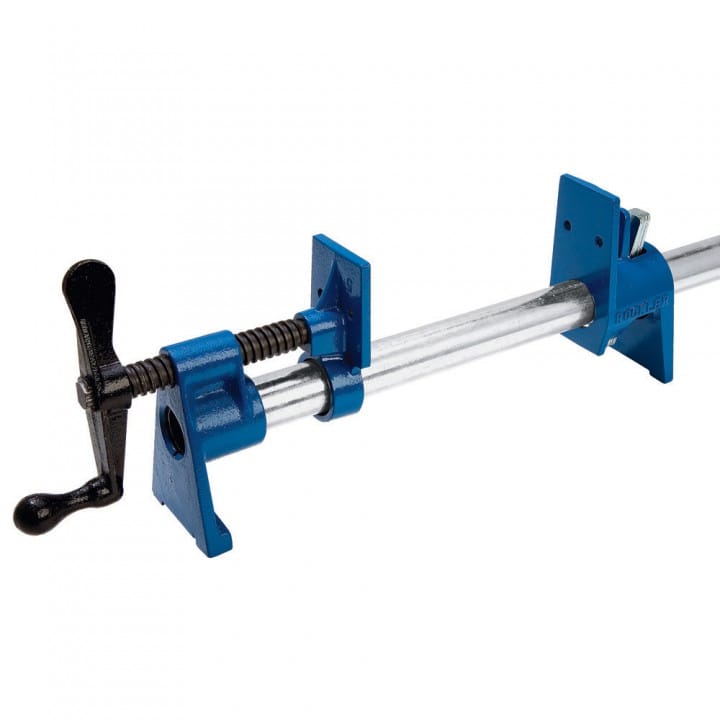
A pipe clamp is a type of clamp that uses a metal pipe as the main bar. The clamp’s heads can move up and down the pipe, allowing you to adjust the opening to fit your workpiece. The heads are usually sold separately and can be attached to standard-sized pipes, often ½ inch or ¾ inch in diameter.
Pipe clamps are popular in woodworking, especially for tasks like gluing panels or building furniture. The main advantage is their flexibility: you can use a longer or shorter pipe to match your project. If you need a wide clamp, you can simply buy a longer pipe. This makes pipe clamps both affordable and versatile.
Pipe clamps use a screw mechanism to tighten and hold the pieces together. The fixed end stays in place, while the sliding jaw moves along the pipe and locks when pressure is applied. Most pipe clamps have a clutch system that holds the sliding jaw in position until you tighten the screw.
Key characteristics of pipe clamps:
- Adjustable length by changing pipe size
- Strong clamping force
- Can be heavy, depending on pipe length
- Simple, rugged design
What Is A Bar Clamp?
A bar clamp (sometimes called an F-clamp or sliding bar clamp) features a solid metal bar with two jaws—one fixed and one sliding. The bar is usually rectangular or I-shaped, and the sliding jaw can be moved along the bar and locked in place. The clamping is done with a screw handle, similar to a pipe clamp.
Bar clamps are available in many sizes, from small models for light craft work to large, heavy-duty clamps used in professional shops. The length of the bar determines the maximum opening of the clamp. Unlike pipe clamps, you cannot easily change the length—you need to buy a longer bar clamp if you need to clamp wider pieces.
Key characteristics of bar clamps:
- Fixed length (determined by bar size)
- Precise alignment and strong force
- Lighter than pipe clamps of the same length
- Often have padded jaws to protect workpieces
Credit: www.woodsmith.com
Pipe Clamp Vs Bar Clamp: Side-by-side Comparison
To make things clearer, here’s a direct comparison of the main features:
| Feature | Pipe Clamp | Bar Clamp |
|---|---|---|
| Length Adjustability | Highly adjustable (just change pipe) | Fixed by bar length |
| Clamping Force | Very strong | Strong, but may flex on long bars |
| Weight | Can be heavy (depends on pipe) | Usually lighter |
| Cost | Lower (buy heads, use cheap pipes) | Higher per clamp |
| Setup Flexibility | Excellent (use different pipes) | Limited (each clamp has set size) |
| Protection for Workpiece | May mark wood (needs padding) | Often padded jaws |
Advantages Of Pipe Clamps
Pipe clamps are a favorite in many woodworking shops for several reasons:
- Flexible Length: You can buy one set of clamp heads and several pipes of different lengths. This saves money and storage space. For example, with three pipes of various sizes, you can handle small boxes or large table tops.
- Strong Clamping Power: The thick metal pipe and strong screw mechanism allow for high pressure, making them ideal for gluing wide panels.
- Affordable: Pipe clamp heads are not expensive, and standard pipes are cheap. You can build a full set of clamps without spending much.
- Simple Repairs: If a pipe bends or gets damaged, you can replace just the pipe, not the whole clamp.
- Modular Design: Some woodworkers join two pipes with a coupler for extra-long clamps.
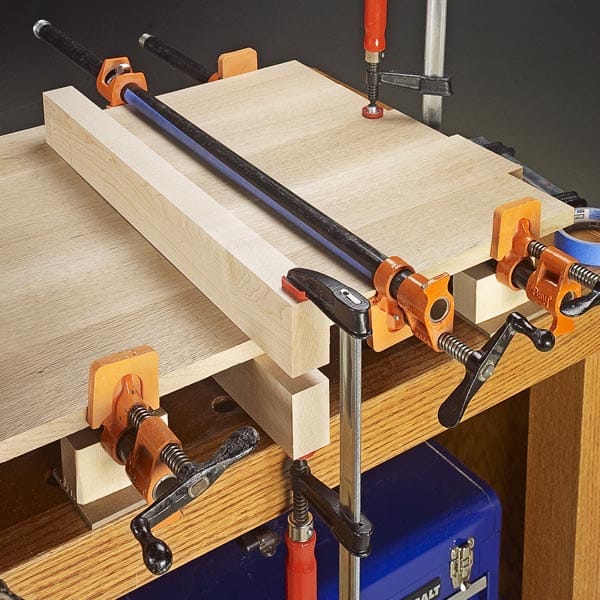
Non-obvious insight: Pipe clamps can sometimes twist the wood if you over-tighten on one side. Smart woodworkers clamp both above and below the workpiece to balance the pressure.
Disadvantages Of Pipe Clamps
No tool is perfect. Pipe clamps have some drawbacks:
- Can Be Heavy: Long steel pipes add weight, making setup and adjustment harder.
- Marks on Wood: The bare metal can leave dents or black marks on softwood. You need to use padding (like scrap wood or special covers).
- Tipping Risk: The round pipe can roll or tip on the bench, especially with heavy glue-ups.
- Less Precision: The clamping action is strong but sometimes less precise than a well-made bar clamp.
Advantages Of Bar Clamps
Bar clamps are often used for projects where accuracy and ease of use are important:
- Lightweight: Most bar clamps are made with strong but light steel or aluminum, which makes them easy to handle.
- Precise Alignment: The flat bar and straight jaws help keep workpieces in line—important for fine furniture or cabinet work.
- Padded Jaws: Many bar clamps come with soft covers, which protect the wood from dents or staining.
- Quick Setup: Sliding the jaw into place is fast, and locking mechanisms are smooth and reliable.
- Less Tipping: The flat bar sits stable on the workbench.
Non-obvious insight: High-quality bar clamps often include a quick-release trigger, speeding up repetitive work.
Disadvantages Of Bar Clamps
Even the best bar clamps have limitations:
- Fixed Length: If your bar isn’t long enough, you can’t clamp larger projects. You need to own several sizes.
- Higher Cost: Long or heavy-duty bar clamps are expensive, especially compared to a set of pipe clamps.
- Possible Flex: Long bars can bend under high pressure, reducing clamping force.
- Harder to Repair: If the bar is damaged, you usually have to replace the whole clamp.
When To Use A Pipe Clamp
Pipe clamps shine in certain situations. Here are the best uses:
- Edge Gluing Panels: When building table tops, doors, or panels, you often need to clamp wide surfaces. Pipe clamps give enough reach and force.
- Budget Projects: If you’re building a shop on a budget, pipe clamps let you do more with less money.
- Projects That Change Size: If you work on both small and large projects, it’s easy to swap out pipes for different jobs.
- Heavy-Duty Work: The strong pipes and jaws handle big, thick pieces of wood.
Practical tip: For large glue-ups, alternate pipe clamps above and below the panel to keep pressure balanced and the surface flat.
Credit: woodworking.stackexchange.com
When To Use A Bar Clamp
Bar clamps are better in these cases:
- Cabinet Making: The precise jaws keep frames square and aligned.
- Delicate Work: Padded jaws and smooth action help with thin or finished wood.
- Fast Assembly: When you need to move quickly, bar clamps are faster to set and adjust.
- Vertical Clamping: The flat bar can stand upright, making assembly easier.
Practical tip: For smaller projects or fine joinery, choose bar clamps for their gentle but firm grip.
Common Beginner Mistakes
Even with good tools, mistakes happen. Watch out for these common errors:
- Over-Tightening: Both clamp types can apply a lot of force. Over-tightening can crush wood fibers or squeeze out too much glue, leading to weak joints.
- No Padding: Forgetting to protect your workpiece can leave dents or stains, especially with pipe clamps.
- Unbalanced Pressure: Using clamps only on one side causes panels to bow. Always alternate top and bottom clamps.
- Wrong Clamp Size: Trying to use a short bar clamp on a large panel or a long pipe clamp on a small item is awkward and less effective.
- Ignoring Flex: Long bars or pipes can bend. Use enough clamps and support the workpiece to prevent sagging.
Credit: www.instructables.com
Which Clamp Should You Buy First?
If you’re just starting out, you might wonder: Should I buy pipe clamps or bar clamps first? The answer depends on your projects.
- If you mostly build furniture or glue up wide panels, start with pipe clamps. They give you the most flexibility for your money.
- If you do a lot of small boxes, frames, or cabinets, bar clamps are more precise and easier to use.
Many experienced woodworkers recommend buying a few of each. Over time, you’ll learn which style fits your workflow best.
Real-world Example: Panel Glue-up
Imagine you need to glue up a tabletop that is 36 inches wide. You have two options:
- With pipe clamps, you buy ¾ inch pipes, cut them to 40 inches, and attach the heads. You can use the same heads with shorter pipes for smaller jobs.
- With bar clamps, you need to buy at least 36-inch clamps. These are usually more expensive, and you’ll need to buy new clamps for bigger projects.
In this case, pipe clamps are more flexible and cost-effective.
Maintenance And Durability
Both clamp types last a long time if cared for, but there are a few differences:
- Pipe clamps: Keep pipes clean and free of glue. Oil threads occasionally to prevent rust and sticking. Pipes can bend if dropped or overloaded.
- Bar clamps: Keep sliding parts clean. Avoid dropping, which can bend the bar. Check for wear in the jaw mechanisms.
Pro tip: For both types, store clamps off the floor and away from moisture to prevent rust.
Cost Comparison
Here’s a look at typical costs for both clamp types:
| Clamp Type | Typical Price (US) | Length | Notes |
|---|---|---|---|
| Pipe Clamp Heads | $15–$30 per set | Any (pipe sold separately) | Pipes cost $5–$15 each |
| Bar Clamp | $20–$60 each | 12–48 inches | Longer = more expensive |
In most cases, pipe clamps give you more length per dollar, but bar clamps offer more convenience.
Pipe Clamp And Bar Clamp Safety Tips
Clamps seem simple, but safe use is important:
- Wear gloves if working with long, heavy clamps.
- Never clamp over electrical cords or near moving machinery.
- Check for damage before each use.
- Don’t use excessive force—let glue do the work, not the clamp.
- Store safely to avoid tripping hazards.
Pipe Clamp Vs Bar Clamp: Which One Is Right For You?
The main difference is flexibility versus precision. Pipe clamps win for budget, length options, and strong force. Bar clamps are lighter, easier for fine work, and often faster to use. The best choice depends on your projects, budget, and shop space.
If possible, try both types before buying a full set. Some professional woodworkers keep a mix of each, using pipe clamps for big glue-ups and bar clamps for fine assembly.
For more in-depth information on woodworking clamps, visit Wikipedia’s clamp tool page.
Frequently Asked Questions
What Is The Main Difference Between A Pipe Clamp And A Bar Clamp?
The main difference is that pipe clamps use a round metal pipe as the bar and can be adjusted to almost any length, while bar clamps have a fixed-length flat or I-shaped bar. Pipe clamps are more flexible for large projects, but bar clamps are more precise and lighter.
Can I Use Pipe Clamps And Bar Clamps For Metalworking?
Yes, both can be used for metalworking, but pipe clamps are more common in woodworking. For metal, make sure the clamp is strong enough and use padding to avoid marring the metal surface.
How Do I Prevent Pipe Clamps From Marking My Wood?
Place scrap wood or clamp pads between the clamp and your workpiece. Some woodworkers also wrap the pipe in tape or use special covers to protect softwoods.
Are There Alternatives To Pipe Clamps And Bar Clamps?
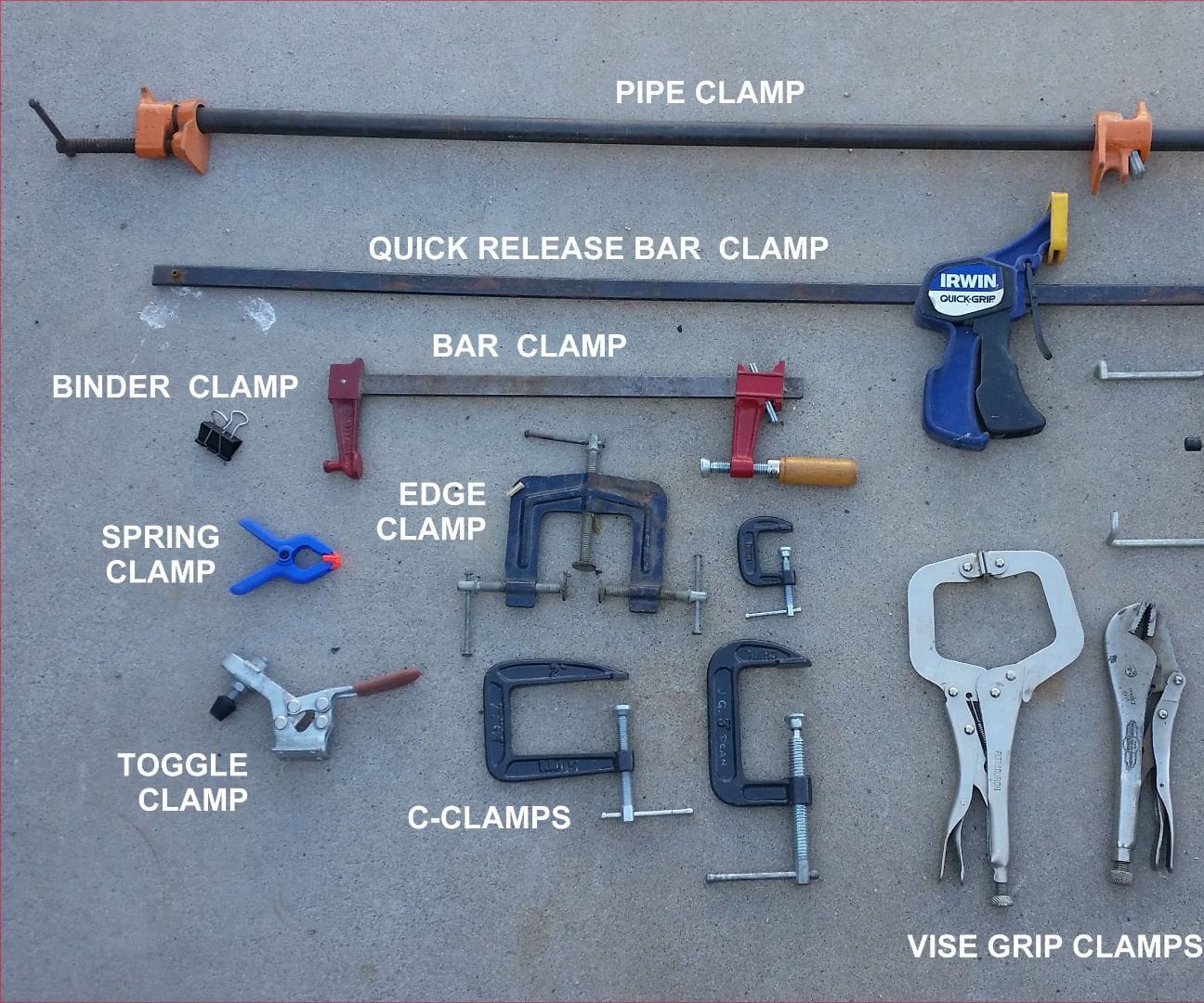
Yes. Other clamp types include parallel clamps, C-clamps, spring clamps, and corner clamps. Each has its own use, but for wide panels and general assembly, pipe and bar clamps are the most versatile.
How Many Clamps Do I Need For Woodworking Projects?
It depends on your projects, but a good starting set is four pipe clamps and four bar clamps. For large glue-ups, more clamps may be needed. It’s true in woodworking: you can almost never have too many clamps.
In the end, both pipe clamps and bar clamps are essential tools. Understanding their strengths and weaknesses helps you pick the right tool for the job and achieve professional results in your workshop.