
Metal Garage Shelving Vs Wood
Choosing the right shelving for your garage can make a big difference in how you organize tools, boxes, and other items. Two of the most popular options are metal garage shelving and wood shelving. At first, both may look strong and useful. But when you look deeper, you’ll see they have important differences. If you’re planning a new garage setup, or thinking about upgrading your storage, understanding these differences will help you make a smarter choice.
Many people pick shelves based on price or looks alone. But there’s more to consider—such as durability, safety, weight limits, and maintenance. In this article, you’ll learn how metal and wood garage shelving compare in the real world. By the end, you’ll know which one truly fits your needs.
What Is Metal Garage Shelving?
Metal garage shelving is made from materials such as steel or aluminum. Most metal shelves are designed for heavy loads, with strong frames and crossbars for extra support. You’ll find them in both simple boltless designs and more complex units with nuts and bolts.
Some common features:
- Powder-coated finish to prevent rust
- Adjustable shelf heights
- Open or closed backs
Metal shelving is often used in professional workshops and commercial storage because it can handle a lot of weight. But more homeowners now choose metal for its toughness and clean look.
Types Of Metal Used
- Steel: The most common material. Heavy, strong, and long-lasting.
- Aluminum: Lighter than steel, but usually can’t hold as much weight.
Common Styles
- Freestanding racks: Stand alone, can be moved easily.
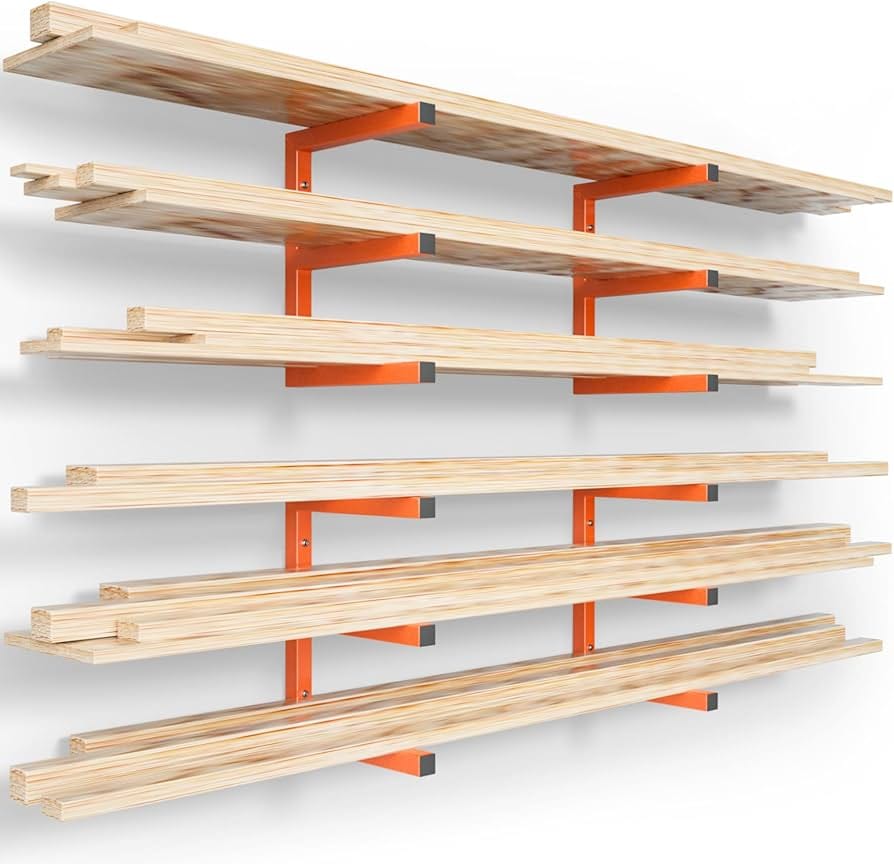
- Wall-mounted: Fixed to the wall, save floor space.
- Boltless designs: Easy to assemble with just a rubber mallet.
What Is Wood Garage Shelving?
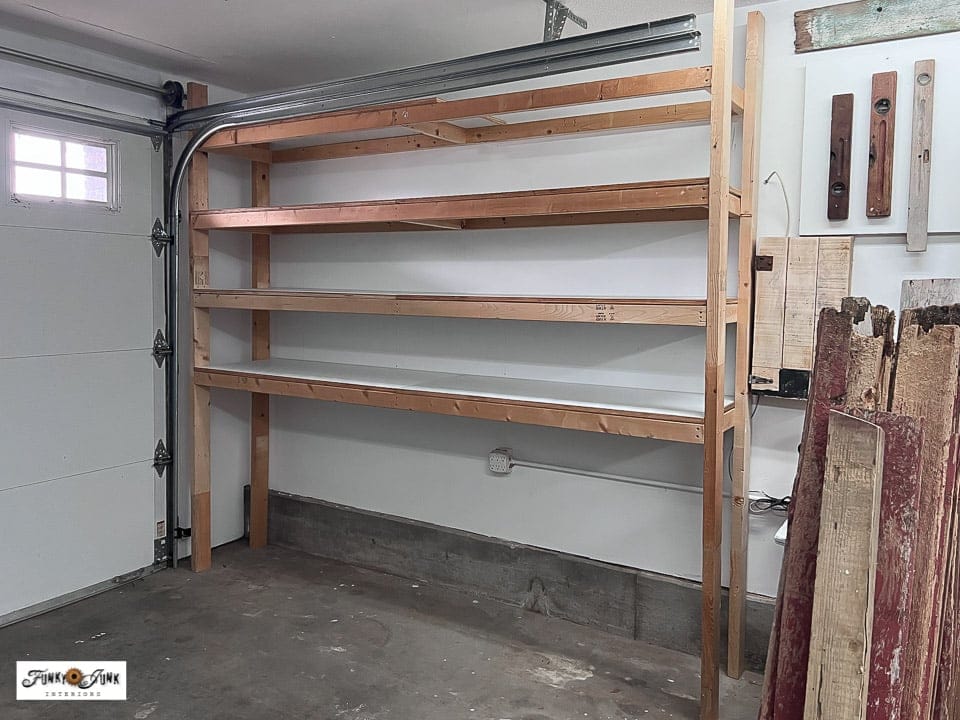
Wood shelving is usually built from plywood, particle board, or solid wood planks. Many people make their own wood shelves with simple tools and hardware. Others buy pre-made kits that can be assembled at home.
Wood shelves are popular for their warm look and ability to blend with other furniture. They can be painted, stained, or left natural.
Types Of Wood Used
- Plywood: Strong and stable, less likely to warp.
- Particle board: Cheaper, but not as strong as plywood.
- Solid wood: Highest strength, but more expensive.
Common Styles
- Custom-built: Made to fit your space exactly.
- Modular units: Come in kits, easy to assemble or expand.
- Wall-mounted: Save space, but need strong wall anchors.
Credit: www.funkyjunkinteriors.net
Head-to-head Comparison: Metal Vs Wood
To help you see the differences clearly, here is a direct comparison between metal and wood garage shelving.
| Feature | Metal Shelving | Wood Shelving |
|---|---|---|
| Weight Capacity | High (up to 800 lbs per shelf) | Medium (200-500 lbs per shelf) |
| Durability | Very high, resists dents and moisture | Can warp or rot if wet |
| Maintenance | Low, just wipe clean | May need paint or sealant |
| Appearance | Industrial, sleek | Warm, classic |
| Assembly | Usually faster, boltless options | Can be more complex |
| Customization | Limited | Highly customizable |
Strength And Weight Capacity
One of the first things to consider is how much weight your shelves need to hold. Metal shelves usually win this battle. Most standard metal racks hold between 400 to 800 lbs per shelf. Heavy-duty models can handle even more—sometimes over 1,000 lbs. This makes them perfect for tools, car parts, or heavy bins.
Wood shelving is strong, but not as much as metal. A well-built plywood shelf can safely support 200 to 500 lbs. However, using cheap particle board or poor-quality fasteners lowers the safe limit. If you overload wood shelves, they can bow or even break over time.
Non-obvious insight: The real weight limit for both types depends on how well they’re anchored to the wall or floor. Many accidents happen not because of weak shelves, but because they are not fixed securely.
Durability And Longevity
When it comes to lasting many years, metal shelves are usually more durable. They don’t absorb moisture, so they’re safe in damp garages. A powder-coated finish protects against rust, and dents are rare unless you hit them very hard.
Wood shelves can last a long time if made from quality materials and finished properly. But wood absorbs moisture from the air, which can lead to swelling, warping, or mold—especially in humid climates or if the garage floods. You can use sealants or paint, but this adds extra work and cost.
Example: In a garage with high humidity, a metal shelf will look and work like new after five years. A wood shelf may start to show sagging, mildew, or rough edges unless it’s treated often.
Cost And Value
Prices for garage shelving vary widely. Metal shelves usually cost more at first. A typical 5-shelf steel rack might cost $80 to $200, depending on size and brand. Heavy-duty models are even more expensive.
Wood shelving is often cheaper, especially if you build it yourself. The material for a basic plywood shelf unit can cost $40 to $100. But if you hire someone to build custom wood shelves, the price can rise quickly.
Non-obvious insight: The lifetime cost of metal shelving is often lower. You may pay more at the start, but you’re less likely to replace or repair metal shelves over the years.
Credit: www.amazon.com
Assembly And Installation
Metal shelving often uses boltless designs, so you only need a rubber mallet to put the pieces together. Most people can assemble a rack in less than one hour. Some wall-mounted metal shelves need more tools, but instructions are usually clear.
Wood shelving can be simple or complex, depending on the design. Pre-made wood kits are easy, but building custom shelves from scratch takes time, tools, and skill. You may need a saw, drill, level, and screws. If you’re not comfortable with DIY projects, this can be a challenge.
Mistake to avoid: Not all garages have perfectly straight walls or floors. If your floor is uneven, metal shelves with adjustable feet are easier to level than wooden ones.
Appearance And Style
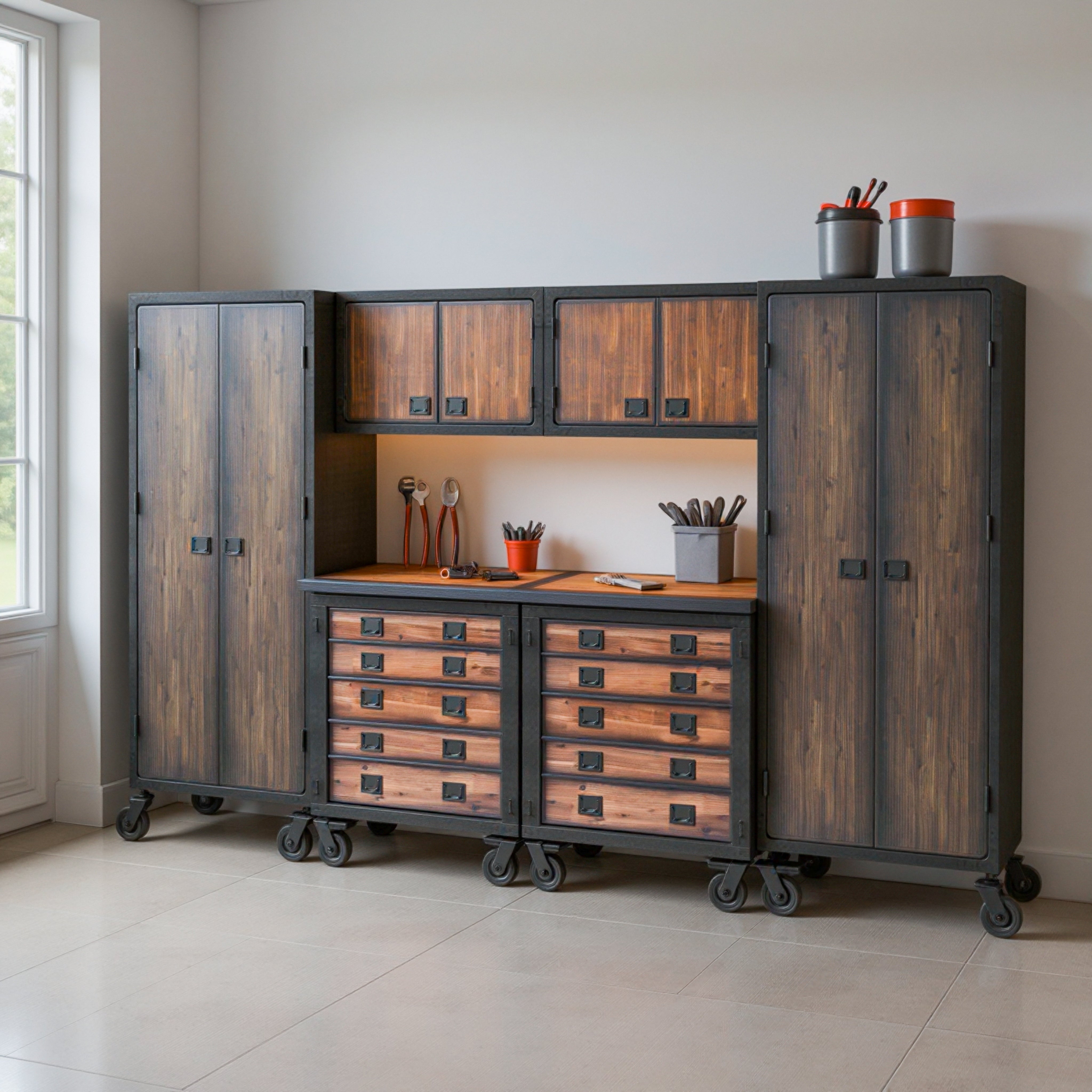
If you want your garage to look like a professional workshop, metal shelving fits the part. The industrial look is clean and modern, with shiny finishes and sharp lines.
Wood shelves offer a warmer, more classic appearance. You can paint or stain wood to match your taste. Wood can also be shaped to fit odd corners or to blend with other home furniture.
Pro tip: For garages that double as hobby spaces or home offices, wood shelves can make the area feel less “industrial” and more inviting.
Maintenance And Cleaning
Metal shelves are easy to clean. Just wipe them with a damp cloth. They don’t stain easily and don’t need repainting unless scratched deeply. Most metal shelving is resistant to oils and chemicals you may use in the garage.
Wood shelves need more care. Spilled oil or water can leave stains. You may need to refinish or repaint wood shelves every few years, especially if they get wet or scratched. Insects like termites can also be a problem in some areas.
Example: If you work on cars or use paints and chemicals, metal is less likely to be damaged by spills.
Safety And Stability
A safe shelf is one that doesn’t tip over, collapse, or injure someone. Metal shelving is usually heavier, so it’s less likely to tip when loaded. Many units have holes for wall anchors, which make them even safer.
Wood shelving can be very stable if properly braced and attached to the wall. But poorly built wood shelves, or those made with thin boards, can shake or even fall. Make sure to use thick wood and strong fasteners if you build your own.
Important: Never place heavy items on the top shelves of any garage shelving. Keep the heaviest items low to prevent tipping.
Customization And Flexibility
If you want to change shelf heights often or reconfigure your space, metal shelving is more flexible. Most metal racks let you adjust shelves in 1-inch increments. Some systems can be expanded or connected.
Wood shelves can be highly customized when you build them yourself. You can make any size or shape, add drawers, or fit them around obstacles. But once built, they are not easy to change.
Real example: A homeowner with lots of small bins may prefer metal shelving for easy adjustment. But someone storing large, odd-shaped items may want custom wood shelves that fit exactly.
Environmental Impact
Wood is a natural material, and many people choose it for environmental reasons. If you use wood from sustainable sources, it can be a green choice. However, using particle board (which contains glue and chemicals) is less eco-friendly.
Metal shelves are recyclable, but making steel or aluminum uses a lot of energy. Over time, though, the long lifespan of metal can offset the environmental cost.
Note: Old metal shelves can often be sold or recycled, while damaged particle board usually goes to landfill.
Credit: durasheds.com
Common Buyer Mistakes
- Ignoring moisture: Many people buy wood shelves without checking if their garage is damp.
- Overloading: Putting too much weight on wood shelves leads to sagging or breaking.
- Not anchoring: Freestanding shelves can tip if not anchored, especially in homes with children.
- Underestimating assembly: Building wood shelves can take more time and skill than expected.
- Choosing style over strength: Picking shelves for looks alone often leads to disappointment.
Real-world Examples
- Small home garage: A homeowner chooses metal shelves for storing paint cans, tools, and car supplies. The shelves stay stable and clean, even after several years of use.
- DIY enthusiast: Someone who loves woodworking builds custom wood shelves to fit every corner of the garage. The shelves are strong and look great but require annual maintenance to prevent moisture damage.
- Commercial workshop: A mechanic shop uses only metal shelving. The shelves hold heavy parts and resist oil spills.
When To Choose Metal Garage Shelving
- Your garage is damp or you live in a humid climate
- You need to store very heavy items
- You want easy assembly and little maintenance
- Safety and stability are your biggest concerns
When To Choose Wood Garage Shelving
- You want a warm, classic look
- You need custom sizes or shapes
- You prefer to build your own storage
- Your garage stays dry and you don’t store very heavy items
Summary Comparison Table
Here’s a quick summary to help you decide:
| Factor | Best Choice |
|---|---|
| Heavy Loads | Metal |
| Easy Assembly | Metal |
| Custom Sizes | Wood |
| Classic Look | Wood |
| Low Maintenance | Metal |
| Budget Build | Wood (DIY) |
Frequently Asked Questions
Is Metal Shelving Always Better Than Wood For A Garage?
Not always. Metal shelving is stronger and handles moisture better, but wood shelving is great for custom projects and warmer looks. The right choice depends on your needs, budget, and garage conditions.
Can I Mix Metal And Wood Shelves In The Same Garage?
Yes, you can. Many people use metal shelves for heavy items and wood shelves for lighter or decorative storage. Mixing both gives you the benefits of each material.
How Do I Protect Wood Shelves From Moisture?
Seal the wood with waterproof paint or a special wood sealer. Keep shelves off the floor and use a dehumidifier if your garage is humid. Regular checks for mold or swelling can prevent damage.
Are Metal Shelves Safe For Storing Chemicals?
Yes. Metal shelves resist most chemicals and are easy to clean. However, always check the shelf’s finish. Some strong acids or bases can damage even powder-coated metal.
Where Can I Find More Information About Garage Shelving Safety?
You can read more about garage shelving safety and best practices at the Occupational Safety and Health Administration (OSHA) website.
Choosing between metal garage shelving and wood is not just about looks or price. It’s about finding what truly fits your storage needs and your garage environment. Take time to consider weight, moisture, style, and your own DIY skills. The right shelving will make your garage safer, more organized, and a better place to work or relax.