
A bench grinder is a must-have tool for any workshop. But the real magic happens at the wheel. Choosing the right bench grinder wheel type is the difference between smooth results and frustration. Many beginners grab the first wheel they see—only to discover it’s not designed for their task. Understanding the different types, their uses, and how they compare can save you time, money, and mistakes. This guide will help you make smart choices, whether you’re sharpening tools, shaping metal, or polishing.
What Is A Bench Grinder Wheel?
A bench grinder wheel is the round, spinning part that actually does the grinding, cutting, or polishing. Wheels are made from different materials, grits, and shapes, each with a special purpose. Some are strong and rough for removing a lot of metal quickly. Others are smooth and gentle, perfect for polishing or finishing surfaces.
The type of wheel you choose affects everything—how fast you work, the quality of your finish, even the safety of your project. That’s why professionals always check wheel type before starting.
Main Types Of Bench Grinder Wheels
Bench grinder wheels are made for different jobs. Here are the main types you’ll see in tool shops and online:
1. Straight Grinding Wheels
These are the most common wheels. Straight grinding wheels have a flat surface and straight sides. They’re good for general purpose grinding—like sharpening chisels, lawnmower blades, or cutting tools. They come in many diameters and grits.
Beginners often think one straight wheel fits all, but the grit (how rough or fine it is) changes the result. Coarse grit (lower numbers like 24–46) removes metal fast but leaves a rough finish. Fine grit (higher numbers like 80–120) is slower but smoother.
2. Cylinder Wheels
Cylinder wheels are thicker than straight wheels and don’t have a center indentation. They’re designed for heavy-duty grinding, mostly in industrial workshops. These wheels don’t fit most small bench grinders. They’re for big jobs like grinding large metal surfaces flat or removing welds.
3. Tapered Wheels
A tapered wheel is narrow at the edges and thicker in the middle. This unique shape helps with grinding threads, gear teeth, and other parts where you need to reach into tight spaces. They’re not for general grinding but are excellent for machinists and repair shops.
4. Saucer Wheels
The saucer wheel looks like a shallow bowl. It’s mostly used for sharpening saw blades and other tools that need a precise edge. The shape allows you to grind at an angle without hitting the tool’s body. This type is a favorite in woodworking and tool repair.
5. Dish Wheels
Dish wheels are similar to saucer wheels but deeper and have a flat face. They’re used for grinding in tool-and-die work, especially when you need to create flat surfaces or work on tricky angles.
6. Diamond Wheels
A diamond wheel is coated with tiny diamonds, which are the hardest material on earth. These wheels cut through very hard materials—like carbide, glass, or ceramics. They last a long time and stay sharp, but they’re expensive. Use them for special jobs where regular wheels fail.
7. Wire Wheels
Instead of abrasive grit, a wire wheel is made with steel or brass wires. It’s used for cleaning, deburring, or removing rust and paint. The wires brush the surface instead of grinding it away, which is good for delicate work.
8. Cut-off Wheels
Cut-off wheels are thin and strong. Their job is to slice through metal, bolts, or rods quickly. They wear down as you use them, so they need replacing more often. Always use proper safety gear—these wheels can shatter if used incorrectly.
9. Silicon Carbide Wheels
Silicon carbide wheels are harder and sharper than aluminum oxide wheels. They’re great for grinding non-ferrous metals (like aluminum or brass), stone, and even glass. However, they wear out faster on harder metals.
10. Aluminum Oxide Wheels
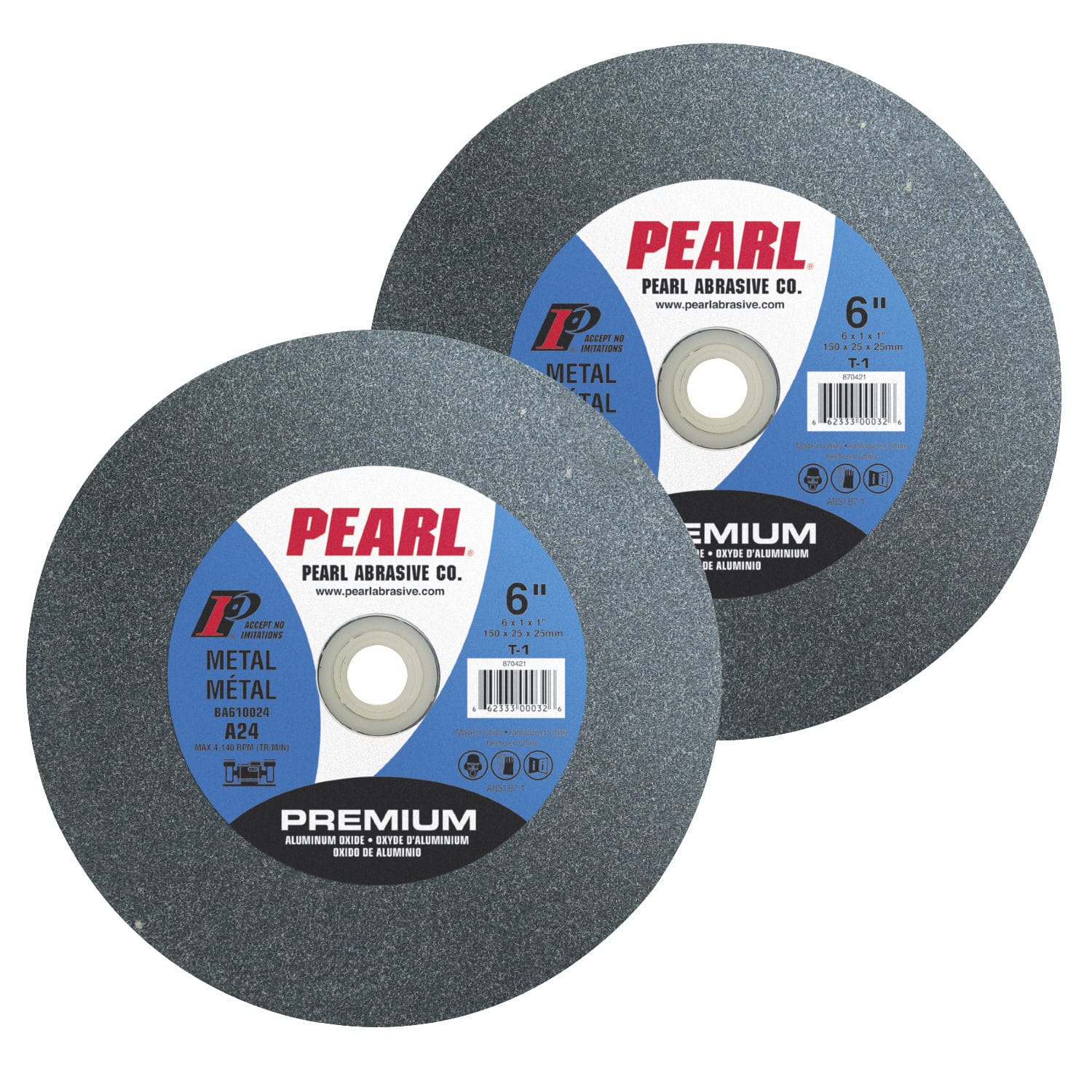
This is the most popular material for bench grinder wheels. Aluminum oxide wheels are tough and durable, great for steel and iron. They come in different grits and work well for sharpening, shaping, and deburring.
11. Cbn (cubic Boron Nitride) Wheels
CBN wheels are made for high-speed steel tools. They’re almost as hard as diamond but less likely to shatter. Woodturners love them because they keep their shape and don’t overheat the tool.
12. Rubber Bonded Wheels
Rubber bonded wheels use rubber instead of ceramic or resin to hold the abrasive. This makes them flexible and quiet. They’re used for fine finishing, polishing, and removing small burrs without damaging the workpiece.
13. Mounted Points
Mounted points are small wheels attached to a shaft. They’re used in hand-held grinders for detailed work—like cleaning up welds or getting into tight corners. They come in many shapes and materials.
14. Flaring Cup Wheels
A flaring cup wheel looks like a cup with flared sides. It’s used for grinding large, flat surfaces and sometimes for sharpening tools. The shape offers more surface area, so you can cover more ground quickly.
15. Segment Wheels
Segment wheels are made of several smaller segments attached to a central hub. This design helps cool the wheel and makes it more stable for heavy-duty jobs, like grinding concrete or stone.
Comparing Popular Wheel Types
To help you choose, here’s a comparison of the most common bench grinder wheels:
| Type | Best For | Material | Cost |
|---|---|---|---|
| Straight Wheel | General grinding, sharpening | Aluminum oxide, silicon carbide | Low |
| Wire Wheel | Cleaning, rust removal | Steel, brass | Low |
| Diamond Wheel | Carbide, glass, ceramics | Diamond grit | High |
| CBN Wheel | High-speed steel tools | CBN | High |
| Silicon Carbide Wheel | Non-ferrous metals, stone | Silicon carbide | Medium |
Wheel Grit And Hardness
Choosing the right grit size and hardness is just as important as the wheel type.
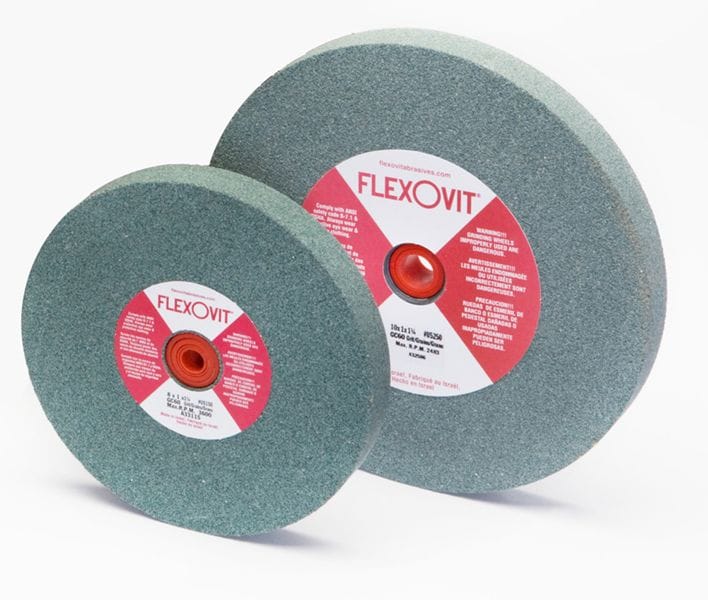
- Grit size: Lower numbers (24–46) are coarse, removing material fast. Higher numbers (80–120+) are fine, for finishing and polishing.
- Hardness: Hard wheels last longer but can overheat your workpiece. Soft wheels cut cooler but wear out faster.
Here’s a quick guide:
| Grit Number | Use Case | Finish Quality |
|---|---|---|
| 24–36 | Heavy material removal | Rough |
| 46–60 | General grinding | Medium |
| 80–120 | Sharpening, finishing | Smooth |
Credit: catalog.flexovitabrasives.com
How To Choose The Right Wheel Type
Picking the perfect bench grinder wheel isn’t just about the label. Consider these points:
- Material you’re grinding: Steel needs aluminum oxide. Carbide needs diamond or CBN. Non-ferrous metals need silicon carbide.
- Job type: Are you sharpening, cleaning, or cutting? Each job has a wheel type.
- Wheel size: Match the diameter and thickness to your grinder.
- Speed rating: Never use a wheel rated for slower speed than your grinder’s RPM.
- Budget: Higher quality wheels cost more but last longer and give better results.
Non-obvious tip: For sharpening tools, use a fine grit and a soft wheel to prevent overheating the edge. Beginners often use hard, coarse wheels and ruin their blades.
Common Mistakes When Choosing Grinder Wheels
- Using the wrong wheel for the material. This can cause poor results or damage the wheel.
- Ignoring wheel speed ratings. A wheel spinning too fast can shatter.
- Not balancing the wheel. Unbalanced wheels cause vibration, which leads to bad finishes and can even damage your grinder.
- Overlooking maintenance. Wheels need regular dressing (cleaning and reshaping) to stay sharp and safe.
- Assuming all wheels fit all grinders. Check arbor size and wheel thickness before buying.
Another insight: Many users forget that wire wheels are for cleaning only. Trying to grind with them wears them out quickly and doesn’t remove metal efficiently.
:max_bytes(150000):strip_icc()/102728520-63bcbc3175c74e2fbeb903d3ac4e1305.jpg)
Credit: www.woodmagazine.com
Practical Examples: Which Wheel For Which Job?
- Sharpening a chisel: Use a straight aluminum oxide wheel, medium grit (60–80).
- Polishing a chrome part: Use a rubber bonded wheel or a dedicated polishing wheel.
- Removing rust from a tool: Use a wire wheel.
- Cutting a bolt: Use a cut-off wheel. Always wear safety glasses.
- Shaping a carbide lathe tool: Use a diamond or CBN wheel.
Bench Grinder Wheel Maintenance
Even the best wheel needs care. Here’s how to keep your wheels in top shape:
- Dress the wheel: Use a diamond dresser or dressing stick to clean and flatten the wheel surface. Do this often.
- Check for cracks: Tap the wheel gently before mounting. A ringing sound means it’s safe; a dull thud means it’s cracked.
- Tighten correctly: Don’t overtighten the mounting nut. Too much force can crack the wheel.
Safety Tips For Using Grinder Wheels
Bench grinders can be dangerous if you don’t follow basic safety:
- Always wear safety glasses and hearing protection.
- Never use a wheel with visible cracks or chips.
- Use the correct wheel guard and tool rest.
- Let the wheel reach full speed before starting work.
- Never grind on the side of a straight wheel (unless it’s designed for that).
For more on grinder safety, see this OSHA Grinder Safety Guide.
Frequently Asked Questions
What Is The Difference Between A Straight Wheel And A Dish Wheel?
A straight wheel has flat sides and is used for general grinding and sharpening. A dish wheel is deeper and has a flat face, making it better for tool-and-die work where you need to grind flat surfaces or tricky angles.
Can I Use The Same Wheel For Steel And Aluminum?
No. Aluminum oxide wheels are great for steel, but they clog quickly on aluminum. For aluminum and other soft metals, use a silicon carbide wheel.
How Often Should I Replace My Bench Grinder Wheel?
Replace the wheel if it’s cracked, uneven, or worn down to less than 1/2 its original diameter. Frequent dressing can extend a wheel’s life, but all wheels wear out eventually.
Are Diamond Wheels Worth The Cost?
Diamond wheels are expensive but last much longer and cut much harder materials. They’re a good investment if you work with carbide, glass, or ceramics often.
Is A Wire Wheel Dangerous To Use?
Wire wheels are safe if used properly. Always wear safety glasses and gloves. Replace the wheel if wires are missing or bent. Never use a wire wheel for heavy grinding.
A bench grinder is only as good as the wheel you put on it. With the right knowledge, you’ll choose the perfect wheel for every job—saving time, tools, and headaches. Now, your workshop can tackle any task, from sharpening to polishing, with confidence.
Credit: www.pearlabrasive.com
