
A nail gun is one of the most important tools for any builder, woodworker, or DIY enthusiast. It helps you work faster, gives consistent results, and saves your hands from hours of hammering. But when you start shopping for a nail gun, you quickly face a big question: Coil nailer or strip nailer? Both tools shoot nails with power and speed, but they are designed for different tasks, materials, and work styles. Picking the right one can make your next project easier and more efficient.
In this guide, you’ll learn what makes coil nailers and strip nailers unique. We’ll compare their strengths and weaknesses, share real-world examples, and help you choose the best tool for your needs. Whether you’re a contractor working on a roof, a cabinet maker, or just building a backyard fence, understanding the differences will help you avoid costly mistakes and improve your results. If your decision is specifically for roofing work, see our roofing coil nailer vs strip nailer comparison; this page covers the broader coil-vs-strip choice across applications.
What Is A Coil Nailer?
A coil nailer is a type of nail gun that uses a round canister, or “coil,” to hold its nails. The nails are joined together with thin wires and wrapped in a circular magazine. This design lets you carry and shoot hundreds of nails before reloading. Coil nailers are common in heavy-duty work, such as framing, roofing, siding, and pallet making.
Coil nailers are known for:
- High nail capacity (200–350 nails per coil)
- Compact magazine size
- Ability to fit into tight corners
Many pros choose coil nailers for jobs that need a lot of nails fast, without frequent stops to reload.
What Is A Strip Nailer?
A strip nailer uses a straight magazine to hold its nails. The nails are attached together in a “strip” with either paper, plastic, or wire. This magazine is long and straight, often sticking out from the bottom of the tool. Strip nailers come in many types—framing, finish, brad, and more—and are used for everything from building walls to installing trim.
Strip nailers are known for:
- Lighter weight
- Balanced handling
- Easier to reload quickly
They are a favorite for finish work, framing, and other jobs where tool weight and precision matter.
Key Differences: Coil Nailer Vs Strip Nailer
To really understand which tool fits your needs, it helps to compare their features side by side.
| Feature | Coil Nailer | Strip Nailer |
|---|---|---|
| Nail Capacity | 200–350 nails | 20–40 nails (framing) 100–120 nails (finish) |
| Magazine Shape | Round, compact | Straight, long |
| Weight | Heavier (due to more nails) | Lighter (with less nails) |
| Best For | Roofing, siding, fencing, pallets | Framing, finish, trim, cabinetry |
| Cost | Usually higher | Usually lower |
Magazine And Nail Loading
Coil nailers use a round magazine. You open the canister, place the coiled nails inside, and feed the strip into the chamber. Loading can take a bit longer, but you reload less often.
Strip nailers load by sliding a straight strip of nails into the magazine. This process is quick and simple, but you’ll need to reload more frequently—especially during big jobs.
Non-obvious insight: Coil nailers can be awkward to load at first, but their higher capacity saves time on large projects. Strip nailers are easier for beginners but can slow you down if you need to reload often.
Size And Handling
Because coil nailers store nails in a round canister, the tool is more compact, even with a large number of nails. This makes them easier to fit into corners, under eaves, or between studs.
Strip nailers are longer and sometimes feel unbalanced, especially when fully loaded. However, their lower weight makes them easier to use for precision work.
Non-obvious insight: When working overhead or in awkward spaces (like roofing edges), the compact shape of a coil nailer really shines. But for long hours of use, the lighter strip nailer puts less strain on your wrist.
Pros And Cons Of Coil Nailers
Advantages
- High Capacity: Fewer reloads mean faster workflow.
- Compact Design: Fits into tight or odd spaces.
- Great for Heavy Duty Jobs: Ideal for roofing, siding, and pallet assembly.
- Reduces Downtime: Less stopping means more work done in less time.
Disadvantages
- Heavier: Can cause fatigue during long use.
- More Expensive: Both the tool and coil nails usually cost more.
- Slightly Tricky to Load: Takes practice to master coil loading.
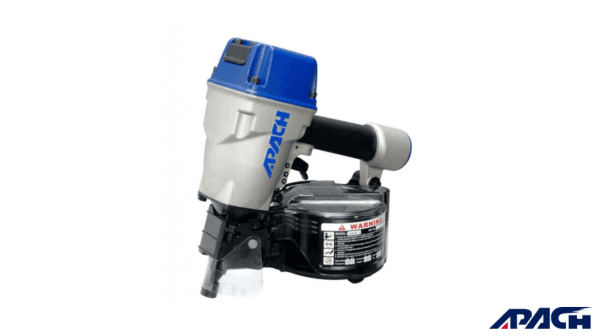
Credit: www.apach-tools.com
Pros And Cons Of Strip Nailers
Advantages
- Lightweight: Easier to handle for extended periods.
- Balanced Feel: Good for precise work and finish carpentry.
- Quick to Reload: Less hassle for short projects.
- Lower Cost: Both the gun and nails are often cheaper.
Disadvantages
- Low Capacity: Frequent reloads on big jobs.
- Longer Magazine: Harder to use in cramped spaces.
- Not Ideal for Heavy Duty: Can be less durable for tough tasks.
Common Uses: Which Nailer For Which Job?
| Application | Coil Nailer | Strip Nailer |
|---|---|---|
| Roofing | Best choice | Rarely used |
| Siding | Preferred | Sometimes used |
| Pallets & Crates | Industry standard | Rarely used |
| Wall Framing | Works, but bulky | Preferred |
| Finish Carpentry | Not common | Best choice |
| Fencing | Excellent | Works, but slower |
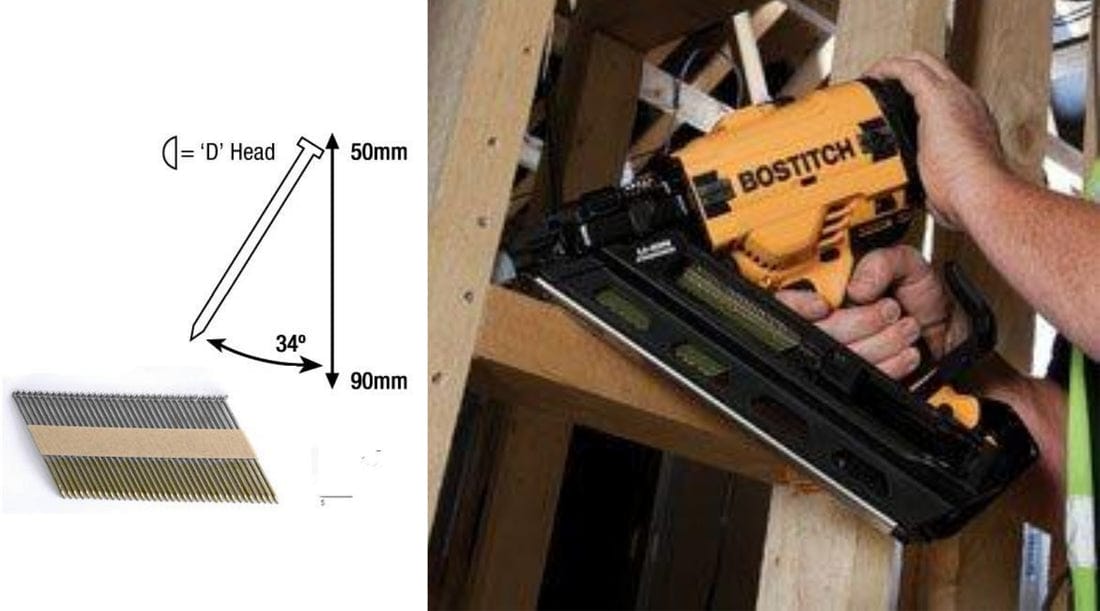
Credit: mytoolkit.co.uk
Cost Comparison
The price difference between coil and strip nailers can be significant. Coil nailers are usually more expensive, both for the tool and the nails. This is due to their higher capacity and tougher build.
Example Prices (as Of 2024)
- Coil framing nailer: $220–$350
- Strip framing nailer: $150–$250
- Coil nails (per box): $40–$60
- Strip nails (per box): $25–$45
If you’re a contractor doing a lot of siding or roofing, the higher price for a coil nailer pays for itself in saved time. But for home DIY or light remodeling, a strip nailer is more cost-effective.
Durability And Maintenance
Both tools can last for years if properly cared for. However, coil nailers tend to be built tougher because they’re used in heavy-duty environments. Their moving parts and magazine need regular cleaning, especially if you work in dusty or dirty conditions.
Strip nailers are simpler, with fewer moving parts. They’re easier for beginners to maintain. But their plastic or paper-collated nails can jam if moisture gets into the magazine.
Tip: Always keep your nailer clean and lightly oiled. Use only the recommended nail type for your tool, as the wrong nails can cause jams or damage.
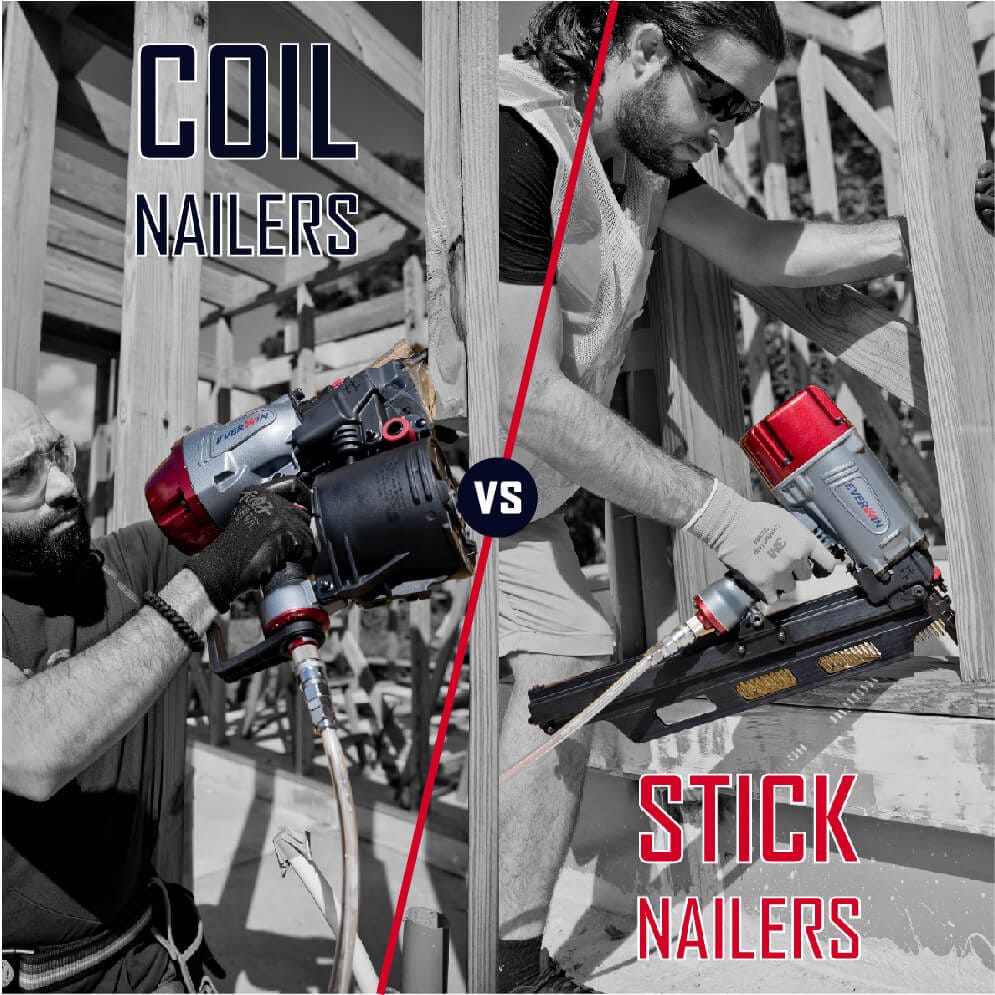
Credit: www.everwinpneumatic.com
Choosing The Right Nailer For Your Project
Ask yourself these questions before you buy:
- How big is my project?
- Large, repetitive jobs (like roofing or fencing) are easier with a coil nailer.
- Small or detailed projects (like trim or cabinetry) suit a strip nailer.
- Will I work in tight spaces?
- If yes, a coil nailer’s compact body is a plus.
- Do I need to carry the tool for hours?
- A strip nailer’s lighter weight makes it less tiring.
- What’s my budget?
- Strip nailers are usually less expensive.
- What nails are available locally?
- Some regions stock more coil nails, others more strips.
Pro advice: If you’re building a deck, shed, or fence, and want to finish quickly, a coil nailer is worth the investment. For remodeling, finish carpentry, or occasional home projects, a strip nailer is usually the smarter choice.
Real-world Examples
- Roofers prefer coil nailers because they can fire hundreds of nails before reloading, saving time and reducing risk of accidents on the roof.
- Framers often use strip nailers, especially for wall studs, as the tool is lighter and reloads are less of an issue in open spaces.
- Furniture makers use strip nailers for assembling frames and attaching panels, where precision and tool balance are more important than capacity.
Safety And User Comfort
Both tools are powerful and can cause injury if misused. Always wear safety glasses and follow the manufacturer’s instructions.
Coil nailers can be heavy when fully loaded, so take breaks to avoid wrist and shoulder fatigue.
Strip nailers are easier for beginners due to their lighter weight and simple loading process.
Pro tip: If you’re new to nail guns, start with a strip nailer on a small project to build confidence. Move up to a coil nailer when you’re ready for bigger jobs.
Environmental And Efficiency Factors
Coil nailers produce less packaging waste per nail, as a single coil holds many nails. This is a small but real advantage on large job sites. Strip nailers, especially those using plastic collated strips, can leave more debris to clean up.
For efficiency, coil nailers excel in continuous, high-volume work. Strip nailers win for quick jobs and tasks that need careful placement.
Which Should You Buy? Final Thoughts
There is no one-size-fits-all answer. Here’s a quick summary:
- Choose a coil nailer if: You do a lot of roofing, siding, fencing, or pallet work and want speed and fewer reloads.
- Choose a strip nailer if: You do framing, finish work, remodeling, or DIY projects where weight and balance matter most.
Both tools have their place in a pro’s toolbox. If your budget allows, owning both covers almost any nailing job you’ll face.
For more in-depth info about nail gun types and safe use, check out the Nail gun Wikipedia page.
Frequently Asked Questions
What Is The Main Difference Between A Coil Nailer And A Strip Nailer?
The biggest difference is how they hold nails. Coil nailers use a round magazine that holds 200–350 nails in a coil, making them great for big jobs. Strip nailers use a straight magazine holding up to 40 framing nails, better for smaller, lighter tasks.
Which Type Is Better For Roofing Or Siding?
Coil nailers are usually best for roofing and siding because they hold more nails and fit into tight spaces. You reload less often, which is important when working on a roof or ladder.
Are Coil Nailers Heavier Than Strip Nailers?
Yes, coil nailers are usually heavier, especially when fully loaded. The extra weight comes from the large number of nails they hold. Strip nailers are lighter and easier to handle for long periods.
Can I Use The Same Nails In Both Tools?
No, each tool needs specific nails. Coil nailers use wire-collated coil nails, and strip nailers use paper, plastic, or wire-collated strip nails. Always check the tool’s manual before buying nails.
Which Nailer Is Better For Beginners?
Most beginners find strip nailers easier to use. They are lighter, simpler to load, and less tiring for small projects. Coil nailers are better for advanced users or those doing heavy, repetitive work.