
If you plan to tackle roofing or framing work, choosing between a roofing coil nailer and a strip nailer is a crucial decision. Each type has its own strengths, weaknesses, and best use cases. For beginners, the differences can be confusing, and using the wrong tool can lead to wasted time, poor results, or even safety issues. This article breaks down everything you need to know, from how they work, to which jobs suit each one best, and what features matter most. By the end, you’ll know exactly which nailer fits your needs—and avoid some common mistakes that even experienced DIYers make.
What Is A Roofing Coil Nailer?
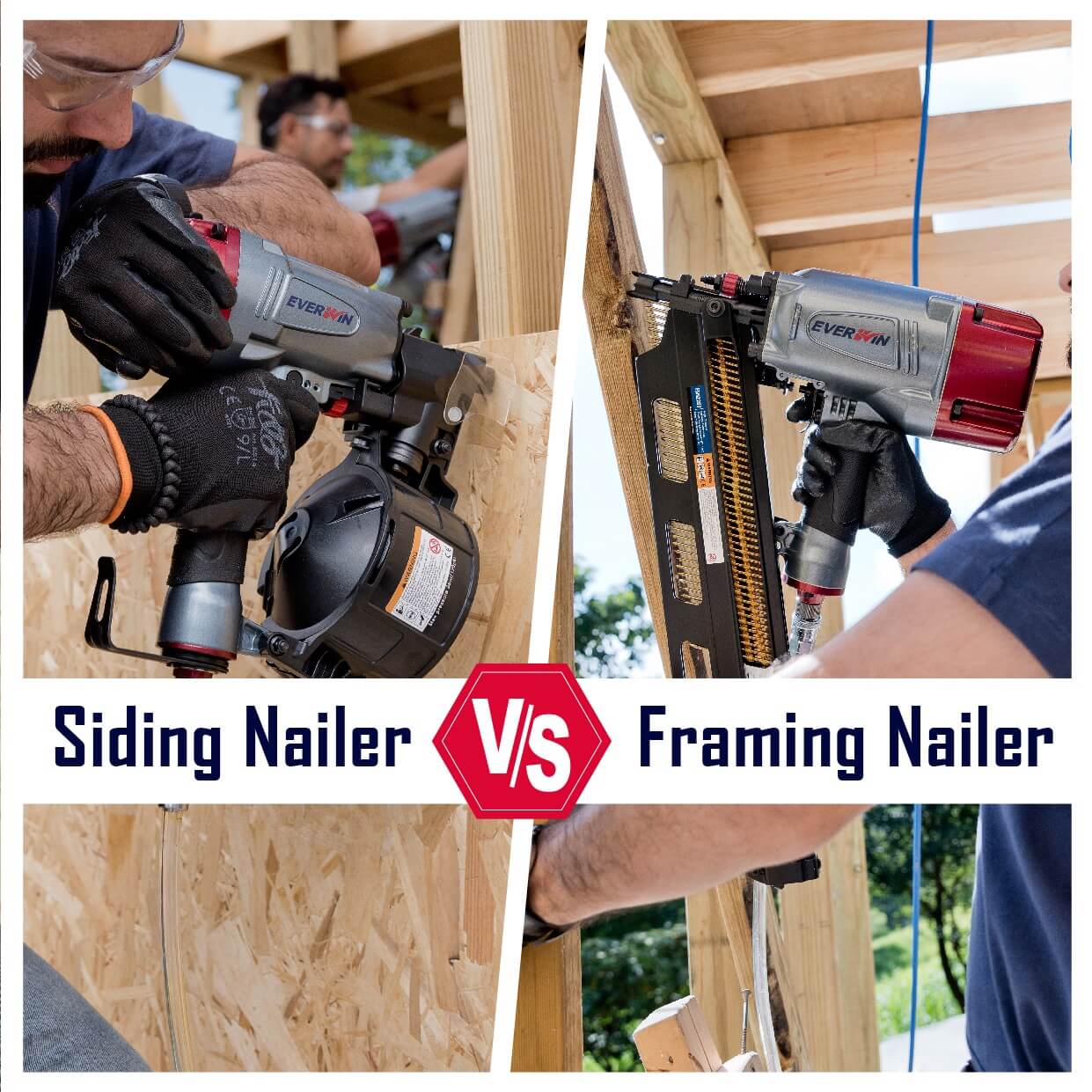
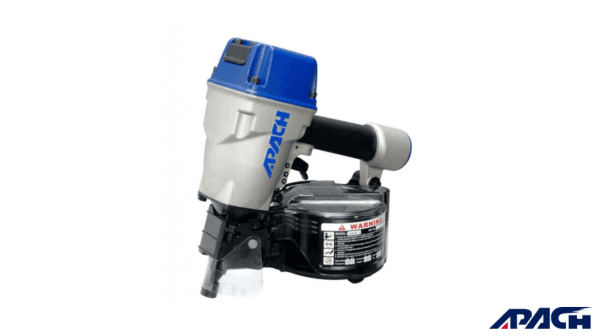
A roofing coil nailer is a power tool designed specifically for roofing jobs. It uses a coil of nails, which feed into the tool in a spiral shape. This design allows the tool to hold many nails at once—often 100 or more—so you spend less time reloading and more time working. Roofing coil nailers are built for speed and efficiency, especially for nailing down shingles, underlayment, and sometimes even siding.
Because roofing jobs require a lot of nails in a short time, coil nailers are made to be lightweight, easy to maneuver, and durable. Most models have adjustable depth settings and features to help prevent jams. The coil magazine is also designed to work at awkward angles, which is common on a roof.
Key Features
- High capacity: Often holds 100–120 nails per coil.
- Compact shape: Easier to use in tight spaces and on steep roofs.
- Quick reloading: Swapping out a new coil is fast, keeping you productive.
When To Use
- Installing asphalt shingles
- Attaching roofing felt
- Nailing insulation boards
- Some siding applications
What Is A Strip Nailer?
A strip nailer works with nails arranged in a straight strip. These strips are usually plastic, paper, or wire-collated. Strip nailers are common for framing, sheathing, subfloor, and sometimes finish carpentry. Unlike coil nailers, strip nailers typically hold fewer nails—between 20 and 40 per strip—so you’ll need to reload more often.
Strip nailers come in different types: framing nailers, finish nailers, and brad nailers. The most common comparison with roofing coil nailers is the framing strip nailer, as both can sometimes overlap in certain construction tasks.
Key Features
- Straight magazine: Makes the tool longer and sometimes heavier.
- Variety of nail sizes: Can shoot larger nails for heavy-duty framing.
- Precise placement: Often easier for detailed work or where accuracy is critical.
When To Use
- Building walls and roofs (framing)
- Sheathing and decking
- Subfloor installation
- Larger siding projects
Credit: www.everwinpneumatic.com
How Roofing Coil Nailer And Strip Nailer Differ
Understanding the practical differences helps you pick the right tool for the job. Here’s a direct look at the main contrasts:
| Feature | Roofing Coil Nailer | Strip Nailer |
|---|---|---|
| Magazine Type | Round coil | Straight strip |
| Nail Capacity | 100–120 nails | 20–40 nails |
| Best For | Roofing (shingles, felt) | Framing, sheathing |
| Weight | Lighter, compact | Heavier, longer |
| Nail Size | Short (usually 7/8″–1-3/4″) | Long (up to 3-1/2″) |
Pros And Cons Of Roofing Coil Nailer
Advantages
- High capacity means fewer reloads, perfect for large roofing areas.
- Compact design is easier to use on steep or cluttered surfaces.
- Specialized for shingles—most have settings that prevent over-driving nails, which can damage shingles.
- Fast operation helps complete roofing jobs quickly.
Disadvantages
- Limited nail size—not suitable for heavy-duty framing.
- Specialized use—less versatile for other carpentry tasks.
- Coil nails can be more expensive or harder to find in some areas.
Non-obvious insight: Many beginners don’t realize that coil nailers are balanced for one-handed use on sloped surfaces. This reduces fatigue and increases safety, especially when moving around on a roof.
Pros And Cons Of Strip Nailer
Advantages
- Versatile—can be used for framing, decking, and sometimes siding.
- Powerful—can drive longer and thicker nails for heavy materials.
- Wide availability of nails—strip nails are easy to find in most hardware stores.
- Better accuracy for specific placement, especially with finish or brad nailers.
Disadvantages
- Lower capacity—need to reload more often.
- Heavier and bulkier—may be harder to handle in tight or awkward spots.
- Not ideal for roofing—can damage shingles or not drive roofing nails correctly.
Non-obvious insight: Using a strip nailer on roofing can void the warranty on some shingle brands. Always check manufacturer instructions to avoid costly mistakes.
Which Nailer Is Better For Roofing?
For almost every roofing project, especially asphalt shingles, a roofing coil nailer is the clear winner. It is designed for:
- Proper shingle nailing pattern
- Fast, repetitive work
- Preventing damage to materials
A strip nailer, even a framing model, does not match the speed or safety features needed for roofing. In fact, most building codes and shingle warranties require the use of a coil roofing nailer for installation.
Can You Use A Strip Nailer For Roofing?
While some try to use a strip nailer for roofing (usually to save on buying a new tool), this is rarely a good idea. Most strip nailers cannot use the short, wide-head roofing nails required for shingles. This can cause:
- Shingles to blow off in high winds
- Over-driven or under-driven nails
- Possible leaks
It’s always better to use the tool that matches the job, especially for something as important as your roof.
When Is A Strip Nailer The Right Choice?
Strip nailers are best for structural work. If you are framing walls, building a deck, or attaching sheathing, a strip nailer is more suitable. They deliver stronger holding power for thick lumber and can drive longer nails deep into wood. For any task where strength and depth matter more than speed, go with a strip nailer.
Credit: www.jm.com
Cost Comparison
Price is a big factor when choosing between these tools. Here’s how they typically compare:
| Tool Type | Average Price (USD) | Typical Nail Price (per 1000) |
|---|---|---|
| Roofing Coil Nailer | $150–$350 | $15–$25 |
| Strip Nailer | $120–$350 | $10–$20 |
Practical tip: If you only need a roofing nailer for a one-time job, consider renting from a local tool shop instead of buying. This saves money and storage space.
Choosing The Right Tool For Your Project
When deciding between a roofing coil nailer and a strip nailer, ask yourself:
- What materials are you fastening? If it’s shingles, a roofing coil nailer is essential. For wood framing, choose a strip nailer.
- How large is the job? For big roofing areas, the high-capacity coil nailer saves time.
- Is tool weight a concern? If you’ll be working overhead or on a ladder, a lighter, compact coil nailer is safer.
- Do you need versatility? A strip nailer can handle more types of jobs overall.
Expert advice: Never compromise on tool safety. Using the wrong nailer can create weak spots, leading to costly repairs in the future.
Common Mistakes To Avoid
Even professionals sometimes make costly mistakes with nailers. Here’s what to watch for:
- Using the wrong nails: Roofing nailers need short, wide-head nails. Framing nailers take longer, thinner nails. Using the wrong type can fail building codes.
- Ignoring depth settings: Both types have adjustable depth. Always test on scrap material before starting the real job.
- Skipping maintenance: Nailers need cleaning and oiling to prevent jams and ensure even nailing.
- Not checking air pressure: If using a pneumatic model, set your compressor to the right PSI for the tool.
- Over-driving nails: Especially with soft roofing materials, this can tear or weaken shingles.
Safety Considerations
Nailers can be dangerous if used incorrectly. Key safety points:
- Always wear safety glasses to protect your eyes from flying debris.
- Never bypass the tool’s trigger safety feature.
- Keep your hands clear of the nailing area.
- Disconnect the tool from the air supply or battery before reloading or clearing jams.
- Store nailers out of reach of children.
Data point: According to the CDC, nail guns cause about 37,000 emergency room visits per year in the U.S. Most injuries happen to hands and fingers. Proper training and safety gear can prevent most accidents.
Credit: www.apach-tools.com
Maintenance And Longevity
Both coil and strip nailers can last for years with proper care. Basic steps include:
- Clean out dust and debris after each use.
- Lubricate moving parts as recommended by the manufacturer.
- Store in a dry place to avoid rust.
- Replace worn parts, such as O-rings or triggers, before they break.
A well-maintained nailer will perform better and be safer.
Environmental Impact
Most nailers are pneumatic (air-powered), but battery and fuel cell models are becoming more common. Battery nailers are quieter and produce no fumes, making them better for indoor or urban use. Pneumatic nailers, however, are lighter and can work all day with a good compressor.
Pro tip: If noise or air quality is a concern, look for a battery-powered roofing coil nailer or strip nailer.
Real-world Example
A roofing contractor working on a 2,000 square-foot home will use about 7,000–8,000 nails for shingles alone. With a coil nailer, this means about 70–80 reloads. A strip nailer would require over 200 reloads, wasting valuable time and increasing the risk of mistakes.
Where To Learn More
For building codes, safety tips, and tool reviews, check resources like the OSHA Personal Protective Equipment page. This will help you stay compliant and safe on any project.
Frequently Asked Questions
What Is The Main Difference Between A Roofing Coil Nailer And A Strip Nailer?
The main difference is the magazine type and intended use. Roofing coil nailers use a round coil of nails for high-capacity, fast shingle work. Strip nailers use straight strips for framing and structural tasks.
Can I Use A Strip Nailer For Roofing Shingles?
No. Most strip nailers cannot use the short, wide-head nails required for shingles and may damage materials. Use a roofing coil nailer for best results.
Which Nailer Is Safer For Beginners?
A roofing coil nailer is generally safer for shingle work because it is lighter, easier to control, and has safety features to prevent over-driving nails.
How Do I Know Which Nails To Buy For My Nailer?
Check your tool’s manual for recommended nail types, lengths, and brands. Roofing nailers need coil roofing nails, while strip nailers need collated framing nails.
Is It Better To Rent Or Buy A Roofing Coil Nailer?
If you only need it for one project, renting is cost-effective. For multiple jobs, buying makes more sense.
Choosing between a roofing coil nailer and a strip nailer doesn’t have to be hard. Focus on the job’s needs and the tool’s strengths. With the right tool, your project will be faster, safer, and built to last.
