
When choosing the right saw for woodworking or home improvement, the decision between a compound miter saw and a sliding miter saw can feel overwhelming. Both tools look similar but offer different strengths. Picking the wrong one can slow down your work or even prevent you from finishing certain projects. If you’re a beginner or simply want to upgrade your equipment, understanding these two saws will save you money, time, and frustration.
This guide will break down the real-world differences, advantages, and limitations of each saw. You’ll discover which saw matches your needs, learn about costs and safety, and find answers to common questions people have before making this important purchase.
What Is A Compound Miter Saw?
A compound miter saw is a power tool designed for making angled cuts. It can rotate left and right for miter cuts (angled across the board’s width) and tilt in one direction for bevel cuts (angled through the board’s thickness). This ability is why it’s called “compound”—it can do both miter and bevel cuts, even at the same time (compound cut).
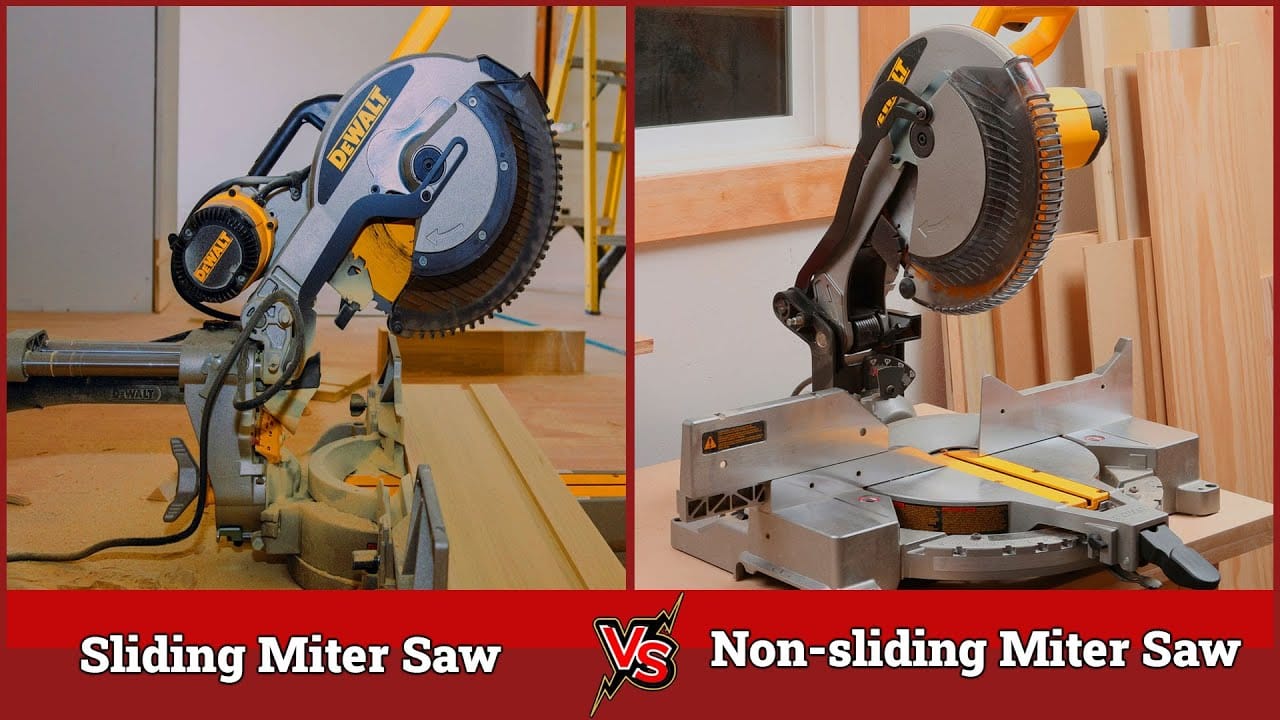
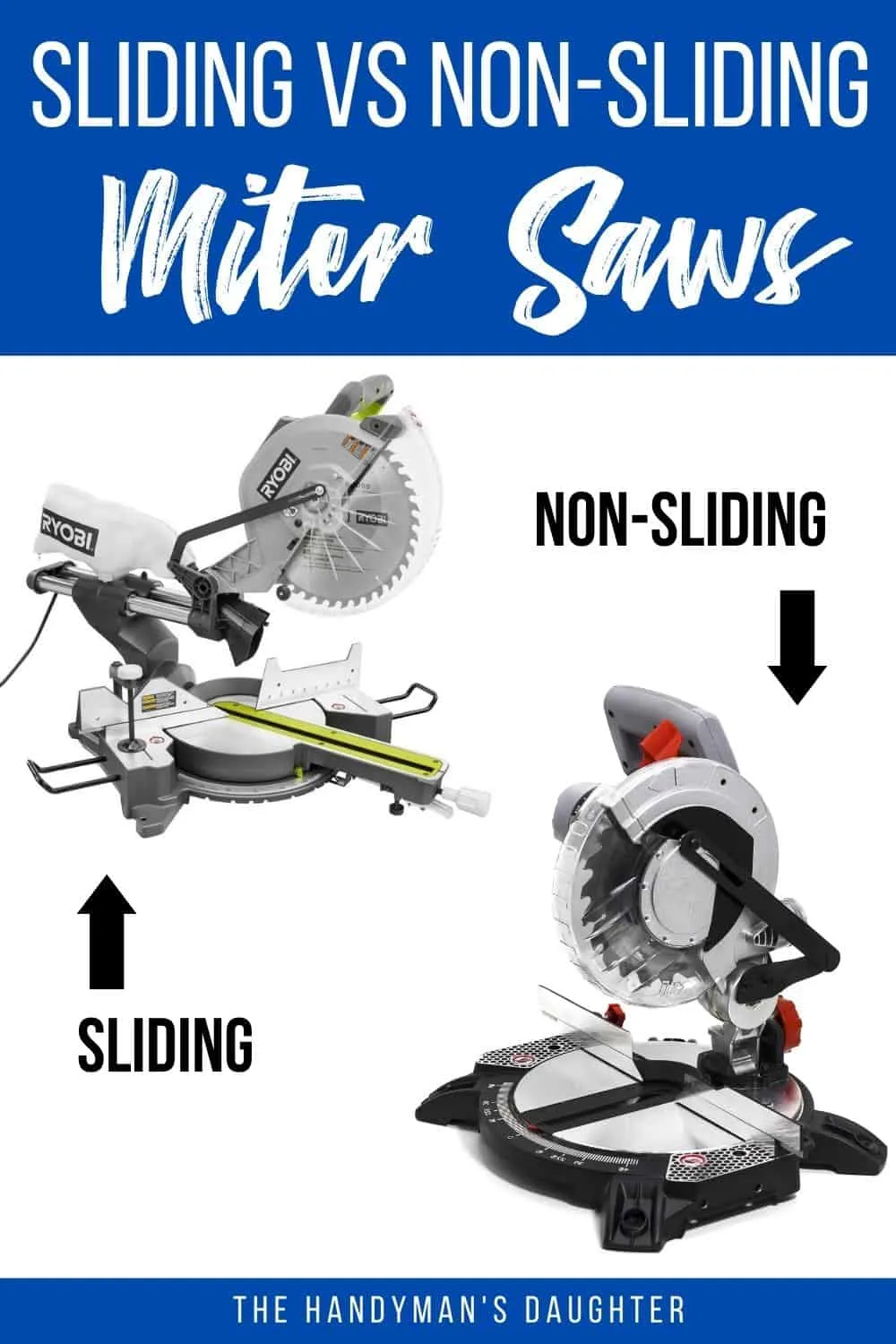
Most compound miter saws are stationary: the blade pivots down, but the saw doesn’t slide forward or back. This means they’re excellent for cutting standard-width boards (often up to 6–8 inches, depending on blade size). They’re ideal for jobs like picture frames, door trim, crown molding, or window casings.
A key advantage is simplicity. With fewer moving parts, compound miter saws are usually lighter, less expensive, and require less maintenance. Because the saw doesn’t slide, it takes up less space—perfect for small workshops or mobile contractors.
What Is A Sliding Miter Saw?
A sliding miter saw has all the features of a compound miter saw, plus a sliding arm mechanism. This arm lets the saw blade move forward and backward, greatly increasing the width of the material you can cut—sometimes up to 12–14 inches or more.
Sliding miter saws are the tool of choice for cutting wide boards, panels, and even small pieces of lumber. They’re popular for flooring projects, building furniture, or any work that needs long or wide cuts.
However, the sliding feature makes these saws heavier, larger, and often more expensive. They need more space behind the saw to allow the slide to operate. Maintenance can be a bit higher, too, as the rails and bearings need to stay clean and lubricated for smooth action.
Key Differences Between Compound And Sliding Miter Saws
It’s easy to confuse these saws, but their differences make each one better for certain jobs. Here’s a side-by-side look:
| Feature | Compound Miter Saw | Sliding Miter Saw |
|---|---|---|
| Cutting Width | Up to 6–8 inches (typical) | Up to 12–14+ inches |
| Price Range | Lower | Higher |
| Size & Weight | Lighter, more compact | Heavier, larger footprint |
| Best For | Trim, molding, small boards | Wide boards, flooring, furniture |
| Maintenance | Minimal | More (rails need cleaning) |
These differences are more than just numbers—they impact your workflow, project options, and even safety.
When To Choose A Compound Miter Saw
A compound miter saw shines in jobs that involve precise angle cuts on narrow materials. Some examples:
- Installing window or door trim
- Making picture frames
- Cutting crown or baseboard molding
- DIY craft projects
If your materials are rarely wider than 6–8 inches, a compound miter saw will do everything you need. It’s also a strong choice if you need to move the saw from site to site, or if your work area is small.
Many beginners overlook how fast setup and portability can make projects less stressful. Compound saws are usually ready to cut in minutes and are easy to store.
When To Choose A Sliding Miter Saw
A sliding miter saw becomes essential when you need to cut wide boards or panels. Common uses include:
- Cutting flooring planks or laminate
- Making wide shelves or tabletops
- Building large furniture pieces
- Decking and outdoor projects
If you regularly cut materials over 8 inches wide, the sliding feature will save you time and give you more professional results. You won’t have to flip boards or use other saws for wider cuts.
A detail many overlook: sliding miter saws are also useful for cutting multiple small pieces at once. You can stack trim or boards and cut them with one pass, speeding up repetitive tasks.
Comparing Accuracy And Cut Quality
Some believe sliding miter saws are less accurate due to their moving parts. However, for most users, the difference is minimal if the saw is well maintained.
- Compound miter saws are a little more rigid, so they’re slightly better for delicate trim where perfection matters.
- Sliding miter saws can develop play in the rails over time, but quality models stay precise with regular care.
For best results, always check your saw’s alignment and keep the rails clean. Using a sharp, quality blade is more important for smooth cuts than the type of saw itself.
Credit: www.youtube.com
Cost And Value For Money
Price often plays a big role in which saw people choose. Here’s a direct look at typical costs:
| Saw Type | Entry Level | Mid-Range | Professional |
|---|---|---|---|
| Compound Miter Saw | $100–$200 | $200–$350 | $400–$600 |
| Sliding Miter Saw | $200–$350 | $350–$600 | $600–$900+ |
Sliding models are often double the price of a compound miter saw with the same blade size. Unless you need the extra width, you can save money with a compound saw.
A non-obvious tip: blade quality affects cut results far more than the saw price. Investing in a premium blade ($50–$80) for your saw improves performance on both types.
Ease Of Use And Safety
Both saws are designed for safety, but a few differences matter:
- Compound miter saws are easier for beginners. They have fewer adjustments and moving parts.
- Sliding miter saws require you to manage the sliding motion. Always keep hands clear of the rails and never force the saw.
A common mistake is ignoring the rail lock on a sliding miter saw. Always lock the rails when not sliding, especially for quick miter or bevel cuts.
Both saws need proper support for long boards. Use a stand, roller, or helper to avoid binding the blade.
Space And Portability Considerations
If you work in a small shop, garage, or often transport your tools, space matters a lot.
- Compound miter saws can fit on small benches and are easy to carry.
- Sliding miter saws need clear space behind the saw and are much heavier.
Some sliding saws now use forward rail designs (the rails sit beside the blade instead of behind), saving space. But these are usually more expensive.
A practical insight: If you rarely cut wide boards, a compound miter saw plus a circular saw for occasional wide cuts can save space and money.
Maintenance And Durability
Maintaining your saw keeps it cutting true for years.
- For compound miter saws, keep the blade sharp and clean, and check fence alignment.
- For sliding miter saws, add regular cleaning and lubrication of the sliding rails. Dust buildup can cause rough movement or even damage the saw.
Durability is similar, but sliding saws have more moving parts. If you work in dusty environments, extra care is needed to keep sliding actions smooth.
Which Saw Is Better For Beginners?
If you’re new to woodworking, a compound miter saw is usually the smarter choice. It’s lighter, simpler, and covers 90% of typical home projects. Many advanced woodworkers still use a compound miter saw for quick jobs and trim work.
Sliding saws are tempting for their versatility, but their size and price may discourage beginners. Unless your projects regularly need wide cuts, start simple.
Common Mistakes To Avoid
- Overbuying: Many beginners buy a sliding miter saw “just in case.” If you rarely cut wide boards, this adds cost and weight you may not need.
- Ignoring the blade: Even the best saw will make rough cuts with a cheap or dull blade. Upgrade your blade before upgrading your saw.
- Not checking space: Sliding saws need both workspace and storage room. Measure your area before buying.
- Forgetting safety: Always read the manual, use clamps, and wear eye protection—accidents can happen quickly, even for pros.
- Skipping maintenance: Especially with sliding saws, rails must be kept clean and lubricated to avoid poor cuts.
Real-world Examples
- Trim carpenter: Uses a compound miter saw for most work. It’s fast, light, and fits in a small van.
- Furniture maker: Needs a sliding miter saw for wide tabletops and shelving, saving time and improving accuracy.
- DIY homeowner: Chooses a compound miter saw for renovations and saves space. Rents a sliding saw only when needed for special projects.
Environmental And Noise Considerations
Sliding miter saws, because of their larger motors, can be noisier than compound miter saws. If you work in a shared or noise-sensitive environment, this is worth considering. Dust collection is important for both, but sliding saws generate more sawdust due to wider cuts.
Using a dust extraction system (even a shop vacuum) can help keep your workspace safe and clean.
Professional Opinions And Reviews
Most professional reviews agree: choose the saw that matches your regular work. For most DIYers and trim carpenters, a compound miter saw is enough. For contractors and furniture builders, the sliding miter saw is a must-have.
If you want to see detailed reviews and technical specs, check out this resource: Miter Saw on Wikipedia.
Feature Comparison Table
For a fast overview, here’s a summary of major features:
| Feature | Compound Miter Saw | Sliding Miter Saw |
|---|---|---|
| Bevel Cuts | Yes | Yes |
| Miter Cuts | Yes | Yes |
| Sliding Action | No | Yes |
| Common Blade Size | 10″ or 12″ | 10″ or 12″ |
| Weight | 25–40 lbs | 45–70 lbs |
Credit: www.thehandymansdaughter.com
Final Thoughts
Choosing between a compound miter saw and a sliding miter saw is about matching your tool to your needs. If you work mostly with trim, molding, or small boards, a compound miter saw offers simplicity, accuracy, and value. If wide boards and versatility are part of your projects, a sliding miter saw is worth the investment.
Don’t be swayed by features you’ll never use. Focus on what you cut most often, and remember that a quality blade and safe work habits matter more than the saw itself.
Frequently Asked Questions
Is A Sliding Miter Saw Always Better Than A Compound Miter Saw?
No, a sliding miter saw is not always better. It’s more versatile for wide cuts but is heavier, larger, and more expensive. For narrow boards and trim, a compound miter saw is simpler and just as accurate.
Can A Sliding Miter Saw Do Everything A Compound Miter Saw Can?
Yes, a sliding miter saw can make all the cuts a compound miter saw can, plus wider crosscuts. However, it may be less portable and require more maintenance.
How Wide Can A Compound Miter Saw Cut?
Most 10″ compound miter saws cut up to about 6 inches wide, while 12″ models may reach 8 inches. For wider boards, you need a sliding miter saw.
Are Sliding Miter Saws Harder To Maintain?
Yes, sliding miter saws need extra care. The sliding rails must be kept clean and lubricated, and dust can cause problems if not removed regularly.
Which Saw Is Safer For Beginners?
Both are safe with proper use, but a compound miter saw is easier for beginners because it has fewer moving parts and a simpler setup. Always read the manual and follow safety instructions for any power tool.
:max_bytes(150000):strip_icc()/20180501BP-7f53b90ed6664be29c9d44c26816457e.jpg)
Credit: www.woodmagazine.com
