
Power tools have become a part of daily life for professionals and DIY enthusiasts. From cordless drills to saws, almost every tool today is powered by rechargeable batteries. But what happens when these batteries can no longer hold a charge? Tossing them in the regular trash is not only unsafe but also illegal in many places. Proper power tool battery recycling is essential for protecting the environment, conserving resources, and complying with regulations. This guide explains everything you need to know about recycling these batteries, with practical steps, examples, and expert tips.
Why Power Tool Battery Recycling Matters
Each year, millions of power tool batteries reach the end of their life. These batteries contain chemicals like lithium, nickel, cadmium, and lead—materials that can be harmful if not disposed of correctly. When batteries end up in landfills, they may leak toxic substances into the soil and water, risking health and wildlife.
But recycling does more than prevent pollution. Many battery components, such as metals, can be recovered and reused to make new batteries or other products. This process saves energy and reduces the need for new mining.
Here’s a quick look at what happens when batteries are recycled:
| Battery Material | Recycled Into | Environmental Impact |
|---|---|---|
| Lithium | New batteries, electronics | Reduces mining waste |
| Nickel | Stainless steel, new batteries | Saves energy |
| Cadmium | Industrial products | Prevents toxic leaks |
| Lead | New batteries | Reduces soil contamination |
Recycling is not just a legal responsibility but also a practical way to reduce the demand for raw materials and support a circular economy.
Types Of Power Tool Batteries
Different power tools use different battery technologies. Understanding these helps you recycle them correctly.
Nickel-cadmium (ni-cd)
These are older batteries but still found in some tools. Ni-Cd batteries are known for their durability, but cadmium is highly toxic. They must never go into regular trash.
Nickel-metal Hydride (nimh)
NiMH batteries are less toxic than Ni-Cd but still require proper recycling. They are commonly used in mid-range power tools.
Lithium-ion (li-ion)
Li-ion batteries are now the most popular for power tools due to their light weight and high energy. They are less toxic but can cause fires if damaged.
Lead-acid
Rare in handheld tools but sometimes found in larger devices. Lead-acid batteries are recyclable, but lead is dangerous and regulated.
Key Differences
Here’s a simple comparison:
| Type | Toxicity | Recycling Need | Common Tools |
|---|---|---|---|
| Ni-Cd | High (cadmium) | Essential | Older drills, saws |
| NiMH | Medium | Important | Medium-power tools |
| Li-ion | Low (fire risk) | High | Modern cordless tools |
| Lead-acid | High (lead) | Critical | Larger equipment |
How To Identify Battery Type
Before recycling, check the battery label or manual. Most batteries have a symbol or text showing their type:
- Ni-Cd: Usually marked with “Ni-Cd” or a recycling logo with “Cd”
- NiMH: Marked “NiMH”
- Li-ion: Marked “Li-ion” or “Lithium”
- Lead-acid: May say “Pb” or “Lead”
If the label is unclear, visit the manufacturer’s website or ask your local recycling center.
Steps To Recycle Power Tool Batteries
Proper recycling is not just about dropping batteries at a collection point. A few steps ensure safety and compliance.
1. Remove The Battery Safely
- Turn off the tool and unplug it if possible.
- Allow the battery to cool if recently used.
- Press the release button or unscrew the compartment.
2. Inspect For Damage
- Do not recycle swollen, leaking, or punctured batteries in normal drop-off bins.
- Place damaged batteries in a non-flammable container and contact your local hazardous waste center.
3. Prepare For Transport
- For Li-ion batteries, tape the terminals with non-conductive tape to prevent short circuits.
- Place batteries in a sturdy bag or box.
4. Find A Recycling Location
- Use websites like Call2Recycle (US/Canada) or local government portals.
- Many hardware stores (Home Depot, Lowe’s, etc.) Have drop-off bins.
- Some battery retailers and municipal waste centers accept power tool batteries.
5. Drop Off And Follow Instructions
- Follow all posted rules at the drop-off point.
- Never leave batteries outside collection bins or mix with household trash.

Credit: www.woodshopnews.com
Where To Recycle Power Tool Batteries
Most cities now offer safe battery recycling, but options vary by location.
Hardware Stores
Major chains often partner with recycling programs. Look for bins near the entrance or customer service desk.
Municipal Collection Sites
Your local recycling or waste management center likely accepts tool batteries. Some areas host special hazardous waste collection events.
Manufacturer Take-back Programs
Brands like DeWalt, Makita, and Bosch sometimes offer mail-in programs or accept old batteries at service centers.
Specialized Recycling Services
Companies like Call2Recycle collect batteries from businesses and consumers. Visit their site for a locator: Call2Recycle.
What Happens After You Recycle
Once collected, batteries are sent to specialized facilities. Here’s what typically happens:
- Sorting: Batteries are grouped by type.
- Breaking Down: Casing is removed, and contents are separated.
- Chemical Processing: Valuable metals are extracted and purified.
- Reuse: Metals are sold to manufacturers to create new batteries or products.
Less obvious: not all battery parts are recyclable. For example, some plastic casings are landfilled, but most metals are reused.
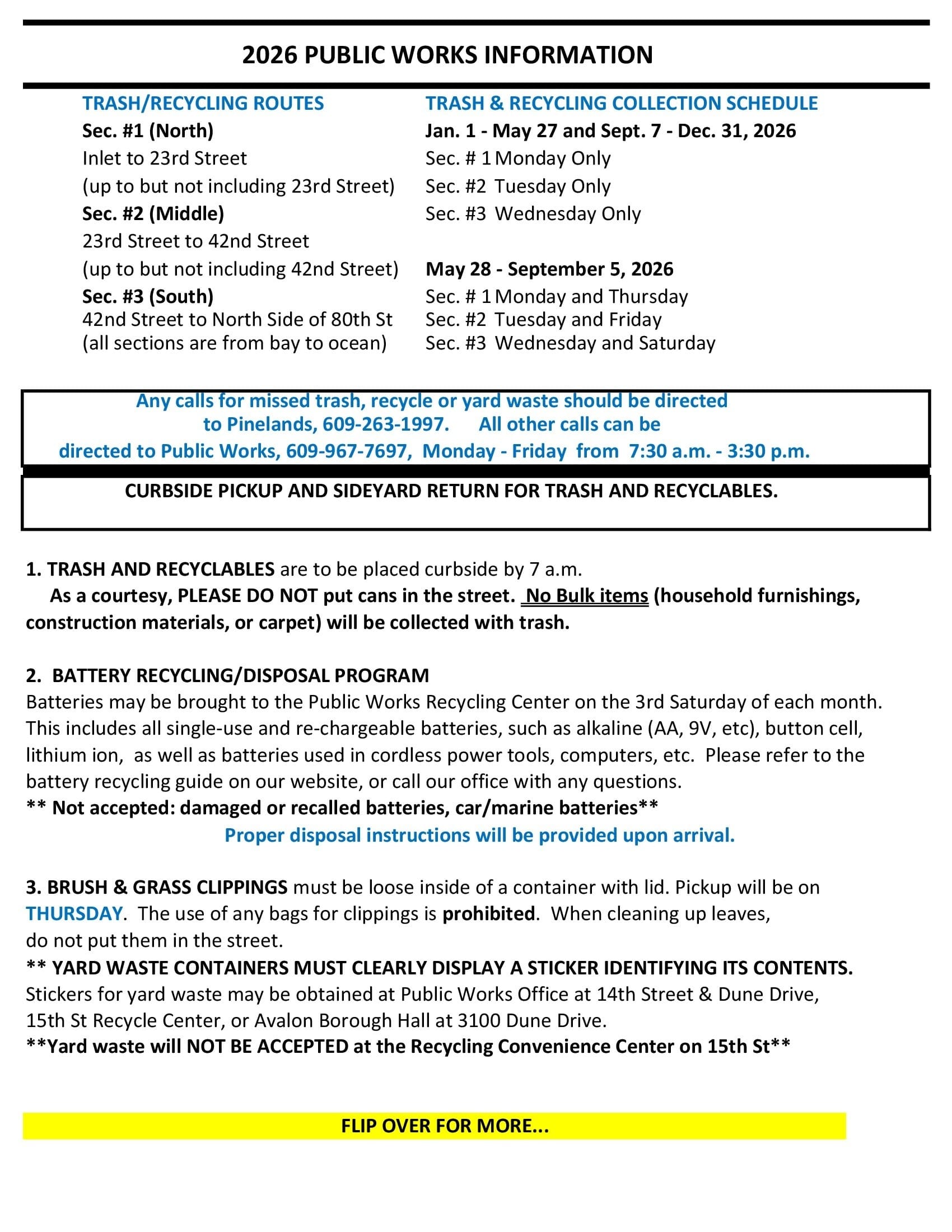
Credit: avalonboro.net
Common Mistakes To Avoid
Many people recycle batteries incorrectly. Here are mistakes to avoid:
- Throwing batteries in household recycling bins (can cause fires).
- Not taping the terminals of Li-ion batteries (risk of short-circuit).
- Recycling damaged batteries at regular drop-off points (hazardous).
- Mixing different battery types (some need special handling).
- Sending batteries by mail without following safety rules.
One insight many miss: even “dead” batteries can hold a charge and start fires if not handled properly.
Environmental And Legal Risks Of Improper Disposal
Throwing batteries in the trash can have serious consequences:
- Fires: Li-ion batteries can start fires in trucks or landfills.
- Toxic Leaks: Cadmium and lead contaminate soil and water.
- Heavy Fines: Many countries have strict laws and can fine violators.
In the European Union, the Battery Directive requires recycling. In the US, the Battery Act regulates Ni-Cd and lead-acid disposal.
How To Extend Battery Life And Reduce Waste
Before recycling, consider these tips to make your batteries last longer:
- Charge batteries fully before storage.
- Avoid leaving batteries in hot or wet places.
- Do not use incompatible chargers.
- Store batteries partly charged if not used for months.
- Clean contacts regularly.
Longer battery life means less waste and fewer trips to the recycling center.
Myths And Facts About Power Tool Battery Recycling
There are common myths about battery recycling. Let’s clear them up:
- Myth: Small batteries are safe in regular trash.
- Fact: Even small batteries can leak chemicals or start fires.
- Myth: All recycling bins accept power tool batteries.
- Fact: Many bins are for household batteries only. Check before dropping off.
- Myth: Recycling is expensive for consumers.
- Fact: Most programs are free for households.
Future Trends In Battery Recycling
Battery technology is changing, and recycling methods are improving. More companies are designing batteries that are easier to dismantle. Some cities are piloting curbside battery collection.
New recycling processes recover more lithium and other metals, making battery recycling even greener. Experts expect stricter laws and more collection points in the coming years.
Useful Tips For Safe Battery Storage Before Recycling
Not ready to recycle right away? Store batteries safely:
- Keep out of reach of children and pets.
- Store in a cool, dry place.
- Do not stack batteries or mix types.
- Use a non-metal container.
Remember: damaged or hot batteries should be recycled as soon as possible.
Power Tool Battery Recycling: Quick Reference
Here’s a summary to help you remember the key steps:
| Step | Key Action | Why It Matters |
|---|---|---|
| 1 | Identify battery type | Ensures correct recycling process |
| 2 | Inspect for damage | Prevents safety hazards |
| 3 | Tape terminals (Li-ion) | Reduces fire risk |
| 4 | Use proper drop-off | Keeps batteries out of landfills |
| 5 | Follow local rules | Avoids fines and legal issues |
Frequently Asked Questions
What Should I Do If My Power Tool Battery Is Leaking Or Damaged?
Do not place leaking or damaged batteries in regular recycling bins. Wear gloves, place the battery in a non-metal container, and take it to your local hazardous waste facility. Never throw these in the trash.
Can I Recycle Power Tool Batteries In Curbside Recycling Bins?
No, power tool batteries should not go in curbside bins. They require special handling and must be taken to a designated drop-off location or hazardous waste collection site.
How Do I Know If A Store Recycles Power Tool Batteries?
Look for recycling symbols or bins near the entrance. If unsure, ask store staff or check the store’s website for battery recycling policies. Some stores only accept certain types of batteries.
Is It Safe To Mail Old Batteries For Recycling?
Mailing batteries is safe if you follow guidelines—tape terminals, pack in sturdy material, and use approved services. Some recycling programs and manufacturers provide mail-in kits for old batteries.
Are There Any Programs That Offer Rewards For Battery Recycling?
Some manufacturers and recycling programs offer incentives, such as discounts or coupons, for returning old batteries. Check with your tool brand or local recycling service for current offers.
Recycling power tool batteries is more than a chore—it’s a way to protect the environment and support a cleaner future. By following these steps, you’re not just following the law; you’re making a difference for your community and the planet. For more information, you can explore additional resources at EPA’s Battery Recycling Guide.
Credit: www.rdbatteries.com