Many people use knives every day, but choosing the right type can be confusing. Two of the most common types are the retractable blade knife and the fixed blade knife. They might look similar at first glance, but each design has unique strengths and weaknesses. If you want a knife for work, outdoor adventures, or just daily tasks, understanding these differences is important. Sometimes, the wrong type can even make your job harder or less safe.
This guide looks closely at retractable and fixed blade knives. You’ll see how they are built, what tasks they are best for, and the practical reasons why people choose one over the other. You’ll also find tables that compare their features, real-world examples, and some surprising facts you might not know.
By the end, you’ll feel confident choosing the right knife for your needs.
What Is A Retractable Blade Knife?
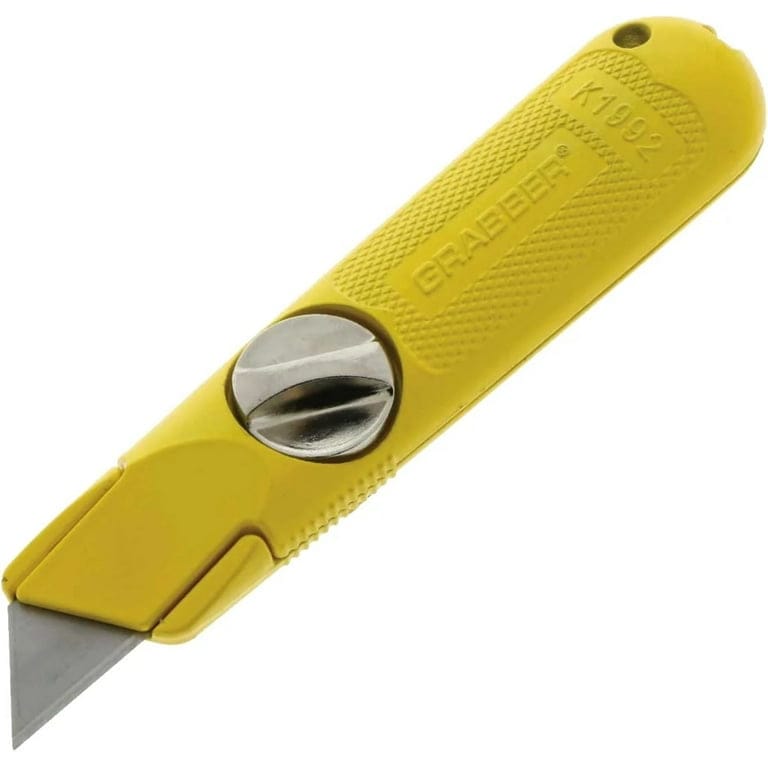
A retractable blade knife has a blade that slides in and out of the handle. You usually move the blade with a button, slider, or wheel. This design is popular for utility knives, box cutters, and some safety knives.
One advantage is that you can keep the blade safely inside the handle when you’re not using it. This helps prevent accidents and makes it easy to carry in your pocket or bag. Many retractable knives also let you adjust the blade length for different tasks.
For example, you might expose a small part of the blade to cut tape, or extend it fully to cut thick cardboard.
Retractable blade knives are often used in warehouses, shipping rooms, and construction sites. They are also popular for craft projects, home repairs, and even opening packages at home. Most people find them easy to use and safer than carrying a fixed blade in your pocket.
What Is A Fixed Blade Knife?
A fixed blade knife has a blade that does not move or fold. The blade is usually connected directly to the handle, making it solid and strong. This style is common in hunting knives, kitchen knives, and survival knives.
Because the blade is always ready, you don’t need to open or extend anything. This makes fixed blade knives fast to use and very reliable. They are often stronger than retractable knives and better for heavy-duty work.
Fixed blade knives come in many shapes and sizes, from small paring knives to large machetes. Hunters, campers, chefs, and many workers prefer fixed blades for cutting, slicing, and chopping. Some people also choose them for self-defense or emergency situations, because there are no moving parts to fail.
Key Differences: Retractable Vs Fixed Blade
To help you see the main differences quickly, here is a comparison of their core features.
| Feature | Retractable Blade Knife | Fixed Blade Knife |
|---|---|---|
| Blade Movement | Slides in/out of handle | Always exposed |
| Safety | Safer when not in use | Must use a sheath or cover |
| Strength | Less sturdy for heavy tasks | Very strong and durable |
| Convenience | Easy to carry and store | May be bulkier, needs sheath |
| Maintenance | Replaceable blades | Sharpen when dull |
| Uses | Light/medium cutting, crafts | Heavy cutting, outdoor, kitchen |
Pros And Cons Of Retractable Blade Knives
Many people choose retractable blade knives for their safety and convenience, but there are some drawbacks.
Pros
- Safety: The blade can be hidden inside the handle, reducing the chance of accidental cuts.
- Portability: Small size and retractable blade make it easy to carry in a pocket or tool belt.
- Blade Replacement: Most have replaceable blades, so you don’t need to sharpen them. Just swap the old blade for a new one.
- Adjustable Length: You can control how much blade to expose for each task.
- Versatility: Ideal for cutting cardboard, plastic, tape, and thin materials.
Cons
- Less Strength: The moving parts can make the knife weaker for heavy-duty work.
- Limited Tasks: Not suitable for chopping or prying.
- Mechanism Can Fail: The slider or button can jam or break, especially with dirt or heavy use.
- Blade Wobble: Sometimes the blade can move or feel loose, which reduces precision.
Credit: www.walmart.com
Pros And Cons Of Fixed Blade Knives
Fixed blade knives are known for their power and reliability, but they are not perfect for every situation.
Pros
- Strength: The solid design can handle tough jobs like chopping, splitting, or prying.
- Ready to Use: No need to open or adjust anything; just grab and cut.
- Durability: Fewer moving parts mean less chance of breakage.
- Variety: Available in many shapes and sizes for different tasks.
- Easy to Clean: No small parts or hinges to trap dirt.
Cons
- Safety Risk: The blade is always exposed unless covered with a sheath.
- Bulkier: Often larger and heavier, making them less convenient to carry.
- Needs Maintenance: Must be sharpened regularly to stay effective.
- Legal Restrictions: Some places have rules about carrying fixed blade knives.
When To Choose A Retractable Blade Knife
You should pick a retractable blade knife if:
- You need to open boxes, packages, or cut light materials often.
- Safety is your top concern, especially at work or around children.
- You want a tool that fits easily in your pocket or small bag.
- You prefer to change blades instead of sharpening.
Retractable knives are perfect for warehouse workers, delivery drivers, teachers (for crafts), and anyone who needs to cut things quickly and safely. They are also useful for office workers who open mail or packages daily.
Non-obvious insight: Some people don’t realize that retractable knives can help prevent workplace injuries. Many companies now require them because they lower the risk of accidental cuts. Some models even have a spring that automatically pulls the blade back when you let go.

Credit: uk.rs-online.com
When To Choose A Fixed Blade Knife
A fixed blade knife is the better choice if:
- You plan to do outdoor activities like camping, hunting, or fishing.
- You need a knife for food preparation, especially in the kitchen.
- You want a tool that can handle tough materials like rope, wood, or thick plastic.
- You need reliability in emergencies, with no moving parts that can fail.
Fixed blade knives are trusted by outdoor enthusiasts, survival experts, and chefs. They are also used by rescue workers, firefighters, and military personnel because they work well under pressure.
Non-obvious insight: Many beginners think a retractable knife can replace a fixed blade for all tasks. In reality, fixed blade knives are safer for tough jobs because they won’t collapse or break under force.
Safety Tips For Both Knife Types
No matter which knife you choose, safety should always come first. Here are some important tips:
- Always cut away from your body.
- Keep your knife sharp; dull blades are more dangerous because they can slip.
- Store fixed blades in a sheath when not in use.
- Lock the blade of a retractable knife before cutting.
- Replace or sharpen blades as soon as they become dull.
- Never use a knife for prying or as a screwdriver.
Practical Applications And Real-life Examples
Retractable and fixed blade knives are used in many jobs and hobbies. Here are some real-world examples:
- Warehouse workers use retractable knives for opening boxes quickly and safely.
- Craftspeople prefer retractable blades for precision cutting of paper, foam, or thin plastic.
- Chefs use fixed blade knives like chef’s knives, paring knives, and cleavers for food prep.
- Campers rely on fixed blade knives for preparing food, making kindling, and even first aid.
- Gardeners may use both types: Retractable for trimming small branches, fixed for digging or cutting roots.
Cost Comparison
The price of knives varies by brand, quality, and materials. Here’s a general look at costs:
| Type | Entry-Level Price | High-End Price | Maintenance Cost |
|---|---|---|---|
| Retractable Blade Knife | $5 – $20 | $40+ | Replace blades ($0.20 – $1 each) |
| Fixed Blade Knife | $10 – $30 | $100+ | Sharpening tools ($5+), occasional professional sharpening |
Key tip: If you cut a lot of cardboard or plastic, the cost of replacement blades can add up. But you’ll always have a sharp edge ready. With fixed blades, you may save money over time, but need to learn basic sharpening.
Credit: www.bigrocksupply.com
Durability And Lifespan
Durability depends on how you use and care for your knife. Fixed blade knives usually last longer because there are no moving parts to break. High-quality fixed blades can last a lifetime with proper care.
Retractable knives often have plastic or lightweight metal bodies. The sliding mechanism can wear out over time, especially with heavy use or if dirt gets inside. However, the blades themselves are easy to replace, and many users simply buy a new handle when needed.
Legal Considerations
Knife laws vary by country and even by city. In many places, fixed blade knives are more restricted than retractable knives. For example, some laws limit blade length or ban carrying fixed blades in public.
Important: Always check your local rules before carrying any knife outside your home. Some workplaces also have strict policies.
For more information on knife laws, see this Wikipedia page on knife legislation.
Maintenance: Sharpening And Blade Care
Taking care of your knife helps it last longer and work better. Here’s a comparison:
| Knife Type | How to Maintain | Common Mistakes |
|---|---|---|
| Retractable Blade | Replace blade when dull, clean sliding parts, avoid dropping | Forgetting to lock blade, using dull blade too long |
| Fixed Blade | Sharpen regularly, clean blade and handle, oil to prevent rust | Letting blade get too dull, not drying after cleaning |
Pro tip: Never use a knife on surfaces like glass or stone. Always use a cutting board or soft surface to protect the edge.
Frequently Asked Questions
Can You Use A Retractable Blade Knife For Outdoor Survival?
A retractable blade knife is not recommended for outdoor survival. The mechanism can break under heavy use, and the blade is usually not strong enough for demanding tasks like chopping wood or preparing food in the wild. A fixed blade knife is much safer and more reliable in survival situations.
Are Fixed Blade Knives Legal To Carry?
Laws about carrying fixed blade knives depend on your location. In many places, they are legal for home or work use but may be restricted in public. Always check your local laws before carrying a fixed blade outside, as some areas have strict limits on blade length or type.
Which Knife Is Best For Opening Boxes?
A retractable blade knife is best for opening boxes. It is safe, easy to carry, and you can quickly replace dull blades. Many workplaces require retractable knives for this reason.
How Often Should You Replace Or Sharpen Your Knife?
For retractable knives, replace the blade as soon as it feels dull or starts to tear rather than cut. For fixed blades, sharpen regularly—some people do it every week if they use the knife daily. Keeping your knife sharp is safer and makes work easier.
What Is The Most Common Mistake Beginners Make?
Beginners often use the wrong knife for the job. For example, using a retractable knife for heavy tasks or a fixed blade for tiny detail work. Another mistake is not maintaining the knife—either using a dull blade or not cleaning it properly.
Choosing between a retractable blade knife and a fixed blade knife is not just about personal taste. It’s about safety, efficiency, and finding the right tool for your needs. If you match the knife to your tasks and follow basic safety rules, you’ll get better results and work with more confidence every day.