
When working with wood, metal, or paint surfaces, having the right sander can make all the difference. But when you look at the many types of sanders available, you might feel confused. Two of the most popular and effective machines are the gear driven sander and the random orbit sander. Each has unique strengths and weaknesses, and each works best in different situations. If you want a smooth finish, fast material removal, or the best tool for your next project, it’s important to understand how these sanders compare.
Many DIYers and even some professionals think all sanders do the same job. However, once you start working on real projects, you notice that the right sander can save time, reduce effort, and produce better results. This article will help you clearly see the differences between gear driven and random orbit sanders.
You’ll learn how each works, where they shine, and how to choose the best one for your needs. We’ll also cover practical tips, mistakes to avoid, and real-life examples so you can make a smart decision and get the finish you want.
How Gear Driven Sanders Work
Gear driven sanders are sometimes called Rotex sanders or dual-mode sanders. They use a unique drive system that combines two types of motion: rotation and oscillation. Unlike basic sanders, the pad is connected to a gear set. This means the pad moves in a strong, controlled way—both spinning and moving in a circle at the same time.
This design gives you two main modes:
- Gear-driven mode: The pad rotates and orbits in a fixed pattern, powered directly by the motor. This gives you high power and aggressive sanding, like a belt sander, but still leaves a smoother surface.
- Random orbit mode: You can switch to a gentle, free-spinning motion similar to a regular random orbit sander for fine finishing.
Because of this, gear driven sanders are very versatile. They are often used for heavy-duty sanding, stripping paint, leveling rough wood, and even polishing if you swap the pad and use the right speed.
How Random Orbit Sanders Work
Random orbit sanders use a different approach. The sanding pad moves in two ways at once: it spins in a circle and also moves in a slightly oval path (an orbit). However, the motion is not forced by gears. Instead, the pad is connected to the motor with a ball bearing, so the orbit is truly “random.” This means the pad never follows the same path twice, which reduces swirl marks.
Random orbit sanders are known for:
- Smooth finishes: They are gentle on surfaces and don’t leave visible patterns.
- Ease of use: They are lighter, quieter, and produce less vibration than gear driven sanders.
- Safety for beginners: Because they remove material more slowly, there’s less risk of damaging your workpiece.
Most random orbit sanders are used for finishing wood, smoothing paint, or sanding between coats of finish.
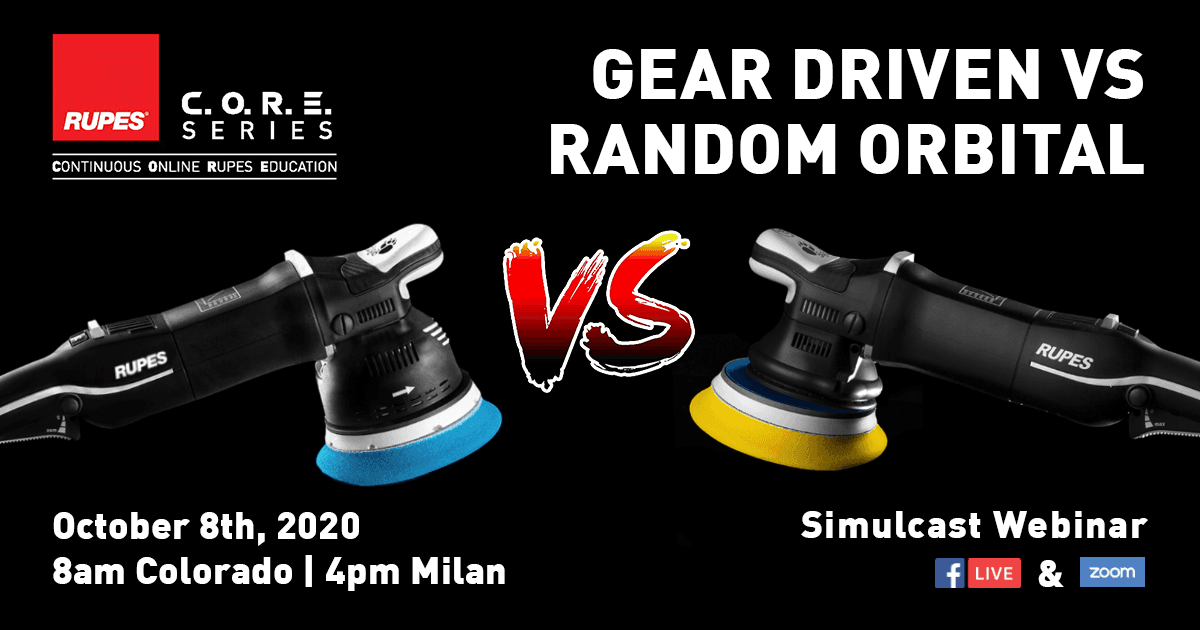
Credit: www.rupes.com
Key Differences Between Gear Driven And Random Orbit Sanders
Understanding how these two sanders compare is important before you buy or use one. Here’s a side-by-side look at the main differences:
| Feature | Gear Driven Sander | Random Orbit Sander |
|---|---|---|
| Power & Aggressiveness | Very high; can remove lots of material quickly | Moderate; best for finishing, not for heavy removal |
| Control & Precision | Good in finishing mode, but heavier and harder to control for beginners | Very easy to control; great for small or detailed work |
| Swirl Marks | Low in finishing mode, but possible in aggressive mode if not careful | Very low; designed to avoid swirl marks |
| Typical Weight | Heavy (2–3 kg) | Light (1–1.5 kg) |
| Noise & Vibration | More noise and vibration | Quieter and less vibration |
| Price Range | High ($350–$700+) | Low to moderate ($40–$200+) |
When To Use A Gear Driven Sander
Gear driven sanders are not for everyone, but they solve big problems when used right. Here are the best times to use one:
- Heavy stock removal: If you need to strip thick paint, level uneven wood, or remove glue, gear driven sanders work much faster than random orbit sanders.
- Large flat surfaces: These sanders cover more area quickly and keep the pad flat, making them ideal for tabletops, doors, or floors.
- Switching between rough and fine work: With dual modes, you can start aggressive, then finish smooth without changing tools.
- Polishing: Some gear driven sanders accept polishing pads and can buff finishes to a shine.
- Tough hardwoods: The extra power helps when sanding oak, maple, or other hard woods.
One thing beginners often miss is that gear driven sanders can save hours on big projects. But they can also quickly damage a surface if you press too hard or use the wrong grit.
When To Use A Random Orbit Sander
Random orbit sanders are the “everyday” tool for most woodworkers and DIYers. Here’s when they’re the best choice:
- Finishing work: They are perfect for the last steps before painting or staining, giving a smooth, scratch-free surface.
- Curved or detailed surfaces: Their lighter weight and gentle action make them easier to control on small parts or edges.
- Between coats: If you need to sand between layers of varnish, shellac, or paint, a random orbit sander won’t cut through the finish too fast.
- Softwoods and veneers: They are less likely to gouge or burn through thin or delicate materials.
- Quick touch-ups: When you only need to remove a small amount of material or blend an area, random orbit sanders are ideal.
A common beginner mistake is to use a random orbit sander for heavy removal. This can take hours and wear out the machine. For big jobs, a gear driven sander is a better option.
Pros And Cons Of Gear Driven Sanders
It’s important to understand both the upsides and the downsides of gear driven sanders.
Pros
- Very fast material removal
- Dual-mode versatility for both rough and fine sanding
- Durable build for professional use
- Great for large projects or hard materials
Cons
- Expensive
- Heavier and bulkier
- More tiring for long use
- Can damage surfaces if not handled correctly
Pros And Cons Of Random Orbit Sanders
Random orbit sanders are popular for good reasons, but they also have limits.
Pros
- Lightweight and easy to use
- Affordable for most budgets
- Excellent for smooth finishes
- Less likely to cause mistakes
Cons
- Slow for heavy removal
- May struggle on very hard materials
- Less durable for constant professional use
- Limited to finishing and light sanding
Practical Examples: Which Sander For Which Job?
Let’s look at some real-life situations:
- Stripping old paint from a door: A gear driven sander in aggressive mode will finish this in half the time compared to a random orbit sander.
- Sanding a coffee table before staining: Start with a gear driven sander for rough spots, then switch to random orbit mode or use a random orbit sander for a smooth finish.
- Polishing car paint: With the right pad, a gear driven sander can polish quickly, but a random orbit sander is safer for beginners to avoid burning the paint.
- Sanding plywood edges: A random orbit sander is best because it’s gentle and won’t round over the edge too much.
- Leveling floorboards: Gear driven sanders are more efficient, but require care to avoid uneven sanding.
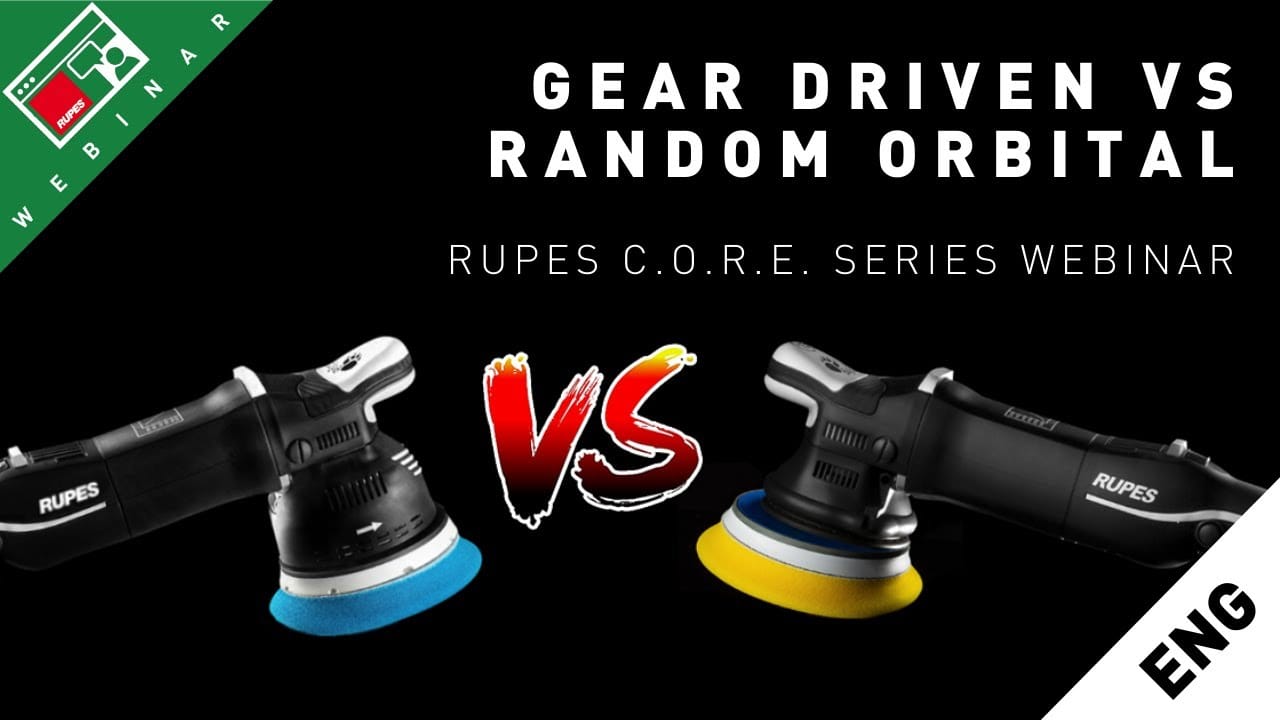
Credit: www.youtube.com
Cost Comparison
The price difference between these two types of sanders can be large. Here’s a quick look at typical costs:
| Type | Entry-Level Price | Pro-Grade Price |
|---|---|---|
| Gear Driven Sander | $350 | $700+ |
| Random Orbit Sander | $40 | $200 |
This shows why random orbit sanders are found in most home workshops, while gear driven sanders are common in pro shops.
Choosing The Right Sander: What Really Matters
If you’re deciding which sander to buy, think about these key factors:
- Project size and type: Large jobs or rough surfaces? Gear driven is better. Small or detailed work? Random orbit is enough.
- Skill level: Beginners are usually happier with a random orbit sander.
- Budget: Gear driven sanders are a big investment.
- Weight and comfort: If you will sand for hours, lighter random orbit sanders are easier on your hands and arms.
- Versatility: If you want one tool for both heavy and fine sanding, a dual-mode (gear driven) sander is hard to beat.
A less obvious tip: When sanding, always start with a coarser grit and move to a finer one. Even the best sander can’t fix poor grit selection.
Common Mistakes To Avoid
Many people—especially new users—make these mistakes:
- Using too much pressure: Let the sander do the work. Pressing down can cause swirl marks, uneven sanding, or even burn the wood.
- Skipping grits: Jumping from a very coarse to a very fine sandpaper leaves deep scratches.
- Not using dust extraction: Both types produce fine dust. Always attach a shop vac or dust bag.
- Ignoring pad wear: Old, worn pads reduce the quality of the finish and can damage your workpiece.
- Overusing one area: Keeping the sander in one spot too long can create dips or uneven spots.
Maintenance Tips
To keep your sander working well:
- Clean the dust collection system regularly to maintain airflow and suction.
- Check and replace sanding pads as needed.
- Inspect power cords and switches for wear.
- Lubricate moving parts (if recommended by the manufacturer).
- Store the sander in a dry place to prevent rust or damage.
Advanced Insights Most Beginners Miss
- Sanding pattern matters: Gear driven sanders, because of their forced motion, can actually flatten a surface better than a random orbit sander, which may “float” over small dips.
- Pad size and shape: Most sanders use a 5-inch or 6-inch pad. A larger pad covers more area but can be harder to control on small surfaces.
- Dust extraction is key: Both sander types work best when connected to a vacuum. Clean surfaces mean better results and less cleanup.
- Speed control: Higher-end models let you adjust speed. Lower speeds are better for delicate work or polishing.
- Accessory compatibility: Gear driven sanders often accept polishing and scrubbing pads, making them more versatile in some shops.
Frequently Asked Questions
What Is The Main Advantage Of A Gear Driven Sander?
The main advantage is fast material removal combined with the ability to switch to a fine sanding mode. It works well for large, tough jobs and can save a lot of time.
Can I Use A Random Orbit Sander For Heavy Paint Removal?
You can, but it will be slow and may wear out your sander. For big paint removal projects, a gear driven sander is a better choice.
Are Gear Driven Sanders Worth The Higher Price?
If you do a lot of heavy sanding or want one tool for many jobs, yes. For most home users who do light sanding, a random orbit sander is usually enough.
How Do I Avoid Swirl Marks When Sanding?
Use the right grit sequence, don’t push down too hard, and keep the sander moving. Always finish with a fine grit. Both sander types can give a swirl-free finish if used correctly.
Where Can I Learn More About Sander Types And Safe Use?
A good place to start is the Wikipedia page on sanders. It covers all types and gives helpful safety tips.
Choosing the right sander can be the difference between a project that looks professional and one that feels unfinished. By understanding the strengths, weaknesses, and real uses of gear driven and random orbit sanders, you can work faster, safer, and get better results every time.
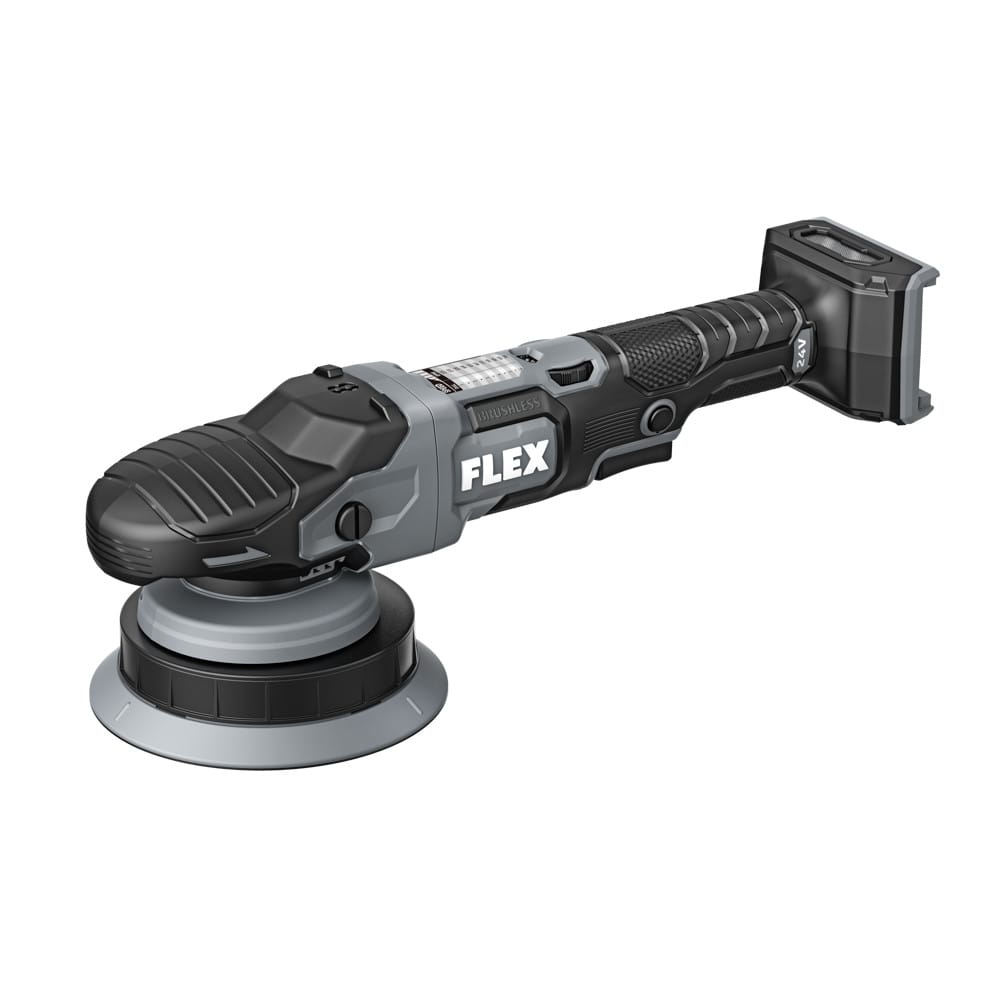
Credit: clean-garage.com
