
Choosing the right abrasive tool can make all the difference in metalworking, construction, or even basic DIY projects. Many people ask, “Should I use a flap disc or a grinding disc? ” The answer depends on your goal, the material, and the finish you want.
Both tools may look similar, but they work differently and serve unique purposes. If you pick the wrong one, you might waste time, damage your workpiece, or even risk injury.
Let’s dive deep into the world of flap discs and grinding discs. By the end, you’ll know exactly which tool to use, how they differ, and how to get the best results.
What Is A Flap Disc?
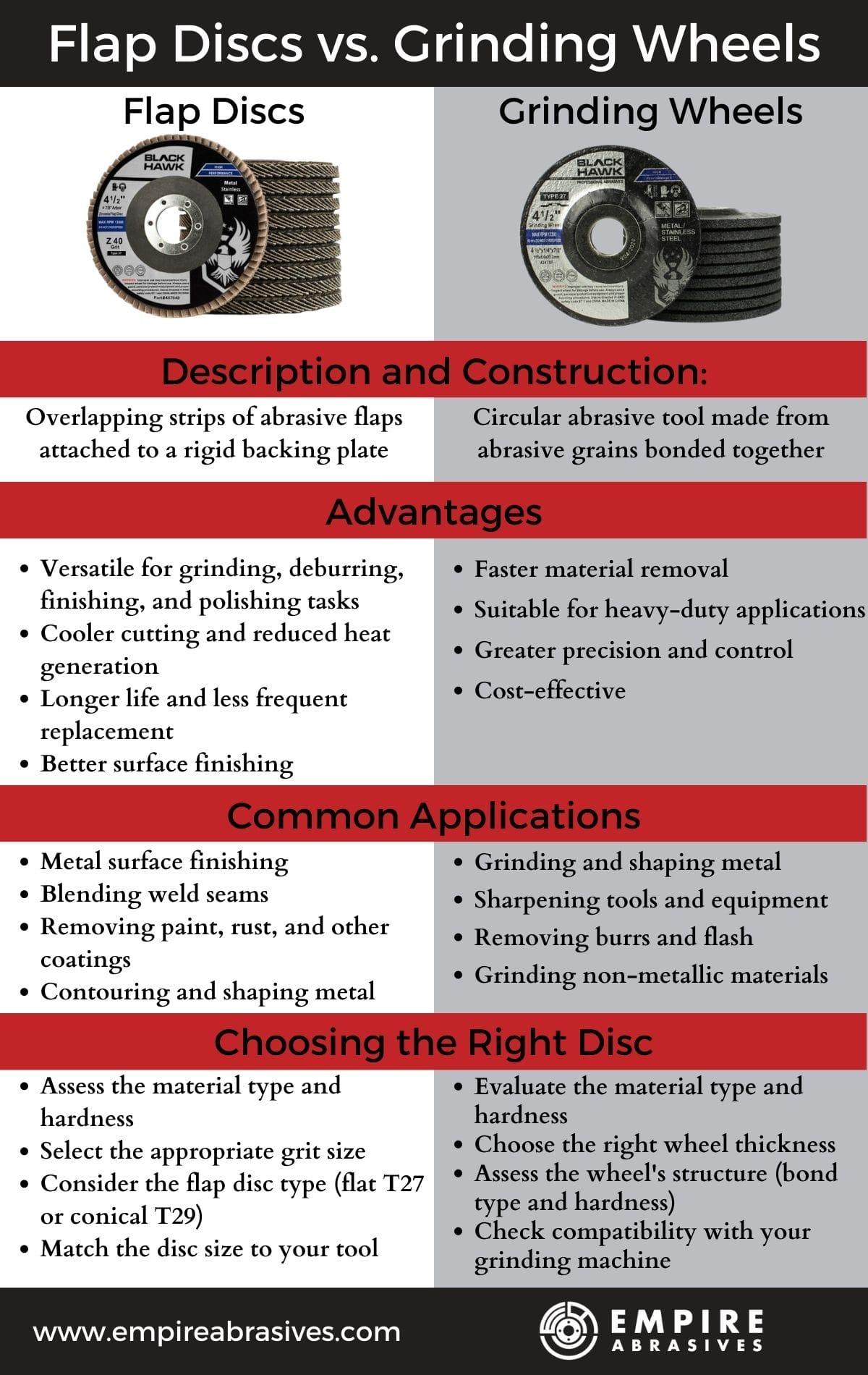
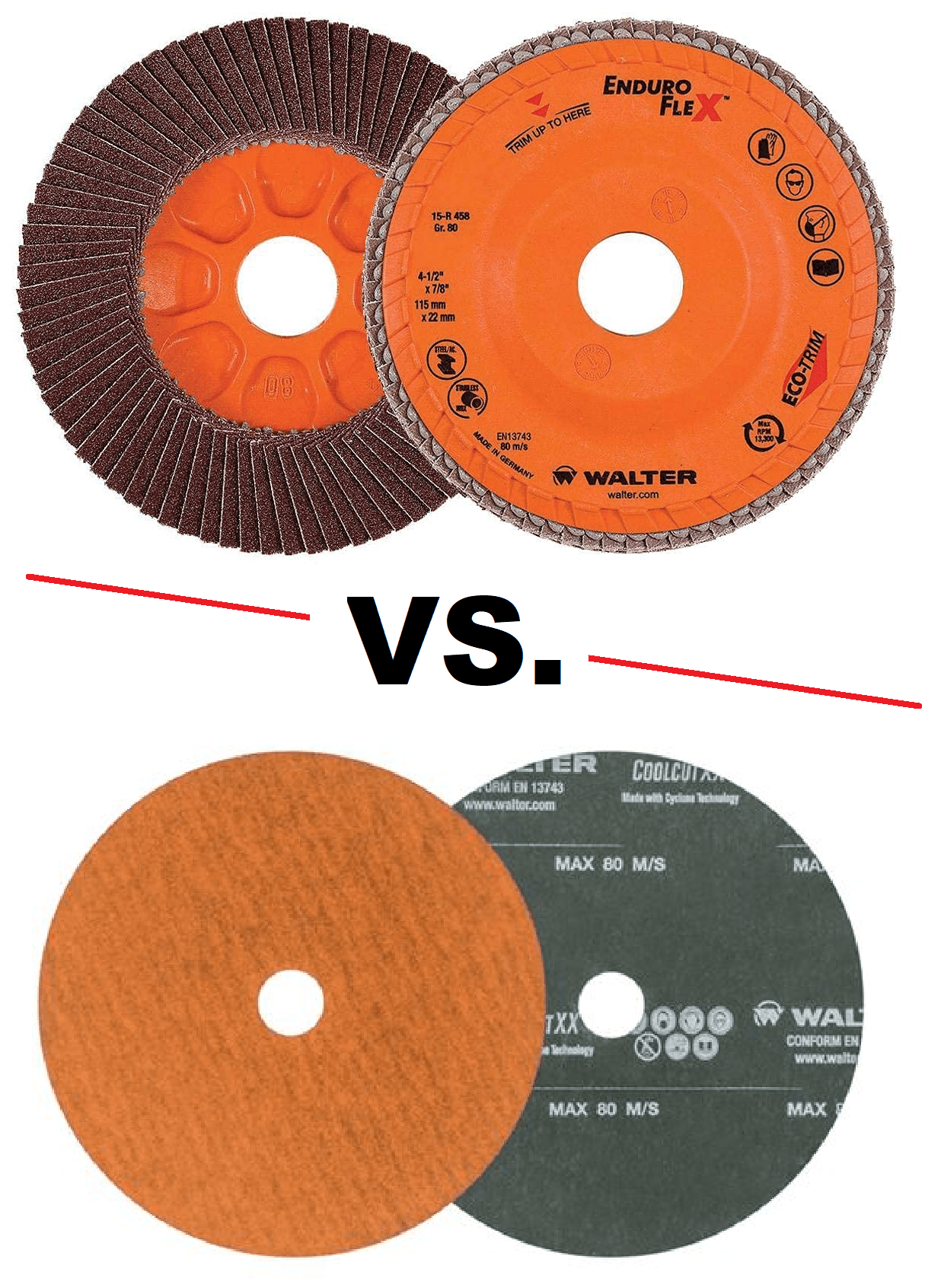
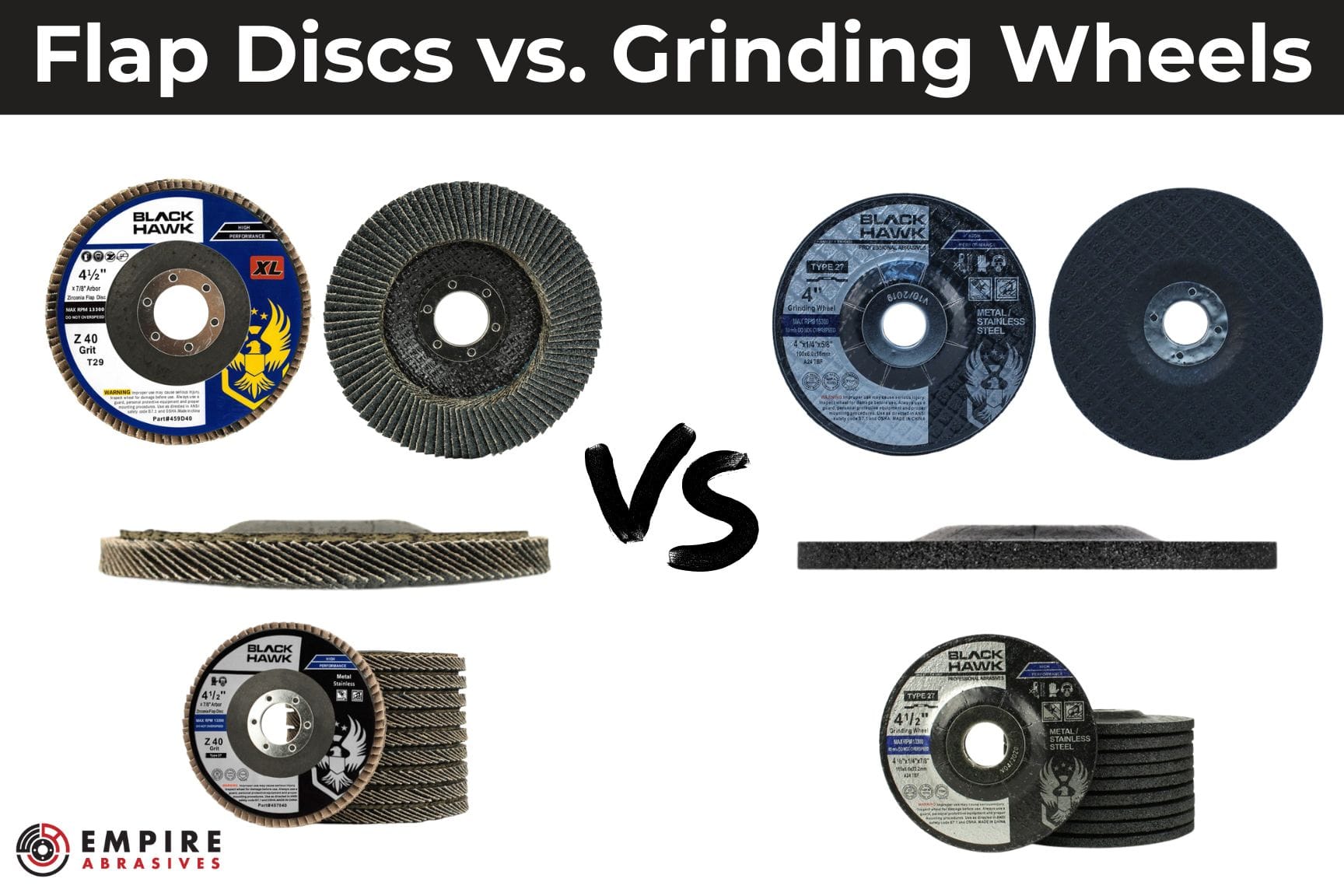
A flap disc is an abrasive tool used with angle grinders. It’s made of overlapping “flaps” of sandpaper-like material attached around a central hub. These flaps wear away gradually, exposing fresh abrasive as you work. This design makes flap discs flexible, and they are ideal for blending, finishing, and smooth stock removal.
Common uses for flap discs:
- Smoothing welds
- Deburring sharp edges
- Removing rust and paint
- Surface preparation before painting or coating
Flap discs come in various grit sizes, usually ranging from 24 (coarse) to 120+ (fine). The lower the number, the rougher the finish; higher numbers give a smoother result.
What Is A Grinding Disc?
A grinding disc (sometimes called a grinding wheel) is a solid, thick disc made of bonded abrasive grains. Unlike flap discs, the entire surface is abrasive and does not wear away in layers. Grinding discs are usually thicker and are designed for heavy-duty material removal and aggressive grinding.
Typical uses for grinding discs:
- Removing large amounts of metal quickly
- Leveling welds
- Cutting through thick metal bars or rods (with special cutting discs)
- Shaping metal edges
Grinding discs are classified by their material (aluminum oxide, silicon carbide, etc. ), thickness, and grit size.
Key Differences Between Flap Disc And Grinding Disc
Understanding the differences can save you time, money, and frustration. Here’s a side-by-side look at the most important distinctions:
| Feature | Flap Disc | Grinding Disc |
|---|---|---|
| Design | Overlapping abrasive flaps | Solid, bonded abrasive wheel |
| Flexibility | Flexible, conforms to shapes | Rigid, for flat surfaces |
| Finish Quality | Smoother, blends edges | Rough, aggressive removal |
| Material Removal Rate | Moderate | High |
| Heat Generation | Lower | Higher |
| Common Grit Sizes | 24-120+ | 16-36 |
When To Use A Flap Disc
Flap discs are your best friend when you need a balance between stock removal and a smooth finish. They are ideal for:
- Blending welds: After welding, use a flap disc to smooth and blend the joint so it looks seamless.
- Surface finishing: If you want a clean, paint-ready surface, a flap disc creates fewer scratches than a grinding wheel.
- Deburring: Remove sharp edges and burrs from cut metal without gouging the surface.
- Working on curves: The flexible flaps follow the contours of the workpiece, making them ideal for irregular shapes.
- Rust and paint removal: Flap discs strip away old coatings without digging deep scratches.
Non-obvious insight: Flap discs wear down as you use them, exposing new abrasive. This means they maintain a consistent cutting action and finish quality, unlike grinding wheels that can glaze over and lose effectiveness.
Credit: www.empireabrasives.com
When To Use A Grinding Disc
Grinding discs are made for fast, aggressive stock removal. They shine in situations where speed is more important than surface quality.
- Heavy grinding: Leveling large welds or removing thick material quickly.
- Shaping metal: Creating bevels, chamfers, or shaping edges.
- Grinding down large surfaces: Working on thick steel plates or cast iron.
- Tough jobs: Projects that would wear out flap discs too quickly or require extra force.
Non-obvious insight: Grinding discs should not be used for finishing, as they often leave deep scratches and can create excessive heat, leading to discoloration or warping of thin materials.
Advantages Of Flap Discs
Why pick a flap disc over a grinding disc? Here are some key benefits:
- Smoother finish: Less need for follow-up sanding or polishing.
- Versatility: Handles both moderate material removal and finishing.
- Less vibration: More comfortable for longer jobs.
- Lower heat build-up: Reduces risk of burning thin metals.
- Easier to control: Especially for beginners, as the tool is less aggressive.
Advantages Of Grinding Discs
Grinding discs have their place, especially in rough, demanding jobs:
- Faster material removal: Saves time on large, heavy-duty tasks.
- Cost-effective for bulk work: Lasts longer in tough conditions.
- Ideal for flat surfaces: Consistent grinding on large plates or welds.
- Durability: Withstands high pressure and force.
Disadvantages Of Flap Discs
No tool is perfect. Flap discs have a few downsides:
- Higher cost per disc: Usually more expensive than grinding wheels.
- Wears out faster on tough jobs: Not ideal for grinding thick steel.
- Not suitable for deep cuts: Can’t handle heavy gouging or shaping.
Disadvantages Of Grinding Discs
Grinding wheels also have their limitations:
- Poor finish quality: Leaves deep scratches, requiring extra steps.
- More heat: Can warp or discolor thin materials.
- Harder to use on curves: Rigid design doesn’t follow contours well.
- More vibration: Can be tiring for long sessions.
Safety Considerations
Both tools can be dangerous if used carelessly. Here are safety tips:
- Always wear eye protection: Sparks and fragments can cause serious injury.
- Use gloves and hearing protection: Both tools are loud and can create sharp debris.
- Check the disc for damage: Cracks or chips can cause the disc to break at high speed.
- Match the disc to the tool speed: Never use a disc rated for lower RPM than your grinder.
- Use the right disc for the job: Don’t force a flap disc to do heavy grinding, or a grinding disc to do fine finishing.
Pro tip: Grinding discs are more likely to shatter under stress. Always stand to the side when starting a new disc, and let it reach full speed before touching your workpiece.
Credit: www.reddit.com
Cost Comparison
Price matters, especially for large projects or frequent use. Here’s a typical cost comparison:
| Type | Average Price (USD) | Typical Lifespan (Continuous Use) |
|---|---|---|
| Flap Disc | $3 – $7 | 15-30 minutes |
| Grinding Disc | $2 – $5 | 30-60 minutes |
While flap discs cost more per unit, they can save time on finishing steps. Grinding discs last longer during heavy grinding but may require additional tools for a smooth finish.
Choosing The Right Disc: Key Factors
Before grabbing a disc, consider these points:
- Material type: For thin sheet metal, stainless steel, or nonferrous metals, flap discs often work best. For thick steel or cast iron, use grinding discs.
- Desired finish: Need a smooth surface? Go for a flap disc. Need speed? Use a grinding wheel.
- Tool compatibility: Check the RPM ratings and size compatibility with your grinder.
- Project size: Flap discs are better for small jobs or detail work. Grinding discs handle big tasks efficiently.
- Budget: Flap discs may cost more, but can save money on follow-up work.
Example: If you’re fabricating a steel railing, start with a grinding wheel to shape the bars, then switch to a flap disc for smooth welds and a paint-ready finish.
Credit: www.empireabrasives.com
Common Mistakes Beginners Make
Even experienced workers sometimes misuse these tools. Here are mistakes to avoid:
- Using the wrong disc for finishing: Grinding wheels can leave scratches too deep for paint or powder coating.
- Applying too much pressure: Let the tool do the work. Pressing hard wears out discs and can damage your material.
- Ignoring grit size: Lower grits are rough; higher grits are smoother. Pick the right one for your job.
- Not replacing worn discs: A dull disc is dangerous and inefficient.
- Skipping safety checks: Always inspect your discs before use.
Environmental Impact And Waste
A detail often missed: Flap discs tend to generate less dust due to their layered design. Grinding discs, being more aggressive, can produce more airborne particles. Proper ventilation and dust collection keep your workspace safe and clean.
Which Disc For Which Application?
Still unsure? Here’s a simple guide:
| Application | Best Choice | Why |
|---|---|---|
| Weld blending | Flap Disc | Smooth finish, easy blending |
| Heavy material removal | Grinding Disc | Fast, aggressive cutting |
| Rust removal | Flap Disc | Gentle on base material |
| Edge shaping | Grinding Disc | Durable, can handle force |
| Final finishing | Flap Disc (high grit) | Fine, paint-ready surface |
Practical Tips For Best Results
- Try both tools on scrap material before starting your main project.
- Keep discs dry and clean to extend their life.
- Use the full face of the disc to wear it evenly.
- Switch discs as soon as you notice loss of cutting speed or finish quality.
- Label your discs for each metal type if you work with both ferrous and nonferrous materials to avoid contamination.
Real-world Example
Suppose you’re repairing a steel gate. Start with a grinding disc to remove large welds and shape rough edges. Switch to a 60-grit flap disc to blend the surface and remove minor rust. Finish with a 120-grit flap disc for a smooth, paint-ready finish.
This approach saves time, improves results, and protects your tools.
For more background on abrasives and safety, check out this guide from the Occupational Safety and Health Administration.
Frequently Asked Questions
What Is The Main Difference Between A Flap Disc And A Grinding Disc?
The main difference is that flap discs use overlapping abrasive flaps for blending and finishing, while grinding discs are solid and designed for aggressive material removal. Flap discs create smoother finishes, while grinding discs are better for heavy-duty grinding.
Can I Use A Flap Disc Instead Of A Grinding Disc?
Yes, for light to moderate grinding and finishing. But for heavy material removal or shaping, a grinding disc works faster and lasts longer. Flap discs are not designed for deep cuts or heavy pressure.
Are Flap Discs Safer Than Grinding Discs?
Both tools are safe when used correctly. Flap discs generally create less vibration and are less likely to shatter, but always follow safety guidelines and wear proper protective gear.
What Grit Should I Use For Metal?
For flap discs, 40-60 grit works for most metalwork. Use 80-120 grit for fine finishing. For grinding discs, 16-36 grit is common for rough grinding.
How Do I Know When To Replace My Disc?
Replace your disc when you notice:
- Slower cutting speed
- Excessive vibration
- Disc is worn to the backing or hub
- Visible cracks or damage
Knowing when to switch tools and how to use each one can transform your results. Whether you’re a hobbyist or a professional, understanding the differences between flap discs and grinding discs will help you work safer, faster, and with better results.