
When you walk into a workshop or see a construction crew at work, you’ll probably notice powerful tools spinning with sparks flying. Most likely, you’re looking at either a grinding wheel or a cutting wheel. Both are essential for metalworking and fabrication, but they aren’t the same thing. Many beginners confuse these wheels because they look similar, but their uses, structure, and results are quite different. If you want to work safely and get the best results, you need to know when to use a grinding wheel and when to use a cutting wheel. Understanding these differences will also help you avoid costly mistakes and damage to your tools.
Let’s break down everything you need to know about grinding wheels vs cutting wheels, from how they’re built and what they’re best for, to how to choose the right one for your next project.
What Is A Grinding Wheel?
A grinding wheel is a circular tool made from abrasive grains bonded together. Its main job is to remove material from a surface through friction. These wheels are used for shaping, smoothing, sharpening, or cleaning metal and other hard materials. They can also be used for blending welds and removing surface imperfections.
Grinding wheels come in various sizes, thicknesses, and abrasive types. Common abrasives include aluminum oxide, silicon carbide, and ceramic. Each type is designed for different materials and tasks.
How Grinding Wheels Work
Grinding wheels cut tiny chips off the material’s surface. Instead of slicing through like a saw, the wheel’s abrasive grains act like many small cutting tools. As the wheel spins at high speed, these grains grind away the unwanted material bit by bit.
- Typical thickness: 1/4 inch (6 mm) or more
- Shape: Thicker, with a flat or slightly concave surface
- Main use: Surface grinding, weld blending, deburring
Common Applications
- Sharpening tools and blades
- Smoothing rough surfaces on metal or stone
- Removing rust or paint
- Blending weld seams
- Shaping hard materials
What Is A Cutting Wheel?
A cutting wheel (also called a cut-off wheel or disc) is designed to slice through material quickly. Unlike grinding wheels, cutting wheels are thin and have a reinforced structure. Their job is to make straight, clean cuts in metal, stone, or other hard materials.
These wheels are made with abrasive grains like grinding wheels, but their thin profile allows them to cut through material rather than grind it away.
How Cutting Wheels Work
Cutting wheels remove material by slicing straight through it, similar to a saw blade. The thin disc moves quickly and creates a narrow cut, called a kerf. This method is fast but can be dangerous if the wheel is used incorrectly, as thin wheels can break if twisted or forced.
- Typical thickness: 0.04 to 1/8 inch (1 mm to 3 mm)
- Shape: Thin, flat disc with reinforced construction
- Main use: Cutting bars, rods, pipes, sheet metal
Common Applications
- Cutting rebar, bolts, or sheet metal
- Trimming pipes or structural steel
- Slotting or notching metal parts
- Removing sections of welds
Key Differences Between Grinding And Cutting Wheels
To see the main distinctions, it’s helpful to compare the two wheels side by side. Here’s a table that highlights the most important differences:
| Feature | Grinding Wheel | Cutting Wheel |
|---|---|---|
| Thickness | Thick (1/4″ or more) | Thin (1/16″ to 1/8″) |
| Main Function | Material removal, shaping, smoothing | Cutting through material |
| Operation | Surface contact | Edge contact |
| Reinforcement | Usually not reinforced | Reinforced with fiberglass |
| Cut Quality | Rough finish | Clean, straight cut |
| Wheel Life | Longer | Shorter |
Visual And Structural Differences
- Grinding wheels are usually thicker, which makes them sturdier for side-to-side pressure.
- Cutting wheels are much thinner and not designed for side pressure. They often have fiberglass mesh inside to prevent breaking.
When To Use A Grinding Wheel
Choosing the right wheel for your job makes all the difference in the result and your safety. Grinding wheels are best when you need to:
- Shape or smooth a surface
- Remove weld beads
- Clean up rough edges or remove rust
- Sharpen tools like chisels or lawn mower blades
It’s important to use a grinding wheel with the face of the wheel, not the edge. This allows the abrasive grains to work properly and prevents wheel damage.
Common Mistakes
- Using a grinding wheel to cut material: This can cause the wheel to break.
- Applying too much pressure: This can overheat the wheel and the workpiece.
- Not dressing the wheel: Over time, grinding wheels become clogged (loaded) with material. Use a dressing tool to restore the wheel’s cutting ability.
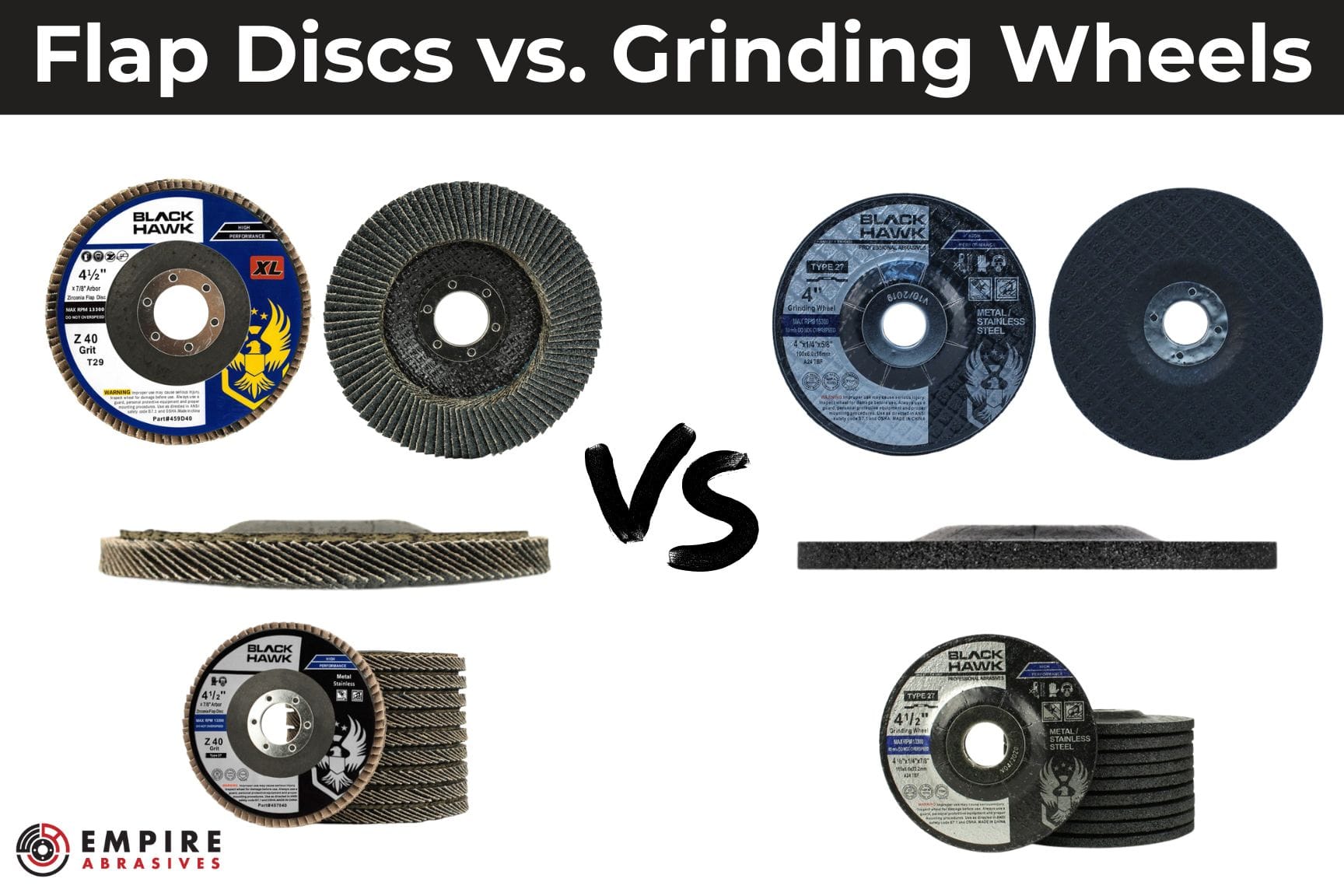
Credit: www.empireabrasives.com
When To Use A Cutting Wheel
Cutting wheels excel when you need to make fast, straight cuts. Use a cutting wheel if you need to:
- Slice through steel bars, rods, or pipes
- Trim metal sheets to size
- Cut off bolts or screws flush with a surface
Always use the thin edge of the cutting wheel, never the face. Using the face can shatter the wheel, which is very dangerous.
Common Mistakes
- Twisting or bending the wheel during a cut: This can cause the wheel to snap.
- Forcing the wheel: Let the tool do the work. Forcing can overheat and weaken the wheel.
- Using a damaged or cracked wheel: Always inspect before use.
Material And Abrasive Types
Both grinding and cutting wheels use different abrasive grains and bonding agents. The right combination depends on the material you are working with.
Common Abrasive Types
- Aluminum oxide: Good for steel and general metalwork.
- Silicon carbide: Suitable for stone, cast iron, and non-ferrous metals.
- Zirconia alumina: Good for heavy grinding and high stock removal.
- Ceramic: Lasts longer and cuts cooler, often used for stainless steel.
Bond Types
- Resin bond: Most common for both wheels, provides flexibility and shock resistance.
- Vitrified bond: Used for precision grinding, very rigid.
Matching the abrasive and bond to the material improves performance and wheel life.
Safety Considerations
Both wheels can be dangerous if used incorrectly. Each year, thousands of injuries are caused by improper use of grinding and cutting wheels.
Safety Tips For Both Wheels
- Wear eye protection (safety glasses and face shield)
- Use gloves and hearing protection
- Check the wheel for cracks or damage before use
- Secure the workpiece to prevent movement
- Do not exceed the maximum RPM marked on the wheel
Unique Dangers
- Grinding wheels: Can shatter if dropped or if side pressure is applied.
- Cutting wheels: Very thin, so they can break more easily, especially if twisted or used for grinding.
A surprising safety tip: Always store wheels flat and in a dry place. Moisture can weaken the bond and lead to failure.
How To Choose The Right Wheel
Picking the correct wheel isn’t just about size. Consider these factors:
- Type of material: Steel, stainless, aluminum, stone, etc.
- Type of job: Cutting, grinding, blending, finishing.
- Wheel size: Match to your tool’s capacity.
- Abrasive type: Choose based on the material.
- Wheel speed rating: Make sure it matches your tool’s RPM.
Here’s a quick reference for some common tasks:
| Task | Best Wheel Type | Notes |
|---|---|---|
| Cutting rebar | Cutting wheel | Thin, reinforced |
| Sharpening a chisel | Grinding wheel | Medium grit |
| Removing welds | Grinding wheel | Thick, coarse |
| Cutting stainless pipe | Cutting wheel | Ceramic abrasive |
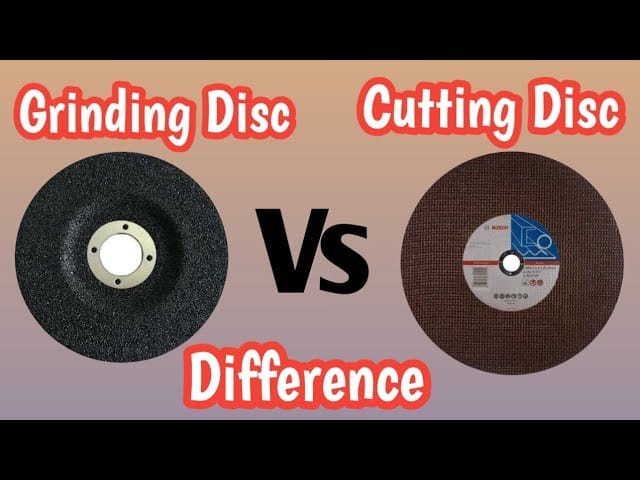
Credit: www.youtube.com
Wheel Lifespan And Cost
Grinding wheels generally last longer because they are thicker and used for slower, controlled material removal. Cutting wheels wear down faster, especially on heavy-duty jobs.
- Grinding wheel lifespan: Can be several hours to days, depending on use.
- Cutting wheel lifespan: Often just a few cuts for thick material.
Cutting wheels are usually cheaper per wheel, but you may use more of them on big projects.
Non-obvious Insights For Beginners
1. Not all wheels fit all grinders. Angle grinders come in different sizes and speed ratings. Always check both the diameter and the maximum RPM of your wheel.
2. Wheel expiration dates matter. Many abrasive wheels have a shelf life (usually 2–3 years). Using old wheels increases the risk of breaking.
3. Surface finish quality depends on wheel type and grit. For smoother finishes, use a finer grit grinding wheel. For fast material removal, use a coarser grit.
Environmental And Health Considerations
Both grinding and cutting create dust and sparks. Some materials, like stainless steel or certain coatings, can release harmful particles.
- Always use dust extraction or a mask when working in closed spaces.
- Avoid grinding or cutting near flammable materials.
OSHA reports that improper use of abrasive wheels is a common cause of eye injuries in workshops. Take safety seriously—even small mistakes can have big consequences.
Innovations And Trends
Recently, manufacturers have developed new abrasive materials like ceramic grains that cut faster and last longer. Some wheels now have vibration reduction features for better comfort. If you work with high-value materials, it may be worth investing in these advanced wheels, even if they cost more upfront.
For more details on abrasive wheels and safety standards, you can visit the Grinding Wheel Wikipedia page.
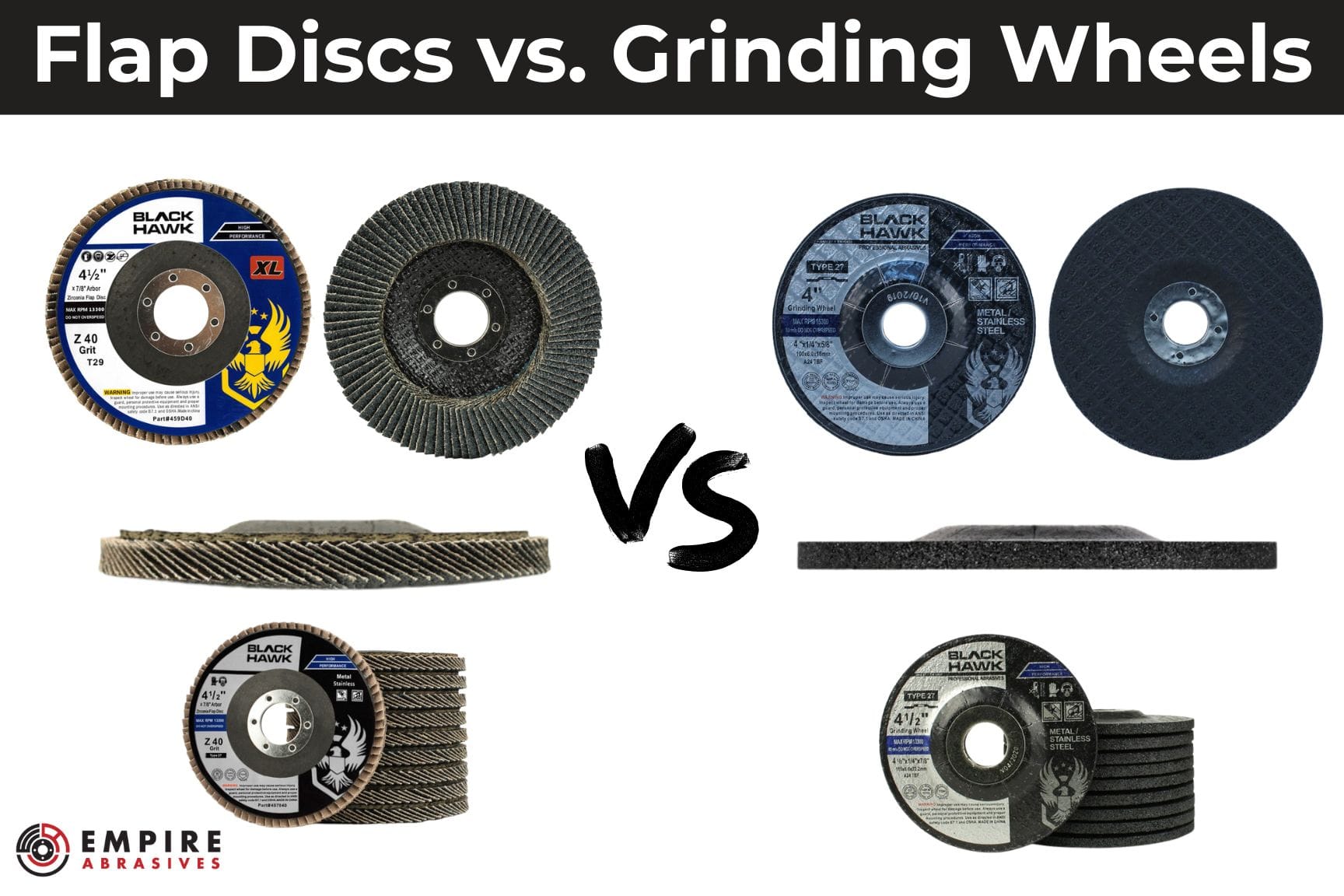
Credit: www.empireabrasives.com
Frequently Asked Questions
What Happens If I Use A Grinding Wheel For Cutting?
Grinding wheels are not designed for edge-on cutting. Using them this way can cause the wheel to break, which is very dangerous. Always use a cutting wheel for slicing through material.
Can I Use The Same Wheel For Metal And Stone?
It’s not recommended. Wheels are made for specific materials. Using the wrong wheel can damage the workpiece, wear out the wheel faster, and increase the risk of accidents.
Why Do Cutting Wheels Wear Out So Quickly?
Cutting wheels are thin to make clean, fast cuts. This thinness means they wear down faster, especially on hard or thick materials. For long cuts, you may need several wheels.
How Can I Tell If A Wheel Is Safe To Use?
Check for cracks, chips, or signs of damage before each use. Tap the wheel gently with a non-metal object; if you hear a dull sound, the wheel may be cracked and should not be used.
What’s The Difference Between Abrasive Types?
Different abrasives work better for different jobs. Aluminum oxide is common for steel, silicon carbide is better for stone, and ceramic lasts longer for tough applications. Choose the abrasive for your material and task.
Both grinding and cutting wheels are essential tools in metalworking and construction. Knowing the differences, using each wheel correctly, and following safety rules will keep you productive and safe. With practice, you’ll learn which wheel gives you the best results for each job.
