
Lithium batteries are everywhere in modern life. They power our smartphones, laptops, electric cars, and many other devices. But when these batteries reach the end of their life, they must be handled with special care. If you simply throw them in the trash, you risk causing fires, harming the environment, and even breaking local laws.
Many people don’t realize how important safe disposal is—or how easy it can be with the right steps. This guide will help you understand why proper disposal matters, how to do it safely, and what common mistakes to avoid.
Why Safe Disposal Of Lithium Batteries Matters
Throwing lithium batteries in the regular trash can be dangerous. Lithium batteries can catch fire or explode if damaged, crushed, or exposed to moisture. When batteries end up in landfills, they may leak toxic chemicals into soil and water. Some of these chemicals, like lithium, cobalt, and nickel, can harm plants, animals, and even humans. Recycling batteries keeps these materials out of the environment and allows them to be used again.
Many countries have strict rules about battery disposal. In the United States, for example, it’s illegal to throw rechargeable batteries in the trash in several states. Recycling also saves resources. Mining new metals is expensive and pollutes the environment, but recycling old batteries uses less energy and produces less waste.
Understanding Lithium Battery Types
Not all lithium batteries are the same. Knowing what kind you have helps you dispose of it correctly. Here are the most common types:
| Battery Type | Common Devices | Special Disposal Notes |
|---|---|---|
| Lithium-ion (Li-ion) | Phones, laptops, power tools | Must be recycled; never throw in trash |
| Lithium Polymer (LiPo) | Drones, RC cars, tablets | Handle with care; prone to swelling and fire |
| Lithium Primary (Li-metal) | Watches, cameras | Single-use; must be recycled |
Non-obvious tip: If your battery is swollen or leaking, it’s even more important to handle it carefully. Swollen batteries can be more dangerous and should not be stored with other waste.
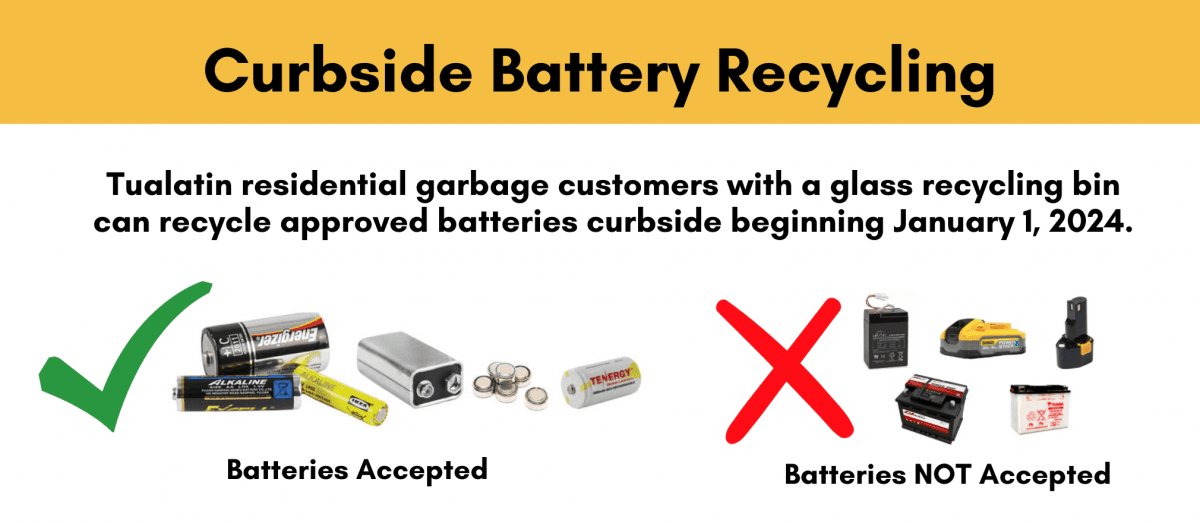
Credit: www.tualatinoregon.gov
Step-by-step Guide: How To Dispose Of A Lithium Battery Safely
1. Remove The Battery Properly
First, turn off your device. Unplug it from any power source. Use the right tools if you need to open the device. Avoid damaging the battery casing, as punctures can cause leaks or fires. If you’re unsure, check your device manual or ask a professional.
2. Inspect The Battery
Look for any signs of damage, swelling, or leaking. If you notice any of these, do not handle the battery with your bare hands. Place it in a non-flammable surface or container, like a metal box.
3. Store The Battery Safely
Until you can recycle the battery, store it in a cool, dry place away from flammable materials. Use a non-metallic, airtight container if possible. For extra safety, cover the battery terminals with non-conductive tape (like electrical tape). This prevents short-circuits that could start a fire.
4. Find A Battery Recycling Location
Do not place lithium batteries in your household recycling bin. Instead, use a certified recycling center or drop-off point. Many electronics stores (such as Best Buy or Home Depot), municipal waste centers, and even some supermarkets accept used batteries.
You can find drop-off locations using online tools or local government websites. The Call2Recycle program, for example, offers a locator for battery recycling in North America.
5. Transport The Battery For Recycling
When bringing batteries to a recycling center, keep them separate from each other and from metal objects. If transporting several batteries, place each in its own bag or wrap the terminals with tape.
6. Ask About Special Procedures
Some centers may have extra rules for damaged or swollen batteries. Always call ahead if you’re unsure. If the battery is from an electric car or a large device, you may need to use a special collection service.
Hidden insight: Not all recycling programs accept every type of lithium battery. Always check before your trip.
What Happens To Lithium Batteries At A Recycling Center?
When you recycle a lithium battery, it goes through several steps:
- Collection: Batteries are gathered from drop-off points.
- Sorting: Workers sort batteries by type and chemistry.
- Discharge: Some batteries are discharged to make them safer to handle.
- Dismantling: Machines or people remove the battery casing.
- Shredding: Batteries are shredded under controlled conditions to recover metals.
- Separation: Valuable materials like lithium, cobalt, and nickel are separated for reuse.
The recovered metals can be used to make new batteries, reducing the need for mining. This process also prevents pollution.
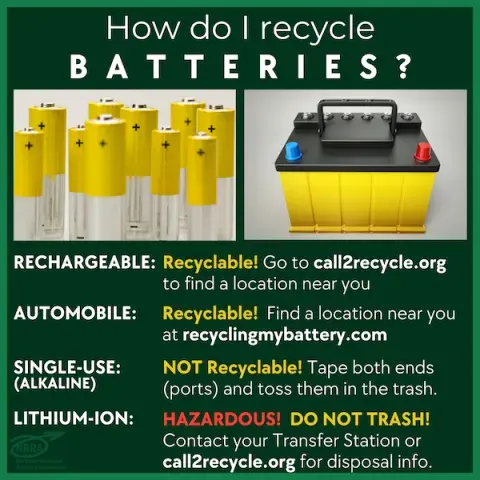
Credit: www.nhrecycles.org
Common Mistakes People Make With Lithium Batteries
Many people accidentally put lithium batteries in the trash or regular recycling. Others leave batteries in old devices, which can end up in landfills. Some try to destroy batteries themselves—which is very dangerous.
Here are common mistakes to avoid:
- Throwing batteries in the garbage
- Placing batteries in regular recycling bins
- Storing old batteries with metal objects (risk of short-circuit)
- Trying to puncture, burn, or crush batteries
- Storing swollen or leaking batteries at home for long periods
If you’re ever unsure, ask your local recycling center for advice.
Comparing Battery Disposal Methods
Here’s a quick comparison of common ways to get rid of lithium batteries:
| Method | Is it Safe? | Environmental Impact | Legal? |
|---|---|---|---|
| Regular trash | No | High (pollution, fire risk) | Often illegal |
| Household recycling bin | No | High (not processed correctly) | No |
| Certified recycling center | Yes | Low (materials reused) | Yes |
| Store drop-off point | Yes | Low | Yes |
Special Considerations For Different Devices
Not all lithium batteries are easy to remove or recycle. Here’s what you should know for common devices:
Smartphones And Laptops
Most modern phones and laptops have built-in lithium batteries. For these, it’s best to take the whole device to a certified electronics recycler. Don’t try to remove the battery unless you know how.
Electric Cars And E-bikes
Batteries from electric vehicles are large and can be dangerous if handled incorrectly. Contact the manufacturer or a specialized recycling service. Never attempt to disassemble these batteries yourself.
Power Tools And Toys
Remove the battery if possible. If you can’t, recycle the whole device. Some tool brands offer their own recycling programs.
Household Items
Devices like watches or hearing aids use small lithium primary batteries. Many jewelry stores or pharmacies accept these for recycling.
How To Tell If A Battery Needs To Be Recycled
Sometimes people aren’t sure when a battery is “used up.” Signs include:
- Device won’t turn on or hold a charge
- Battery is swollen or leaking
- Battery feels hot even when not in use
- Battery is past its recommended lifespan (usually 2-5 years for rechargeable types)
If you experience any of these, it’s time to recycle.
The Environmental Impact Of Improper Disposal
Lithium batteries contain heavy metals and chemicals that can be harmful if released into nature. For example, one AA-size lithium battery can pollute around 400 liters of water if it leaks. Fires caused by batteries in trash trucks or landfills are becoming more common, leading to property damage and pollution.
Recycling one ton of lithium-ion batteries recovers about 130 kg of copper, 35 kg of cobalt, and 20 kg of lithium. This reduces the need for mining and lowers greenhouse gas emissions.
What To Do If A Battery Is Swollen Or Leaking
Swollen or leaking batteries are dangerous. Here’s how to handle them:
- Do not touch leaking material with bare hands.
- Place the battery in a non-flammable container (like sand or a metal box).
- Store it away from people, pets, and flammable materials.
- Take it to a recycling center as soon as possible. Alert the staff that the battery is damaged.
Insider tip: Some fire departments will accept damaged batteries, especially if you can’t find a recycling site quickly.
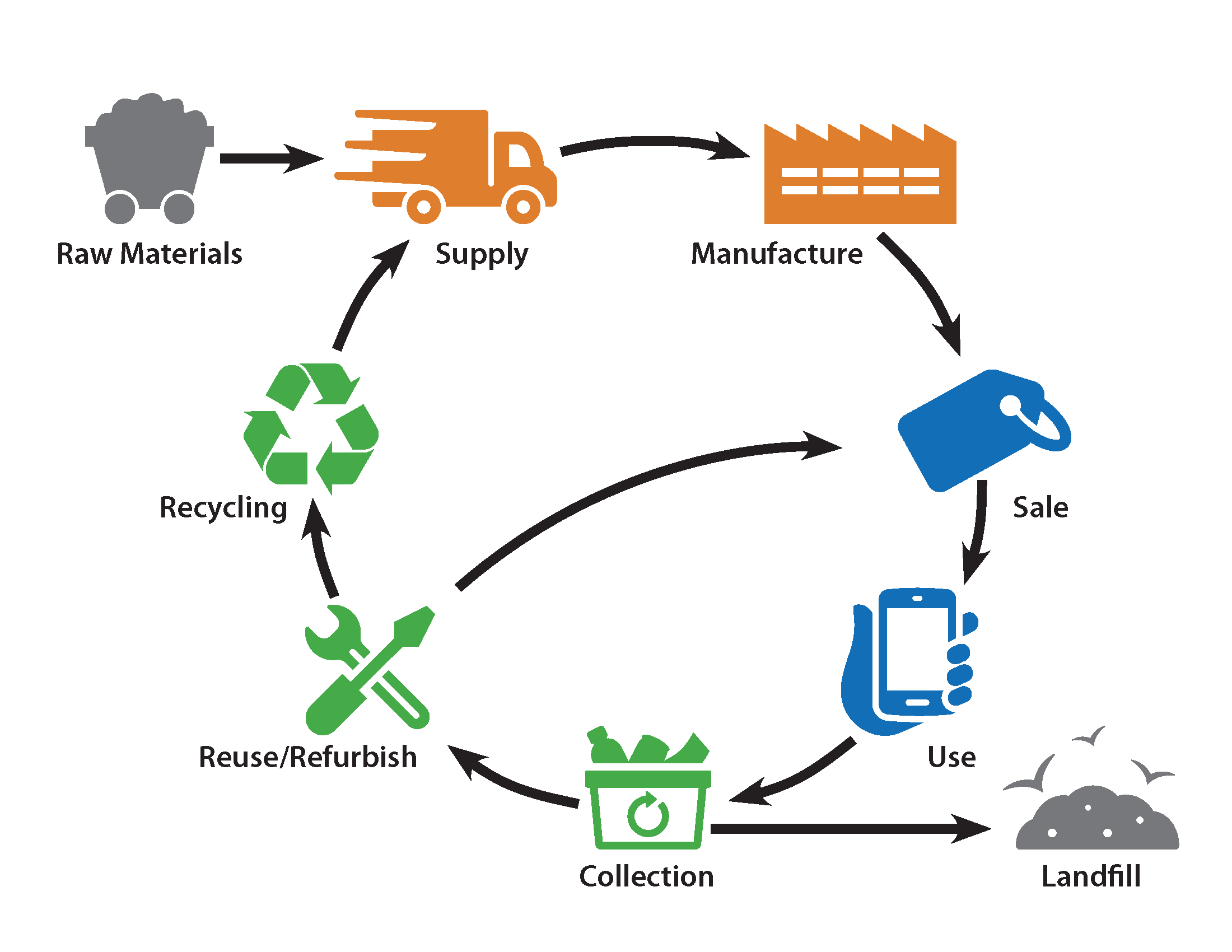
Credit: www.epa.gov
Laws And Regulations About Lithium Battery Disposal
Rules vary by country and region. In the European Union, Directive 2006/66/EC requires all batteries to be collected and recycled. In the US, the Battery Act and local laws in states like California and New York ban batteries from regular trash.
Penalties for breaking these laws can include fines or community service. Recycling is free in most places, so there’s no reason not to do it right.
For more details about international regulations, see the Wikipedia page on battery recycling.
Tips For Reducing Lithium Battery Waste
While recycling is important, reducing waste in the first place is even better. Here’s how you can help:
- Use rechargeable devices with replaceable batteries
- Buy higher-quality batteries that last longer
- Avoid buying gadgets you don’t need
- Take care of your batteries (avoid extreme heat or cold)
- Share old devices with others before recycling
Frequently Asked Questions
How Can I Tell If My Battery Is Lithium-based?
Most rechargeable batteries in electronics today are lithium-ion or lithium-polymer. Look for words like “Li-ion” or “LiPo” on the label. Primary (non-rechargeable) lithium batteries are often found in cameras, watches, and hearing aids.
Is It Safe To Throw Lithium Batteries In The Regular Trash?
No. It’s not safe and is often illegal. Lithium batteries can cause fires, leak chemicals, and pollute the environment.
What Should I Do With A Swollen Lithium Battery?
Don’t try to use, charge, or puncture it. Store it in a non-flammable container and take it to a recycling center as soon as possible. Inform the staff that the battery is swollen.
Where Can I Recycle Lithium Batteries Near Me?
Many electronics stores, hardware stores, and municipal recycling centers accept lithium batteries. You can also search online for local battery recycling programs or visit government websites for guidance.
Can I Recycle Lithium Batteries In My Curbside Recycling Bin?
No. Lithium batteries require special handling and should never go in your household recycling bin. Take them to a certified drop-off point or recycling center.
Proper disposal of lithium batteries is everyone’s responsibility. By following these steps, you protect yourself, your community, and the environment. With a little effort, you can make a big difference—one battery at a time.
