
Jigsaws are trusted tools for anyone who works with wood, metal, plastic, or even ceramics. But even the best jigsaw won’t deliver clean, fast cuts unless you use the right blade. The world of jigsaw blade types is bigger than many people realize. From material, tooth design, and shank style, to specialty applications, your choice can change everything about your project. This guide will help you understand every type of jigsaw blade, so you can pick the perfect one for your task—whether you’re a beginner or a seasoned pro.
Understanding The Basics Of Jigsaw Blades
Jigsaw blades may look similar, but their differences are important. The main features are:
- Shank type (how the blade fits into the jigsaw)
- Blade material
- Tooth design and count
- Blade width and length
- Specialty coatings or features
Choosing the right combination will save you time, reduce mistakes, and extend your tool’s life.
Jigsaw Blade Shank Types
The shank is the part of the blade that locks into your jigsaw. There are two main types:
T-shank Blades
T-shank blades are the most popular today. Their “T” shape allows for quick, tool-free changes in most modern jigsaws. Brands like Bosch, Makita, and DeWalt use T-shank as their standard.
- Pros: Easy to swap, less slipping, more stable.
- Cons: Not compatible with some old jigsaws.
U-shank Blades
U-shank blades have a “U” cut at the top. They were the standard for many years. Some jigsaws still use them, but they usually require a screwdriver or tool for blade changes.
- Pros: Widely available for older tools.
- Cons: Slower to change, less secure in modern saws.
Comparison: T-shank Vs. U-shank
| Feature | T-Shank | U-Shank |
|---|---|---|
| Blade Change Speed | Quick, tool-free | Requires tool |
| Compatibility | Modern jigsaws | Older jigsaws |
| Stability | High | Medium |
Non-obvious insight: Some new jigsaws can accept both shank types, but always check your model’s manual before buying blades.
Materials Used In Jigsaw Blades
The blade material affects durability and what materials you can cut. Here are the main types:
High Carbon Steel (hcs)
HCS blades are flexible and affordable. They’re ideal for soft woods, particle board, and plastics.
- Strengths: Cheap, flexible, great for curves.
- Weaknesses: Wears out fast on hard materials.
High Speed Steel (hss)
HSS blades are tougher, made for harder woods and non-ferrous metals like aluminum.
- Strengths: Last longer, resist heat.
- Weaknesses: Less flexible, can snap if bent.
Bi-metal
Bi-metal blades combine HCS and HSS. The teeth are HSS, the body is HCS.
- Strengths: Best of both worlds—flexibility and durability.
- Weaknesses: More expensive.
Tungsten Carbide
Tungsten carbide blades are made for cutting very hard or abrasive materials (ceramic, stainless steel, fiberglass).
- Strengths: Extremely durable, stays sharp longer.
- Weaknesses: Pricey, not as flexible.
Tooth Design And Tooth Count (tpi)
The teeth on your jigsaw blade decide how rough or smooth your cut will be. The main factors are tooth shape and teeth per inch (TPI).
Tooth Shapes
- Milled teeth: Larger, cut faster but rougher.
- Ground teeth: Sharper, finer finish.
Tpi (teeth Per Inch)
- Low TPI (6-10): Faster, rougher cuts (great for wood).
- Medium TPI (10-24): Good balance for plastics, soft metals.
- High TPI (above 24): Slow, smooth cuts—best for metal and laminates.
Non-obvious insight: For the cleanest finish on the top surface, pick a blade where teeth point downward (reverse tooth blades). Regular blades cut on the upstroke, which can splinter the surface.
Jigsaw Blade Width, Thickness, And Length
The size and shape of your blade matter for control and cutting depth.
Blade Width
- Narrow blades (1/4 inch or less): Good for curves and intricate shapes.
- Wide blades (over 1/4 inch): Straighter, faster cuts.
Blade Thickness
- Thin blades: Easier to turn, but can bend or wander.
- Thick blades: Stiffer, better for straight lines.
Blade Length
- Short blades (2-3 inches): Good control for thin materials.
- Long blades (4-6 inches or more): Needed for thick materials, but more likely to flex.
Types Of Jigsaw Blades By Application
Now, let’s match blade types to common materials and tasks.
Wood Cutting Blades
- Fast-cutting blades: Large teeth (6-8 TPI), milled.
- Fine-cutting blades: Smaller teeth (10-12 TPI), ground.
Metal Cutting Blades
- Soft metals (aluminum, copper): HSS or bi-metal, 14-18 TPI.
- Hard metals (steel, stainless): Tungsten carbide, 20-24 TPI or higher.
Plastic Cutting Blades
- Medium TPI (10-14): Prevents melting edges.
- Specialty blades: Sometimes use reverse teeth.
Ceramic And Tile Blades
- Carbide grit blades: No teeth—abrasive edge instead.
- Diamond blades: For hardest tiles; expensive but last long.
Laminate And Plywood Blades
- Reverse tooth blades: Teeth point down to protect the visible surface.
- Fine TPI: Clean finish, less chipping.
Specialty Blades
Some blades are made for very specific jobs:
- Scroll blades: Ultra-thin, tight curves.
- Downstroke blades: Teeth face down for laminate or veneer.
- Plunge-cut blades: Reinforced tip for cutting holes in the middle of material.
:max_bytes(150000):strip_icc()/jigsawblades-303fa25ccc3f4d9f8bf49354c44acef2.jpg)
Credit: www.woodmagazine.com
Quick Reference: Blade Type Vs. Material
| Material | Recommended Blade | TPI |
|---|---|---|
| Soft Wood | HCS, Fast-cut | 6-10 |
| Hard Wood | Bi-metal, Fine-cut | 10-14 |
| Plastic | HCS or HSS | 10-14 |
| Metal | HSS, Bi-metal | 14-24 |
| Ceramic/Tile | Carbide grit, Diamond | No teeth |
| Laminate | Reverse tooth, Fine TPI | 14-20 |
Tips For Choosing The Right Jigsaw Blade
- Know your jigsaw’s compatibility. Check if you need T-shank or U-shank.
- Match blade material to what you’re cutting. HSS for metal, HCS for wood, carbide for tiles.
- Pick the right TPI. Lower for wood, higher for metal.
- Choose blade width for your cut. Narrow for curves, wide for straight lines.
- Use the right length. Longer blades for thicker materials, but keep them as short as possible for control.
- Try specialty blades for tricky jobs. Reverse tooth for laminates, scroll for patterns.
Common Mistakes When Selecting Jigsaw Blades
Many beginners waste time and materials because they:
- Use wood blades on metal (blades dull quickly)
- Choose high TPI for thick wood (cuts too slow, burns)
- Use long blades for thin material (less control, more vibration)
- Ignore blade compatibility (blade slips or doesn’t fit)
Pro tip: Always buy a few extra blades for each type. Blades wear out or can break, especially when you’re learning.
How To Extend The Life Of Your Jigsaw Blades
Proper use can double or triple your blade’s lifespan.
- Let the blade do the work. Don’t force the jigsaw; gentle pressure is best.
- Use the right speed. Harder materials need slower speeds.
- Keep the material stable. Clamp down your workpiece to prevent wobble.
- Clean sticky blades. Resin or melted plastic can build up—wipe with mineral spirits.
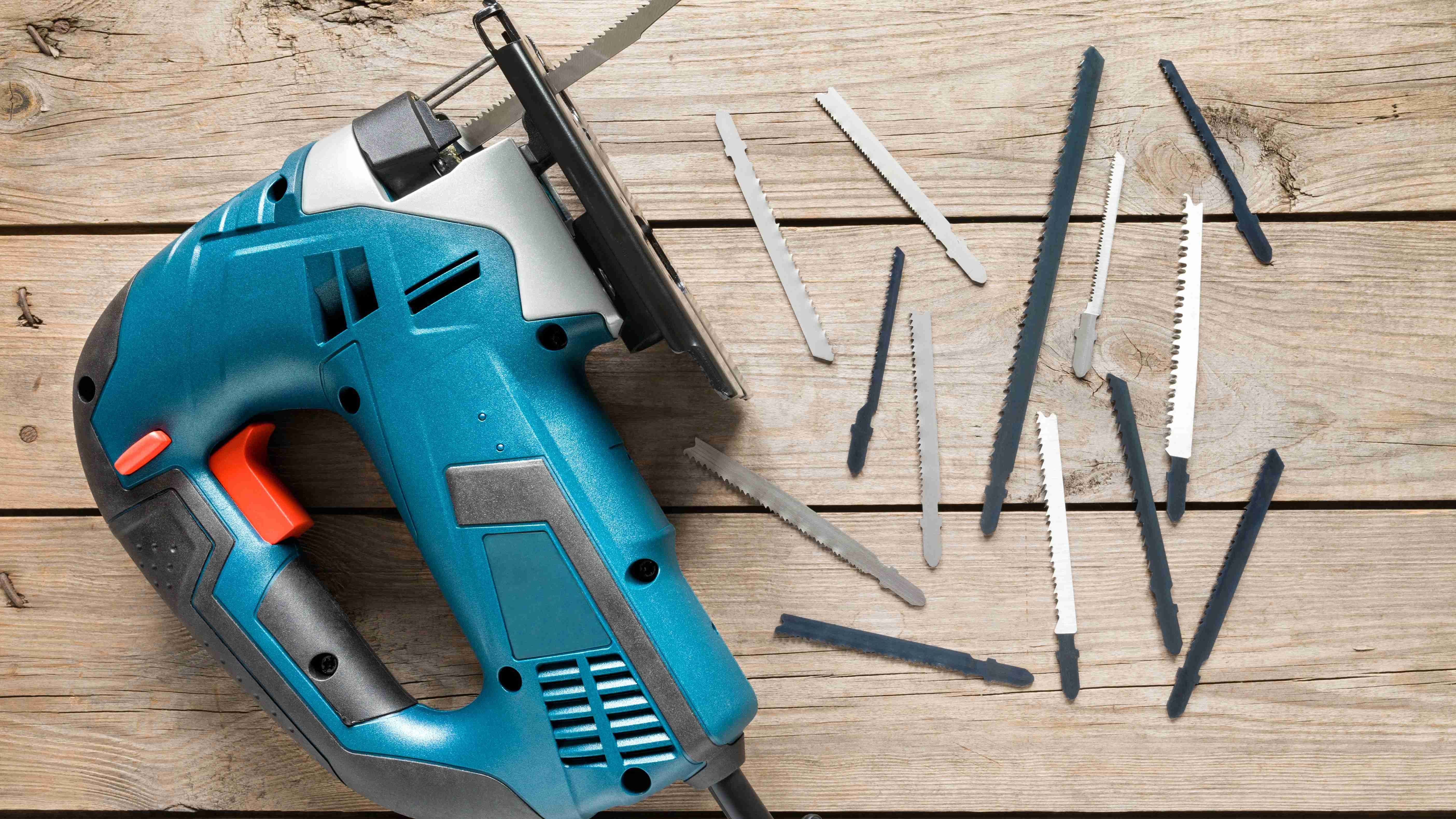
Credit: www.manomano.co.uk
When To Replace Your Jigsaw Blade
Don’t wait for a blade to break. Signs you need a new one:
- The cut becomes rougher or burns.
- The jigsaw vibrates more than usual.
- The blade wanders or bends easily.
- It takes much longer to finish a cut.
A dull blade is not just slower—it’s also dangerous.
Top Brands For Jigsaw Blades
Some reliable manufacturers include:
- Bosch
- DeWalt
- Makita
- Lenox
- Milwaukee
Most big brands offer kits with several blade types for beginners.
Real-world Examples
If you’re making a kitchen shelf from plywood, a reverse-tooth, fine TPI blade will help you get smooth, chip-free edges.
Cutting a hole in a countertop for a sink? Start with a plunge-cut blade to make the starter hole, then switch to a wide, fine-tooth blade for straight cuts.
Working with ceramic tiles? A tungsten carbide grit blade will cut without cracking the tile, while a normal toothed blade would quickly wear out.
Helpful Resources
If you want to learn more about blade materials and uses, check out the Wikipedia page on jigsaws.

Credit: www.highlandwoodworking.com
Frequently Asked Questions
What Is The Difference Between T-shank And U-shank Jigsaw Blades?
T-shank blades have a “T” shape at the end and are designed for tool-free, quick changes in most modern jigsaws. U-shank blades have a “U” at the top and often require a screwdriver or tool to change. T-shank is now more common, but always check your jigsaw’s compatibility.
Can I Use The Same Blade For Wood And Metal?
It’s best to use blades made for each material. Wood blades have fewer, larger teeth and are usually HCS. Metal blades have more, smaller teeth and are HSS or bi-metal. Using the wrong blade can ruin your work and dull the blade quickly.
How Do I Prevent Splintering When Cutting Plywood Or Laminate?
Use a reverse-tooth blade (teeth point down) or a fine TPI blade. Also, place painter’s tape over the cut line to minimize chipping, and cut slowly.
Why Does My Blade Keep Bending Or Wandering Off The Line?
You may be using a blade that is too thin, too long, or not stiff enough for straight cuts. Try a wider, thicker blade for straight lines, and don’t force the tool—let the blade cut at its own speed.
What Is The Best Blade For Cutting Ceramic Tiles?
For tiles, use a tungsten carbide grit or diamond-coated blade. These have abrasive edges instead of teeth, so they grind through hard materials without cracking them.
Choosing the right jigsaw blade can transform your DIY results. With the knowledge from this guide, you’ll be ready to tackle any project confidently and safely. The right blade is as important as the right tool—so take your time, and you’ll see the difference in every cut.
