
Makita Vs Dewalt Battery Comparison
Choosing the right power tool brand can make or break your work experience. For many, the debate comes down to Makita vs Dewalt—especially when it comes to batteries. Both companies have built strong reputations for reliability, innovation, and quality, but their battery systems take very different approaches. Whether you’re a DIY enthusiast or a professional contractor, understanding the differences can save you time, money, and frustration. This guide gives you a clear, practical look at Makita and Dewalt batteries so you can pick the best system for your needs.
Battery System Overview
Both Makita and Dewalt have invested heavily in their cordless tool platforms. The heart of each system is the battery. It powers everything from drills to saws to lawn equipment. But these brands use different designs and strategies.
Makita’s main system is the LXT 18V line, which started in 2005. Dewalt uses the 20V MAX system, launched around 2010. While the numbers (18V vs 20V) suggest a clear winner, the reality is more complicated. Voltage ratings can be measured in different ways (nominal vs max), meaning these two systems are closer than they sound.
Here’s a quick look at their main battery lines:
| Brand | Main System | Nominal Voltage | Max Voltage | Years Active |
|---|---|---|---|---|
| Makita | LXT | 18V | 18V | 2005-present |
| Dewalt | 20V MAX | 18V | 20V | 2010-present |
Key insight: The “20V MAX” label is mostly marketing. Both batteries use the same 5-cell lithium-ion packs. Their real working voltage is about 18V.
Battery Capacity And Runtime
A big question for any tool user is: How long will my battery last? This depends on the battery’s amp-hour (Ah) rating. Higher Ah means more energy and longer runtime. Makita and Dewalt both offer a wide range of capacities, from compact 2.0Ah packs to large 9.0Ah bricks.
Makita’s range:
- 1.5Ah, 2.0Ah (compact, lightweight)
- 3.0Ah, 4.0Ah, 5.0Ah (standard)
- 6.0Ah, 8.0Ah, 9.0Ah (high capacity)
Dewalt’s range:
- 1.5Ah, 2.0Ah (compact)
- 3.0Ah, 4.0Ah, 5.0Ah (standard)
- 6.0Ah, 8.0Ah, 9.0Ah, 12.0Ah (high capacity/FLEXVOLT)
While both brands offer similar sizes, Dewalt’s FLEXVOLT batteries can switch between 20V and 60V, providing more power for heavy-duty tools. Makita’s LXT sticks to 18V across all tools for maximum compatibility.
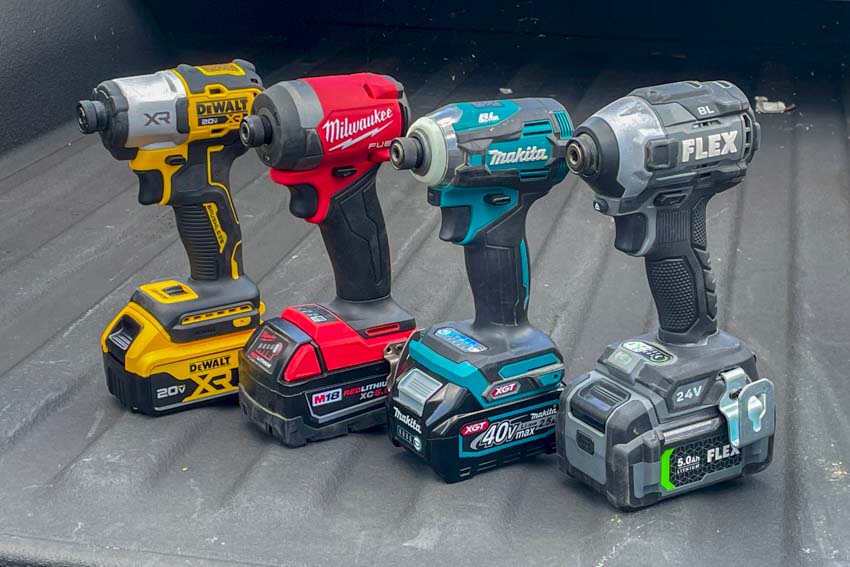
Practical example: If you use a 5.0Ah battery on a brushless drill, you might get about 1-2 hours of continuous drilling, depending on the material and speed. For tasks like drilling wood studs, most users find both brands deliver enough runtime for a full work session with a 5.0Ah battery.
Credit: www.protoolreviews.com
Charging Time And Chargers
No one wants to wait around while their batteries charge. This is where real differences appear. Makita is known for fast charging. Their rapid chargers use a fan to cool the battery, allowing higher charging rates without overheating. Dewalt’s chargers are reliable but usually take longer.
Here’s a side-by-side comparison:
| Battery Size | Makita Charge Time | Dewalt Charge Time |
|---|---|---|
| 2.0Ah | ~25 min | ~35 min |
| 5.0Ah | ~45 min | ~70 min |
| 6.0Ah | ~55 min | ~90 min |
Non-obvious tip: Faster charging means you can get by with fewer batteries. If you use Makita and keep a rapid charger on hand, you might only need two batteries for most jobs.
Battery Technology And Features
The technology inside each battery matters. Both brands use lithium-ion cells, but they add features to improve safety, lifespan, and performance.
Makita features:
- Star Protection: Prevents overheating, over-discharging, and overloading.
- Active cooling: Some chargers include built-in fans.
- Battery gauge: Later models have a fuel gauge, but older packs do not.
Dewalt features:
- Fuel gauge: Most batteries have a clear LED power meter.
- FLEXVOLT system: Batteries can change voltage for use in 20V and 60V tools.
- No active cooling: Chargers do not have battery fans.
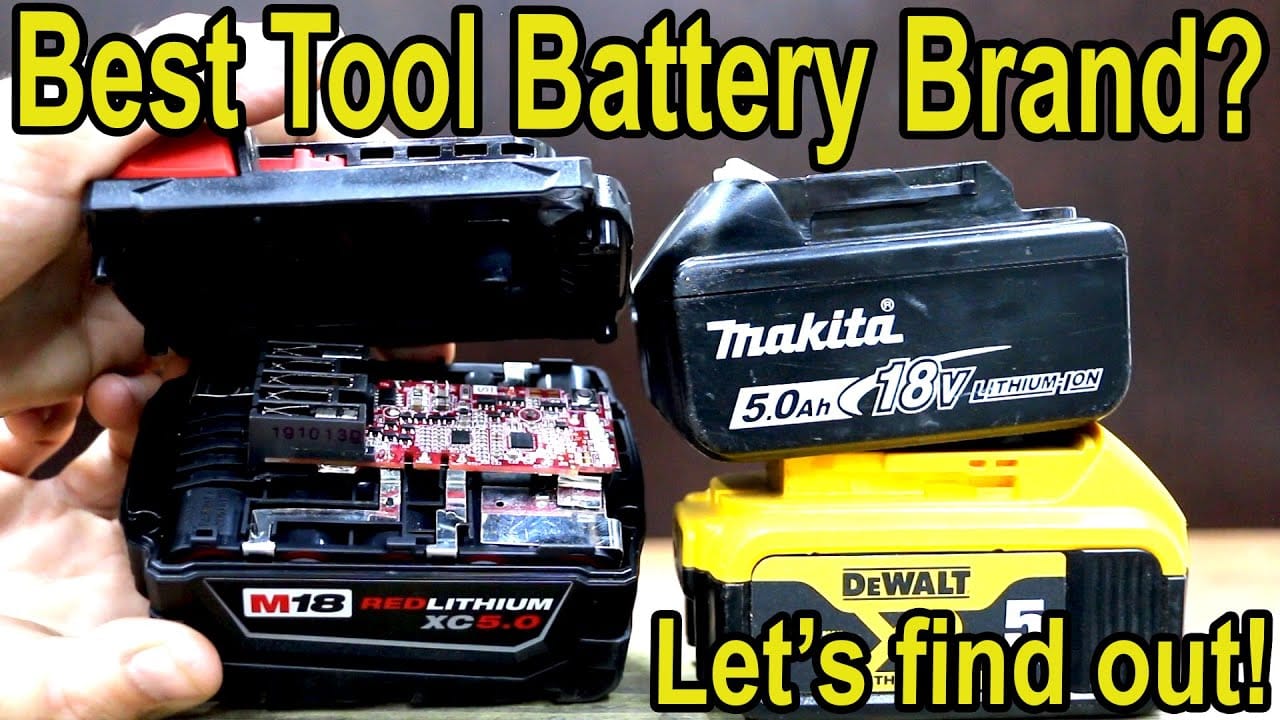
Overlooked detail: Dewalt’s FLEXVOLT batteries are physically larger and heavier, which can make small tools feel unbalanced. Makita’s batteries are more uniform in size, keeping tools lighter and easier to handle.
Credit: www.youtube.com
Compatibility And Backward Support
If you already own tools from one brand, battery compatibility is critical. Makita’s LXT system is famously consistent—all 18V LXT batteries work with all LXT tools. Even new high-capacity batteries fit older drills from the early 2000s.
Dewalt’s 20V MAX batteries fit all 20V MAX tools. However, their older 18V NiCad tools are not compatible without an adapter. Dewalt’s FLEXVOLT batteries also work with 20V MAX tools, but 20V MAX batteries do not work with 60V FLEXVOLT tools.
Non-obvious insight: If you’re planning to invest in outdoor equipment or high-power saws, Dewalt’s FLEXVOLT gives you access to a wider range of heavy-duty tools. Makita’s approach is more about keeping everything simple and universally compatible.
Durability And Lifespan
Tool batteries take a lot of abuse—drops, heat, cold, and heavy use. Both brands have reputations for solid durability. Users regularly report 3-5 years of life with regular use, sometimes longer if batteries are not abused.
Dewalt batteries:
- Good resistance to impacts
- Well-sealed against dust and moisture
- FLEXVOLT models are tough, but heavier
Makita batteries:
- Slightly lighter and more compact
- Good for high-vibration use (e.g., impact drivers)
- Some older packs lack a rubber bumper, making them a bit more vulnerable to drops
Practical tip: Avoid leaving any lithium-ion battery in extreme heat (like a hot car) or freezing temperatures. Both brands’ batteries will last longer with proper storage and care.
Price And Value
Price matters, especially if you need multiple batteries. Makita batteries are often a bit less expensive than Dewalt, especially for standard 3. 0Ah and 5. 0Ah packs. Dewalt’s FLEXVOLT batteries are among the most expensive on the market, reflecting their higher capacity and dual-voltage design.
Here’s a rough price comparison (as of 2024):
- Makita 5.0Ah: $90–$110
- Dewalt 5.0Ah: $100–$120
- Dewalt FLEXVOLT 9.0Ah: $180–$220
- Makita 6.0Ah: $120–$140
Pro tip: Prices can change based on sales, bundles, or region. Watch for combo kits that include extra batteries at a discount.
Availability And Third-party Options
Both Makita and Dewalt batteries are easy to find worldwide, both in stores and online. You’ll also see many third-party battery brands that promise high capacity at a lower price.
What to know:
- Third-party batteries often lack key safety features.
- They may not last as long or provide the same runtime.
- Using non-official batteries can void tool warranties.
Confident guidance: For professional or heavy use, stick with genuine batteries. The savings on a cheap pack can disappear quickly if it fails or damages your tool.
Which Brand To Choose?
The best choice depends on how you use your tools.
- Stick with your platform. If you already own Makita or Dewalt tools, stay with that system for full compatibility.
- Makita is best for: Fast charging, lightweight tools, and universal compatibility.
- Dewalt is best for: High-power tools, FLEXVOLT versatility, and longer-term expansion into heavy-duty equipment.
- For occasional users: Both brands are excellent. Choose based on tool feel and local price.
Real-world User Experiences
Talking to users gives more insight than specs alone. Many professionals say that Makita’s fast chargers are a major time-saver on the job site. Others appreciate the Dewalt FLEXVOLT system for serious power in demanding tasks like cutting concrete or heavy demolition.
A common mistake is mixing brands for different tools, which doubles the number of chargers and batteries you need. It’s smarter to commit to one system and buy tools “bare” (without batteries) to save money.
Credit: www.lmtpb-dz.com
Sustainability And Recycling
Both brands offer recycling programs for dead batteries. Lithium-ion batteries should never be thrown in the trash. Contact your local recycling center or retailer for safe disposal.
Dewalt has a partnership with Call2Recycle in North America, and Makita has similar programs in Europe and Asia. Responsible recycling keeps heavy metals out of landfills and helps recover valuable materials.
Frequently Asked Questions
Can I Use Dewalt Batteries In Makita Tools?
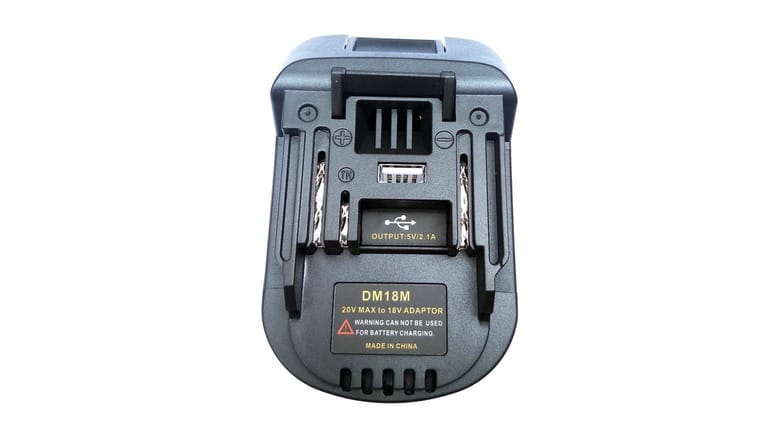
No, Dewalt and Makita batteries are not cross-compatible. Their battery shapes, connections, and electronics are different. Some third-party adapters exist, but they may damage your tool or battery and often void warranties.
Why Does Dewalt Say 20v And Makita Say 18v?
The difference is mostly marketing. Dewalt uses the “max” voltage (20V, measured at full charge), while Makita uses the “nominal” voltage (18V, the typical working voltage). Both batteries use the same type of cells.
Which Brand’s Batteries Last Longer?
With normal use, both Makita and Dewalt batteries last 3–5 years. The main factors are how you charge and store them. Dewalt FLEXVOLT batteries may degrade faster if used only on 20V tools due to their larger size and weight.
Are Third-party Batteries Safe To Use?
While third-party batteries are cheaper, they often lack advanced protection features found in official Makita and Dewalt packs. This can lead to shorter lifespan or even safety risks. For professional use, stick with genuine batteries.
Where Can I Find More Technical Details On These Batteries?
You can visit the official brand sites or technical guides. For more technical information, check out the Wikipedia page on lithium-ion batteries for a deep dive into how these batteries work.
Choosing between Makita and Dewalt batteries isn’t just about numbers—it’s about your workflow, tool lineup, and the kind of work you do. Both brands offer robust, reliable options. Focus on compatibility, charging speed, and the types of tools you plan to use most.
With the right system, you’ll spend more time working and less time waiting for a charge.
