
Choosing between the Milwaukee M18 and M12 battery systems can be confusing, especially if you’re new to power tools or want to upgrade your equipment. Both systems are popular, reliable, and designed by Milwaukee—one of the most respected names in cordless tools. But they are not the same. The differences between M18 and M12 batteries affect performance, weight, cost, and which tools you can use. Understanding these differences will help you make the right decision for your workshop, job site, or DIY projects.
This article will break down the 18 most important factors that set Milwaukee M18 and M12 batteries apart. You’ll learn about voltage, compatibility, power, size, runtime, charging, and more. Whether you’re a professional contractor or a weekend hobbyist, this guide will help you choose wisely and avoid common mistakes that new buyers often make.
1. Voltage Difference
The voltage of a battery determines how much power it can deliver. Milwaukee M12 batteries use 12 volts, while M18 batteries use 18 volts. This means M18 batteries can generally provide more power, which is essential for heavy-duty tools like circular saws, reciprocating saws, and hammer drills. In contrast, M12 batteries are better for lighter tasks such as drilling small holes, fastening, or working in tight spaces. The higher voltage in the M18 system allows it to run larger motors and handle demanding jobs.
2. Battery Size And Weight
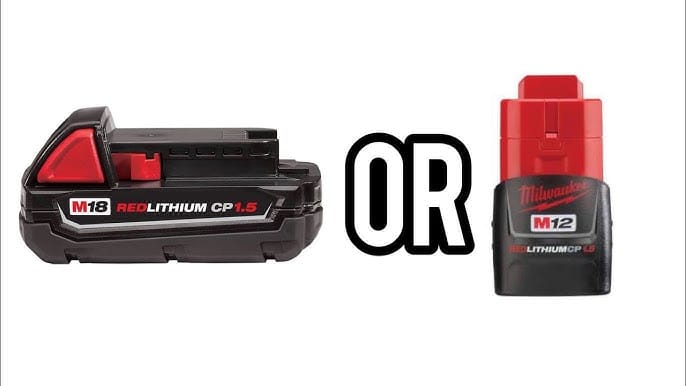
Size and weight are important, especially if you use your tools for long periods. M12 batteries are smaller and lighter than M18 batteries. This makes M12 tools more comfortable to hold and easier to use in tight or awkward spaces. For example, an M12 battery might weigh around 0.5 pounds, while an M18 battery can weigh over 1 pound. If you need to work overhead or carry your tools all day, the lighter M12 system can reduce fatigue.
3. Tool Compatibility
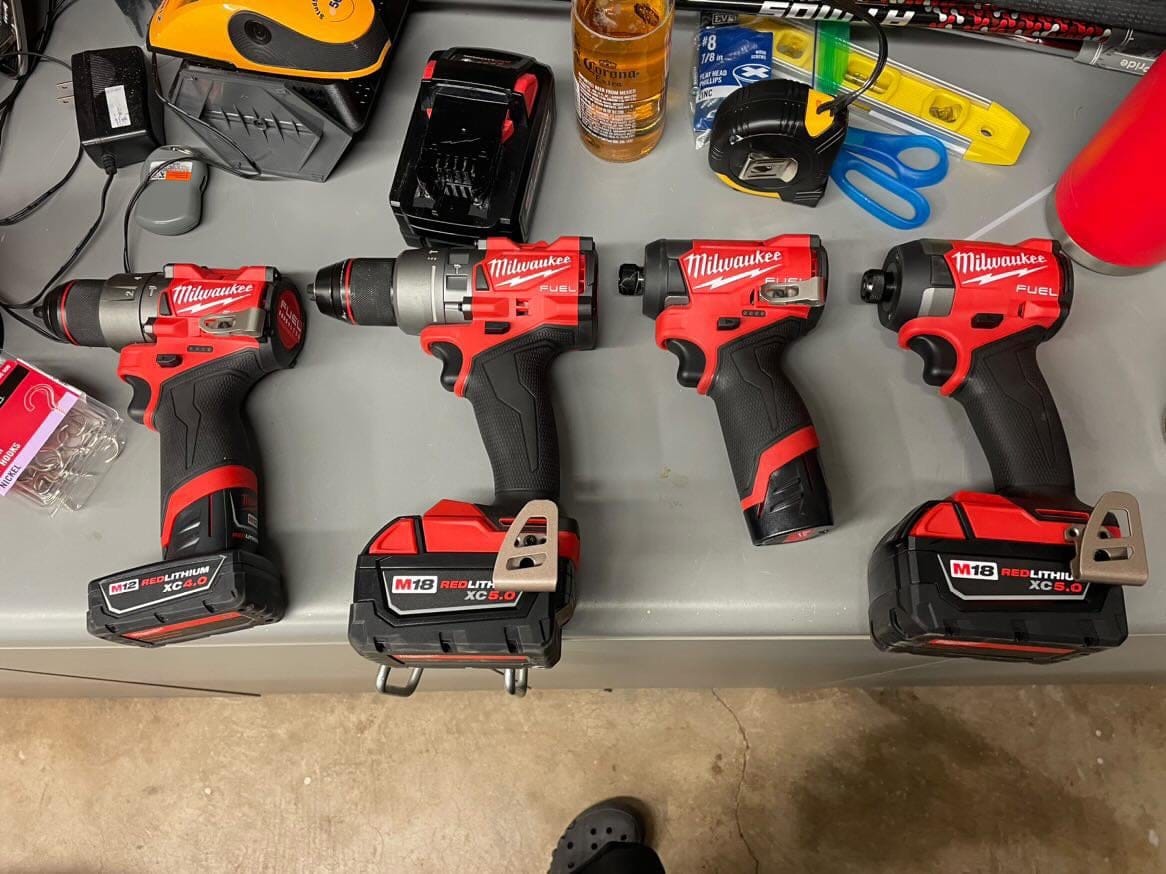
Milwaukee’s battery systems are not cross-compatible. M12 batteries only fit M12 tools, and M18 batteries only fit M18 tools. This means you cannot use an M12 battery in an M18 tool or vice versa. If you already own several Milwaukee tools, it’s smart to stick with the same system to avoid buying new batteries and chargers.
The M18 lineup covers larger, more powerful tools, while the M12 line focuses on compact, lighter tools.
4. Power And Performance
If you need maximum power, the M18 battery is the better choice. With 18 volts, it can handle more demanding applications—like cutting thick wood, drilling large holes, or using high-torque impact wrenches. The M12 system is good for less demanding jobs. For example, an M18 impact driver can deliver up to 2,000 inch-pounds of torque, while an M12 model typically maxes out around 1,200 inch-pounds. Think about the type of work you do most often when choosing.
5. Runtime And Battery Capacity
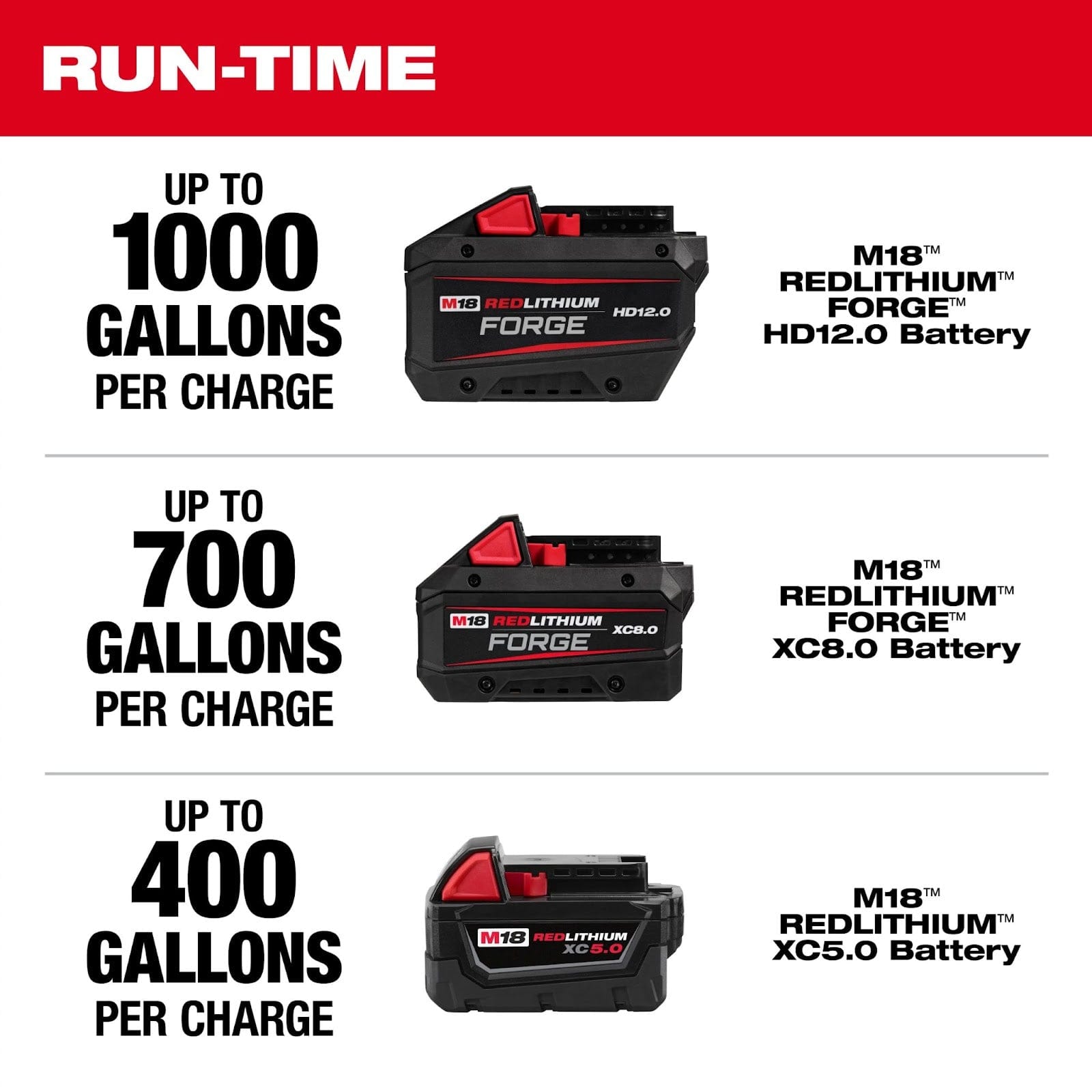
Runtime depends on both the voltage and the amp-hour (Ah) rating of the battery. M18 batteries often come in higher capacities (like 5.0Ah, 8.0Ah, or even 12.0Ah), while M12 batteries usually top out at 6.0Ah. This means M18 batteries can run tools longer between charges. For example, an M18 5.0Ah battery will usually outlast an M12 6.0Ah battery on the same type of task, simply because of the higher voltage and energy storage.
6. Tool Selection
The range of available tools is much wider for the M18 system. Milwaukee offers over 200 different tools in the M18 lineup, including heavy-duty saws, grinders, and outdoor equipment. The M12 system has a smaller, but still impressive, selection (over 100 tools), focused mainly on compact drills, ratchets, and inspection cameras. If you want one battery for many different tools, M18 gives you more options.
7. Charging Time
Charging speed matters, especially if you use your tools all day. M12 batteries are smaller, so they usually charge faster. For example, an M12 2.0Ah battery can charge in about 30 minutes with a standard charger. An M18 5.0Ah battery may take 60 minutes or more. However, Milwaukee offers rapid chargers for both systems, which can cut charging times in half. Still, the larger M18 batteries will always take a little longer due to their size.
8. Price And Value
Price is often a deciding factor. M12 batteries and tools are generally less expensive than M18 products. For example, an M12 2.0Ah battery might cost around $40, while an M18 5.0Ah battery can cost over $100. Tool kits with M12 batteries are also cheaper. However, the M18 system gives you more power and flexibility, which could be a better long-term investment if you need high performance.
9. Ergonomics And Comfort
Because M12 batteries are smaller and lighter, M12 tools are usually more ergonomic. They fit better in small hands and are easier to use for detailed or overhead work. M18 tools are bulkier, but their extra weight can help control powerful tools during heavy tasks. If comfort and maneuverability are your top concerns, the M12 system may be the better fit.
10. Battery Technology
Both M12 and M18 batteries use lithium-ion technology, which means they hold a charge longer, have no memory effect, and can be recharged many times. Milwaukee also offers REDLITHIUM versions of both batteries, which last longer and perform better in cold weather. The main technical difference is the number of cells: M12 batteries typically have 3 to 6 cells, while M18 batteries have 5 to 10 or more. More cells mean more power and longer life.
Credit: www.youtube.com
11. Durability And Build Quality
Milwaukee is known for tough, reliable tools. Both M12 and M18 batteries have protective housings and smart electronics to prevent overheating or overcharging. The REDLITHIUM line adds even more durability, with better resistance to drops and vibration. However, the larger M18 batteries are often built to withstand more abuse, since they’re used in heavier equipment.
12. Cold Weather Performance
If you work outside or in unheated spaces, battery performance in the cold matters. Milwaukee’s REDLITHIUM batteries perform well in low temperatures, sometimes delivering up to 20% more work per charge in cold conditions compared to standard lithium-ion batteries. Both M12 and M18 benefit from this, but M18 batteries tend to hold up better in extreme conditions due to their larger size and energy reserve.
13. Portability
M12 batteries are unbeatable for portability. They fit in a pocket or small pouch, and the tools are easy to carry. If you need to move around a lot or work in tight places—like inside cabinets, under sinks, or on a ladder—the M12 system shines.
M18 tools and batteries are heavier, so they’re less convenient for “grab and go” tasks.
14. Smart Features
Milwaukee’s REDLINK PLUS intelligence is built into many M12 and M18 batteries. This system communicates between the battery, tool, and charger to optimize performance and protect against overheating and overloading. Some higher-end M18 batteries even include One-Key technology, which allows you to track your batteries and customize tool settings through your phone. Most M12 batteries do not have this advanced feature.
15. Flexibility For Pros And Diyers
Professionals often need the extra power and runtime of the M18 system, especially for construction or trade jobs. However, DIYers and homeowners may find the M12 system more than enough for common tasks—like assembling furniture, hanging pictures, or minor repairs.
The smaller size and lower price make M12 a smart choice for light-duty use, while M18 is better for regular, heavy-duty work.
16. Battery Availability And Aftermarket Options
M18 batteries are more widely available, both in stores and online, because the M18 system is more popular among professionals. There are more aftermarket options for M18, including third-party batteries and accessories. This can make it easier to find replacements or deals.
However, be careful with non-Milwaukee batteries—using cheap knockoffs can damage your tools or void your warranty.
17. Expansion And Future-proofing
Milwaukee continues to expand both the M12 and M18 lines, but the M18 system receives more frequent updates and new tool releases. If you plan to grow your tool collection over time, the M18 platform gives you more room to expand. For example, recent additions include outdoor power equipment and specialty trade tools that are not available in the M12 line.
18. Common Mistakes To Avoid
Many people make mistakes when choosing between M12 and M18. Here are two common ones:
- Mixing systems too early: Buying one or two tools from each system can become expensive fast, as you’ll need separate batteries and chargers. Stick to one system for better value.
- Overestimating needs: Some buyers choose M18 when they only do light work, which means paying more for power they’ll never use. Be honest about your tasks—an M12 drill can handle most home projects.
Another overlooked mistake is ignoring battery capacity. Some users buy the cheapest batteries, only to find out they need to recharge constantly. Always check the amp-hour rating and choose a battery that matches your usage.
M18 Vs M12: Side-by-side Data
To help you compare the two systems, here’s a quick overview using real-world specs.
| Feature | M12 Battery | M18 Battery |
|---|---|---|
| Voltage | 12V | 18V |
| Weight (2.0Ah) | ~0.5 lbs | ~1.0 lbs |
| Max Capacity | 6.0Ah | 12.0Ah |
| Tool Lineup | 100+ tools | 200+ tools |
| Price Range | Lower | Higher |
When Should You Choose M12 Or M18?
If you’re still unsure, here are some scenarios to help you decide:
- Choose M12 if you mostly do light work, need maximum portability, or want to keep costs low.
- Choose M18 if you need power for heavy jobs, plan to buy a wide range of tools, or want the longest possible runtime.
Credit: www.redtoolstore.com
Real-world User Experience
Many professionals own both systems for different tasks. For example, a plumber might use M12 tools for tight spaces under sinks and M18 tools for cutting pipe. One non-obvious insight: M18 batteries can seem “overkill” for small jobs. Carrying extra weight just for basic drilling or fastening can slow you down. On the other hand, if you try to use M12 tools for large projects, you might burn through batteries quickly and wish you had more power.
Practical Buying Tips
- Start with a kit: Buying a starter kit with a tool, battery, and charger saves money.
- Consider future needs: Think about what other tools you might want in 1-2 years.
- Compare amp-hour ratings: Higher Ah means longer run time.
- Look for deals: Milwaukee often runs promotions, especially around holidays.
Key Differences At A Glance
Here’s another quick comparison to help you remember:
| Aspect | M12 | M18 |
|---|---|---|
| Best for | Light-duty, compact jobs | Heavy-duty, all-day use |
| Portability | Excellent | Good |
| Expansion | Moderate | Extensive |
| Smart Features | Basic | Advanced (One-Key) |
Non-obvious Insights
- Tool balance matters: The heavier M18 battery can make some tools feel unbalanced for fine work.
- Charger compatibility: Some Milwaukee chargers can handle both M12 and M18 batteries, so if you do mix systems, you won’t need two chargers.
Making the right battery choice is about more than just specs. Consider your work style, the space you work in, and how much you want to carry.
For official specifications and compatibility information, check the Milwaukee Tool website.
Credit: www.reddit.com
Frequently Asked Questions
What Is The Main Difference Between M18 And M12 Batteries?
The main difference is voltage. M18 batteries are 18 volts and deliver more power for heavy-duty tools, while M12 batteries are 12 volts and are better for compact, light-duty work.
Can You Use An M12 Battery In An M18 Tool?
No, M12 and M18 batteries are not cross-compatible. You must use the correct battery for your tool’s system.
Is The M18 System Worth The Extra Cost?
If you need high power and want to use a wide range of tools, the M18 system is worth the investment. For simple tasks, the M12 system is usually enough.
How Long Do Milwaukee Batteries Last?
Most Milwaukee lithium-ion batteries last 2–5 years with regular use. Proper care (like avoiding extreme temperatures) can extend their life.
Do Milwaukee Chargers Work With Both M12 And M18?
Some Milwaukee chargers accept both M12 and M18 batteries. Check the model before buying to ensure compatibility.
Selecting the right battery system will make your work easier and help you get the most from your Milwaukee tools. Now that you know all the critical differences, you can buy with confidence and avoid common mistakes.