Phillips Vs Flathead Screwdriver: Detailed Guide And Comparison
When you open your toolbox, you will usually see two types of screwdrivers: Phillips and flathead. These tools are everywhere—from home repairs and furniture assembly to car maintenance and electronics. But many people do not know why there are two main types, how they are different, and which one is better for certain jobs. Understanding the differences can help you work faster, avoid damaging screws, and pick the right tool every time.
This guide will help you see the real-world differences between Phillips and flathead screwdrivers. You’ll learn about their history, design, uses, advantages, disadvantages, and how to choose the best one for your needs. We’ll also look at some common mistakes, safety tips, and answer the most frequent questions.
What Is A Phillips Screwdriver?
A Phillips screwdriver has a tip shaped like a cross or “+”. It was invented in the 1930s by Henry F. Phillips. The cross shape fits into the matching cross-shaped slot on Phillips screws. The most common sizes are #0 to #4, with #2 being the most used for general household tasks.
Phillips screwdrivers are designed to help the tool grip the screw head better. The cross shape gives four contact points, making it easier to turn the screw with less slipping (a problem called “cam-out”). This feature is especially helpful when using electric drills or power tools.
What Is A Flathead Screwdriver?
A flathead screwdriver (also called a slotted screwdriver) has a flat, straight blade. The tip is shaped like a single line or “-”. This tool is much older than the Phillips—it’s been used for hundreds of years. Flathead screws have a simple, straight slot across the head.
Flathead screwdrivers come in many sizes, from very small (for eyeglasses) to very large (for heavy machinery). The blade should match the width of the screw slot for best results. If the blade is too small or too large, it can slip or damage the screw.
Design Differences And How They Matter
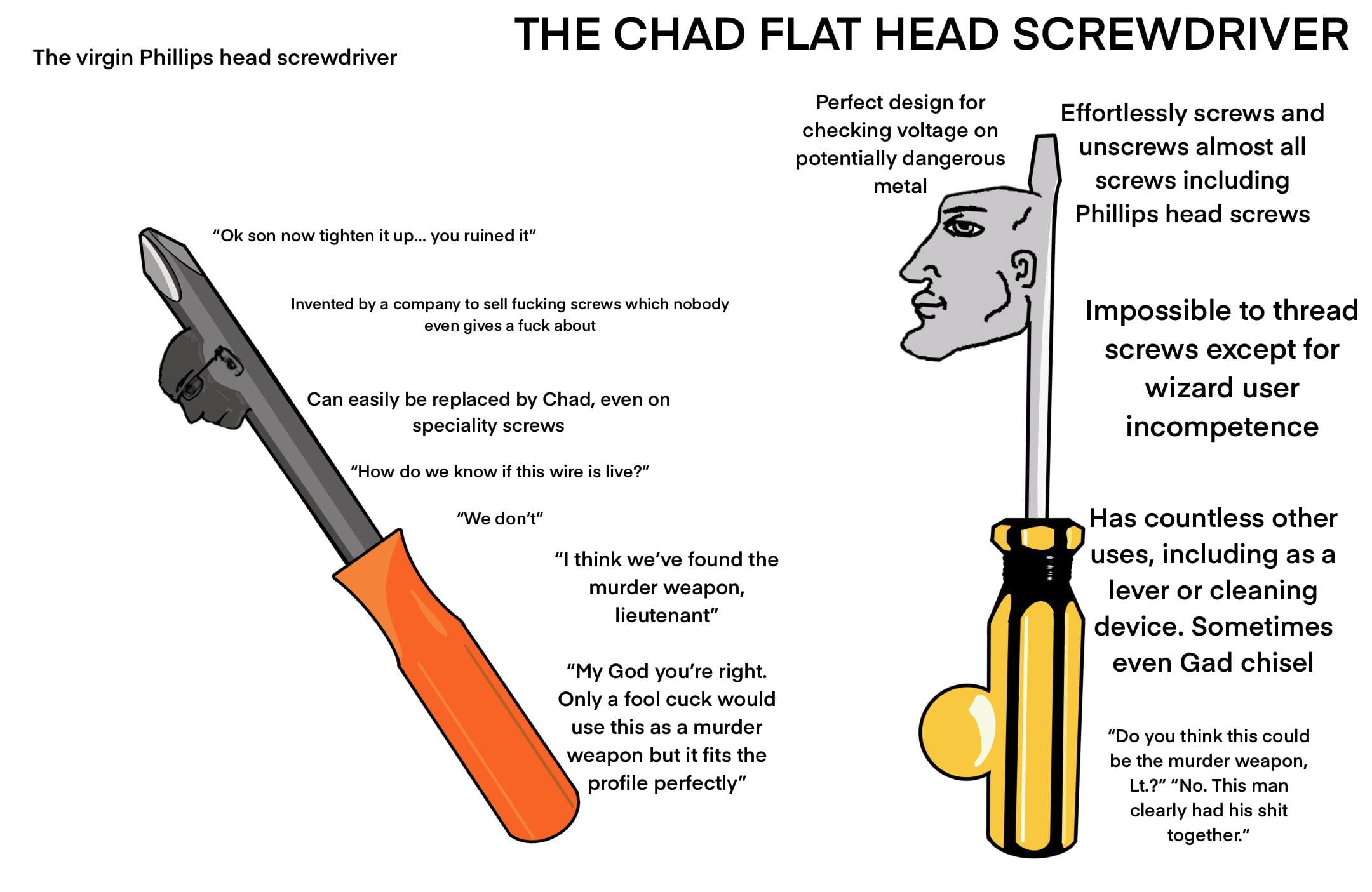
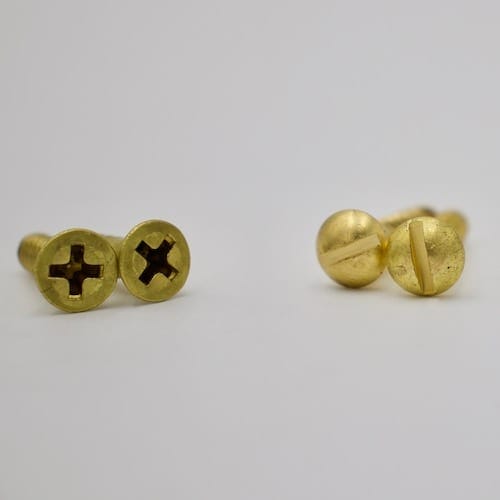
The main difference between Phillips and flathead screwdrivers is the shape of the tip:
- Phillips: Cross-shaped tip, fits into cross-shaped screw head
- Flathead: Flat, straight tip, fits into single-slot screw head
This design difference affects how each tool works and what it is best at.
| Feature | Phillips | Flathead |
|---|---|---|
| Tip Shape | Cross (+) | Flat (-) |
| Contact Points | Four | Two |
| Slip Resistance | High | Low |
| Common Uses | Electronics, Furniture, Cars | Woodwork, Electrical, Simple Repairs |
When To Use Phillips Screwdrivers
Phillips screwdrivers are used in many situations, especially where speed and grip are important. You will see Phillips screws in:
- Appliances (washing machines, microwaves)
- Automobiles (engine parts, dashboards)
- Electronics (computers, phones)
- Furniture (IKEA and other ready-to-assemble items)
- Construction (drywall, cabinets)
One big advantage: Phillips screwdrivers are less likely to slip out of the screw head, especially when you need to apply a lot of force or use a power drill. This makes them the top choice for mass production and assembly lines.
However, Phillips screwdrivers are not perfect. They are designed to “cam out” (slip out of the screw) when you use too much force. This protects the screw from being overtightened and breaking, but it can be annoying if you want a very tight fit.
When To Use Flathead Screwdrivers
Flathead screwdrivers are the oldest and simplest type of screwdriver. They are used in:
- Electrical work (outlets, switches)
- Woodworking (furniture, cabinets)
- Opening paint cans
- Tight spaces where only a straight slot fits
- General repairs (older machinery, vehicles)
Flathead screws are still common in places where you might need to remove and replace the screw many times. For example, electricians prefer flathead screws for outlets and switch plates, because the slot is less likely to get blocked by dirt or paint.
A flathead screwdriver can also be used for prying or scraping in a pinch—something you should never do with a Phillips.
Advantages And Disadvantages
It’s important to know not only what each screwdriver does, but also their strengths and weaknesses.
Phillips Screwdriver Advantages
- Better grip: The cross design reduces slipping.
- Works well with power tools: Less chance of stripping the screw.
- Fast assembly: Perfect for production lines.
- Self-centering: The tip finds the center of the screw easily.
Phillips Screwdriver Disadvantages
- Cam-out risk: Designed to slip under high force.
- Not as strong for very hard materials: Can strip the head if used incorrectly.
- Not universal: Only works with Phillips screws.
Flathead Screwdriver Advantages
- Simple design: Fewer moving parts, easy to use.
- Versatile: Can be used for prying, scraping, or as a chisel in emergencies.
- Fits many screw types: Works with slotted, some combination, and even some damaged screws.
Flathead Screwdriver Disadvantages
- Slips easily: The blade can jump out of the slot, damaging the screw or your hand.
- Can split wood: If overtightened, the slot can split softer materials.
- Less efficient with power tools: Harder to stay centered.

Credit: www.researchgate.net
Real-world Examples
Think about fixing a smartphone. Most modern phones use Phillips screws because they can be driven quickly and safely with power tools. But when you repair an old wooden chair, you will often find flathead screws because they were the standard for many years.
Another example is electrical work. Most wall outlets still use flathead screws. Electricians can easily remove or replace them, even if the slot is worn out.
Which Is Stronger? Comparing Grip And Torque
Many people ask which screwdriver gives more turning power (torque) and less chance of stripping the screw. Here’s a summary:
- Phillips screwdrivers are better for high-speed, low-torque jobs. They are designed to slip out before the screw head breaks.
- Flathead screwdrivers can handle higher torque but are more likely to slip and damage the screw or tool.
If you need to drive a screw very tightly—especially into hard material—neither is perfect. That’s why other types, like Pozidriv or Torx, exist for special jobs.
Common Mistakes People Make
Many beginners and even experienced DIYers make simple mistakes:
- Using the wrong size: Both Phillips and flathead screwdrivers come in many sizes. Using the wrong size will damage the screw and the tool.
- Applying too much force: Especially with flathead screwdrivers, too much force leads to cam-out and injury.
- Using a flathead for Phillips screws (or vice versa): This almost always strips the screw.
- Not matching the blade width: With flathead screwdrivers, the blade must match the width of the screw slot.
A non-obvious insight: Many people try to use one screwdriver for all tasks. This not only makes the job harder but also damages screws and tools over time. Always pick the right type and size for the best results.
How To Choose The Right Screwdriver
Choosing the right screwdriver is about more than just picking Phillips or flathead. Here are some key things to consider:
- Match the screw head: Always use a Phillips screwdriver with Phillips screws and a flathead for slotted screws.
- Check the size: The tip should fit snugly into the screw. Loose fits increase the risk of stripping.
- Handle comfort: Look for handles that are easy to grip and fit your hand.
- Material quality: Hardened steel tips last longer and resist bending.
- Length matters: Longer screwdrivers are better for hard-to-reach places, while short ones give more control.
A tip beginners often miss: The best screwdriver set will have several sizes of both Phillips and flathead types. This makes you ready for almost any job.
Credit: www.tutor-ev.de
Safety Tips
Using screwdrivers might seem simple, but accidents are common. Here are some safety tips:
- Keep your hand away from the tip. If the screwdriver slips, you can hurt yourself.
- Wear eye protection when working on hard materials. Chips can fly.
- Use the right tool for the job. Don’t use a screwdriver as a crowbar or chisel unless it is designed for it.
- Inspect your tools regularly. Worn or bent tips should be replaced.
Phillips Vs Flathead: Side-by-side Use Cases
Let’s look at some real situations where one is better than the other.
| Task | Best Tool | Reason |
|---|---|---|
| Assembling flat-pack furniture | Phillips | Fast, secure grip, common screw type |
| Repairing old wooden doors | Flathead | Matches older slotted screws |
| Electrical outlet installation | Flathead | Most outlets use slotted screws |
| Opening electronics | Phillips | Precision, less likely to slip |
| Scraping or prying small objects | Flathead | Flat blade is versatile |
Caring For Your Screwdrivers
To keep your tools working well:
- Clean the tips after use to remove dirt and oil.
- Store them in a dry place to prevent rust.
- Sharpen flathead tips with a file if they become rounded.
- Replace worn Phillips tips; they can’t be sharpened easily.
Investing in a good screwdriver set and caring for it will save you time and frustration in the long run.
Should You Use Power Tools?
Many people use drill drivers with screwdriver bits for speed. Phillips bits are perfect for this because they center themselves and resist slipping. Flathead bits can be used, but they are more likely to slip out and damage the screw or the workpiece.
For delicate jobs or where precise torque is needed, stick with a manual screwdriver.
The Evolution Of Screwdrivers
The flathead is the oldest, but Phillips was a big innovation in the 20th century. Today, there are even more types—like Pozidriv and Torx—designed to solve specific problems. But Phillips and flathead remain the most common worldwide.
If you want to see more about the history and development of screwdrivers, visit the Wikipedia screwdriver page.
Frequently Asked Questions
What Is The Main Difference Between Phillips And Flathead Screwdrivers?
The main difference is the shape of the tip. Phillips screwdrivers have a cross-shaped tip that fits into cross-shaped screws, while flathead screwdrivers have a flat blade that fits into a single slot.
Why Do Phillips Screwdrivers Slip Out Sometimes?
Phillips screwdrivers are designed to “cam out” (slip out) when you apply too much force. This prevents overtightening and protects the screw, but it can be frustrating if you need a very tight fit.
Can I Use A Flathead Screwdriver On A Phillips Screw?
No, using a flathead screwdriver on a Phillips screw can damage both the tool and the screw. Always use the correct type and size of screwdriver for the screw you have.
Which Screwdriver Is Better For Electronics?
Phillips screwdrivers are usually better for electronics because they fit well, are less likely to slip, and are used for most modern electronic devices.
How Can I Avoid Stripping Screws?
To avoid stripping screws, always use the right size and type of screwdriver, apply steady pressure, and do not use too much force. Replace worn screwdriver tips when they stop fitting snugly.
The right screwdriver can make any job easier, safer, and more enjoyable. Knowing when to use Phillips versus flathead—and why—will help you tackle projects confidently and protect your tools for years to come.
Credit: thecraftsmanblog.com
