A reciprocating saw is one of the most versatile power tools you can own. From demolition and remodeling to pruning trees or cutting metal pipes, this tool can handle tough jobs that other saws simply can’t. But the true power of a reciprocating saw is unlocked by its blade.
The right blade makes your job easier, safer, and faster. The wrong blade? It can slow you down, wear out quickly, or even ruin your project.
If you’ve ever stood in the hardware store staring at a wall of saw blades—each promising different features—you know choosing the right one isn’t easy. This guide will help you understand the different types of reciprocating saw blades, how to select the best one for your needs, and what to look out for as a beginner or experienced user.
What Is A Reciprocating Saw Blade?
A reciprocating saw blade is a replaceable cutting tool that attaches to the end of a reciprocating saw. As the saw moves the blade back and forth (reciprocates), the blade cuts through materials like wood, metal, plastic, or even masonry. The right blade will slice through tough materials with ease, while the wrong blade can bend, break, or leave a rough finish.
Blades come in many types, each designed for specific tasks. Factors like blade material, tooth pattern, and length all affect how well a blade will work for your project.
Key Types Of Reciprocating Saw Blades
Choosing the correct blade type is essential. Here are the main types you’ll find:
1. Wood Cutting Blades
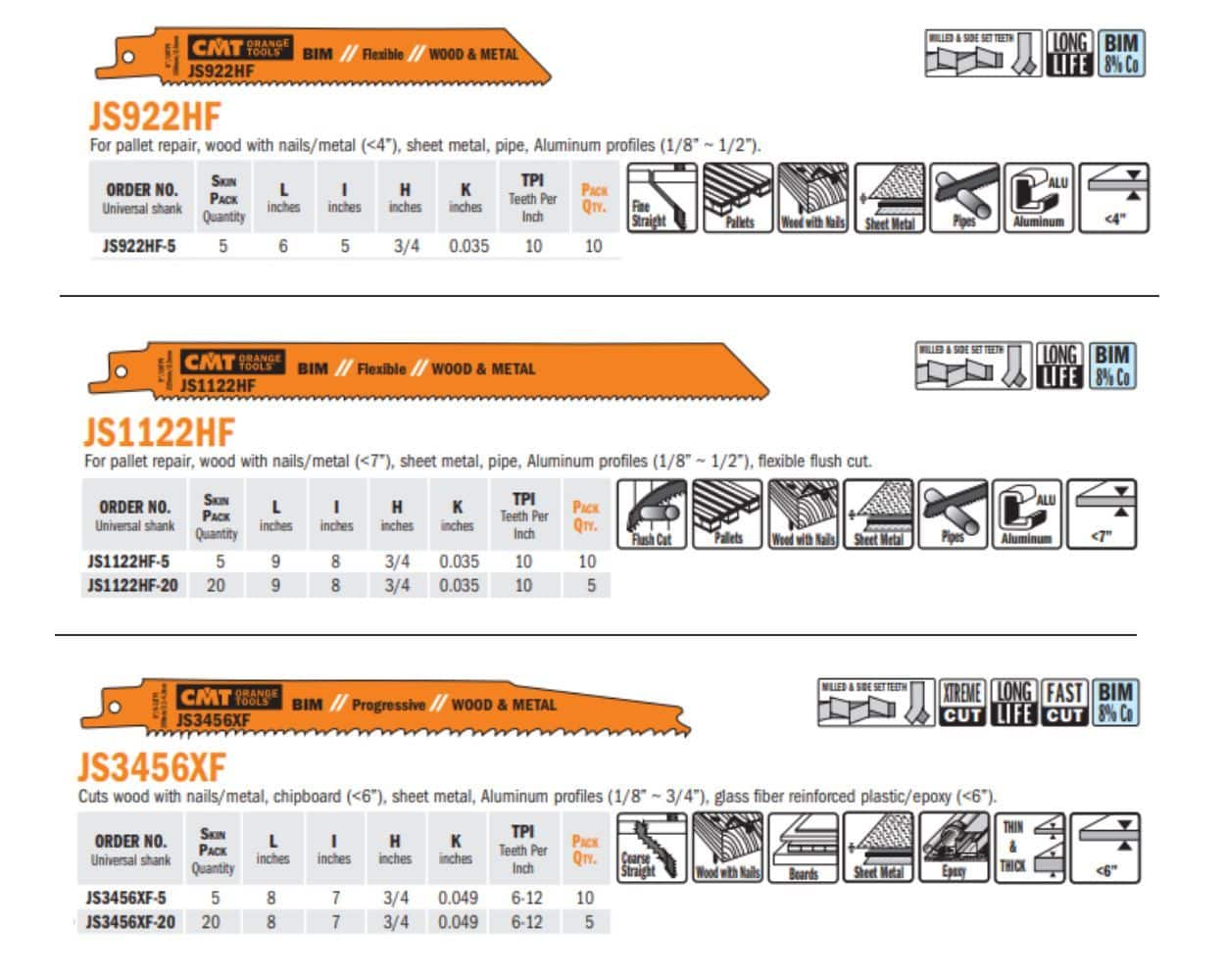
These blades are designed for cutting wood and sometimes nails embedded in wood. They have larger, widely spaced teeth for fast, aggressive cuts. Most wood blades are made from high carbon steel (HCS), which is flexible but wears out faster than some metals.
2. Metal Cutting Blades
To cut through metals like steel pipes, nails, or aluminum, you’ll need bi-metal or high-speed steel (HSS) blades. These have finer teeth (more teeth per inch, or TPI) and are harder, so they last longer when cutting tough materials.
3. Demolition Blades
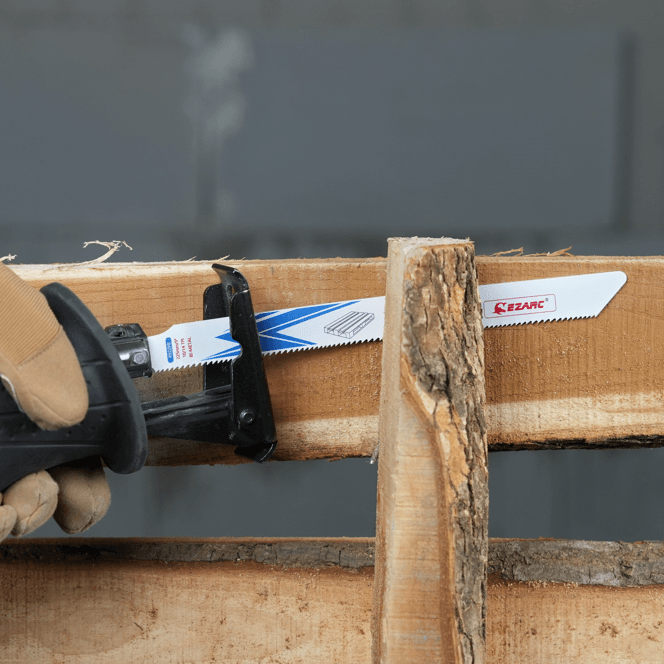
Demolition blades are built to survive harsh conditions. They are thicker and stronger, designed for cutting through wood, nails, and even light metal in renovation work. Demolition blades are usually made from bi-metal for flexibility and durability.
4. Pruning Blades
If you use your reciprocating saw for outdoor work, pruning blades are a good choice. They have extra-large teeth and a curved shape, making them ideal for cutting tree branches and wet wood.
5. Specialty Blades
Some blades are made for unique tasks:
- Masonry blades: Grit-edged, for cutting brick or tile.
- Plaster blades: Designed to cut drywall or plaster cleanly.
- Fire and rescue blades: Built for emergency situations, often with carbide grit for cutting cars or thick metal.
Blade Material: What Matters
The material of your blade affects its lifespan and performance. Here are the most common options:
- High Carbon Steel (HCS): Flexible and cheap, best for wood and softer materials. Wears out quickly on hard materials.
- High-Speed Steel (HSS): Harder and more heat-resistant, good for metal cutting. Less flexible, so they can snap if bent.
- Bi-Metal: Combines HCS and HSS for flexibility and durability. Great for multi-purpose use and demolition.
- Carbide-Tipped: Extremely tough, designed for cutting thick metal, cast iron, or masonry. Lasts much longer, but costs more.
A non-obvious tip: Many beginners choose the cheapest blades, but spending a little more on bi-metal or carbide-tipped blades often saves money in the long run, as these last many times longer—especially for demanding jobs.
Understanding Teeth Per Inch (tpi)
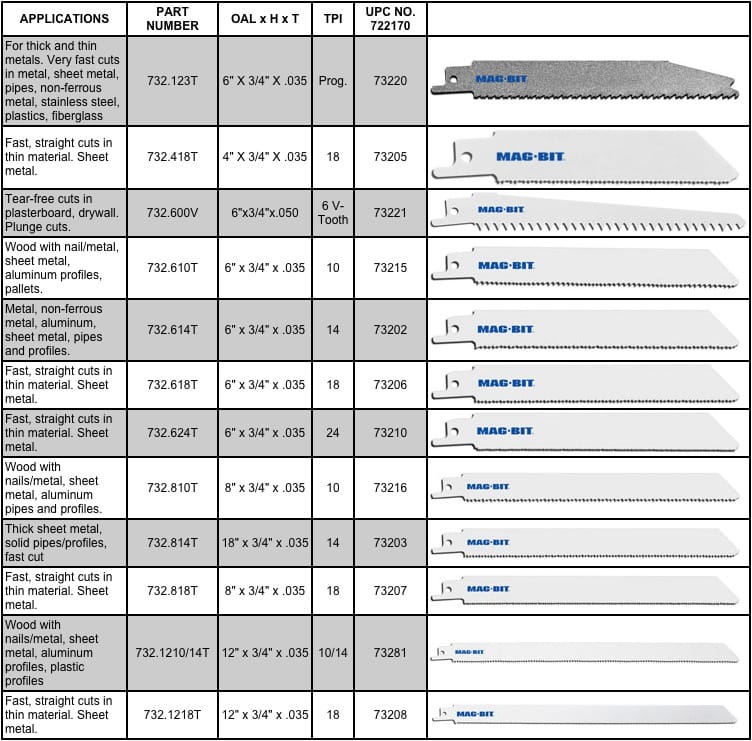
One of the most important specs on any reciprocating saw blade is TPI—the number of teeth per inch. TPI affects the speed and smoothness of your cut:
- Lower TPI (6–10): Faster, rougher cuts. Ideal for wood and pruning.
- Medium TPI (10–18): General-purpose, good for wood with nails or thin metal.
- Higher TPI (18–24+): Slower, smoother cuts. Best for metal, PVC, or finishing work.
Here’s a quick comparison to help you choose:
| Material | Recommended TPI | Blade Type |
|---|---|---|
| Wood (clean) | 6–10 | HCS, Pruning |
| Wood with nails | 10–14 | Bi-Metal, Demolition |
| Metal (pipes, conduit) | 14–24 | HSS, Bi-Metal |
| Plastic/PVC | 10–18 | Bi-Metal, HCS |
| Masonry | N/A (grit) | Carbide-Grit |
A practical insight: Beginners often use a blade with too high a TPI for wood, which makes the cut slow and burns the material. For most wood projects, a lower TPI is better and much faster.
Blade Length And Thickness: Why They Matter
Blades range from 3 inches to 12 inches long. The right length depends on your job:
- Short blades (3–6 inches): Better control, good for metal or tight spaces.
- Medium blades (6–9 inches): General purpose, good for most projects.
- Long blades (9–12 inches): Deeper cuts, demolition, or pruning.
Thickness and width also matter:
- Thicker blades are stronger and less likely to bend in demolition or heavy work.
- Wider blades make straighter cuts and resist vibration.
- Thin, narrow blades are flexible for making curved or plunge cuts.
Here’s how blade size compares for different tasks:
| Task | Blade Length | Blade Thickness |
|---|---|---|
| Metal cutting | 4–6 inches | 0.035–0.05 inches |
| Wood demolition | 6–9 inches | 0.05–0.062 inches |
| Pruning | 9–12 inches | 0.05–0.062 inches |
| Curved/flush cuts | 3–6 inches | 0.035–0.05 inches |
How To Choose The Right Blade For Your Project
Choosing the right blade involves a few simple steps:
- Identify the material: Wood, metal, plastic, or something else?
- Pick the right TPI: Lower for wood, higher for metal.
- Select blade material: HCS for soft wood, bi-metal for mixed materials, carbide for tough jobs.
- Choose the right length: Longer for deep cuts, shorter for control.
- Check thickness and width: Thicker/wider for demolition, thinner/narrow for finesse.
A non-obvious insight: Always use a blade at least 2 inches longer than the material you’re cutting. This gives enough space for the blade to move freely and keeps your cuts smoother.
Common Mistakes When Using Reciprocating Saw Blades
Even experienced DIYers make mistakes. Here are some to avoid:
- Using the wrong blade material: HCS blades on metal wear out fast or break.
- Using too short a blade: This can catch and kick back, which is dangerous.
- Not matching TPI to the material: The wrong TPI makes cutting difficult and wears out your blade.
- Pushing too hard: Let the saw do the work. Forcing the blade can bend or snap it.
- Overheating the blade: If your blade is smoking, slow down and let it cool—especially on metal.
Caring For Your Reciprocating Saw Blades
A little care extends your blades’ lifespan:
- Clean blades after use: Remove sap, resin, or metal shavings.
- Store in a dry place: Prevents rust.
- Check for bends or missing teeth: Replace damaged blades immediately.
- Use the right blade for each job: Don’t try to save a few dollars by forcing a wood blade through steel.
Credit: threadsource.com
Top Brands And Where To Buy
Some brands stand out for quality and reliability:
- Diablo
- Milwaukee
- DeWalt
- Lenox
- Bosch
You can buy reciprocating saw blades at hardware stores, tool shops, or trusted online retailers. For more in-depth details and reviews, you can visit the Family Handyman website.
When To Replace Your Blade
A worn-out blade will make your job harder and can damage your material or tool. Replace your blade if:
- It’s bent or twisted
- Teeth are missing or dull
- It produces more smoke or heat than usual
- The cut becomes slow or rough
Credit: woodshopbits.com
Safety Tips For Using Reciprocating Saw Blades
- Wear eye protection: Blades can throw debris.
- Use gloves: Protects your hands from sharp teeth.
- Secure your workpiece: Prevents slipping or binding.
- Let the blade stop before removing it: Avoids injury.
- Always unplug or remove the battery before changing blades
Advanced Tips: Getting The Most From Your Blades
- Lubricate when cutting metal: A drop of oil can keep your blade cooler and lasting longer.
- Use a variable speed saw: Slower speeds for metal, higher for wood.
- Start slow: Let the blade bite into the material before speeding up.
- Use a blade stabilizer or shoe: Reduces vibration and helps control your cut.
A tip that’s often missed: If you’re working on demolition, switch between two blades (one for wood, one for metal) rather than using a general-purpose blade for everything. This keeps both blades sharper for longer.
Credit: www.ezarctools.com
Frequently Asked Questions
What Is The Best Blade For Cutting Metal Pipes?
The best blade for metal pipes is a bi-metal blade with 14–24 TPI. These blades combine flexibility and durability, cutting through steel, copper, or aluminum pipes efficiently.
Can I Use A Wood Blade To Cut Plastic Or Pvc?
Yes, but it’s better to use a medium TPI blade (10–14 TPI). A blade made for wood will work, but one designed for plastic or PVC will give a smoother cut and reduce chipping.
How Do I Know When My Reciprocating Saw Blade Is Dull?
Signs of a dull blade include slow cutting, excessive vibration, or the blade burning or smoking. Visually, you may see rounded teeth or missing points.
Is It Safe To Cut Nails Or Screws With A Reciprocating Saw Blade?
Yes, but only with bi-metal or demolition blades designed for wood with nails. Never use a standard wood blade for cutting metal fasteners, as it will wear out or break quickly.
Are All Reciprocating Saw Blades Interchangeable?
Most blades fit the standard universal shank and work with any major brand of reciprocating saw. However, always check your tool’s manual to be sure.
Reciprocating saws are powerful, but the right blade makes all the difference. By understanding blade types, materials, and the best practices for your project, you can cut faster, safer, and with better results. Whether you’re tearing down walls or trimming tree branches, a well-chosen reciprocating saw blade turns a tough job into a smooth experience.
