Ryobi Vs Makita Battery Comparison
Choosing the right battery system can make a big difference in your tools’ performance, cost, and convenience. Many people face a tough decision between Ryobi and Makita battery platforms. Both brands are trusted, but they offer different strengths. If you’re starting a tool collection or considering a switch, understanding how their batteries compare is essential for saving money and working smarter.
This guide gives you a clear, practical look at Ryobi vs Makita battery comparison. You’ll see how the two brands match up in voltage, capacity, compatibility, charging, price, and more. By the end, you’ll know which battery system fits your needs.
Brand Overview
Ryobi is well known for making reliable tools for homeowners and DIY enthusiasts. Their 18V ONE+ battery system lets users power over 200 tools with the same battery. Ryobi focuses on affordability and flexibility.
Makita is a leader in professional-grade power tools. Their 18V LXT battery system powers more than 275 tools, with a strong reputation for durability and performance. Makita is often favored by contractors and serious hobbyists.
Battery Voltage And Chemistry
Both brands use 18V lithium-ion battery platforms for most cordless tools. Lithium-ion is preferred because it’s lightweight, holds charge well, and doesn’t suffer from “memory effect” like older batteries.
- Ryobi: The ONE+ system is 18V. Ryobi’s batteries are lithium-ion (Li-ion), though older models used nickel-cadmium (NiCd).
- Makita: LXT batteries are also 18V lithium-ion. Makita never made NiCd in this line, so all current batteries are modern.
A common misconception is that all 18V batteries are the same. In reality, differences in internal design, cell quality, and electronic controls can affect real-world performance.
Battery Capacity And Runtime
Battery capacity is measured in amp-hours (Ah). Higher Ah means more energy stored, allowing for longer tool runtime before recharging.
Ryobi offers 18V batteries in sizes from 1.5Ah to 9.0Ah. Popular options include:
- 1.5Ah (lightweight, good for drills)
- 4.0Ah (balance of weight and runtime)
- 6.0Ah and 9.0Ah (best for saws and heavy work)
Makita’s LXT batteries range from 1.5Ah up to 8.0Ah. Their most common packs are:
- 2.0Ah (compact, lighter)
- 5.0Ah (most popular, long runtime)
- 6.0Ah and 8.0Ah (for high-demand tools)
Here’s a quick look at popular models:
| Brand | Battery Size | Weight | Estimated Runtime (Drill, avg use) |
|---|---|---|---|
| Ryobi | 18V 4.0Ah | 1.6 lbs (730g) | ~1.5-2 hrs |
| Makita | 18V 5.0Ah | 1.5 lbs (680g) | ~2-2.5 hrs |
| Ryobi | 18V 6.0Ah | 2.1 lbs (950g) | ~2.5-3 hrs |
| Makita | 18V 6.0Ah | 1.7 lbs (770g) | ~2.5-3.5 hrs |
Makita batteries generally offer a better energy-to-weight ratio, so their batteries are often lighter for similar capacity.
Tool And Battery Compatibility
One big advantage of both brands is cross-compatibility. Ryobi’s ONE+ batteries fit every ONE+ tool sold since 1996. That means you can use a new battery in an old Ryobi drill or saw.
Makita’s LXT batteries work with all LXT tools. However, Makita has a few specialty lines (like 12V CXT) that are not compatible with their 18V system.
Non-obvious insight: Makita makes a “Star Protection” feature – a small symbol on the battery and tool that means they communicate to protect against overheating and overload. Not all older LXT tools support this, so check before buying used models.
Charging Time And Chargers
Fast charging is important for busy users. Ryobi and Makita both offer basic and rapid chargers.
- Ryobi’s standard charger: Charges a 4.0Ah battery in about 2 hours. Their “Super Charger” can do it in around 1 hour.
- Makita’s rapid charger: Charges a 5.0Ah battery in about 45 minutes, and a 6.0Ah in 55 minutes.
Makita’s chargers use a built-in fan to cool batteries during charging, which helps speed things up and extends battery life. Ryobi’s system is simpler, but their advanced chargers also have a cooling feature.
Quick comparison:
| Brand | Charger Model | Battery Size | Charge Time | Cooling Feature |
|---|---|---|---|---|
| Ryobi | PCG002 | 4.0Ah | ~120 min | No |
| Ryobi | P117 Fast Charger | 4.0Ah | ~60 min | Yes |
| Makita | DC18RC Rapid | 5.0Ah | ~45 min | Yes |
| Makita | DC18SD Standard | 5.0Ah | ~110 min | No |
Practical tip: If you do long projects, consider buying an extra charger or a rapid model. Faster charging can reduce downtime.
Battery Life And Durability
Battery life means two things: how long a battery lasts per charge, and how many recharges it survives before wearing out.
- Ryobi batteries last around 300-500 charge cycles.
- Makita batteries are rated for 500-1000 cycles, thanks to advanced electronics and cell quality.
Makita batteries are sealed better against water and dust, making them popular for outdoor and worksite use. Ryobi batteries are tough, but less resistant to drops and extreme weather.
Hidden insight: Battery lifespan depends heavily on storage and usage. Storing batteries in a hot car or using them in freezing weather can shorten their life, regardless of brand.
Credit: www.protoolreviews.com
Price And Value
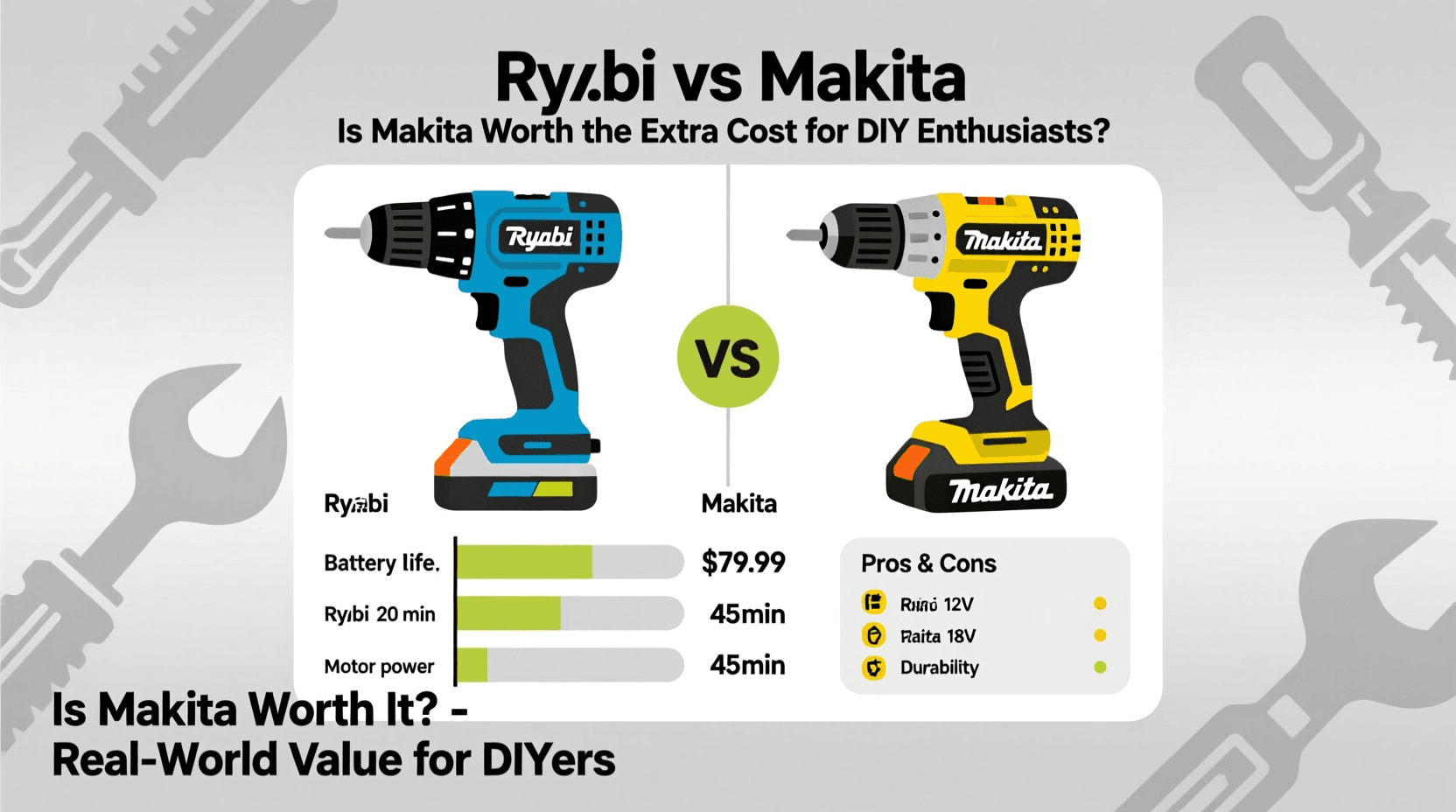
Ryobi batteries are usually much cheaper than Makita. For example, a 4.0Ah Ryobi battery costs about $60, while a similar Makita costs $100 or more.
Why the difference? Makita batteries use higher-grade cells, better electronics, and more rugged construction. Ryobi’s value is in its low cost and wide availability.
But: If you just need basic tools for home use, Ryobi offers great value. For heavy daily use, Makita’s batteries pay off in longer life.
Range Of Tools
Both brands offer a huge selection. Ryobi’s ONE+ line has more than 200 compatible tools: drills, saws, vacuums, fans, and even lawn mowers.
Makita’s LXT line has over 275 tools, with more pro-focused options like rotary hammers, angle grinders, and specialty construction tools.
If you want a system that grows with your needs, both brands deliver. However, Makita covers more high-demand trades, while Ryobi covers more home and garden tools.
Credit: www.youtube.com
Warranty And Customer Support
- Ryobi gives a 3-year warranty on batteries. Support is handled by Home Depot in the US.
- Makita also offers a 3-year warranty, but their service is more direct and has a strong reputation for quick replacements.
Customer service can be a deciding factor if you use your tools daily.
Availability And Third-party Options
Ryobi batteries are easy to find at big box stores and online. Makita is widely sold at tool suppliers and online too.
A unique point: Ryobi has many third-party battery makers, some offering larger capacities at low prices. However, using third-party batteries can void tool warranties and may be less safe.
Makita has fewer third-party options, but their official batteries are reliable.
Credit: www.alibaba.com
Real-world User Feedback
Professional reviews and user experiences matter. Most Ryobi users praise the value and flexibility, but note that batteries can overheat with heavy tools. Makita owners love the fast charging, lightweight feel, and long life, but dislike the higher price.
A common mistake: Beginners often mix battery types, buying a tool that needs a bigger battery than they own. Always check tool recommendations for minimum Ah ratings.
Which Brand Wins?
There’s no single “best.” Your choice depends on:
- Budget: Ryobi wins for affordability.
- Heavy use: Makita is better for daily, tough jobs.
- Tool selection: Both are strong, but Makita has more pro tools.
- Battery life: Makita lasts longer, charges faster.
If you’re a homeowner, Ryobi batteries are likely enough. For contractors or serious enthusiasts, Makita’s system is worth the investment.
Quick Reference Comparison
Here’s a side-by-side summary:
| Feature | Ryobi 18V ONE+ | Makita 18V LXT |
|---|---|---|
| Voltage | 18V | 18V |
| Capacity Range | 1.5Ah–9.0Ah | 1.5Ah–8.0Ah |
| Charge Time (4-5Ah) | 60–120 min | 45–110 min |
| Cycle Life | 300–500 cycles | 500–1000 cycles |
| Warranty | 3 years | 3 years |
| Price (4-5Ah) | ~$60 | ~$100 |
| Tool Compatibility | 200+ tools | 275+ tools |
Frequently Asked Questions
Are Ryobi And Makita Batteries Interchangeable?
No. Ryobi batteries only fit Ryobi tools, and Makita batteries only fit Makita tools. Their battery shapes and connections are different, so they cannot be swapped.
How Do I Know When To Replace A Battery?
Replace your battery if it loses charge quickly, won’t hold a charge, or the tool’s power drops sharply. Most Ryobi and Makita batteries have a “fuel gauge” button to check remaining charge.
Can I Use A Larger Ah Battery In My Old Tool?
Yes, you can use a higher Ah battery (like 6. 0Ah) in any Ryobi ONE+ or Makita LXT tool. It will run longer, but the tool’s weight will increase. Always use genuine batteries for best safety.
Does Charging Speed Damage Batteries?
Fast charging creates more heat, which can shorten battery life if the charger lacks cooling. Makita’s rapid chargers cool batteries during charging, reducing this risk. Ryobi’s basic chargers are slower but gentler.
Where Can I Learn More About Battery Safety?
You can read more about lithium-ion battery safety and maintenance at the CDC’s official battery safety page.
In the end, both Ryobi and Makita offer great battery systems. The right choice depends on your tools, budget, and how you use them. Consider your needs, and you’ll get the most from your investment.