
Teflon Tape Vs Pipe Dope: Which Is Best for Sealing Pipe Threads?
Plumbing leaks can be a major headache. Whether you’re installing a new shower or fixing a leaky faucet, getting a watertight seal on pipe threads is critical. Two products dominate this task: Teflon tape and pipe dope. Both aim to stop leaks, but their differences confuse even experienced DIYers and pros. Which should you trust for your project? Let’s break down how each works, where they shine, and what mistakes to avoid.
What Is Teflon Tape?
Teflon tape, also called PTFE tape, is a thin, white, non-stick film. You wrap it around the male threads of pipes before connecting them. The tape fills tiny gaps and acts as a lubricant, helping threads tighten smoothly and preventing leaks.
PTFE stands for polytetrafluoroethylene, a material with a very low friction surface. That’s why Teflon tape feels slippery and doesn’t stick to your fingers.
When Do People Use Teflon Tape?
Teflon tape is commonly used for:
- Water pipes (both hot and cold)
- Air lines in compressors
- Some gas lines (with the right tape grade)
Its main job is to seal threaded connections in metal or plastic pipes. It’s not for compression fittings, flared fittings, or pipes that use rubber washers.
What Is Pipe Dope?
Pipe dope is a sticky, paste-like material. You apply it with a brush or finger to pipe threads before screwing them together. Pipe dope fills microscopic gaps, creates a seal, and sometimes hardens slightly over time.
There are many types of pipe dope. Some are made for water, others for gas, oil, or chemicals. Each has a different formula, often using oils, resins, and fillers.
Where Is Pipe Dope Used?
Pipe dope is popular in:
- Metal pipe connections (like steel or brass)
- High-pressure applications
- Gas lines (with the correct product)
- Environments with vibration or temperature changes
Unlike Teflon tape, pipe dope can fill bigger imperfections in threads. Some types also add lubricating properties.
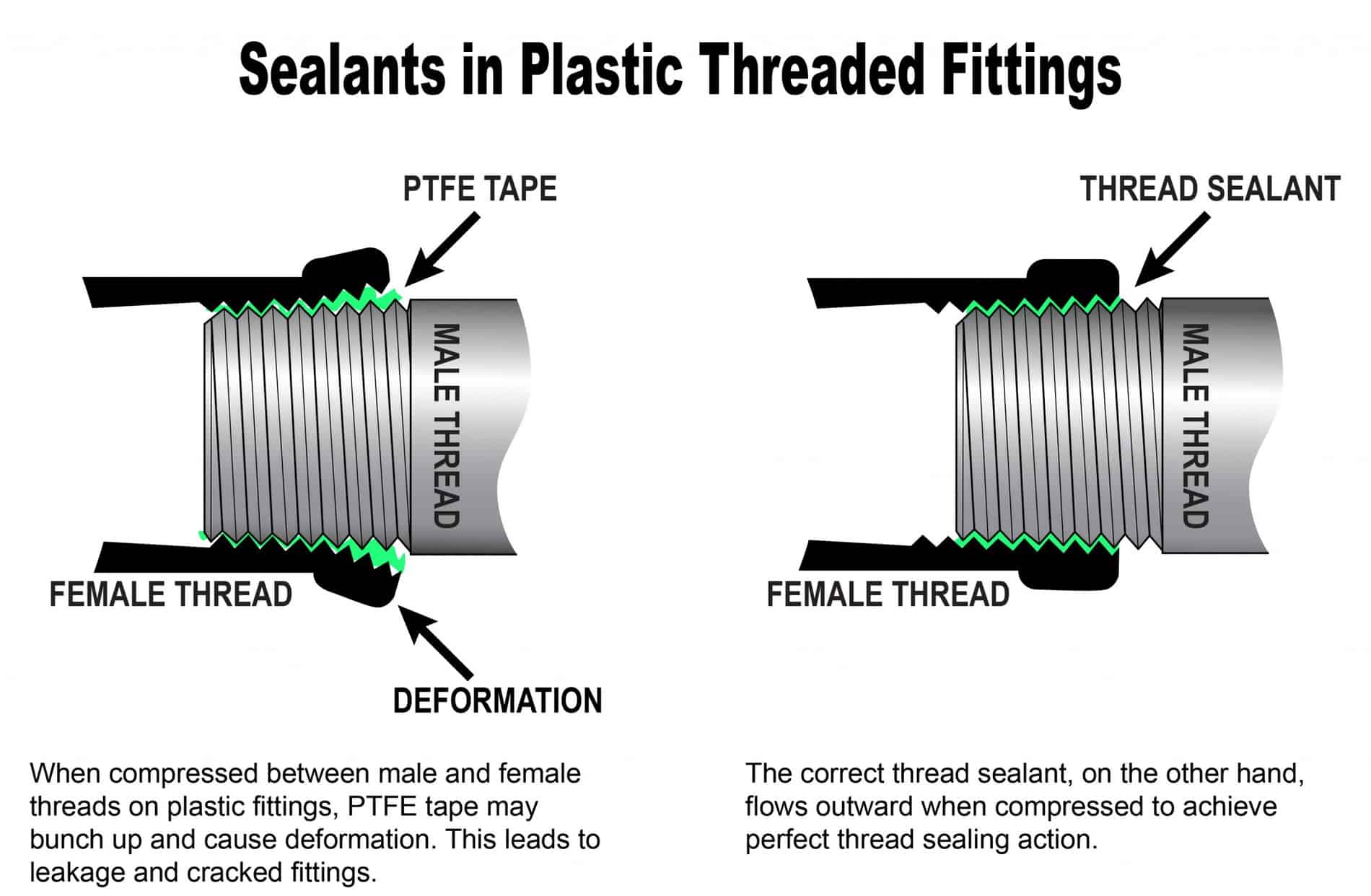
Credit: www.fluoramics.com
How Do Teflon Tape And Pipe Dope Work?
Both products work by sealing the spiral gap between male and female pipe threads. Threaded connections are not perfectly tight; they need a sealant to block leaks.
Teflon tape works mostly by:
- Filling small gaps
- Preventing thread galling (metal-to-metal sticking)
- Making future disassembly easier
Pipe dope works by:
- Filling gaps (even irregular ones)
- Sometimes hardening for a more permanent seal
- Lubricating threads to avoid damage
Pros And Cons Of Teflon Tape
Let’s look at why Teflon tape is popular—and where it may fall short.
Advantages
- Clean to use: No mess, no sticky residue on hands or tools.
- Easy for beginners: Even first-timers can apply it.
- Fast application: Wrap and go—no drying time.
- Lubricates threads: Makes it easier to tighten without damaging.
- Non-hardening: Easy to remove or adjust fittings later.
Disadvantages
- Can shred or bunch: Poor wrapping can cause leaks or blockages.
- Limited to small gaps: Doesn’t fill large thread imperfections.
- Compatibility issues: Not all tapes are rated for gas or high-pressure.
- Wrong application is common: Wrapping the tape in the wrong direction or using too much/too little can lead to leaks.
Pros And Cons Of Pipe Dope
Pipe dope is trusted in many professional settings, but it has drawbacks too.
Advantages
- Fills irregularities: Better for worn or poorly cut threads.
- Multiple formulas: Options for high-pressure, fuel, oil, or chemical resistance.
- Won’t shred: No risk of pieces breaking off and blocking pipes.
- Can resist vibration and movement: Some formulas remain flexible.
Disadvantages
- Messy application: Sticky and hard to clean up.
- Can harden over time: Makes disassembly difficult.
- Wrong formula risks: Using the wrong type (water dope on gas, for example) is dangerous.
- Needs curing time (for some types): Slows down the job.
When Should You Use Teflon Tape?
Teflon tape is the better choice for:
- Standard household plumbing: Like shower heads, sink pipes, and washing machine hoses.
- Plastic or brass fittings: Tape won’t react with these metals.
- Low to medium pressure applications: Such as garden hoses or drinking water lines.
A non-obvious tip: Use yellow Teflon tape for gas lines, not the common white tape. Yellow is thicker and rated for fuel gases.
When Should You Use Pipe Dope?
Pipe dope is preferred for:
- Old, corroded, or rough threads: It fills in more gaps.
- High-pressure or high-temperature lines: Choose a dope rated for the job.
- Gas, oil, or chemical lines: The right formula resists these substances.
- Areas with vibration: Flexible pipe dope won’t crack.
A common mistake: Using pipe dope on plastic threads. Some dopes can weaken plastic, causing cracks over time. Always check compatibility.
Can You Use Both Together?
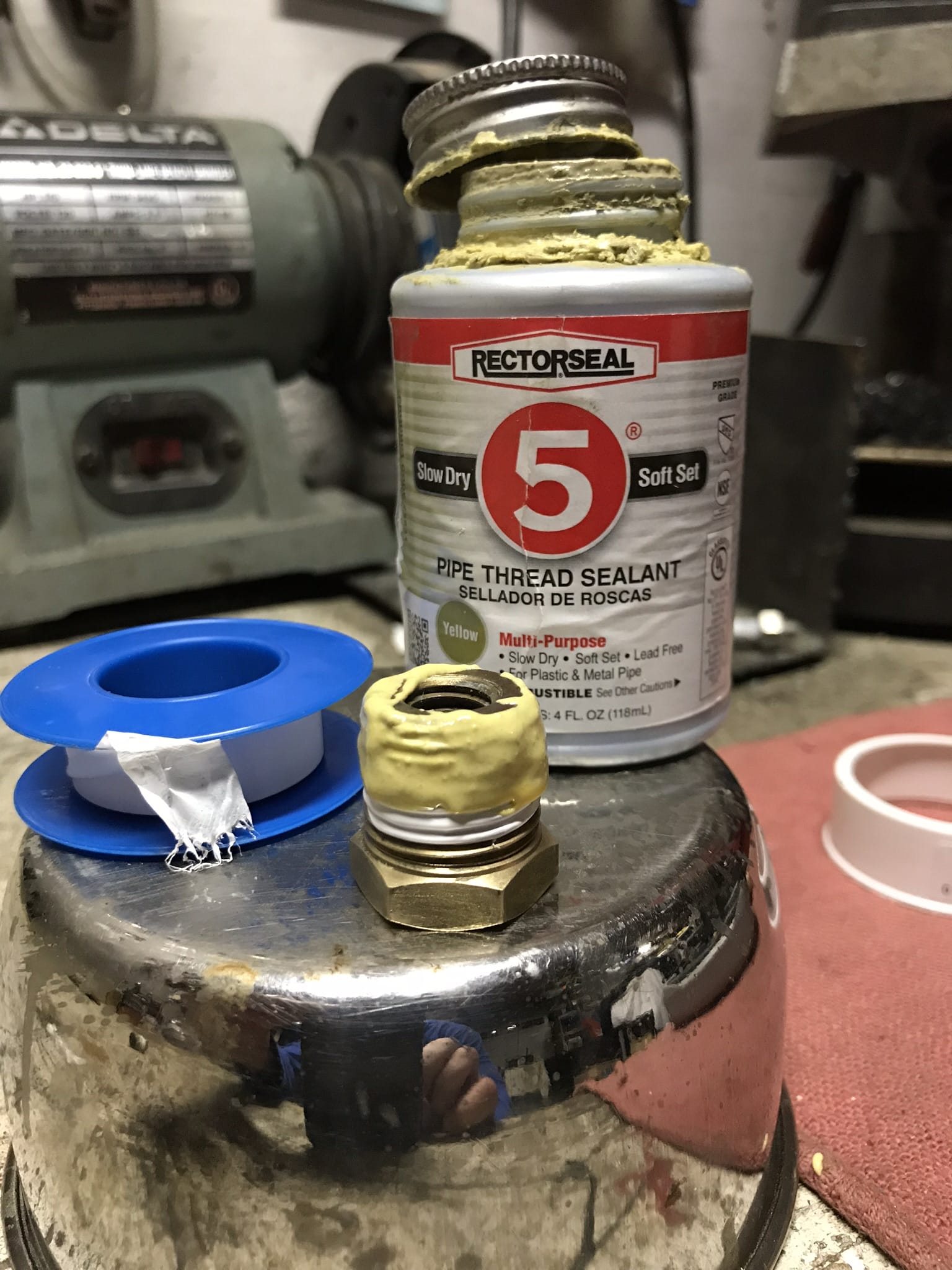
Yes, in some cases, plumbers use both Teflon tape and pipe dope for extra protection. Usually, they wrap the threads with tape, then brush a thin layer of pipe dope over the tape.
However, this isn’t always necessary and can sometimes make fittings too slippery, causing overtightening. If you do use both, choose products that work together (read manufacturer labels).
Types Of Teflon Tape
Not all Teflon tapes are equal. Here’s what you’ll find:
- White tape: Standard for water pipes (most common).
- Yellow tape: For gas lines—thicker and denser.
- Pink tape: For water lines—thicker than white, used by pros.
- Green tape: For oxygen lines—special use.
Always match the tape to your application. Using the wrong tape can void warranties or create safety issues.
Types Of Pipe Dope
Pipe dope comes in many formulas. The main categories:
- Water-resistant: For drinking water, hot/cold lines.
- Gas-resistant: For natural gas, propane, or fuel oil.
- Chemical-resistant: For acids, solvents, or industrial lines.
- Anaerobic sealants: These harden only where there’s no air (inside the threads). Often used in industry.
Read the product label carefully. Some dopes are not safe for drinking water or food lines.
Credit: www.sbmar.com
How To Apply Teflon Tape Correctly
Many leaks happen because of simple mistakes with tape. Here’s a foolproof way:
- Clean the threads: Remove dirt, oil, and old tape.
- Wrap the tape clockwise: Wrap in the same direction as the threads. Start at the pipe end, overlapping each layer by half.
- Use 2–4 wraps: Too little won’t seal, too much makes fittings hard to screw in.
- Press tape into threads: After wrapping, run your finger around to seat the tape.
- Screw on the fitting: Tighten by hand, then with a wrench if needed.
A beginner mistake: Wrapping tape backward. It will unravel as you screw on the fitting.
How To Apply Pipe Dope Properly
Applying pipe dope takes a bit more care:
- Clean the threads: Remove all debris and oil.
- Stir the dope: Some products separate in the can.
- Brush a thin layer: Cover all the male threads, but avoid excess that could squeeze into the pipe.
- Screw on the fitting: Tighten as needed.
- Wipe off extra dope: Clean up the joint.
Note: Some dopes need time to cure before pressurizing the system. Check the instructions.
Comparing Teflon Tape And Pipe Dope Side By Side
A simple visual comparison can help. Here’s how the two sealants stack up on key factors:
| Feature | Teflon Tape | Pipe Dope |
|---|---|---|
| Ease of Use | Simple, clean | Messy, needs practice |
| Seal Quality | Good for small gaps | Better for large gaps |
| Removal | Easy to remove | Can harden, harder to remove |
| Cost | Very low | Low to moderate |
| Application Time | Fast | Slower |
Common Mistakes And How To Avoid Them
Even pros sometimes make sealing errors. Here are mistakes to watch out for:
- Overusing sealant: Too much dope or tape can block pipes or cause leaks.
- Wrong product: Using water-rated tape on gas lines (or vice versa) is dangerous.
- Not cleaning threads: Dirt prevents a good seal.
- Mixing incompatible products: Some dopes dissolve Teflon tape—always check compatibility.
- Applying to the wrong side: Sealants go on the male threads only, never the female side.
A non-obvious insight: For plastic threads, never overtighten, even with sealant. Plastic cracks easily and needs only gentle pressure.
Credit: www.youtube.com
Which Is Best For Your Project?
There’s no one-size-fits-all answer. Here’s a quick guide:
| Application | Best Sealant | Why |
|---|---|---|
| Household water pipes | Teflon tape | Clean, safe, easy to use |
| Gas lines | Yellow Teflon tape or gas-rated pipe dope | Meets safety codes |
| High-pressure systems | Pipe dope | Fills gaps, resists pressure |
| Old or damaged threads | Pipe dope | Better sealing for imperfections |
| Plastic pipes | PTFE tape (check label) | Won’t weaken plastic |
Practical Tips For Success
- Always check local plumbing codes; some areas require pipe dope for gas lines.
- If unsure, ask at your hardware store or check the product’s technical data sheet.
- Store sealants in a cool, dry place. Old tape can dry out, and pipe dope can separate.
- For critical jobs, like gas or high-pressure steam, consult a pro or use certified products.
For more technical details, see the Wikipedia entry on thread seal tape.
Frequently Asked Questions
What Is The Main Difference Between Teflon Tape And Pipe Dope?
Teflon tape is a dry, non-stick film used to wrap threads, while pipe dope is a sticky paste applied with a brush. Both seal leaks, but tape is easier and cleaner, while dope fills bigger gaps and works for tough jobs.
Can I Use Teflon Tape And Pipe Dope Together?
Yes, you can use both on the same fitting for extra protection, but it’s usually not needed for home jobs. Make sure both products are compatible.
Is Teflon Tape Safe For Gas Lines?
Only yellow Teflon tape is rated for gas lines. Never use standard white tape for fuel gases, as it may not seal well or could break down.
Why Do My Pipe Threads Still Leak After Using Sealant?
Common reasons include using the wrong product, not cleaning threads, wrapping tape in the wrong direction, or not tightening enough. Check your method and product choice.
Does Pipe Dope Expire Or Go Bad?
Yes, pipe dope can dry out or separate over time, especially if the lid isn’t sealed. Always check for lumps or drying before use and stir if needed.
In the end, both Teflon tape and pipe dope are valuable tools for any plumber or DIYer. Knowing when and how to use each can save you from leaks, repairs, and wasted time. Choose wisely, follow best practices, and your pipe threads will stay leak-free.