
When you pick up a battery, you often see a label that says something like “2000mAh” or “2Ah.” For many people, these numbers are just part of the packaging. But if you want your devices to work properly and last longer, it’s important to understand what these numbers mean. The letters “Ah” stand for ampere-hour, a key measurement in the world of batteries. Knowing what “Ah” means can help you choose the right battery, avoid common mistakes, and even save money in the long run.
What Does Ah Mean On A Battery?
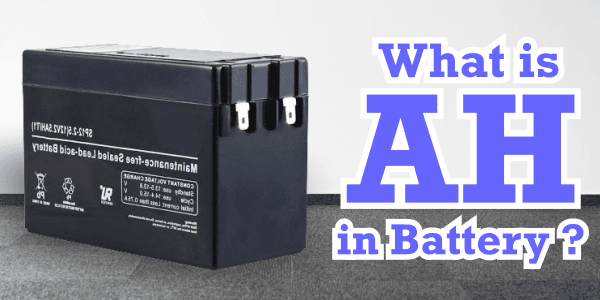
Ah (ampere-hour) is a unit of electrical charge. It tells you how much electric current a battery can deliver over a certain period. Think of it as the size of the battery’s “fuel tank.” If a battery is rated at 2Ah, it means it can deliver 2 amps of current for one hour, or 1 amp for two hours, and so on.
For example, if your device uses 0. 5 amps, a 2Ah battery would last about 4 hours (2Ah ÷ 0. 5A = 4 hours).
This number is important because it gives you a practical idea of how long the battery will last before it needs recharging or replacing. A higher Ah number usually means longer battery life, but it’s not the only thing to consider.
Why Ah Rating Matters
The Ah rating is more than just a technical detail. It affects:
- How long a device runs before the battery needs to be charged.
- Which battery to choose for your device.
- Performance of tools, vehicles, and electronics.
If you use a battery with too low an Ah rating, your device might stop working sooner than expected. If you use a battery with an Ah rating that’s too high for your device, you might pay more than you need to.
How Is Ah Calculated?
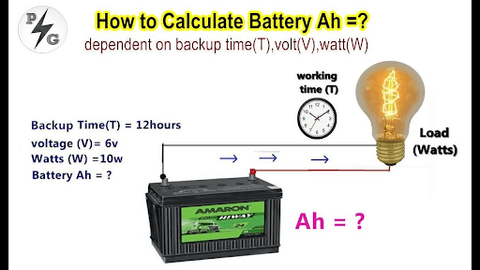
The calculation of ampere-hours is simple:
Ah = Current (A) × Time (h)
If a battery can deliver 1 ampere for 5 hours, its capacity is 5Ah. If it delivers 0. 5 amperes for 10 hours, it’s also a 5Ah battery.
However, real-world batteries are not always used under ideal conditions. Temperature, device type, and battery quality can all affect actual performance.
The Difference Between Ah And Mah
You might see some batteries labeled in mAh instead of Ah. mAh stands for milliampere-hour, which is one-thousandth of an ampere-hour.
- 1Ah = 1000mAh
Small batteries, like those in phones or cameras, usually use mAh because their capacity is less than one ampere-hour. Larger batteries, like those in cars or power tools, use Ah.

Credit: www.youtube.com
Common Battery Types And Their Ah Ratings
Different batteries have different Ah ratings, depending on their size and purpose. Here are a few examples:
| Battery Type | Typical Ah Rating | Common Use |
|---|---|---|
| AA Alkaline | ~2.5Ah | Remote controls, clocks |
| Smartphone Li-ion | ~2.5Ah (2500mAh) | Mobile phones |
| Car Lead-Acid | 40–100Ah | Automobiles |
| Power Tool Li-ion | 2–8Ah | Drills, saws |
| Deep Cycle Marine | 50–200Ah | Boats, solar storage |
These numbers are averages, and actual ratings can vary by brand and model.
How Ah Affects Battery Life
A higher Ah rating usually means a longer run time, but only if the device’s power draw stays the same. If you use a device that draws more current, the battery will drain faster, even if the Ah rating is high.
Let’s look at an example:
- You have a 4Ah battery and a device that uses 2 amps.
- 4Ah ÷ 2A = 2 hours of use.
If you switch to a 2Ah battery, the same device would only last 1 hour.
But there is a catch: drawing a higher current often reduces the total energy you can get from a battery. This is called the “Peukert effect,” and it’s more noticeable with lead-acid batteries. If you draw power very quickly, the battery might not deliver the full Ah rating.
Ah Vs. Voltage: What’s The Difference?
Another important number on batteries is voltage (V). Voltage is the electrical “pressure” that pushes current through your device. Ah tells you how much “fuel” is stored, while voltage tells you how “strong” the power is.
If you compare two batteries:
- Battery A: 12V, 100Ah
- Battery B: 24V, 100Ah
They both have 100Ah, but Battery B has more stored energy because of its higher voltage.
To measure total energy, you use watt-hours (Wh):
Wh = Ah × Voltage
So, a 12V, 100Ah battery stores 1200Wh (12 × 100), while a 24V, 100Ah battery stores 2400Wh.
Real-world Examples
To make the idea of Ah more practical, let’s look at a few common devices:
Power Tools
A cordless drill with a 4Ah battery will usually run twice as long as the same drill with a 2Ah battery, assuming both batteries have the same voltage.
Electric Cars
An electric car battery rated at 60kWh (kilowatt-hours) and 400V would have an Ah rating of 150Ah (60,000Wh ÷ 400V = 150Ah). Higher Ah means more driving range.
Solar Power Systems
Solar batteries often list Ah ratings. If you have a 12V, 200Ah battery bank, it can store 2,400Wh of energy. This is enough to power a small refrigerator for about 24 hours, assuming the fridge uses 100W per hour.
Choosing The Right Ah Rating
When you buy a battery, it’s tempting to go for the highest Ah rating you can find. But higher Ah batteries are bigger, heavier, and more expensive. Here’s what to consider:
- Device Requirement: Check the manufacturer’s recommendations. Using a battery with too low an Ah may shorten device life or cause shutdowns.
- Weight and Size: Higher Ah usually means a larger, heavier battery. This may not be suitable for portable devices.
- Cost: Higher Ah batteries cost more. Don’t pay for extra capacity you won’t use.
- Charging Time: Bigger batteries take longer to recharge unless you have a faster charger.
Ah Rating And Battery Chemistry
Different battery chemistries (lead-acid, lithium-ion, nickel-cadmium, etc.) have different ways of delivering power. For example, lithium-ion batteries can often deliver high current without losing much capacity. Lead-acid batteries, on the other hand, lose effective capacity if you drain them quickly.
Here’s a comparison of two common chemistries:
| Chemistry | Typical Ah Range | Main Advantages | Main Drawbacks |
|---|---|---|---|
| Lithium-Ion | 1–100Ah | High energy density, light weight | Expensive, sensitive to overcharge |
| Lead-Acid | 10–200Ah | Cheap, reliable, easy to recycle | Heavy, lower energy density |
Credit: thinkrobotics.com
Common Misunderstandings About Ah
Many people think a higher Ah always means more power. But Ah is only one part of the story. Here are a few points that beginners often miss:
- Higher Ah does not increase device power. It increases run time, not speed or strength.
- You cannot mix batteries with different Ah ratings in the same device unless the manufacturer says it’s safe.
- Charging time depends on both Ah and charger output. A small charger will take a long time to fill a high-Ah battery.
How Ah Relates To C-rate
You may see the term C-rate when reading battery specs. The C-rate shows how quickly a battery can be charged or discharged relative to its capacity.
For example, a 1C rate for a 2Ah battery means charging (or discharging) at 2 amps. A 0. 5C rate means charging at 1 amp. Charging or discharging too fast can damage the battery or reduce its life.
What Happens If You Use The Wrong Ah Battery?
Using a battery with a much higher Ah rating than your device needs is usually safe, but it may not fit or may cost more. Using a battery with too low an Ah rating can cause:
- Short run time
- Overheating
- Device shutdowns
- Reduced battery life
Always match the battery to the device’s needs for best results.
How To Read Battery Labels
Most battery labels show:
- Voltage (V)
- Capacity (Ah or mAh)
- Chemistry (Li-ion, NiMH, etc.)
- Model number
Sometimes, labels show Wh (watt-hours) instead of Ah. You can convert using:
Ah = Wh ÷ Voltage
For example, a 36Wh, 12V battery has 3Ah.
Credit: robu.in
Tips For Maximizing Battery Life
To get the most from your battery’s Ah rating:
- Avoid deep discharges. Try not to run the battery to zero.
- Charge with the correct charger. Using the wrong charger can damage the battery.
- Store at moderate temperatures. Extreme heat or cold reduces usable Ah.
- Keep connections clean. Dirty terminals reduce efficiency.
Comparing Batteries Using Ah
When you compare batteries, make sure:
- The voltage is the same.
- The chemistry matches (don’t compare lead-acid to lithium-ion by Ah alone).
- The size and weight suit your needs.
Here’s a sample comparison of two batteries for a power tool:
| Model | Voltage | Ah | Run Time (Est.) | Weight |
|---|---|---|---|---|
| Battery X | 18V | 2Ah | 60 minutes | 0.6 kg |
| Battery Y | 18V | 4Ah | 120 minutes | 1.1 kg |
Choose the one that fits your tool, budget, and how long you need to use it.
Frequently Asked Questions
What Does Ah Stand For On A Battery?
Ah means ampere-hour. It shows how much electric charge a battery can deliver in one hour. Higher Ah means the battery can run a device longer.
Is A Higher Ah Battery Better?
Not always. A higher Ah battery lasts longer but is usually bigger, heavier, and more expensive. Choose the Ah that matches your device’s needs.
Can I Use A Battery With A Different Ah Rating?
You can use a battery with a higher Ah if it fits and the voltage is correct. Do not use a battery with a lower Ah than recommended—it may not last long enough.
What Is The Difference Between Ah And Mah?
Ah is ampere-hour, used for large batteries. mAh is milliampere-hour (1,000 mAh = 1 Ah), used for small batteries like those in phones.
How Do I Convert Wh To Ah?
Divide watt-hours (Wh) by the battery’s voltage (V). For example, 50Wh ÷ 10V = 5Ah.
If you want to learn more about battery capacity and formulas, you can check out this Wikipedia article.
Understanding what Ah means on a battery helps you pick the right one for your device, avoid costly mistakes, and get the most life from your batteries. Next time you shop for a battery, you’ll know exactly what those numbers mean—and why they matter.