
If you are thinking about buying a welder for your home or workshop, you have probably seen two main options: 110V welders and 220V welders. At first, this difference might look simple—just the voltage they use. But the truth is, this choice affects everything from power output to safety, price, and even where you can use your machine. Picking the right welder is important not just for your project, but also for your budget and your safety. In this article, I’ll guide you through the full comparison between 110V and 220V welders, including real examples, practical advice, and some common mistakes people make when choosing.
What Is A 110v Welder?
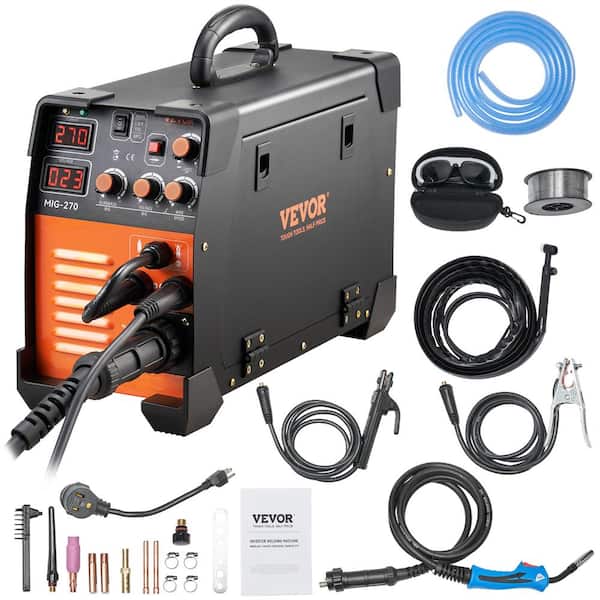
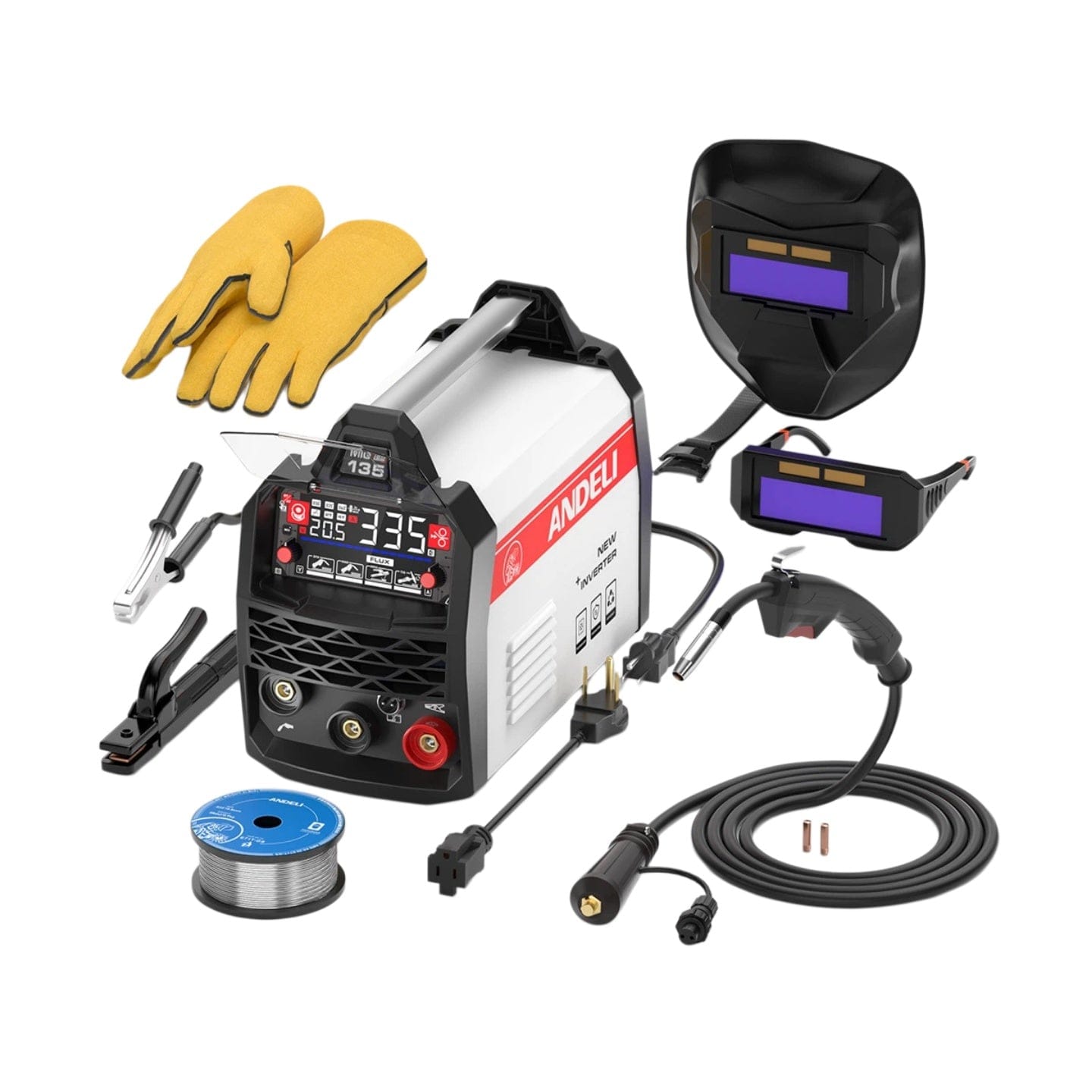
A 110V welder is a welding machine that runs on standard household electricity in countries like the United States and Canada. Most homes have 110V outlets—the same kind you use for a toaster or TV.
Key Features:
- Convenient plug-and-play: No special wiring needed.
- Lower power output: Usually handles thinner metals.
- Portable: Most 110V welders are light and easy to move.
Typical Uses:
- Small repairs at home
- Auto body work
- Simple DIY projects
Limitation: These welders are not designed for heavy-duty or industrial jobs.
What Is A 220v Welder?
A 220V welder needs a higher voltage power supply—common in workshops, garages, or factories. In many countries, 220V is the standard for large appliances (like dryers).
Key Features:
- More power: Suitable for thicker metals.
- Higher duty cycle: Can weld for longer without overheating.
- Professional grade: Used for bigger jobs and tougher materials.
Typical Uses:
- Structural steel work
- Industrial repairs
- Farm equipment
Limitation: Needs a special outlet or wiring, which may require an electrician.
Credit: www.homedepot.com
Voltage And Power: What’s The Real Difference?
Many people think voltage is just about the plug, but it’s much more. The voltage actually changes how much welding power you can get.
| Aspect | 110V Welder | 220V Welder |
|---|---|---|
| Input Voltage | 110-120V AC | 220-240V AC |
| Maximum Output | ~100-140 amps | Up to 250+ amps |
| Metal Thickness | Up to 1/8 inch | Up to 1/2 inch (or more) |
| Typical Circuit | 15-20 amps | 30-50 amps |
Why does this matter?
Amperage is what melts the metal. Higher voltage allows for more amps. That means a 220V welder can deliver more heat, making it possible to join thicker, stronger metals.
Where Can You Use Each Welder?
110V welders are handy because you can plug them into almost any outlet. If you work in different places or want to weld in your garage, driveway, or even outside, 110V is easy to use.
220V welders need a specific outlet—usually installed by an electrician. These are more common in professional shops or garages set up for big tools.
Real-world example:
If you want to fix a lawnmower at home, a 110V welder is enough. If you need to build a steel gate or repair a trailer, you’ll need the strength of a 220V machine.
Performance And Weld Quality
Weld quality depends on more than just voltage, but the power source makes a big difference.
- 110V welders can make smooth, clean welds on thin materials.
- 220V welders handle both thin and thick metals, and perform better when you need deep, solid welds.
A common mistake is trying to weld thick steel with a 110V welder. You may get a weld, but it won’t be strong. Cracks or weak joints are common, and this could be unsafe.
Duty Cycle: How Long Can You Weld?
The duty cycle is how long you can weld in a 10-minute period before the machine needs to cool down.
For example, a welder with a 20% duty cycle at 100 amps means you can weld for 2 minutes, then you must let it rest for 8 minutes.
| Welder Type | Typical Duty Cycle | Result |
|---|---|---|
| 110V | ~20-30% at 90-100A | Short welding periods |
| 220V | ~40-60% at 150-200A | Longer, continuous welding |
Insight: Many beginners ignore duty cycle, but if you plan to weld for long periods, a 220V welder will save you a lot of frustration.
Portability And Weight
110V welders are usually much lighter and smaller than their 220V cousins. Some models weigh under 30 pounds, making them easy to carry around.
220V welders can be heavy—sometimes 50 pounds or more. Plus, you’ll need to move them to an area with the right outlet.
However, some new inverter technology is making even 220V models lighter than before, so always check the latest options.
Price And Cost Considerations
Initial cost:
- 110V welders tend to be cheaper, often starting around $150–$350.
- 220V welders are more expensive, from $350 to $1000+.
Other costs:
- Installing a 220V outlet can cost another $200–$500 if you don’t already have one.
- Higher-powered welders may need heavier cables and special plugs.
Long-term value:
If you only need to weld thin metals occasionally, a 110V welder is a smart choice. If you grow your skills or start working on bigger projects, you might end up buying a second, more powerful machine later.
Credit: andelimall.com
Safety Differences
Voltage affects safety in a few ways:
- 110V welders have less risk of electric shock, but you still need to be careful.
- 220V welders can deliver a much stronger shock if used improperly.
Important tip:
Never use extension cords that aren’t rated for your welder’s power. Overheating cords are a fire risk, especially with 220V welders.
Types Of Welding Supported
Both 110V and 220V welders can support popular welding types like MIG, TIG, and Stick. But there are limits.
- 110V welders may struggle with Stick welding, which needs more power.
- 220V welders can handle all types, even for tougher materials and thicker rods.
If you want to learn different welding methods, a 220V welder gives you more options.
Common Mistakes When Choosing
1. Ignoring Your Power Supply:
Buying a 220V welder without having the right outlet is a costly mistake.
2. Overestimating Needs:
Many hobbyists buy a 220V welder “just in case” and never use its full power.
3. Underestimating Future Growth:
If you plan to take on bigger jobs later, starting with a dual voltage welder (110V/220V) may save money.
4. Not Checking Duty Cycle:
Buying a welder that can’t keep up with your work can be very frustrating.
5. Using The Wrong Extension Cords:
Always check the amp rating and cable thickness—thin cords can be dangerous.
Dual Voltage Welders: A Flexible Option
Some modern welders can switch between 110V and 220V. These are called dual voltage welders.
Advantages:
- Can work anywhere (home or shop)
- Good for beginners who want to grow
- Often portable and easy to use
Limitation:
Usually, their top performance is only available at 220V, but they are a great middle ground.
Which Welder Is Best For You?
Choosing between a 110V and 220V welder depends on your needs:
- For home use, DIY, auto repair: 110V is usually enough.
- For heavy fabrication, farm work, business: 220V is often required.
- For flexibility or learning: Dual voltage models are worth considering.
If you are unsure, ask yourself:
- What’s the thickest metal I’ll weld?
- Do I have a 220V outlet?
- Will I move the welder often?
Practical Examples
Example 1:
You want to build a simple metal shelf for your garage using 1/8” steel. A 110V MIG welder will do the job safely and easily.
Example 2:
You need to repair a trailer frame made from 3/8” steel. A 220V Stick or MIG welder is necessary to get a strong, safe weld.
Credit: andelimall.com
Non-obvious Insights For Beginners
1. Voltage Drop Matters:
If you use a long extension cord with a 110V welder, you can lose a lot of power. This makes it harder to get a good weld. Always use the shortest, thickest cord possible.
2. Circuit Breakers May Trip:
Many homes have 15-amp circuits. Running a 110V welder on a weak circuit can trip the breaker. If possible, use a dedicated 20-amp outlet.
Expert Guidance: When In Doubt
If you are just starting, don’t buy the most powerful machine “just in case. ” Start with what you need now. You can always upgrade later or choose a dual voltage model for the best of both worlds.
For more technical details and standards about electric welding equipment, you can check resources from Wikipedia.
Frequently Asked Questions
What Happens If I Plug A 220v Welder Into A 110v Outlet?
Most 220V welders will not turn on if plugged into a 110V outlet. You risk damaging the machine, and it will not weld properly. Always match the welder to the correct voltage.
Can I Weld Thick Metal With A 110v Welder?
No, 110V welders are limited to thin metals—about 1/8 inch or less. Trying to weld thick metal can result in weak joints and poor quality.
Is A 220v Welder More Dangerous Than A 110v Welder?
A 220V welder has a higher risk of electric shock and requires more caution. Always follow safety guidelines and use protective gear.
Do Dual Voltage Welders Have The Same Power At 110v And 220v?
No. Dual voltage welders provide more power and higher duty cycle when used on 220V. The 110V setting is for light jobs and convenience.
What Is The Main Advantage Of A 110v Welder?
The biggest advantage is convenience. You can plug a 110V welder into almost any outlet, making it easy to use at home or on small jobs.
Choosing between a 110V and 220V welder is not just about voltage—it’s about the kind of work you do, your workspace, and your future plans. By understanding these differences, you can invest in the right welder for your needs and avoid costly mistakes.
