
Angle Grinder Blade Types Guide
Angle grinders are powerful tools used across workshops, construction sites, and even at home. But the real power comes from the blade you choose. Picking the right blade can mean the difference between a smooth finish and a ruined project—or even a safety hazard. With so many blade types, materials, and uses, it’s easy to feel confused. This guide breaks down everything you need to know about angle grinder blades, helping you choose the perfect one for your job.
Why Blade Type Matters
The blade is the part of your angle grinder that touches the workpiece. Each blade is designed for a specific material and task. Using the wrong blade can result in poor performance, quick wear, or injury. For example, a metal cutting disc on tile can shatter, and a wood carving disc on steel will barely scratch the surface.
Many beginners miss that blade speed ratings and material compatibility are just as important as diameter. Choosing a blade rated for less than your grinder’s RPM can be dangerous. Always check the blade’s packaging for speed limits and intended uses.
Main Angle Grinder Blade Types
There are several main blade types, each with their own subtypes and applications. Here’s a breakdown of the most common blades:
1. Cutting Discs
Cutting discs are thin, flat blades made for slicing through material. They are not designed for side pressure, so never use them for grinding. They come in several material types:
- Metal cutting discs: Usually made from aluminum oxide or zirconia. These are best for steel, iron, and other metals.
- Stone cutting discs: Designed for masonry, concrete, and stone. They are harder but more brittle than metal discs.
- Multi-purpose discs: Some discs can cut both metal and stone, but they may wear out faster.
Non-obvious insight: Many new users do not realize that thinner discs (1mm-2mm) produce less heat and a cleaner cut, but they also wear out faster and can break if forced.
2. Grinding Discs
Grinding discs are thicker than cutting discs. They are made for removing material, smoothing welds, or shaping surfaces. There are a few main types:
- Metal grinding discs: Used for steel, stainless steel, and cast iron. They come in different grit sizes for rough or fine grinding.
- Stone grinding discs: Made for concrete, brick, or masonry. They are usually thicker and more durable.
A key tip: Do not use a grinding disc for cutting. The thick edge will make it hard to control, and the finish will be poor.
3. Diamond Blades
Diamond blades are designed for hard materials like concrete, tile, stone, and sometimes even glass. They have industrial diamond grit on the edge. There are three main types:
- Continuous rim: Smooth edge for clean, chip-free cuts on tile or porcelain.
- Segmented rim: Gaps for cooling, best for concrete and brick. Cuts faster but can leave a rougher finish.
- Turbo rim: Combines continuous and segmented designs for both speed and smoothness.
Diamond blades last much longer than abrasive discs, but they are more expensive.
4. Flap Discs
Flap discs are used for sanding and finishing. They have overlapping layers of abrasive “flaps” (like sandpaper) glued to a backing. Key uses include:
- Metal finishing: Removing burrs, rust, or old paint.
- Smoothing welds: Achieving a polished look after welding.
- Wood shaping: Some coarse flap discs can be used on wood for shaping and smoothing.
There are different grit levels, from coarse (40 grit) to fine (120 grit+).
5. Wire Brush Wheels
Wire brush wheels are not for cutting or grinding, but for cleaning. The wires can be knotted or crimped, and the wheel comes in different shapes (cup, wheel, or disc). Common uses:
- Rust removal: Cleaning rust off metal surfaces or tools.
- Paint stripping: Removing old paint or coatings.
- Surface prep: Before welding or painting, for better adhesion.
A common mistake: Pressing too hard can break the wires and damage the workpiece. Let the speed of the grinder do the work.
6. Strip Discs
Strip discs are made from a web of strong synthetic fibers and abrasive grit. They are used for:
- Removing paint: Without damaging the metal underneath.
- Cleaning welds: Gentle on the surface but effective.
- Surface prep: Before priming or painting.
They are safer than wire brushes for delicate surfaces.
7. Wood Carving Discs
Some discs are designed for shaping and carving wood. They usually have:
- Chainsaw teeth: Like a mini chainsaw, fast but aggressive. Not for beginners.
- Tungsten carbide grit: Safer and better for controlled shaping.
- Abrasive flaps: For sanding wood.
Important: Never use a metal or masonry disc on wood—this can cause dangerous kickback.
8. Polishing Pads
Polishing pads are soft, flexible discs made from felt, foam, or cloth. They are used with polishing compounds to:
- Polish metals: Stainless steel, aluminum, and brass.
- Polish stone or glass: With the right compound.
- Finish car bodywork: After sanding and painting.
Use a low speed to avoid burning or melting the pad.
9. Ceramic Discs
Ceramic discs use advanced ceramic grains for extra durability and fast cutting. They are used mostly for:
- Hard metals: Stainless steel, tool steel, and alloys.
- High-speed grinding: They last longer than aluminum oxide discs.
- Heavy-duty work: Where other discs wear out quickly.
Ceramic discs are more expensive but can save time and money on big jobs.
10. Fiber Discs
Fiber discs are similar to flap discs but are flat and stiff. They are made from resin-bonded abrasive grains on a heavy paper backing. Used for:
- Surface grinding
- Paint removal
- Weld blending
They require a backing pad for support.
11. Non-woven Discs
These discs are made from a web of synthetic fibers and abrasive material. They are used for:
- Surface conditioning: Blending, finishing, and deburring.
- Cleaning: Removing light rust or stains.
- Satin finishing: On stainless steel or aluminum.
They are gentle and leave a smooth, matte finish.
12. Tile Cutting Discs
Tile cutting discs are usually diamond blades with a continuous rim. They are made for:
- Ceramic tiles
- Porcelain tiles
- Glass tiles
They make smooth, chip-free cuts but must be used with care to avoid cracks.
13. Aluminum Cutting Discs
Special discs are needed for aluminum because it clogs regular grinding or cutting discs. Aluminum discs have:
- Special abrasives: Prevent clogging and overheating.
- Cool cutting action: Less heat reduces warping.
Never use a steel cutting disc on aluminum, as it will gum up and become dangerous.
14. Carbide Grit Discs
Carbide grit discs have a rough edge coated with tungsten carbide grains. They are used for:
- Cutting fiberglass
- Cutting plastic
- Cutting cement board
Their edge does not wear down like abrasive discs.
15. Concrete Grinding Wheels
These are cup-shaped discs with diamond or silicon carbide grit. Used for:
- Leveling concrete
- Removing old coatings
- Smoothing rough surfaces
They are heavy-duty and require a strong grinder.
Blade Selection Factors
Choosing the best angle grinder blade is not just about the material. Here are key factors to keep in mind:
- Material to cut: Always match the blade to the material—metal, stone, wood, or tile.
- Blade diameter: Must fit your grinder (common sizes: 4.5”, 5”, 7”).
- RPM rating: Never exceed the maximum speed listed on the blade.
- Thickness: Thinner discs cut faster and cleaner but wear out quicker.
- Grit size: Lower numbers are rougher; higher numbers are smoother.
- Blade life: Diamond and ceramic last longer but cost more.
- Safety certifications: Look for markings like EN12413 or OSA for tested blades.
Typical Blade Applications
Here are some examples to help you choose the right blade for common jobs:
| Task | Recommended Blade Type | Key Features |
|---|---|---|
| Cutting steel pipe | Metal cutting disc | Thin, fast cut, aluminum oxide |
| Removing rust | Wire brush wheel | Keeps surface smooth, fast cleaning |
| Cutting ceramic tile | Diamond continuous rim | Chip-free, smooth edge |
| Sanding welds | Flap disc | Removes marks, polishes surface |
| Polishing stainless steel | Polishing pad | Soft, used with compound |
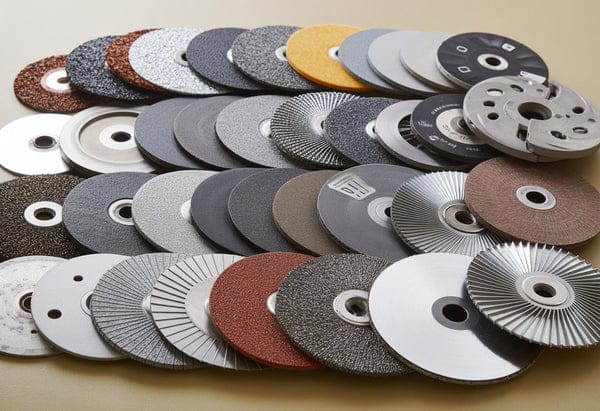
Credit: www.arccaptain.com
Blade Comparison: Metal Vs. Diamond Vs. Ceramic
Different blade materials deliver different performance. Here’s a simple comparison:
| Blade Material | Best For | Lifespan | Cost |
|---|---|---|---|
| Aluminum Oxide | Metal | Short | Low |
| Diamond | Concrete, tile, stone | Long | High |
| Ceramic | Hard metals | Very Long | Very High |
Key Safety Tips For Blade Use
- Wear safety gear: Always use goggles, gloves, and hearing protection.
- Check blade condition: Look for cracks or warping before use.
- Correct mounting: Tighten the blade properly; loose blades can shatter.
- Keep sparks away: Avoid flammable materials nearby.
- Let the tool do the work: Do not push too hard—this causes blade failure.
Non-obvious insight: Let new users know that a blade that vibrates or wobbles is unsafe, even if it looks fine. Replace it immediately.
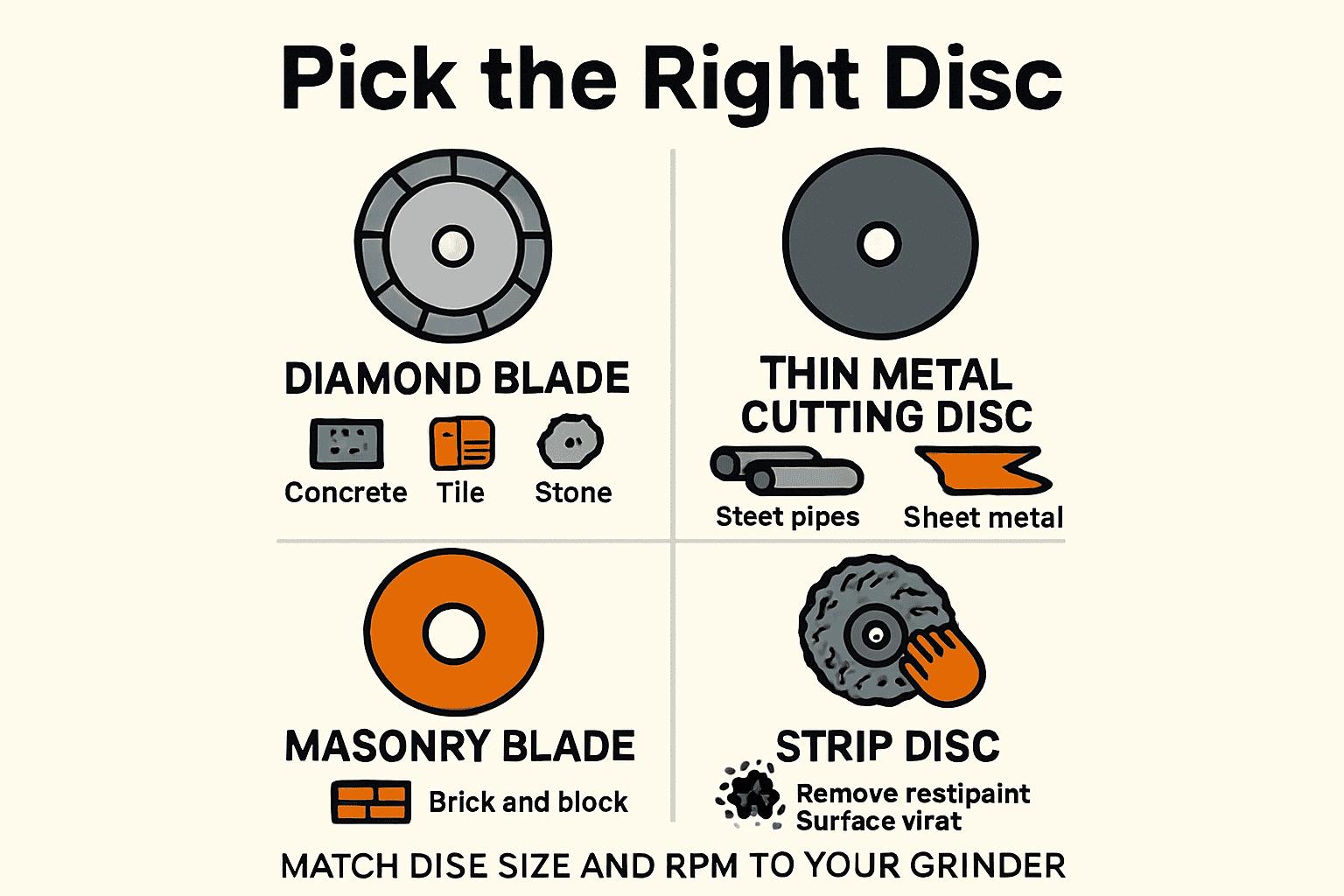
Credit: www.maxxt-tech.com
Common Mistakes And How To Avoid Them
- Using the wrong blade for the material: Always check the packaging and specs before starting.
- Ignoring RPM ratings: A blade rated for lower speeds can break apart on a high-speed grinder.
- Side pressure on cutting discs: Only use the flat side of grinding discs for grinding. Cutting discs are for straight cuts only.
- Skipping safety gear: Even a small piece of blade can cause serious injury.
- Forgetting to let the blade cool: Especially with diamond or ceramic blades, overheating can ruin the blade and the workpiece.
How To Extend Blade Life
Here’s how you can make your blades last longer:
- Use the right speed and pressure.
- Let the blade cool between cuts.
- Keep blades dry and clean when stored.
- Do not cut material thicker than the disc’s capacity.
- Clean out debris from wire brushes after each use.
Environmental And Disposal Tips
Angle grinder blades wear out and need to be replaced. Here’s what to remember:
- Do not throw used blades in regular trash—many contain fiberglass or metals.
- Check local recycling programs for metal and abrasive disc disposal.
- Store new blades in a dry place to avoid rust or degradation.
Trusted Brands And Where To Buy
Some reliable brands include DeWalt, Bosch, Makita, Norton, and 3M. Always buy from a reputable dealer or trusted online store. Avoid no-name brands, as they may not meet safety standards.
For more details about abrasive standards, you can visit the Wikipedia: Angle Grinder page.
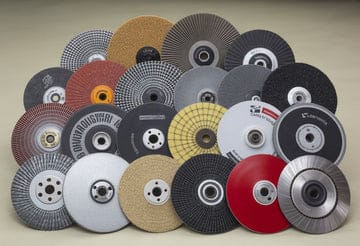
Credit: www.arccaptain.com
Frequently Asked Questions
What Is The Best Blade For Cutting Stainless Steel?
A ceramic or high-quality aluminum oxide cutting disc is best for stainless steel. Ceramic lasts longer and cuts faster, but costs more.
Can I Use A Metal Cutting Disc On Concrete?
No, metal cutting discs are not designed for masonry and will wear out quickly or even break. Use a stone or diamond blade instead.
How Do I Know If A Blade Fits My Grinder?
Check your grinder’s manual for the correct diameter and arbor size. Common sizes are 4. 5”, 5”, and 7” with 22. 23mm (7/8”) arbors.
Are Expensive Blades Worth The Money?
Expensive blades like diamond or ceramic can save time and last much longer, especially on hard materials or big jobs. They are often a better value over time.
What Safety Gear Do I Need When Using An Angle Grinder?
Always wear safety glasses, gloves, hearing protection, and a dust mask for concrete or stone work. Long sleeves and closed shoes are also recommended.
Choosing the right angle grinder blade is the first step toward a safe, efficient, and professional-looking result. Understanding each blade’s use and limitations will help you get the job done right—and keep you safe along the way.
