
Battery fires are becoming a bigger risk in our daily lives. From smartphones and laptops to electric bikes and cars, batteries power much of what we use every day. But, when not handled properly, batteries can catch fire and cause serious damage. Many people don’t realize how quickly a battery fire can start, or how difficult it is to stop once it begins. This guide will help you understand how battery fires happen, how to prevent them, and what to do if one starts. By following clear steps and safety tips, you can keep your home, workplace, and family safer.
Understanding Battery Fire Risks
Batteries are everywhere. The most common types that cause fires are lithium-ion batteries. These are found in phones, laptops, power tools, and electric vehicles. A battery fire usually starts because of thermal runaway—a chain reaction inside the battery that makes it overheat and catch fire.
Many battery fires start because of:
- Physical damage (dropping or crushing a device)
- Overcharging (using chargers not made for the battery)
- Short circuits (when metal objects touch the battery terminals)
- Exposure to heat (leaving devices in a hot car)
Lithium-ion batteries can catch fire quickly and are hard to put out. They release toxic gases and sometimes even explode. According to the National Fire Protection Association, battery fires have increased by 40% in the last five years, mainly due to more devices and electric vehicles.
Types Of Batteries And Their Fire Hazards
It helps to know the risks of different battery types. Here’s a quick comparison:
| Battery Type | Common Uses | Fire Risk | Notes |
|---|---|---|---|
| Lithium-ion | Phones, laptops, e-bikes, EVs | High | Can overheat, explode |
| Nickel-metal hydride (NiMH) | Rechargeable AA/AAA, some toys | Low | Safer but can overheat if damaged |
| Lead-acid | Car batteries | Moderate | Leak acid, short circuit risk |
| Alkaline | Standard AA/AAA, remotes | Low | Rarely catch fire |
Lithium-ion batteries are the most powerful and lightweight, but also the most dangerous if misused. Other types, like alkaline and NiMH, are much safer but still need care, especially when old or damaged.

Credit: www.exponent.com
How Battery Fires Start
A battery fire can begin in just seconds. The most common causes are:
- Overcharging – Using the wrong charger, or leaving a device plugged in too long, can push a battery past its safe limit.
- Physical damage – Dropping a battery, crushing it, or piercing it can break the inner layers, causing a short circuit.
- Short circuit – If the battery’s terminals (the metal ends) touch each other or something metal, a powerful current flows, heating up the battery.
- Heat exposure – High temperatures (like a car parked in the sun) can cause a battery to swell, leak, or ignite.
- Manufacturing defects – Sometimes a battery is made with flaws that show up later as overheating or swelling.
A non-obvious risk is mixing old and new batteries in the same device. The weaker battery can overheat and leak, especially in toys or flashlights.
Safe Charging And Usage Tips
Charging is the most dangerous time for a battery. Here’s how to stay safe:
- Use the right charger – Always use the charger made for your device. Cheap or wrong chargers can overcharge or overheat batteries.
- Don’t leave devices charging overnight – Unplug devices once they are full. Modern devices usually stop charging, but not all do.
- Keep batteries out of the sun – Don’t leave phones, laptops, or battery-powered tools in hot places like cars.
- Check for damage – If a battery is swollen, leaking, or cracked, stop using it right away.
- Avoid cheap replacement batteries – Low-quality batteries may not have safety features.
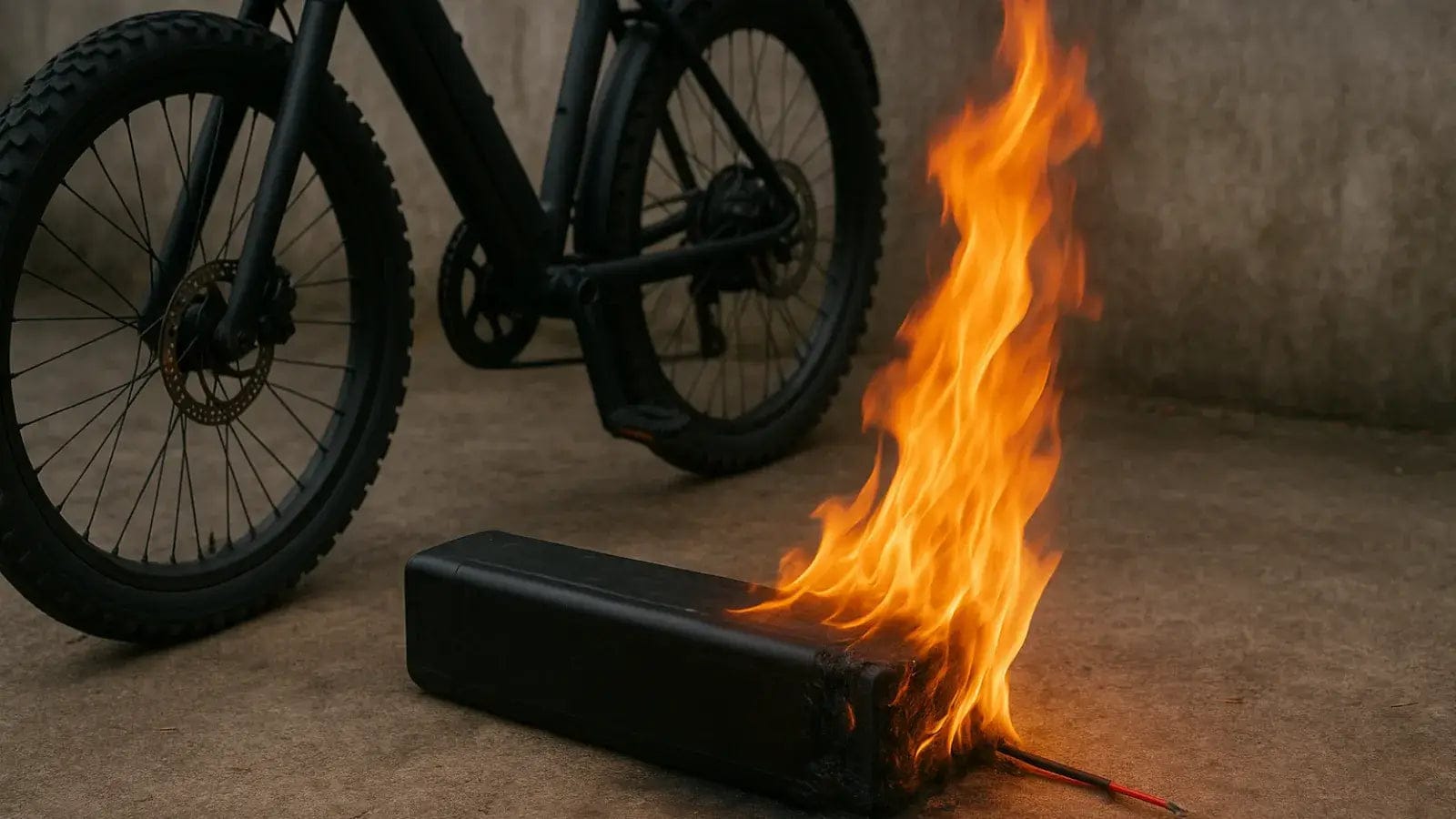
Many fires happen because people charge e-bikes or scooters indoors, especially near flammable things like beds or curtains. Try to charge in a place with good airflow, on hard surfaces, away from flammable items.
Storing Batteries Safely
Proper storage is just as important as safe charging. Here are key points:
- Store in a cool, dry place – Heat and humidity can damage batteries.
- Keep away from metal objects – Coins, keys, or jewelry can cause a short if they touch the battery ends.
- Use original packaging – If you have spare batteries, keep them in their box or a battery case.
- Don’t store loose batteries together – Especially 9V or lithium-ion types, as their ends can touch and spark.
Here’s a useful comparison of storage risks:
| Storage Place | Fire Risk | Why |
|---|---|---|
| Toolbox with metal tools | High | Metal can short circuit battery |
| Plastic battery case | Low | Insulated, no metal contact |
| Drawer with coins/keys | Moderate | Possible contact with terminals |
Many people don’t realize that a loose 9-volt battery touching steel wool or keys can spark a fire, even in a drawer.
Recognizing Warning Signs
Battery fires often give warning signs before they start. Watch for:
- Swelling or bulging battery cases
- Leaking fluid or strange smells
- Cracking or popping sounds
- Unusual heat when charging or using
If you see any of these, turn off the device, unplug it, and move it away from flammable items. Swelling is especially dangerous—never try to puncture a swollen battery.
What To Do If A Battery Catches Fire
If you see smoke, flames, or hear popping from a battery, act fast:
- Evacuate people and pets from the area.
- Call emergency services if the fire is large or indoors.
- If safe, use a fire extinguisher rated for electrical fires (Class C or ABC).
- Do NOT use water on lithium-ion battery fires—water can cause explosions.
- If the fire is small, and you don’t have an extinguisher, try to cover it with sand, dirt, or a fire blanket.
- Let the battery cool down completely before touching it. Even after the fire is out, it can reignite.
A non-obvious tip: battery fires often reignite minutes or even hours later. Do not put burned batteries in the trash or leave them in your home.
Disposing Of Batteries Properly
Throwing batteries in the trash is unsafe and often illegal. Here’s how to dispose of them the right way:
- Recycle at a battery drop-off point (found in many electronics stores and recycling centers)
- Tape over the terminals with non-conductive tape (like electrical tape) before recycling
- Never burn batteries—they can explode and release toxic gases
- Check local rules for battery recycling
Many communities hold special collection days for batteries and electronics. Old batteries can leak chemicals or start fires in garbage trucks or landfills.
Battery Fire Safety For Homes And Businesses
Every home and business should have a plan for battery safety:
- Install smoke detectors in places where batteries are charged or stored
- Keep fire extinguishers close to charging areas
- Train everyone on what to do if a battery fire starts
- Don’t charge large batteries overnight or when no one is home
- Have an emergency exit plan in case of fire
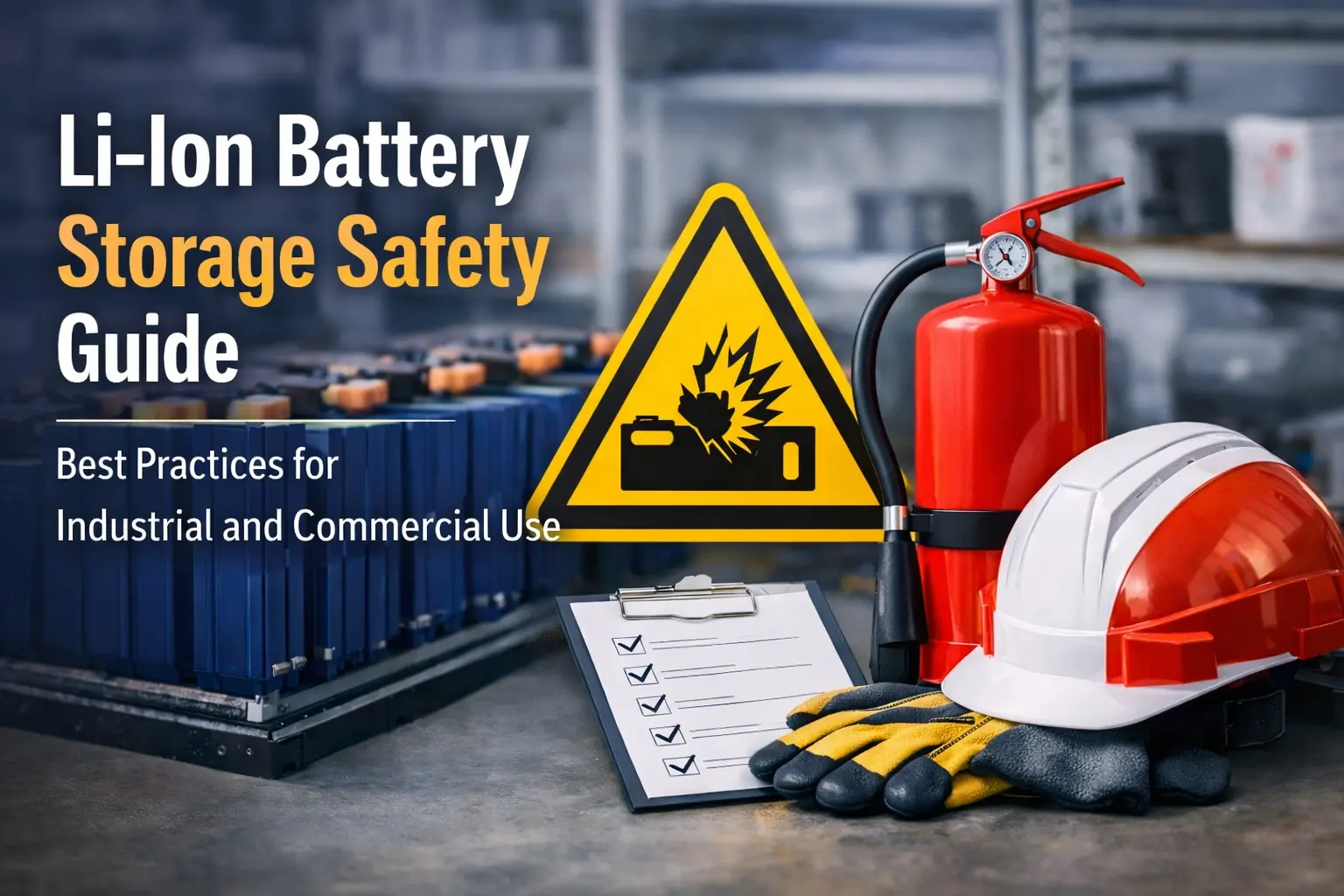
Businesses using power tools, e-bikes, or large battery packs need extra care. Store batteries in fireproof cabinets and do regular safety checks. For large battery systems (like solar panel batteries), consider fire suppression systems.
Special Risks: E-bikes And Electric Vehicles
Electric bikes and cars use large battery packs. Fires from these are rare, but when they do happen, they can be severe.
- Charge e-bikes and scooters outside if possible, or in a garage away from living areas.
- Do not modify battery packs or chargers.
- Watch for recalls—manufacturers sometimes recall batteries found to be unsafe.
- For electric vehicles, park outside if you suspect a battery problem (smoke, warning lights, or leaks).
An important insight: water can make electric vehicle battery fires worse, but firefighters use thousands of liters to cool the battery and stop the chain reaction. If your car’s battery is damaged or involved in an accident, have it checked by a professional right away.
Credit: ushazmatstorage.com
Common Battery Fire Myths
Many people believe things about battery fires that are not true:
- Myth: Water will put out a battery fire.
- Fact: Water can make lithium-ion battery fires worse and cause explosions.
- Myth: Only damaged batteries catch fire.
- Fact: Even new batteries can catch fire if overcharged or overheated.
- Myth: Battery fires are easy to put out.
- Fact: They burn hot, release toxic gases, and can reignite.
Knowing the facts helps you respond correctly if a fire starts.
Comparing Fire Extinguishers For Battery Fires
Not all fire extinguishers work for battery fires. Here’s a quick comparison:
| Extinguisher Type | Works on Battery Fires? | Notes |
|---|---|---|
| Water | No | Dangerous for lithium-ion batteries |
| CO2 | Somewhat | Works for small fires, but not always effective |
| Dry Chemical (ABC) | Yes | Best for home and office use |
| Class D (metal fires) | Yes | Best for large lithium fires, but expensive |
For most homes, a dry chemical (ABC) extinguisher is the best choice for small battery fires.
Battery Fire Safety Checklist
Use this checklist to keep your home or workplace safe:
- Inspect batteries for damage regularly
- Only use proper chargers
- Never charge near flammable materials
- Store spare batteries in cases, away from metal
- Recycle old batteries safely
- Train everyone on fire response steps
- Keep a suitable fire extinguisher nearby
Following these steps lowers the risk of a battery fire and prepares you to act fast if something goes wrong.
Frequently Asked Questions
What Is Thermal Runaway In Batteries?
Thermal runaway happens when a battery overheats and begins a chain reaction inside. This reaction releases more heat, which damages the battery further, causing fire or explosion. It is the main reason why lithium-ion batteries catch fire.
Can I Use My Phone If The Battery Is Swollen?
No, you should stop using a device with a swollen battery immediately. Swelling means the battery is failing and could catch fire or leak dangerous chemicals. Take it to a professional for safe removal and recycling.
Is It Safe To Charge My Devices Overnight?
It’s safer to unplug devices once they are fully charged. Modern phones often stop charging automatically, but older devices may not. Overcharging can stress the battery and increase fire risk, especially if you use an off-brand charger.
What Should I Do If My Battery-powered Device Gets Wet?
If a device with a lithium-ion battery gets wet, turn it off right away, unplug it, and remove the battery if possible. Water can cause a short circuit. Let everything dry completely before trying to use or charge it again.
Where Can I Recycle Old Batteries?
Most electronics stores, recycling centers, and some supermarkets have battery recycling bins. You can find local drop-off points by searching online or visiting EPA Battery Recycling.
Keeping batteries safe is everyone’s responsibility. By learning the risks, handling batteries with care, and knowing what to do in an emergency, you protect your family, home, and the environment. Stay alert, stay prepared, and help spread battery fire safety knowledge to others around you.
Credit: leoguarbikes.com