
Flux core and solid wire welding are two of the most common methods in the world of metal fabrication. If you’re new to welding or looking to decide which process fits your project, you’re not alone. Many people struggle to understand the differences, strengths, and weaknesses of each. Making the right choice can mean easier work, better results, and even saving money. This article will break down everything you need to know about flux core and solid wire welding—in clear language, backed by practical insights and real examples.
What Is Flux Core Welding?
Flux core welding, often called FCAW (Flux-Cored Arc Welding), uses a special wire with a hollow center filled with flux. As you weld, this flux melts and creates a protective gas and slag around the weld pool. This means you usually don’t need extra shielding gas.
Flux core welding is popular in construction, auto repair, and outdoor jobs. It works well with thicker metals and in windy environments. Most DIY welders and hobbyists try flux core first because the equipment is simple and affordable.
Types Of Flux Core Wire
There are two main types:
- Self-shielded flux core wire (FCAW-S): Does not need extra gas. Great for outdoor use.
- Gas-shielded flux core wire (FCAW-G): Needs an external shielding gas for cleaner welds.
Self-shielded wire is more common for home and field use. Gas-shielded wire is preferred in shops and factories.
What Is Solid Wire Welding?
Solid wire welding, also known as GMAW (Gas Metal Arc Welding) or MIG (Metal Inert Gas) welding, uses a solid metal wire as the electrode. The wire feeds through the welding gun, and an external shielding gas (often argon or a mix with CO₂) protects the weld from contamination.
Solid wire welding is a go-to method for car bodywork, sheet metal, and indoor projects. It produces clean, neat welds with less spatter compared to flux core.
Why Solid Wire Needs Shielding Gas
The shielding gas is vital. Without it, the weld would react with air, leading to weak and dirty joints. This means solid wire welding is best indoors or in places with little wind.
How Each Method Works
Both processes look similar—wire feeds out as you pull the trigger—but they have key differences:
- Flux core: The flux inside the wire creates gas and slag, protecting the weld.
- Solid wire: Needs a separate gas tank and regulator for shielding.
Here’s a simple comparison:
| Feature | Flux Core | Solid Wire (MIG) |
|---|---|---|
| Shielding | Flux in wire | External gas needed |
| Outdoor Use | Works well | Not recommended |
| Metal Thickness | Thicker metals | Thin metals |
| Weld Cleanliness | More spatter, slag to remove | Clean, little slag |
Key Advantages Of Flux Core Welding
Flux core welding is popular for a reason. Here’s why:
- Welds through rust and paint: Flux core wire can handle dirty, rusty, or painted metals better than solid wire.
- Better for outdoors: Wind does not blow away the shielding gas, because flux makes its own.
- Thicker metal: Penetrates deeper, making it ideal for heavy-duty jobs.
- Portable setups: No need to carry gas tanks for self-shielded wire.
Non-obvious Insight
Many beginners forget that flux core’s ability to weld through dirty metal can save hours of prep time. You don’t always need a perfect surface—just brush off loose material.
Key Advantages Of Solid Wire Welding
Solid wire welding stands out for its finish and ease:
- Clean welds: Leaves almost no slag, so less grinding and cleaning.
- Smoother arc: Easier to control for beginners.
- Fast speed: Great for long, continuous welds on clean metal.
- Thin metals: Less risk of burn-through compared to flux core.
Non-obvious Insight
With solid wire, the arc is more stable, which means less spatter. This matters when appearance is important, like on car panels or furniture.
Common Uses And Applications
Where Flux Core Shines
- Construction: Welds can handle heavy steel beams and outdoor conditions.
- Farm repairs: Tractors and equipment often have rust or old paint.
- Home projects: Fences, gates, and trailers that see rough use.
Where Solid Wire Is Best
- Auto bodywork: Thin, clean steel panels.
- Manufacturing: Assembly lines and robots use MIG for speed and quality.
- DIY projects: Furniture, frames, and small parts indoors.
Credit: www.youtube.com
Equipment Differences
The basic tools look similar, but there are differences that affect price and setup.
| Equipment | Flux Core | Solid Wire (MIG) |
|---|---|---|
| Welder | Basic or multi-process | MIG welder with gas setup |
| Wire | Flux core wire | Solid wire |
| Gas needed? | No (self-shielded) | Yes |
| Regulator | Not needed | Needed |
| Cost | Lower startup | Higher startup (gas tank) |
Practical Example
A small farm repair kit might have a flux core welder you can plug into a standard outlet. But a body shop will use a full MIG setup with gas for cleaner welds.
Weld Quality: Appearance And Strength
Flux Core Results
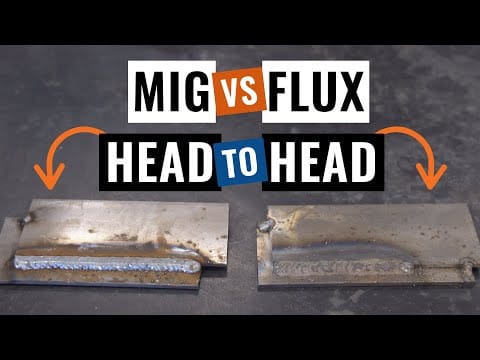
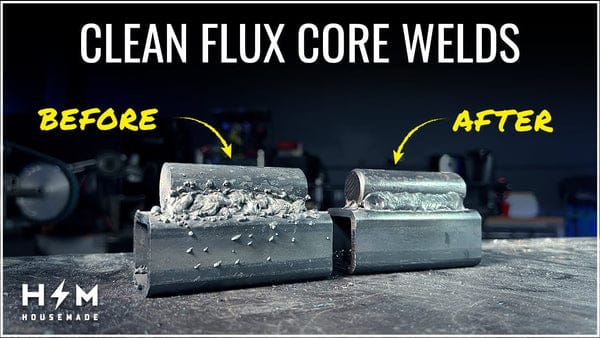
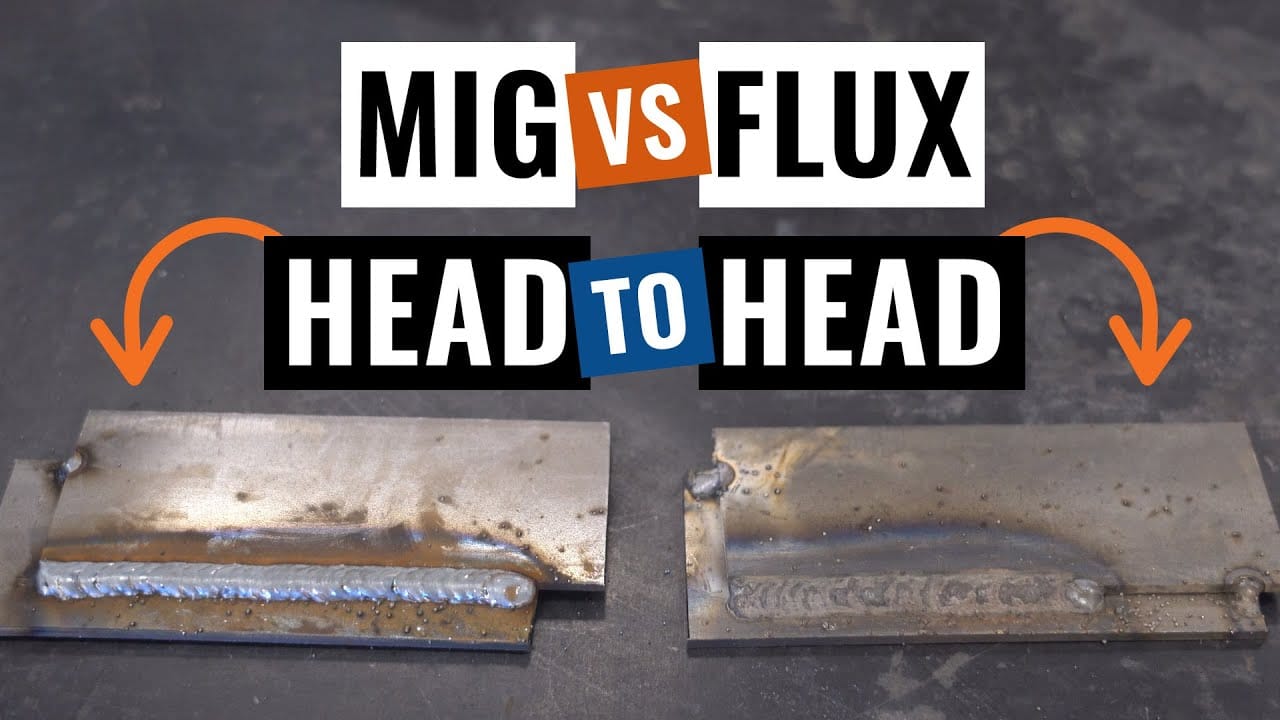
Flux core can make strong welds, sometimes even stronger than MIG. But, it leaves slag on top—a glassy layer you must chip off. The welds can look rougher with more spatter.
Solid Wire Results
MIG welds are smooth, shiny, and neat. There’s little to no slag, so you see the result right away. For showpieces or visible parts, solid wire is the clear winner.
Data
- Tensile strength for both methods can reach 70,000 psi with the right settings.
- Flux core is often used for structural welds on bridges and buildings.
- Solid wire is trusted for precision and appearance.
Credit: yeswelder.com
Challenges And Common Mistakes
Flux Core Pitfalls
- Too much spatter: Try adjusting voltage or keeping the gun angle correct.
- Incomplete fusion: Move slower on thicker metal, or use higher settings.
- Dirty welds: Always clean off heavy oil, grease, or thick rust.
Solid Wire Pitfalls
- Porosity: If your weld looks like a sponge, check your gas flow and look for wind.
- Burn-through: Turn down heat on thin metals, or move the gun faster.
- Poor penetration: Clean the joint, set the wire speed and voltage properly.
Extra Tip
Many new welders forget to check their wire feed tension. Too tight, and the wire jams. Too loose, and it won’t feed smoothly.
Cost And Practical Considerations
Startup Costs
- Flux core: Machines start at $150–$300 for basic models. Wires are affordable.
- Solid wire: Machines cost more ($300+), plus you need a gas tank, which can add $100 or more.
Ongoing Costs
- Flux core wire is usually more expensive per pound, but you save on not buying gas (if self-shielded).
- Solid wire is cheaper, but you must refill gas tanks.
Maintenance
- Flux core guns get dirtier, so clean them often.
- Solid wire guns stay cleaner but gas hoses and regulators need checking.
Choosing The Right Method For Your Project
If you’re still not sure, ask yourself:
- Will you weld outdoors? Choose flux core.
- Is your metal clean and thin? Go with solid wire.
- Do you want the best appearance? Solid wire wins.
- Do you need portability? Flux core is simpler.
Here’s a side-by-side summary:
| Factor | Flux Core | Solid Wire |
|---|---|---|
| Wind Resistance | Excellent | Poor |
| Clean Metal Needed? | No | Yes |
| Best for Beginners | Yes (for repair work) | Yes (for neat welds) |
| Slag Removal | Required | Not needed |
Safety Concerns
Both methods create intense heat and bright light. However, flux core welding produces more smoke and fumes due to the flux. Always weld in a well-ventilated area. Use proper gloves, helmets, and eye protection for both.
If you’re using solid wire and gas, ensure your gas cylinders are stored upright and handled safely.
Credit: www.youtube.com
Industry Standards And Certifications
Many industries accept both methods, but for critical structures (like bridges), welders may need specific certifications. Tests often cover both FCAW and GMAW. For more on welding codes, the American Welding Society sets many standards.
Final Thoughts
Understanding the real differences between flux core and solid wire welding will help you choose the right tool for your next project. Flux core is rugged, forgiving, and works nearly anywhere. Solid wire gives you control, speed, and beautiful welds indoors. Both methods have their place—and knowing when to use each is what separates a good welder from a great one. With practice and attention to details like metal prep, settings, and safety, you’ll get strong, reliable welds every time.
Frequently Asked Questions
What Metals Can I Weld With Flux Core And Solid Wire?
Both methods work best on steel. Flux core handles thicker, rustier steel well. Solid wire is better for thin, clean steel. Aluminum and stainless steel usually require special wire and shielding gas—solid wire is more common for these metals.
Can I Use My Mig Welder For Flux Core Welding?
Most MIG welders can run flux core wire if you switch the polarity (DCEN for flux core) and use the right drive rollers. Check your manual for details.
Which Welding Method Is Easier For Beginners?
Solid wire (MIG) is often easier for neat welds on clean metal. Flux core is more forgiving for rough surfaces or outdoor work. Many beginners start with flux core due to lower cost.
How Do I Reduce Spatter With Flux Core Welding?
Clean your metal, use the correct settings, and keep a steady hand. Anti-spatter spray on your nozzle helps too.
Is Flux Core As Strong As Mig Welding?
Yes, when used correctly, flux core welds can be as strong—or sometimes stronger—than MIG (solid wire) welds. The key is using proper technique and the right wire for your project.
