
When it comes to smoothing wood, removing old finishes, or preparing surfaces for paint, many DIYers and woodworkers must choose between two popular tools: the belt sander and the orbital sander. Each has its own strengths, weaknesses, and ideal uses. Choosing the right one can save you hours of work and deliver a better finish. But what exactly makes these sanders different, and how do you decide which is best for your project? Let’s look deeper into these tools, compare their features, and help you make an informed decision.
What Is A Belt Sander?
A belt sander is a powerful tool designed for aggressive sanding. It uses a continuous loop of sandpaper—called a sanding belt—which spins around two drums. This movement creates a strong, linear sanding action. Belt sanders are commonly used for:
- Rapidly removing material from wood
- Leveling uneven boards
- Stripping paint or finishes
- Smoothing large, flat surfaces
Belt sanders come in various sizes, with the most common belts being 3×18 inches, 3×21 inches, and 4×24 inches. The larger the belt, the more surface area it covers with each pass.
One thing to note: belt sanders are not forgiving. They can quickly eat through wood if you’re not careful, leaving gouges or uneven spots.
What Is An Orbital Sander?
An orbital sander, sometimes called a finishing sander or palm sander, uses a square or rectangular sanding pad that moves in small orbits. Unlike the belt sander’s linear motion, the orbital sander’s pad vibrates in tiny circles. This makes it ideal for:
- Light to medium sanding tasks
- Smoothing surfaces between coats of paint or varnish
- Working in tight corners or edges
- Finishing work where a smooth, swirl-free surface is needed
Orbital sanders are generally lighter and easier to control, making them a popular choice for beginners or anyone needing a fine finish.
Key Differences Between Belt Sander And Orbital Sander
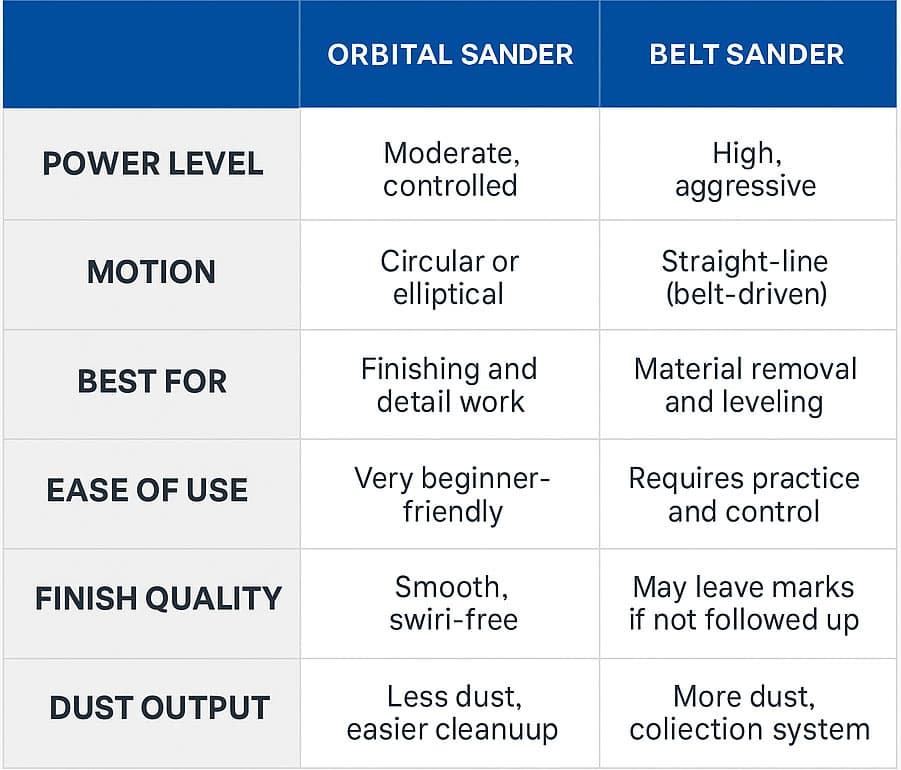
Understanding the differences between these tools is essential for picking the right one. Here are the main factors that set them apart:
| Feature | Belt Sander | Orbital Sander |
|---|---|---|
| Motion | Linear (straight line) | Orbital (small circles) |
| Material Removal Speed | Very fast, aggressive | Slower, gentle |
| Finish Quality | Rough | Smooth |
| Control | Requires skill | Easy, beginner-friendly |
| Best For | Large, flat surfaces | Small, detailed areas |
When To Use A Belt Sander
A belt sander is best for jobs where you need to remove a lot of material quickly. Here are some examples:
- Leveling Boards: If you have a table top made from several boards and some are higher than others, a belt sander can even them out fast.
- Stripping Paint: Old paint or varnish on doors and floors comes off quickly with a coarse sanding belt.
- Shaping Wood: Need to round off an edge or shape a curve? A belt sander can help, but you must be careful not to over-sand.
- Fixing Warps: For slightly warped boards, a belt sander can flatten them enough for basic carpentry.
However, belt sanders can damage soft woods if you press too hard or stay in one spot. Always keep the sander moving and use lighter pressure for better control.
When To Use An Orbital Sander
Orbital sanders shine when you need a smooth, scratch-free finish. They are perfect for:
- Finishing Surfaces: After using a belt sander, switch to an orbital sander to remove scratches and swirls.
- Sanding Between Coats: If you are painting or varnishing, use an orbital sander with fine grit to prepare the surface between coats.
- Small Projects: Furniture, cabinets, and crafts often have corners and tight spots. An orbital sander is easier to maneuver in these areas.
- Delicate Woods: For soft woods or thin veneers, an orbital sander is less likely to cause damage.
Because orbital sanders are lighter and less aggressive, they are less likely to gouge or ruin your workpiece.
Types Of Orbital Sanders
You may hear about two types of orbital sanders:
- Standard Orbital Sander: Has a square or rectangular pad. Good for getting into corners.
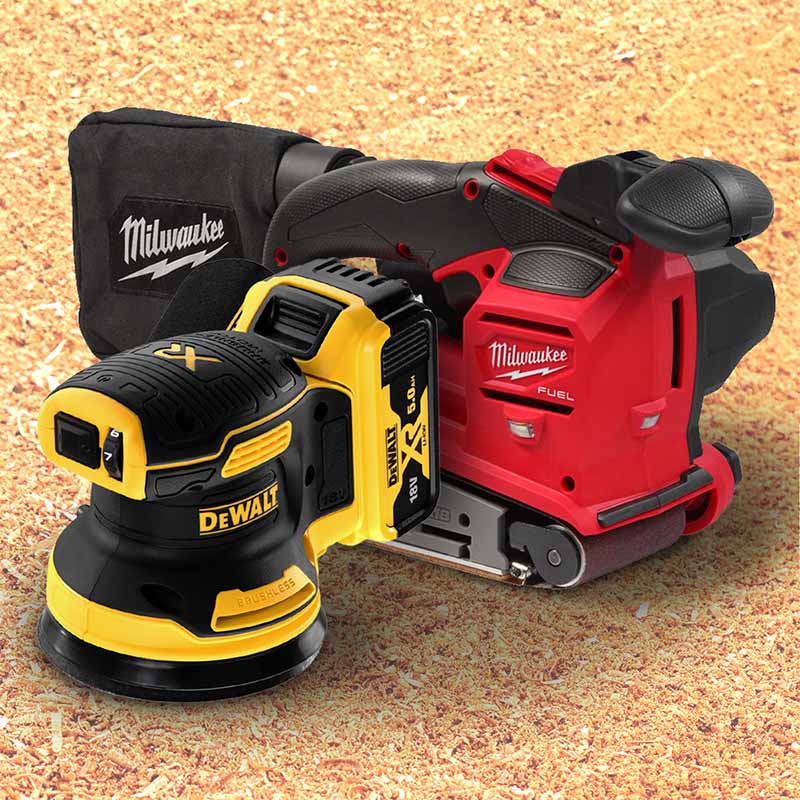
- Random Orbital Sander: Uses a round pad that spins and orbits at the same time, reducing swirl marks and delivering an even smoother finish.
Random orbital sanders are more versatile and are a favorite for many professionals and hobbyists.
Credit: blog.toolden.co.uk
Pros And Cons: Belt Sander Vs Orbital Sander
Looking at the advantages and disadvantages helps clarify which tool matches your needs.
| Belt Sander | Orbital Sander | |
|---|---|---|
| Pros | – Fast material removal – Great for large surfaces – Good for heavy stripping jobs | – Smooth finish – Works on corners and edges – Easy to control – Lower risk of damaging wood |
| Cons | – Can be hard to control – Leaves visible scratches – Not for detailed work – Heavy and noisy | – Slower material removal – Not ideal for large, rough jobs – Can leave swirl marks if not used correctly |
Choosing The Right Sander: Key Factors To Consider
Before buying or using a sander, think about these important points:
1. Surface Size
For large, flat surfaces like floors or tabletops, a belt sander saves time. If your project is small, has many corners, or curves, an orbital sander is a better fit.
2. Material Type
Hardwoods can handle aggressive sanding. Softwoods, plywood, or veneers need the gentler touch of an orbital sander to avoid damage.
3. Finish Quality
If you want a fine, smooth finish, choose an orbital sander, especially for the final sanding stages.
4. Skill Level
Belt sanders require more experience. If you’re a beginner, you might find it easier to start with an orbital sander.
5. Dust Management
Both tools create a lot of dust. Many modern sanders come with dust bags or can connect to a shop vacuum. Dust control is essential for health and a clean workspace.
6. Budget
Belt sanders are usually a bit more expensive, especially for larger models. Orbital sanders are widely available and come in a range of prices for all budgets.
Real-world Examples
Let’s say you’re refinishing a hardwood floor. You’ll want to start with a belt sander to remove the old finish and flatten the boards. When that’s done, switch to an orbital sander with finer grit to get a smooth surface ready for varnish.
Or, if you’re building a small wooden jewelry box, you’ll do almost all the sanding with an orbital sander, since it’s easier to control in tight spaces and won’t risk damaging the delicate wood.
Non-obvious Insights For Beginners
Many new woodworkers think one sander can do it all. But using a belt sander for finishing can actually ruin a project, while using an orbital sander for heavy removal will take forever.
Another thing beginners often miss: sandpaper grit matters as much as the tool. Using coarse grit on an orbital sander can create scratches just like a belt sander. Always start with a coarse grit for removal, then move to finer grits for finishing.
Also, applying too much pressure on either sander doesn’t make the job faster. In fact, it can slow the motor and create uneven surfaces. Let the weight of the tool do most of the work.
Safety Tips For Both Sanders
- Wear a dust mask and safety glasses.
- Keep hands and loose clothing away from moving parts.
- Always unplug the tool before changing sandpaper.
- Use ear protection for longer sanding sessions.
Maintenance And Longevity
To keep your sander working well:
- Clean dust bags or filters regularly.
- Replace sandpaper as soon as it’s worn.
- Check power cords for damage.
- Store the tool in a dry place.
With good care, both belt and orbital sanders will last for years.
Credit: www.youtube.com
Which Sander Is Right For You?
The choice comes down to your main project needs:
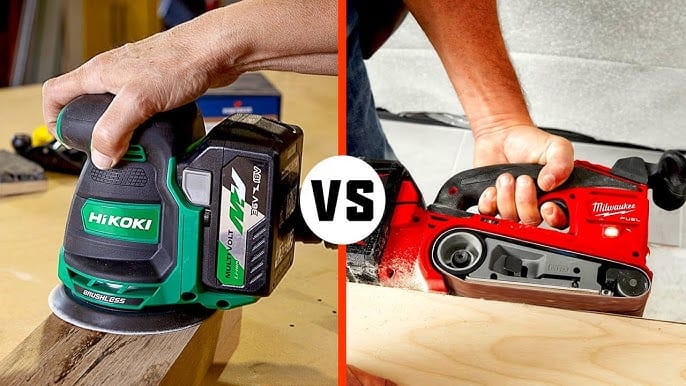
- For big, rough jobs: Belt sander
- For finishing and detail work: Orbital sander
- For versatility: Many woodworkers own both
If you’re starting a workshop, an orbital sander is the better first tool. As your projects get bigger or more demanding, adding a belt sander will save you time and effort.
For more information on sanding tools and techniques, you can check this Wikipedia guide.
Frequently Asked Questions
What Is The Main Difference Between A Belt Sander And An Orbital Sander?
The main difference is in their sanding motion and purpose. A belt sander uses a looped belt for fast, aggressive removal in a straight line, while an orbital sander uses a vibrating pad for a finer, smoother finish.
Can I Use A Belt Sander For Finishing Work?
While possible, it’s not recommended. Belt sanders are too aggressive for finishing and can leave scratches or gouges. Use an orbital sander or random orbital sander for smooth, final sanding.
Which Sander Is Better For Beginners?
An orbital sander is usually better for beginners because it’s easier to control and less likely to damage the wood.
What Type Of Sandpaper Should I Use?
Start with a coarse grit (60–80) for heavy removal, then switch to medium (120–150) and fine (220 or higher) for finishing. Match the sandpaper type to your sander—belts for belt sanders, sheets or discs for orbital sanders.
Do I Need Both Types Of Sanders In My Workshop?
If you work on a variety of projects, owning both can be very helpful. Use the belt sander for big, rough jobs and the orbital sander for smooth finishing and detail work.
Choosing the right sander can make woodworking easier, faster, and deliver better results. By understanding the strengths of belt sanders and orbital sanders, you’ll get the most from your tools and enjoy your projects even more.
Credit: learn.kregtool.com