Heat Gun Temperature Settings: Complete Guide by Application

Heat Gun Temperature Settings

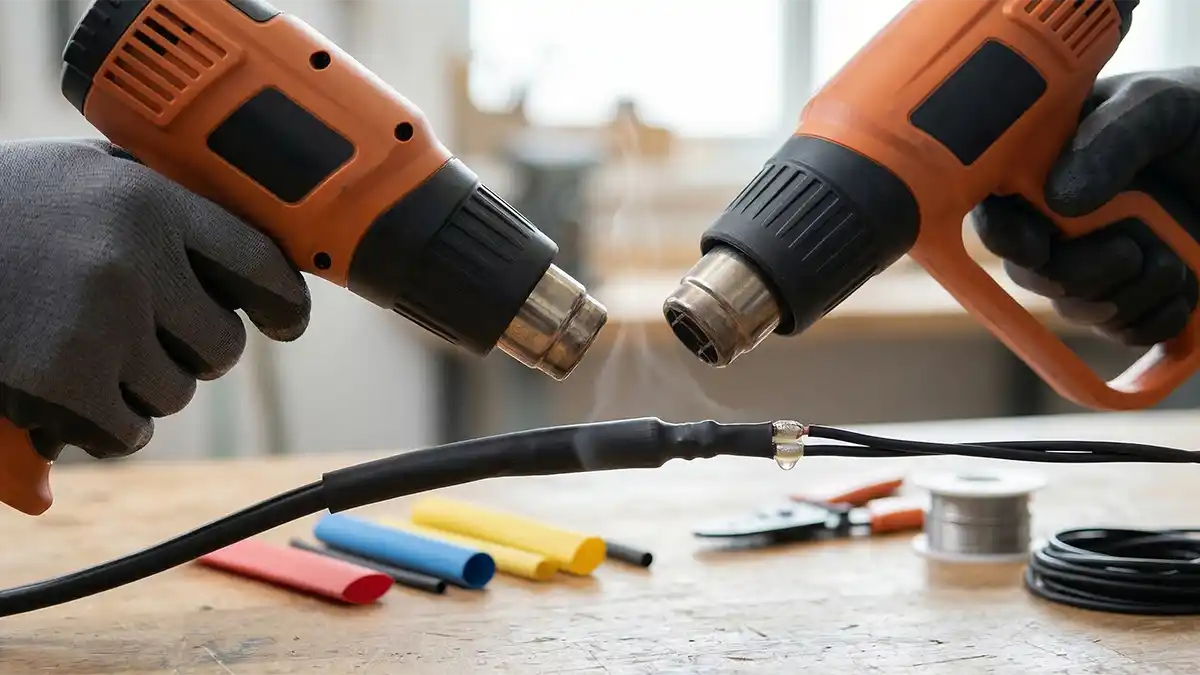
Heat Gun Temperature Settings: Complete Guide by Application Using a heat gun at the wrong temperature is the most common cause of damaged materials, insufficient results, and safety incidents. Too low and the material won’t respond; too high and you scorch, melt, or ignite it. This guide gives you the correct temperature range for every …
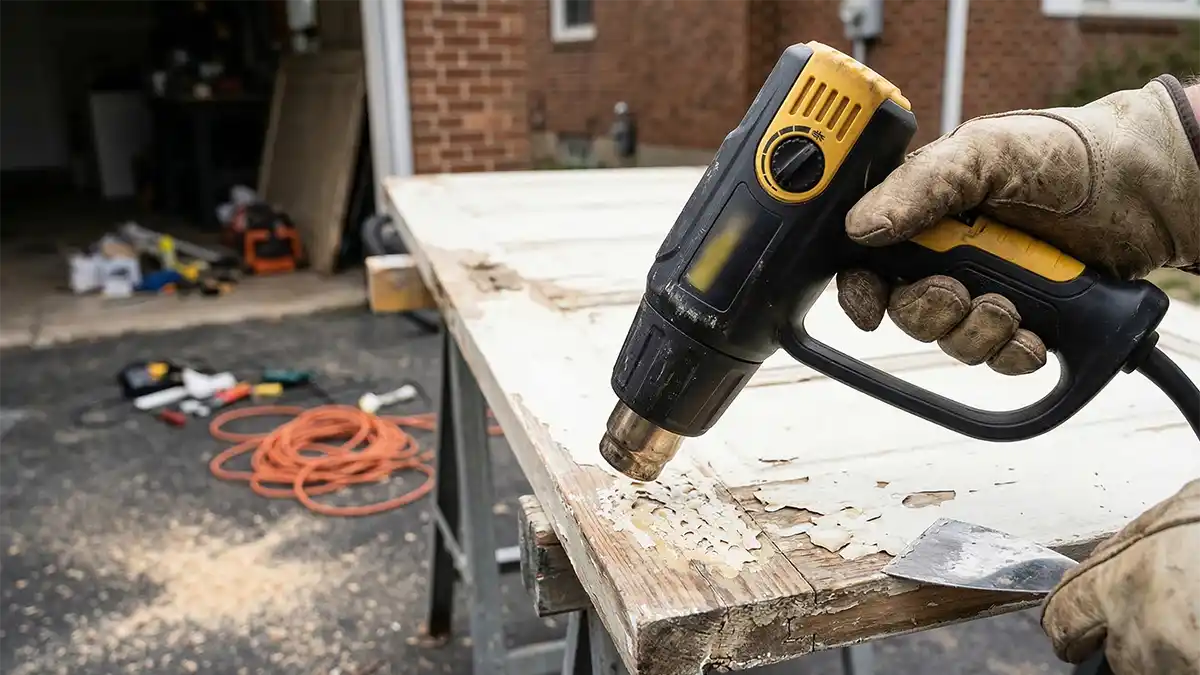

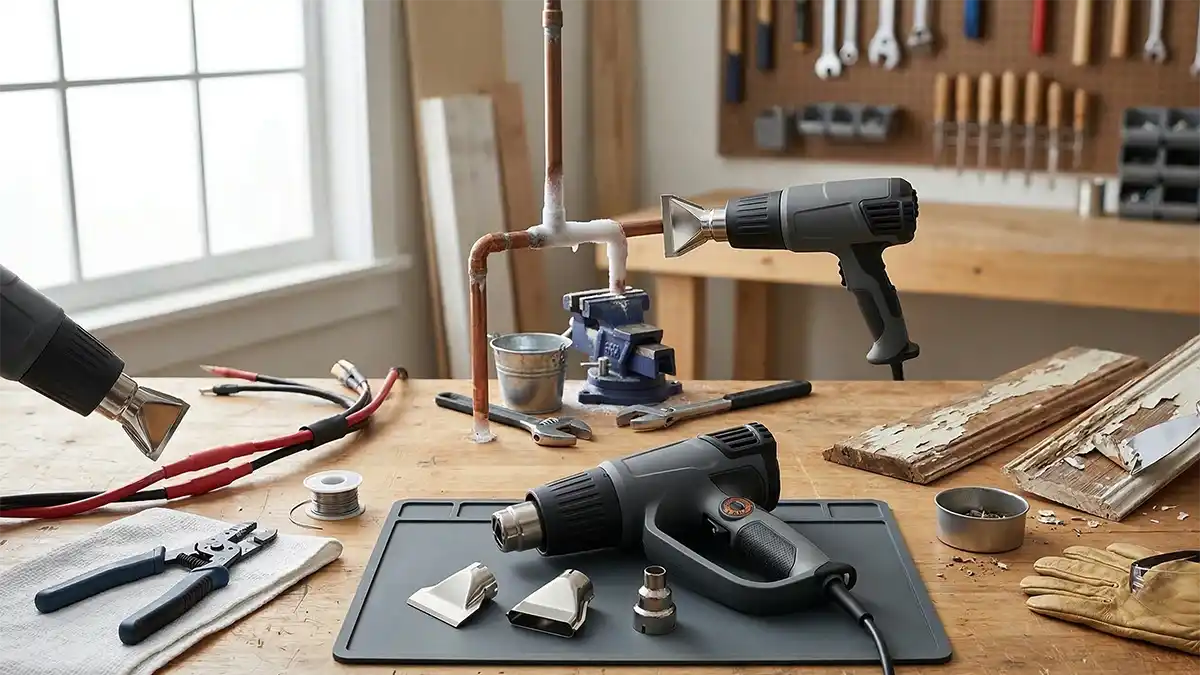
Read more

How to Desolder Components: 3 Methods That Work

How to Desolder Components

Knowing how to desolder components the right way saves circuit boards, time, and money. Whether you’re pulling a blown capacitor off an old amplifier or salvaging an IC from a dead motherboard, the technique you choose directly decides whether the pad survives or lifts off the board. This guide walks through the three desoldering methods …

Read more

How to Use a Heat Gun: Techniques and Temperature Guide

How to Use a Heat Gun

How to Use a Heat Gun: Techniques, Temperature Settings, and Best Uses A heat gun delivers a controlled stream of hot air ranging from about 120°F to over 1,100°F (50°C to 600°C), making it one of the most versatile tools in a DIY workshop. You can use it to shrink heat shrink tubing, strip paint, …

Read more

Heat Gun for Heat Shrink Tubing: Complete Sizing Guide

Heat Gun for Heat Shrink Tubing

Heat Gun for Heat Shrink Tubing: Temperature, Technique, and Sizing Heat shrink tubing requires a heat source in the 200–350°F (93–175°C) range to shrink fully and uniformly. A heat gun is the ideal tool — it delivers the right temperature range with controlled airflow and lets you keep moving along the tubing for even coverage. …

Read more

How to Test a Car Alternator with a Multimeter

How to Test a Car Alternator with a Multimeter

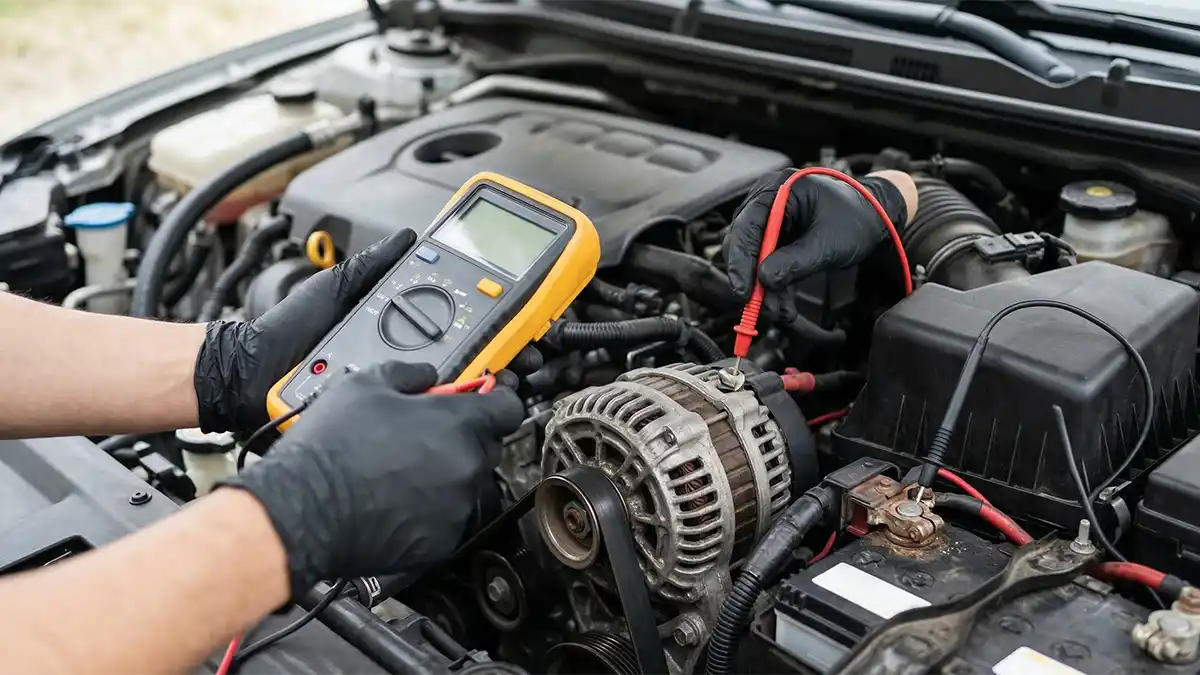
How to Test a Car Alternator with a Multimeter: Step-by-Step Diagnosis A healthy car alternator should produce 13.8–14.8 volts DC at the battery terminals when the engine is running. If your battery keeps dying, your dashboard warning light is on, or your electrical accessories dim at idle, your alternator may be failing. A multimeter test …

Read more

Cordless Drill Battery Life Tips: Make Your Pack Last Longer

Cordless Drill Battery Life Tips

A lithium-ion battery pack for a cordless drill typically costs $40–$100 to replace and lasts 3–5 years under normal use. The difference between a battery that dies after 18 months and one that’s still going strong at 5 years comes down to how you charge it, store it, and use it. None of the tips …

Read more

Brushless vs Brushed Drill Motor: Real Differences That Matter

Brushless vs Brushed Drill Motor

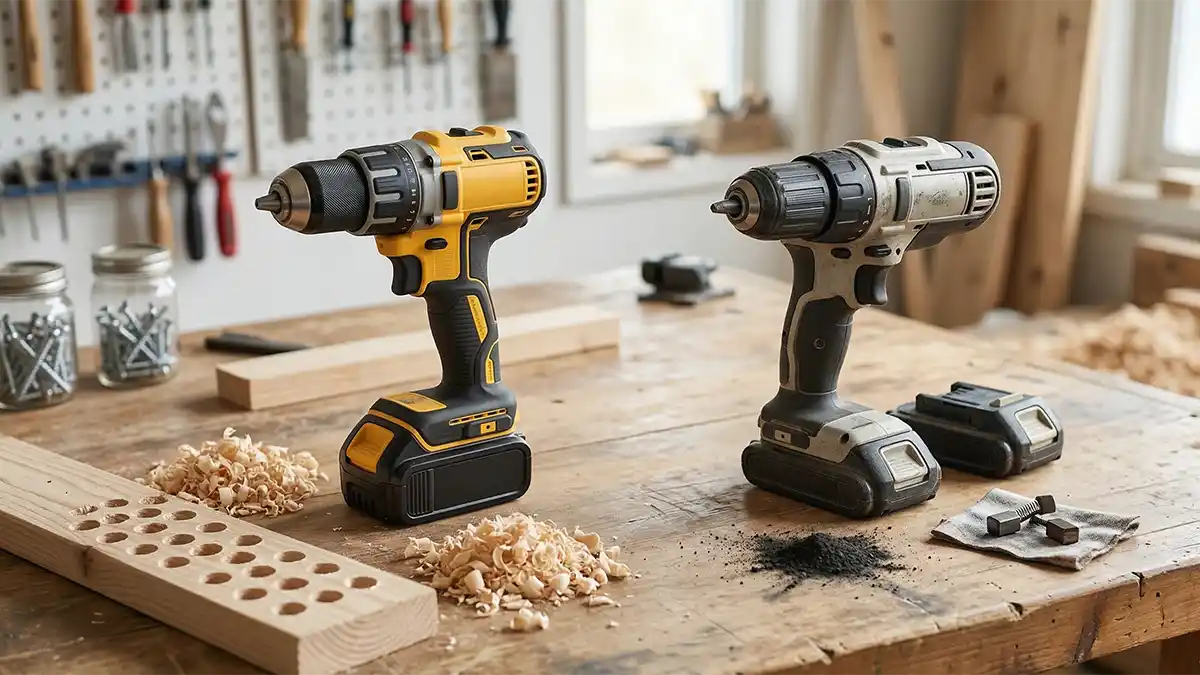
A brushless drill motor uses electronic sensors to commutate the motor instead of physical carbon brushes, making it more efficient, longer-lasting, and more powerful per battery charge. A brushed drill uses carbon brushes that contact a spinning commutator ring — simpler and cheaper to build, but less efficient and prone to brush wear over time. …

Read more

Best Voltage Testers (2026): Top 10 Safe & Accurate Picks

Best Voltage Testers

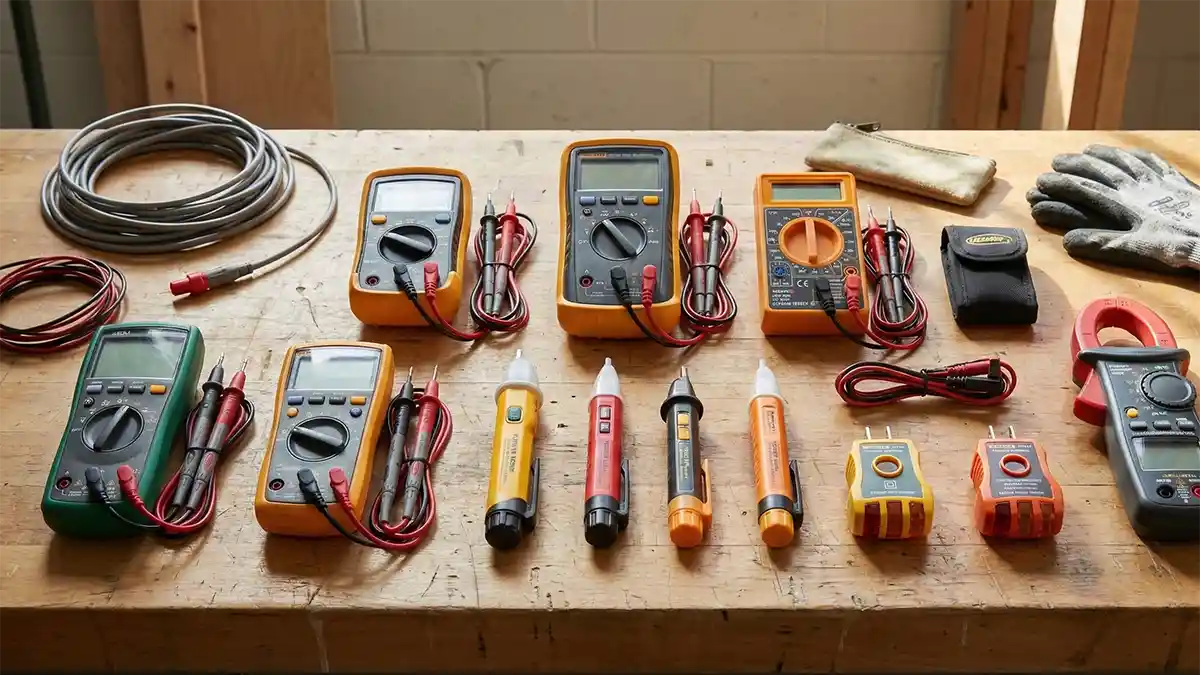
Quick Answer: The best voltage tester for most homeowners is a non-contact tester like the Klein Tools NCVT-3P — it detects live voltage without touching wires. For electricians needing precise readings, a solenoid tester like the Fluke T6-1000 is the professional standard. ⚠️ Affiliate Disclosure: As an Amazon Associate, Power Tools Today earns from qualifying …

Read more

🛒 Affiliate Disclosure: As an Amazon Associate, I earn from qualifying purchases. Some links on this site are affiliate links — clicking them may earn us a small commission at no extra cost to you. Learn more