
Using a circular saw can turn a simple woodworking project into a professional-looking result. But this powerful tool demands respect. Every year, thousands of injuries happen because people do not use their circular saws correctly. Whether you are a DIY beginner or someone with some experience, understanding circular saw safety is critical. A small mistake can cause serious harm, but with the right steps, you can cut wood, plastic, and even some metals with confidence and precision.
In this guide, you will learn everything you need to use a circular saw safely—from choosing the right equipment to proper cutting techniques, and what to do if something goes wrong. You’ll also discover tips that many beginners often miss, like how to check your work area and why you should never force the tool.
If you want to protect your hands, eyes, and get clean, accurate cuts, keep reading.
Understanding The Circular Saw
A circular saw is a power tool with a round, sharp blade that spins at high speed. It can make straight cuts through many materials and is a favorite for building, remodeling, or crafting projects. Circular saws come in different types, but most use a 7¼-inch blade. You hold the saw with both hands, guide it along your cut line, and let the spinning blade do the work.
There are two main types of circular saws:
- Sidewinder (direct drive): The motor sits beside the blade, making it lighter and faster. Good for most home projects.
- Worm drive: The motor is behind the blade. These are heavier, have more torque, and are often used for tougher jobs.
Basic Saw Parts
Knowing your tool is part of being safe. Here are the main parts:
- Blade guard: Covers the blade when not cutting.
- Base plate (shoe): Rests on your material and helps guide the saw.
- Bevel adjustment: Lets you tilt the saw for angled cuts.
- Depth adjustment: Changes how deep the blade goes into the material.
- Trigger/switch: Starts and stops the saw.
Preparing For Safe Use
Before you even plug in or pick up your saw, preparation is key. Rushing this step is a common beginner’s mistake that leads to injuries.
Personal Protective Equipment (ppe)
Always wear the right safety gear:
- Safety glasses: Protect your eyes from flying debris.
- Hearing protection: Circular saws are loud and can damage your hearing.
- Dust mask: Sawdust can irritate your lungs.
- Work gloves: Help grip the saw and protect your hands.
- Proper clothing: Avoid loose sleeves or jewelry that can get caught.
Inspect Your Tool
Check the saw before every use:
- Is the blade sharp and clean?
- Are there cracks, missing teeth, or bent parts?
- Does the guard move freely and cover the blade when not cutting?
- Is the cord or battery in good shape?
Never use a damaged saw. Replace or repair broken parts first.
Check Your Workspace
A clear workspace is safer and makes cutting easier. Remove any clutter, cords, or obstacles. Make sure your material is firmly supported—never try to cut something that is wobbly or hanging in the air. Most accidents happen because the wood shifts or falls during a cut.
Choose The Right Blade
Use the correct blade for your material. For example, a wood-cutting blade is different from a metal-cutting blade. The number of teeth on a blade affects the smoothness of your cut. More teeth mean a smoother cut but slower work, while fewer teeth cut faster but rougher.
Here’s a comparison of common blade types:
| Blade Type | Material | Best For |
|---|---|---|
| Carbide-tipped | Wood, plywood | Clean, long-lasting cuts |
| High-speed steel | Soft wood | General use |
| Abrasive disc | Metal, masonry | Cutting metal, stone |
Setting Up Your Saw
Correct setup prevents many problems before you start cutting.
Adjusting Depth And Bevel
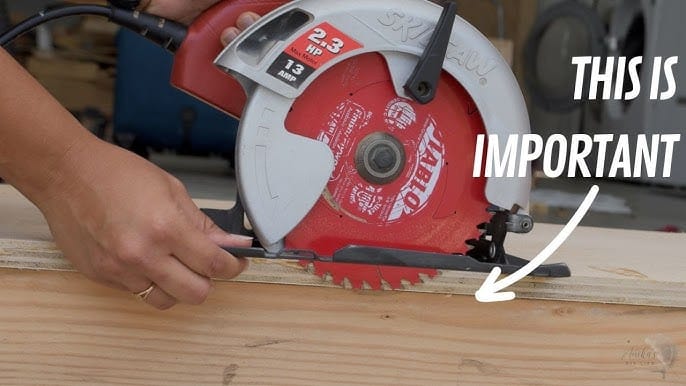
Set the blade depth so it is just a little deeper than the material. A good rule: the blade should stick out about 1/4 inch (6mm) below the wood. This gives a clean cut and less chance of kickback.
If you need an angled cut, use the bevel adjustment. Double-check your angle with a square or protractor.
Secure The Material
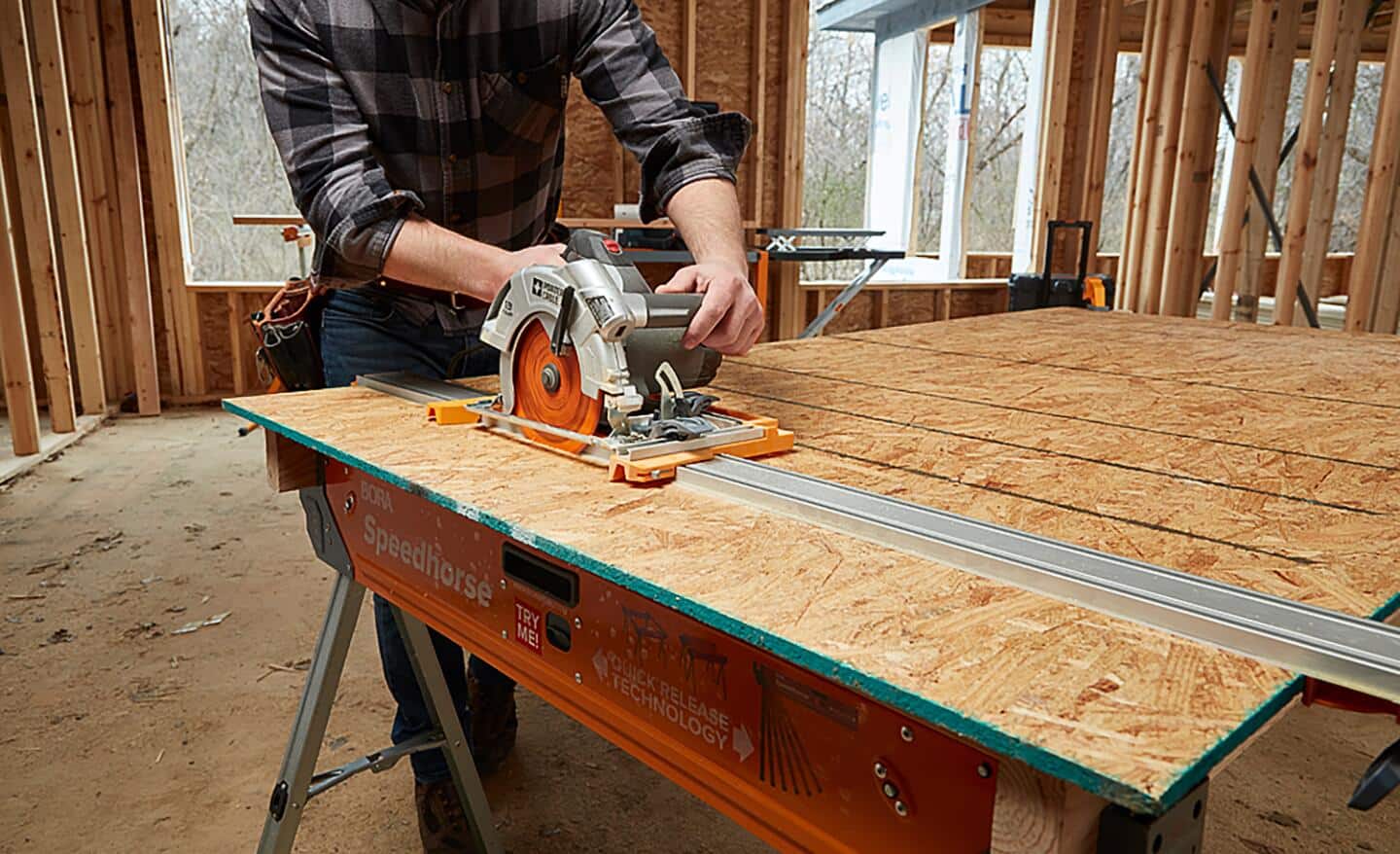
Use clamps or a sawhorse to hold your wood steady. Never try to hold the wood with one hand and cut with the other. This is a leading cause of hand injuries.
Making Safe Cuts
Now that you are ready, follow these steps to cut safely.
Mark Your Cut Line
Use a pencil and straight edge to draw your line. Bright, clear lines help you guide the saw and stay accurate.
Position Your Body
Stand to the side of the saw—not directly behind the blade. This way, if the saw kicks back, it won’t hit your body. Keep both feet balanced and your hands dry.
Start The Saw Before Touching The Wood
Let the saw reach full speed before you start the cut. Never start the saw with the blade touching your material.
Move Slowly And Steadily
Guide the saw along your line without forcing it. Pushing too hard can cause the saw to bind or kick back. Let the blade do the cutting.
Keep The Guard In Place
Never remove or tie back the blade guard. If it sticks, clean and oil it, but always keep it working.
Handling Common Problems
Even with preparation, things can go wrong. Knowing what to do keeps you safer.
Kickback
Kickback happens when the saw blade binds or gets pinched in the cut, causing the saw to jump back toward you. To avoid it:
- Keep the saw steady and move in a straight line.
- Do not twist or turn the saw while cutting.
- Make sure your material is well supported on both sides of the cut.
If you feel the saw binding, stop and check for pinched wood or a dull blade.
Cutting Small Pieces
Small pieces can be dangerous because there is less material to hold. Cut larger pieces first, then cut smaller parts later. Never put your hand close to the spinning blade.
Power Cord Safety
If you use a corded saw, keep the cord behind you and out of the cutting path. Tripping on the cord or cutting it by accident can cause electrical shock.
Advanced Safety Tips
Experienced users follow some extra steps for even safer and more accurate work.
Use A Guide Rail
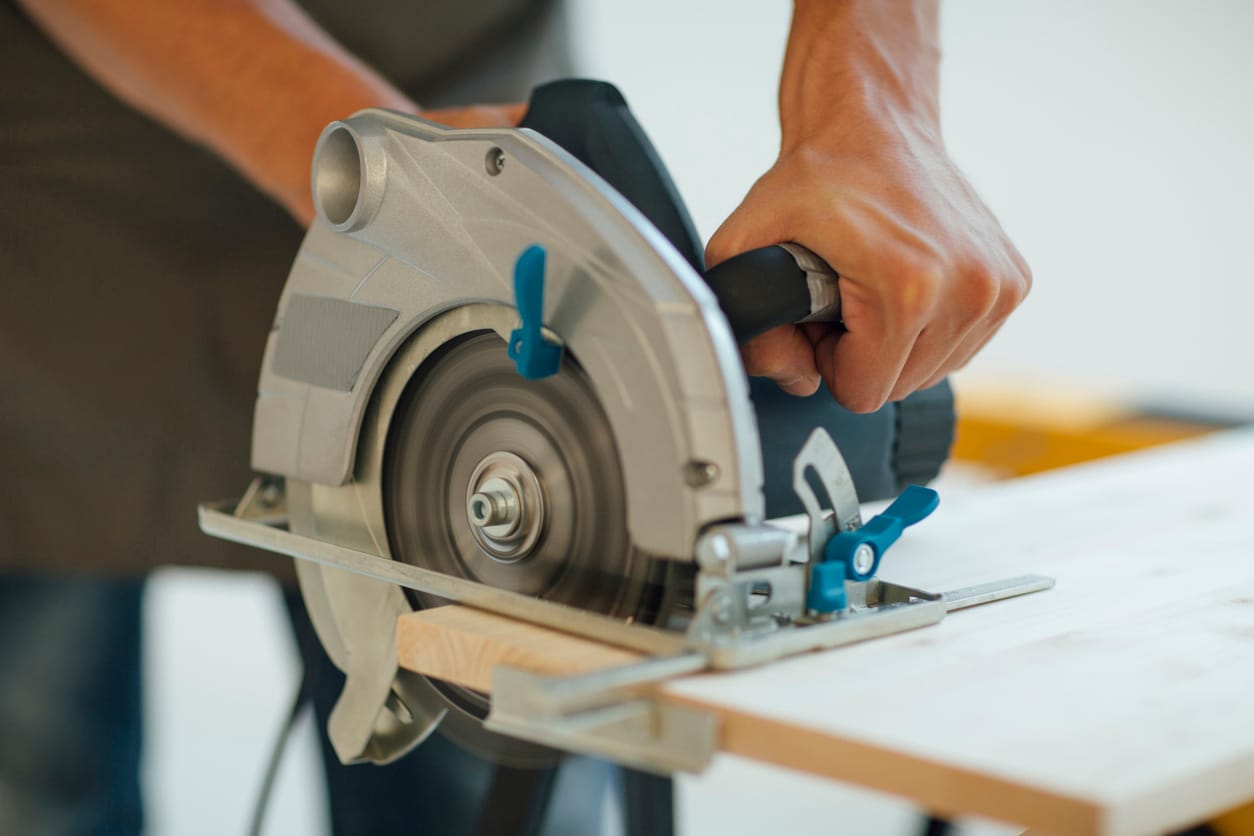
A guide rail helps you make perfectly straight cuts and reduces mistakes. You can buy one or make your own from scrap wood.
Check For Nails Or Metal
Before cutting reclaimed or old wood, check for hidden nails or screws. Hitting metal with your saw blade can damage the tool and send sharp pieces flying.
Mind The Dust
Wood dust can build up quickly. Use a shop vacuum or dust collection system if possible. Working outdoors or in a well-ventilated area helps keep the air clean.
Credit: osb.westfraser.com
Cleaning Up After Use
Finishing safely is as important as starting safely.
- Unplug the saw or remove the battery before cleaning.
- Brush off sawdust from the tool, cord, and blade guard.
- Check for blade damage after every use.
- Store the saw in a dry place, out of reach of children.
Comparing Circular Saws To Other Saws
Understanding how circular saws stack up against other common saws helps you choose the best tool for your project. Here’s a quick comparison:
| Saw Type | Best Use | Pros | Cons |
|---|---|---|---|
| Circular Saw | Straight cuts in wood, plastic, some metal | Portable, fast, versatile | Loud, needs steady hands |
| Miter Saw | Angled and cross cuts | Accurate angles, safer for small pieces | Less portable, expensive |
| Table Saw | Rip cuts, large sheets | Very accurate, stable | Bulky, not portable |
Two Safety Insights Beginners Miss
Many guides skip these important points:
- Blade direction matters: Always check that the blade teeth face the right way. Installing it backward can make the saw jump or burn the wood.
- Wait for the blade to stop: After finishing a cut, do not lift the saw until the blade has completely stopped spinning. Lifting too soon can cause the blade to catch and throw the saw toward you.
What To Do In Case Of An Accident
If an accident happens:
- Turn off and unplug the saw immediately.
- Apply pressure to stop bleeding.
- Call for medical help if the injury is serious.
Keep a first aid kit nearby and know the emergency number for your location.
Credit: www.homedepot.com
Circular Saw Safety Statistics
- According to the Consumer Product Safety Commission, over 30,000 injuries from circular saws are treated in U.S. emergency rooms every year.
- Fingers and hands are the most common injury sites.
- Most injuries happen to users without proper training or those who did not use safety gear.
For more safety data, check the National Safety Council.
Frequently Asked Questions
What Is Kickback And How Can I Avoid It?
Kickback is when the saw blade binds and the saw jumps back toward you. To prevent this, always support your work well, use a sharp blade, and never force the saw. Move slowly and keep the saw straight along your cut line.
Can I Use A Circular Saw To Cut Metal?
Yes, but only with the right blade. Use a special metal-cutting blade and wear extra eye protection. Cutting metal creates sparks and sharp fragments, so work slowly and check your workspace for flammable materials.
How Do I Change A Circular Saw Blade Safely?
Unplug the saw or remove the battery first. Press the blade lock button, use a wrench to loosen the bolt, and remove the old blade. Install the new blade with teeth facing forward, tighten the bolt, and check the guard before using the saw again.
Why Should I Not Remove The Blade Guard?
The blade guard protects your hands and stops objects from hitting the spinning blade. Removing or tying back the guard is very dangerous and can lead to serious injury. Always keep it in place.
Is A Cordless Circular Saw As Safe As A Corded One?
Both types can be safe if used correctly. Cordless saws remove the risk of tripping over a cord but need batteries to be fully charged. Corded saws can run longer but require extra attention to cord placement. The main safety rules are the same for both.
Using a circular saw safely is about more than just reading the manual—it’s about building habits that protect you, your project, and anyone nearby. Always think before you cut, respect the tool’s power, and never skip safety steps. With practice and care, you can enjoy the speed and convenience of a circular saw without risking injury.
Stay sharp, stay safe, and let your saw work for you.
Credit: www.youtube.com
