
Cutting metal with a band saw can seem challenging if you’ve never done it before. But with the right guidance, it’s a skill anyone can learn. Many professionals and hobbyists use band saws because they offer clean, straight cuts and can handle a variety of metal types.
Whether you’re building a metal frame, making repairs, or working on a DIY project, knowing how to use a band saw properly makes the process safer, faster, and more accurate.
In this article, you’ll discover everything you need to know to cut metal with a band saw—from choosing the right machine and blade, to safety steps, cutting techniques, and troubleshooting. Even if you’re new to metalworking, you’ll get practical advice, clear examples, and real tips that go beyond what most guides share.
Understanding The Band Saw
A band saw is a powerful cutting tool with a long, sharp blade formed into a continuous loop. The blade moves between two wheels, creating a smooth, consistent motion. This design allows the band saw to cut through metal efficiently and with less vibration than many other saws.
Band saws come in two main types:
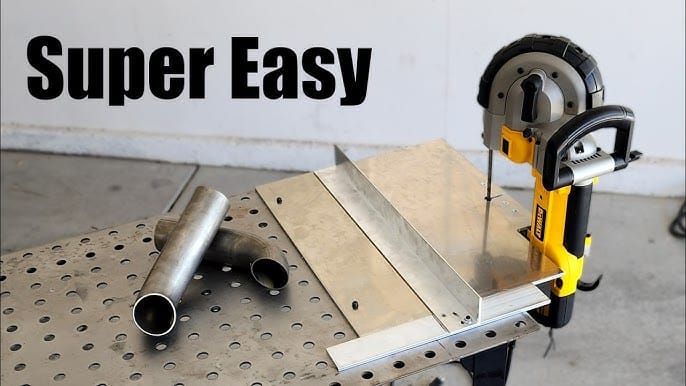
- Vertical band saws — The blade moves up and down, and you move the metal by hand.
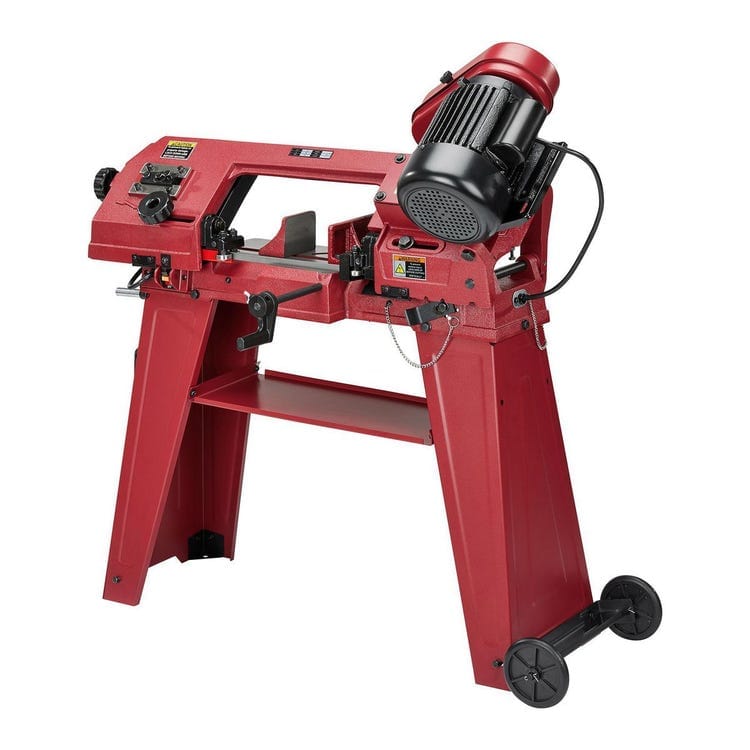
- Horizontal band saws — The blade moves side to side, and the machine holds the metal in place.
Horizontal band saws are common in metalworking shops, while vertical band saws are popular for smaller or more detailed work.
Why Use A Band Saw For Metal?
A band saw offers several advantages:
- Precision: Cuts are straight and consistent.
- Speed: Band saws cut faster than hacksaws or many handheld tools.
- Versatility: Suitable for different metals and shapes.
- Smooth finish: Less finishing work is needed after cutting.
However, using a band saw on metal requires special blades and settings. Using the wrong blade can damage the machine, the workpiece, or even cause injury.
Choosing The Right Band Saw For Metal
Not all band saws are designed for metal. Some are built only for wood or plastics. Before you start, make sure your band saw can handle metal by checking:
- Motor power: Metal cutting needs a stronger motor, usually at least 1 horsepower.
- Blade speed control: Cutting metal requires slower blade speeds compared to wood.
- Frame strength: Metal puts more strain on the machine.
Comparing Band Saws For Metal
Below is a comparison of important features to consider:
| Feature | Wood Band Saw | Metal Band Saw |
|---|---|---|
| Blade Speed (FPM) | 2500–3500 | 60–300 |
| Motor Power | 0.5–1 HP | 1–2 HP |
| Coolant System | Rarely included | Often included |
| Frame Strength | Lighter | Heavier |
A common beginner mistake is trying to cut metal with a wood band saw. This can ruin both the blade and the saw itself. Always use a metal-specific band saw for best results.
Selecting The Right Blade
The blade is one of the most important parts when cutting metal. Using the wrong blade can give poor results or even be dangerous.
Key Factors For Band Saw Blades
- Material: For metal, choose bi-metal blades. These have high-speed steel teeth and a flexible back.
- Tooth Pitch (TPI): TPI means “teeth per inch.” More teeth per inch give smoother cuts in thin metal. Fewer TPI are better for thick metal.
- Blade Width: Wider blades are better for straight cuts. Narrower blades are used for curves.
Blade Selection Guide
| Metal Thickness | Recommended TPI | Blade Width |
|---|---|---|
| 1/8″ or less | 18–24 TPI | 1/4″–1/2″ |
| 1/8″–1/2″ | 14–18 TPI | 1/2″ |
| 1/2″–1″ | 10–14 TPI | 3/4″ |
| 1″ or more | 6–10 TPI | 3/4″–1″ |
A helpful tip: Always keep at least three teeth in contact with the metal. This prevents the blade from catching or chipping.
Preparing Your Work Area And Metal
Setting up your workspace is essential for safety and accuracy. Clear the area around the band saw and make sure you have good lighting.
- Secure the metal: Use clamps or a vise so the metal does not move during cutting.
- Mark your cut line: Use a scribe or permanent marker to draw an accurate line on the metal.
- Wear safety gear: Always use safety glasses, hearing protection, and gloves. Small metal chips can cause injury.
If your band saw has a coolant system, fill it with the recommended liquid. Coolant keeps the blade and metal cool, preventing damage and extending blade life.
Setting Up The Band Saw
Proper setup makes cutting easier and extends the life of your equipment.
Steps To Set Up
- Install the blade: Make sure it is the correct size and type for your metal.
- Tension the blade: Follow the band saw’s manual for correct tension. Too loose or too tight can cause blade breakage.
- Adjust the blade guides: The guides should lightly touch the blade. This keeps it stable during cutting.
- Set the speed: Choose the correct blade speed for your metal. Cutting steel usually requires 100–200 feet per minute (FPM). Softer metals like aluminum can be cut at higher speeds.
- Test run: Turn on the saw for a few seconds to make sure everything runs smoothly.
Many beginners forget to check blade tension and guides, which leads to poor cuts and shortens blade life.
Cutting Technique: How To Cut Metal With A Band Saw
Now you’re ready to cut. Here’s a step-by-step process for the best results:
Step 1: Position The Metal
Place your metal on the saw’s table or bed. Align your marked cut line with the blade. Make sure the metal is firmly secured and cannot shift.
Step 2: Start The Saw
Turn on the band saw and let the blade reach full speed before you start feeding the metal.
Step 3: Feed The Metal
Push the metal slowly and steadily into the blade. Don’t force it—let the blade do the work. For horizontal band saws, the saw will lower itself onto the metal.
- If you hear a high-pitched squeal, slow down. This means you’re feeding too fast.
- If the blade stalls or stops, you might be feeding too slowly or the blade is dull.
Step 4: Monitor The Cut
Watch for sparks, smoke, or burning smells—these are signs of problems like a dull blade or feeding too fast. Check the coolant flow if your saw uses a coolant system.
Step 5: Finish And Inspect
Once the cut is done, turn off the band saw and wait for the blade to stop moving. Remove the metal and inspect the cut. It should be smooth and straight, with minimal burrs.
Common Mistakes To Avoid
- Forcing the blade through the metal
- Using a wood-cutting blade on metal
- Ignoring blade tension or guide settings
- Not wearing safety gear
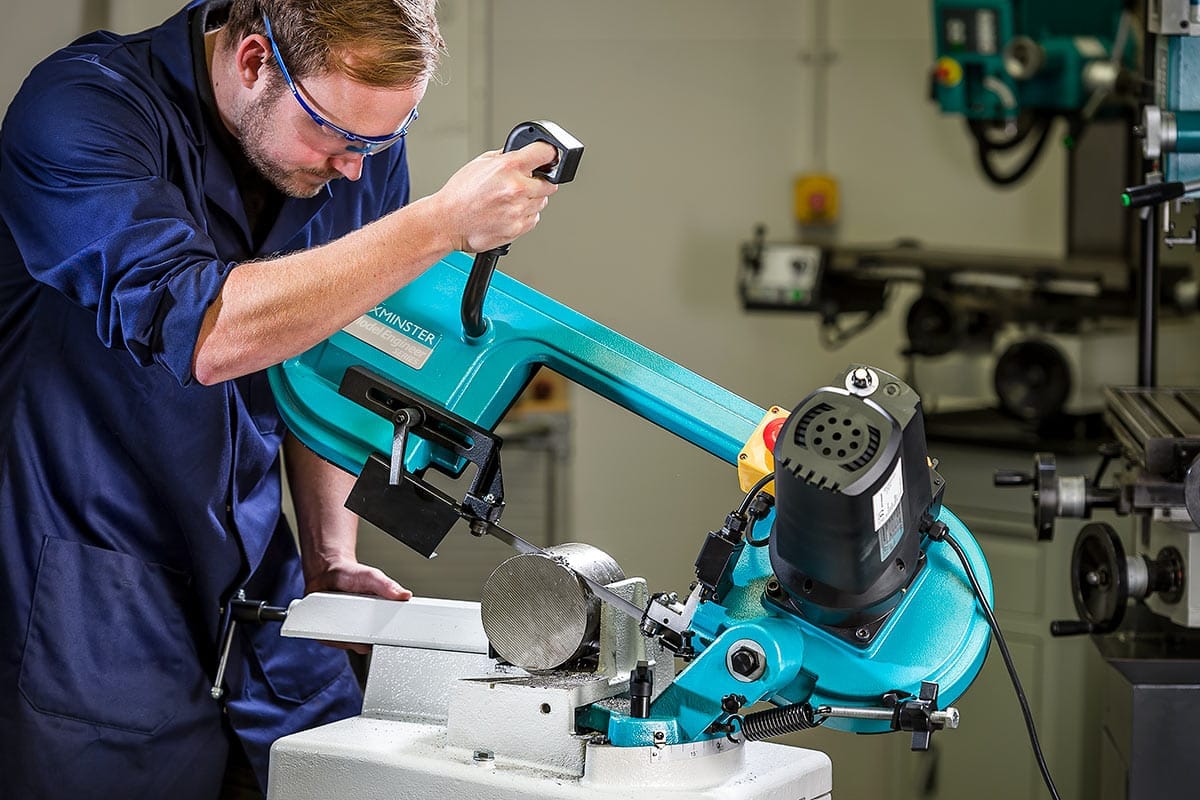
Credit: www.axminstertools.com
Advanced Tips For Better Results
Learning to cut metal with a band saw is more than just following steps. Here are some advanced tips:
- Use cutting fluid: Even if your saw does not have a coolant system, applying a little cutting oil to the blade can extend its life and improve the cut.
- Deburr after cutting: Use a file or grinder to remove sharp edges.
- Support long workpieces: If you’re cutting a long piece of metal, support both ends to prevent binding or inaccurate cuts.
- Practice on scrap: Try a few cuts on scrap metal to adjust speed and feeding before working on your real piece.
- Check for blade wear: Dull blades can break or cause rough cuts. Change blades when you notice a drop in performance.
A non-obvious insight: Many users forget that blade guides should be adjusted every time you change the blade or the thickness of your material. This small step keeps your cuts accurate and extends blade life.
Maintenance For Your Band Saw
Keeping your band saw in good shape saves money and improves safety.
- Clean after each use: Remove metal chips from the blade, wheels, and table.
- Check blade condition: Look for missing teeth, cracks, or dull edges.
- Lubricate moving parts: Follow your saw’s manual to lubricate bearings and guides.
- Inspect belts and wheels: Replace worn parts promptly.
- Check electrical connections: Make sure power cords and switches are in good shape.
Regular maintenance also helps you spot problems before they cause bigger issues.
Credit: www.harborfreight.com
When To Use A Band Saw Vs. Other Tools
Band saws are not always the best choice for every metal cutting job. Sometimes, a different tool is better.
| Tool | Best For | Limitations |
|---|---|---|
| Band Saw | Straight cuts, curves, thick or thin metal | Not ideal for ultra-precise or very thin sheet metal |
| Angle Grinder | Quick rough cuts, small jobs | Rough finish, more sparks |
| Chop Saw | Repeated straight cuts | Only straight cuts, no curves |
| Hacksaw | Small jobs, tight spaces | Slow, tiring for thick metal |
A band saw is your best friend for projects needing accuracy, clean edges, or working with a variety of shapes.
Safety Reminders
Cutting metal can be dangerous if you ignore safety rules. Always:
- Wear safety glasses and hearing protection
- Keep hands away from the blade
- Never wear loose clothing or jewelry
- Use a push stick or clamp for small pieces
- Unplug the saw before changing blades or cleaning
For more safety tips and band saw basics, you can check the Wikipedia Band Saw entry.
Credit: www.youtube.com
Frequently Asked Questions
How Do I Know What Blade Speed To Use For Different Metals?
Different metals require different blade speeds. Generally, harder metals like steel need slower speeds (100–200 FPM), while softer metals like aluminum can handle higher speeds (200–300 FPM). Always check your band saw’s manual and start with a slower speed if you’re unsure.
Can I Cut Curves In Metal With A Band Saw?
Yes, but you need a narrow blade (1/4″ or less). Wider blades are only for straight cuts. Go slowly, and avoid sharp turns which can break the blade.
Why Is My Band Saw Blade Getting Dull Quickly?
Common reasons include using the wrong blade type, feeding the metal too fast, or not using cutting fluid. Make sure you match the blade TPI to your metal’s thickness and use coolant when possible.
What Should I Do If The Blade Binds Or Stops In The Metal?
Stop the saw immediately. Check for proper blade tension, correct TPI, and ensure the metal is supported. Binding often happens when feeding too quickly or using a dull blade.
Is It Safe To Cut Small Pieces Of Metal With A Band Saw?
Yes, but extra care is needed. Always use a clamp or push stick to keep your hands away from the blade. Never try to hold small pieces by hand while cutting.
Cutting metal with a band saw opens up many possibilities for your projects. With the right preparation, blade, and technique, you’ll get clean, accurate results every time. Take your time, follow these steps, and always put safety first. Before long, you’ll be cutting metal like a pro.